
Why Breakfast Soup Makes Perfect Sense
In many parts of the world, breakfast is not sweet, rushed, or limited to toast and coffee. It is hot, savory, restorative, and often served in a steaming bowl. Breakfast soups are practical: they warm you up, wake up your appetite, use local staples, and offer comfort before the day begins. For travelers, they are also a delicious window into daily life. At Tour Trivia, we love foods that tell a story, and these breakfast soups reveal how different cultures start the morning with flavor, tradition, and a little local wisdom.
Phở in Vietnam
In Vietnam, phở is not just a dinner dish for visitors; it is a classic morning meal. Locals often eat it early, sitting on low stools beside street stalls as the city comes alive. The broth is the soul of the bowl, simmered with beef bones, charred onion, ginger, star anise, cinnamon, and other aromatics. Rice noodles, herbs, lime, chilies, and tender slices of beef or chicken complete the dish. It is light enough for breakfast but satisfying enough to fuel a long day.
Mohinga in Myanmar
Mohinga is widely considered Myanmar’s national dish, and for many locals, it is the ultimate breakfast. This fish-based noodle soup is rich with lemongrass, garlic, ginger, turmeric, and chickpea flour, which gives the broth its signature body. It is usually served with rice noodles and topped with crispy fritters, boiled egg, cilantro, lime, and chili flakes. Street vendors sell it from morning onward, but breakfast is its most beloved moment. The combination of spice, crunch, and warmth makes it deeply comforting.
Menudo in Mexico
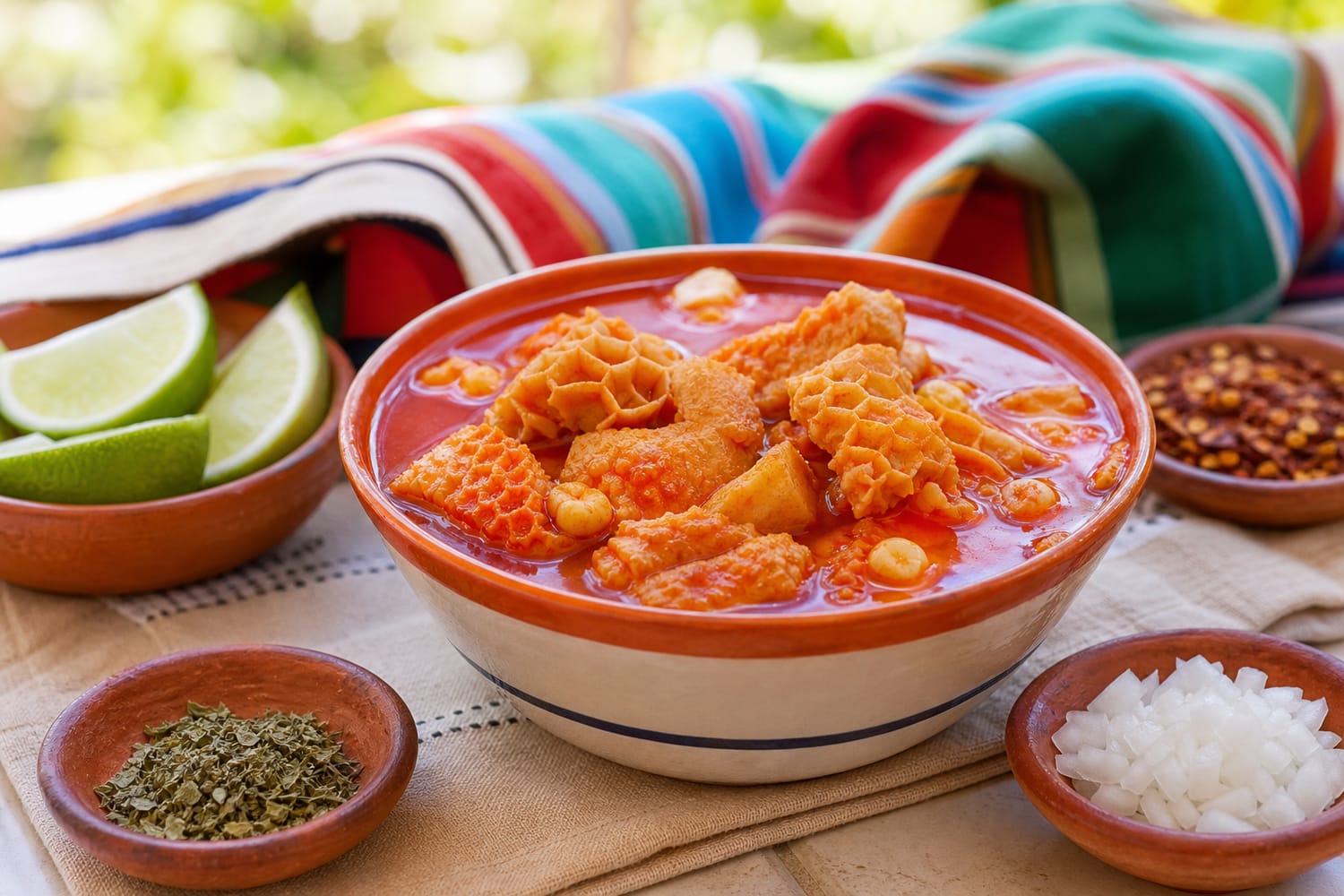
Menudo is a hearty Mexican soup often eaten in the morning, especially on weekends or after celebrations. Made with beef tripe in a red chile broth, it is bold, rich, and famously associated with hangover recovery. Hominy is sometimes added, depending on the region, and toppings may include chopped onion, oregano, lime, and crushed chiles. Menudo takes hours to prepare, so it is often a family or market-stall specialty. Locals swear by its restorative powers, whether you need energy, comfort, or both.
Miso Soup in Japan
A traditional Japanese breakfast often includes rice, grilled fish, pickles, and miso soup. The soup may look simple, but it is an essential part of the meal. Made with dashi and miso paste, it can include tofu, wakame seaweed, scallions, mushrooms, clams, or seasonal vegetables. Its savory umami flavor is gentle yet grounding, making it ideal for the morning. Miso soup reflects the Japanese breakfast philosophy: balance, nourishment, and variety. It is not flashy, but locals value it as a daily staple.
Changua in Colombia
Changua is a traditional breakfast soup from Colombia’s Andean region, especially around Bogotá. It is made with milk, water, scallions, cilantro, and eggs, which are gently poached directly in the broth. Bread is often added to the bowl or served alongside for dipping. To outsiders, milk soup for breakfast may sound unusual, but in the chilly highlands, changua is warm, filling, and familiar. Its mild flavor and creamy texture make it a soothing start to the day, especially on cold mornings.
Haejangguk in South Korea
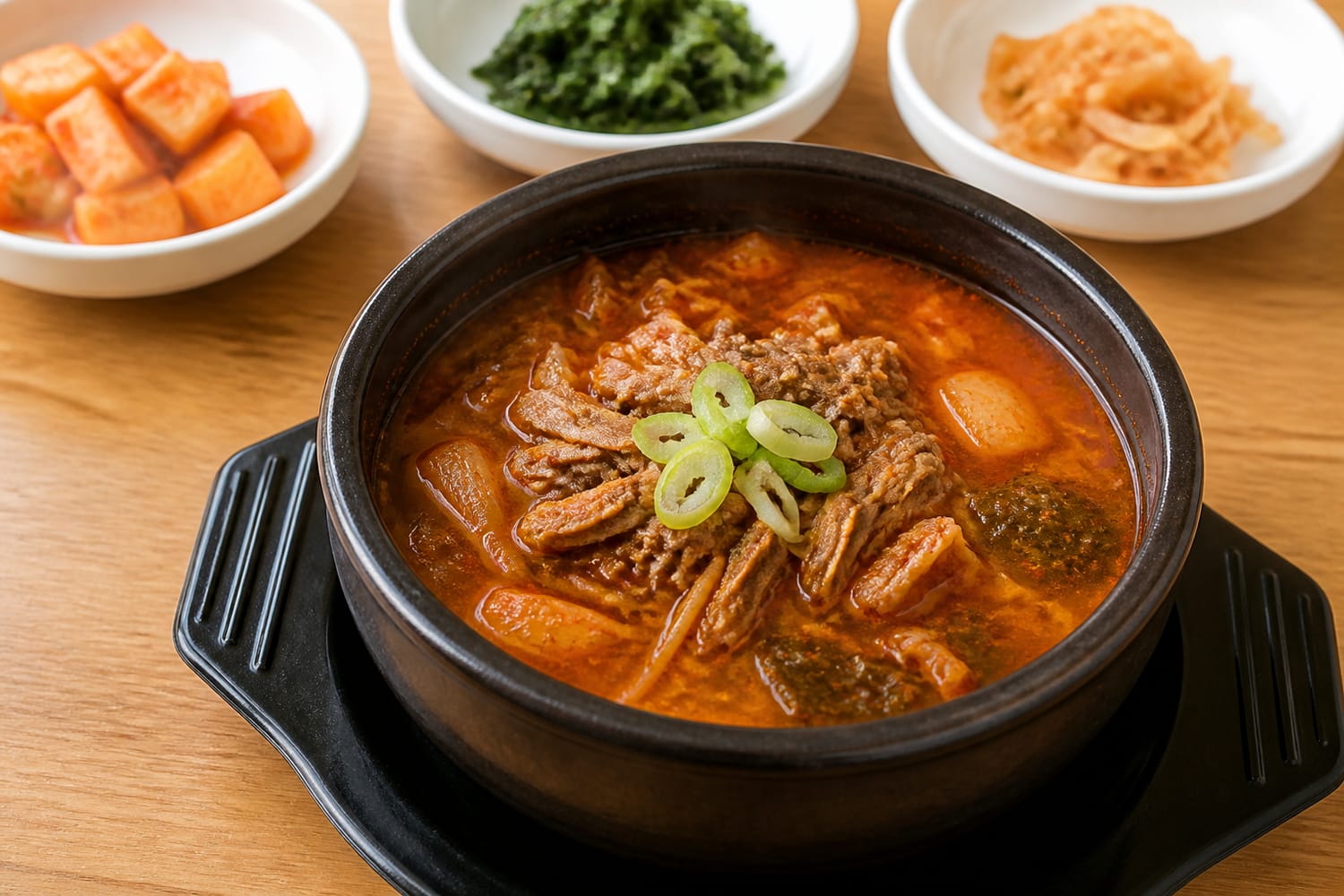
Haejangguk literally means “hangover soup,” but in South Korea, it is much more than a cure after a late night. It is a beloved breakfast dish with many regional variations. Some versions include beef broth, cabbage, bean sprouts, congealed ox blood, radish, or pork spine. The soup is usually savory, spicy, and deeply nourishing. Restaurants specializing in haejangguk often open early for workers, students, and anyone needing a strong start. Locals appreciate it for its warmth, intensity, and ability to revive the body.
Lablabi in Tunisia
Lablabi is a Tunisian chickpea soup commonly eaten for breakfast, particularly in cooler months. It begins with a garlicky, cumin-scented chickpea broth poured over pieces of stale bread. Diners often customize it with harissa, olive oil, lemon juice, capers, tuna, olives, or a soft-cooked egg. This is a hands-on meal with big flavor and humble roots. Lablabi is inexpensive, filling, and widely loved. For locals, it is not just breakfast; it is a bowl of comfort with heat, texture, and personality.
Soto Ayam in Indonesia
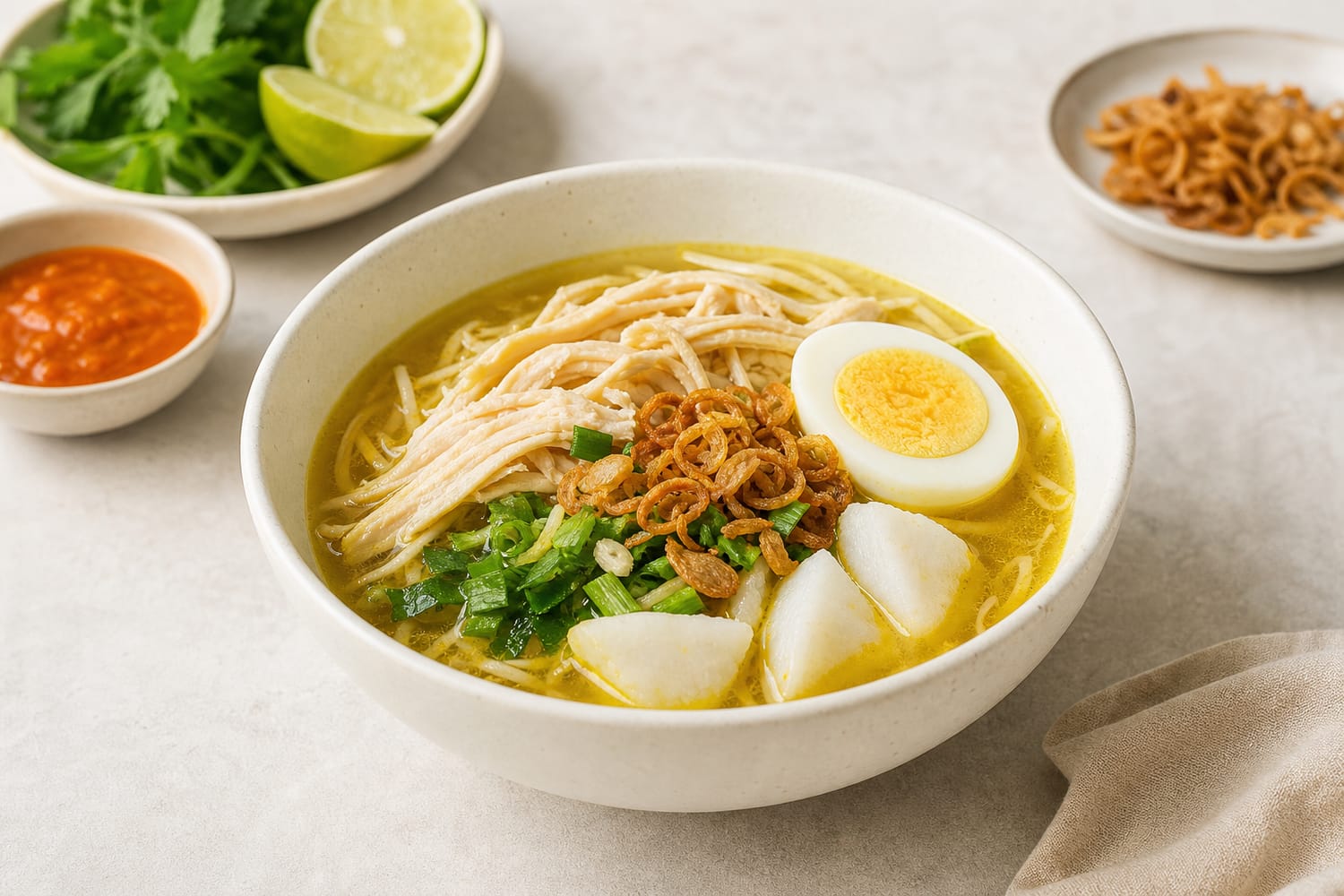
Soto ayam, Indonesia’s fragrant chicken soup, is enjoyed throughout the day, including breakfast. Its golden broth gets color and flavor from turmeric, lemongrass, galangal, garlic, and shallots. Shredded chicken, rice cakes or noodles, boiled egg, herbs, and crispy shallots make it a complete meal. In many towns, morning vendors serve soto ayam to people on their way to work or school. It is bright, aromatic, and energizing without feeling heavy. A squeeze of lime and a spoonful of sambal bring it fully to life.
Kuy Teav in Cambodia
Kuy teav is a Cambodian noodle soup often eaten for breakfast at markets, roadside stalls, and neighborhood cafés. The broth is typically made from pork bones and served with rice noodles, minced pork, sliced meat, garlic oil, bean sprouts, herbs, and lime. Diners can adjust the flavor with chili, sugar, fish sauce, or vinegar. The dish reflects Cambodia’s love of fresh garnishes and balanced seasoning. For locals, a morning bowl of kuy teav is quick, affordable, and deeply satisfying.
Encebollado in Ecuador
Encebollado is one of Ecuador’s favorite breakfast soups, especially along the coast. Made with tuna, yuca, tomatoes, onions, cilantro, and spices, it is hearty yet bright. Pickled red onions give the soup its signature tang, while lime and chili add extra punch. Like menudo and haejangguk, encebollado is famous as a hangover remedy, but many locals eat it simply because it is delicious. It is commonly served with chifles, popcorn, or bread on the side. Briny, starchy, and refreshing, it is a memorable morning meal.
What These Bowls Reveal About Breakfast
Breakfast soups prove that morning food does not have to be predictable. Around the world, locals turn to broths, noodles, grains, herbs, spices, and slow-cooked ingredients to begin the day with something nourishing. Some soups are gentle and balanced; others are fiery, rich, and bold. Many are tied to street vendors, family kitchens, weekend rituals, or recovery after a long night. For travelers, tasting these bowls is a way to experience a place when it is waking up. That may be the best trivia of all: breakfast is local, and soup often tells the story first.