
A Sweeter Side of the Vegetable Patch
Vegetables aren’t just for the savory half of the menu. Some bring natural sweetness; others make cakes tender, brownies moist, or custards silky while sugar and spice do the rest. From North Indian carrot halwa to Filipino shaved ice, these ten desserts offer a delicious reminder that a familiar ingredient can have a surprising second life.
Carrot Cake
Carrot cake is the gateway to vegetable desserts for good reason. Finely grated carrots soften as the cake bakes, helping create a moist crumb without announcing themselves in every bite. Cinnamon, ginger, and cream cheese frosting supply the flavors most people remember.
For a version where the carrots still have some texture, grate them rather than puréeing them. Walnuts or pecans add crunch, while orange zest can give the rich frosting a brighter finish. It’s a useful starting point for anyone skeptical of the whole idea: the vegetable belongs in this cake, but the cake still tastes like dessert.
Gajar Halwa
In North India, carrots take center stage in gajar halwa. Grated carrots are cooked with milk until the mixture becomes soft and concentrated, then enriched and sweetened. Cardamom adds fragrance, and nuts give the finished dish a little crunch. It’s closer to a warm, spoonable pudding than to carrot cake.
The patient cooking is part of the appeal: as the liquid reduces, the carrots become tender and the mixture turns rich. If you’d like to make it, this carrot halwa recipe offers a clear guide. Serve it warm in small bowls, with pistachios scattered over the top.
Chocolate Zucchini Cake
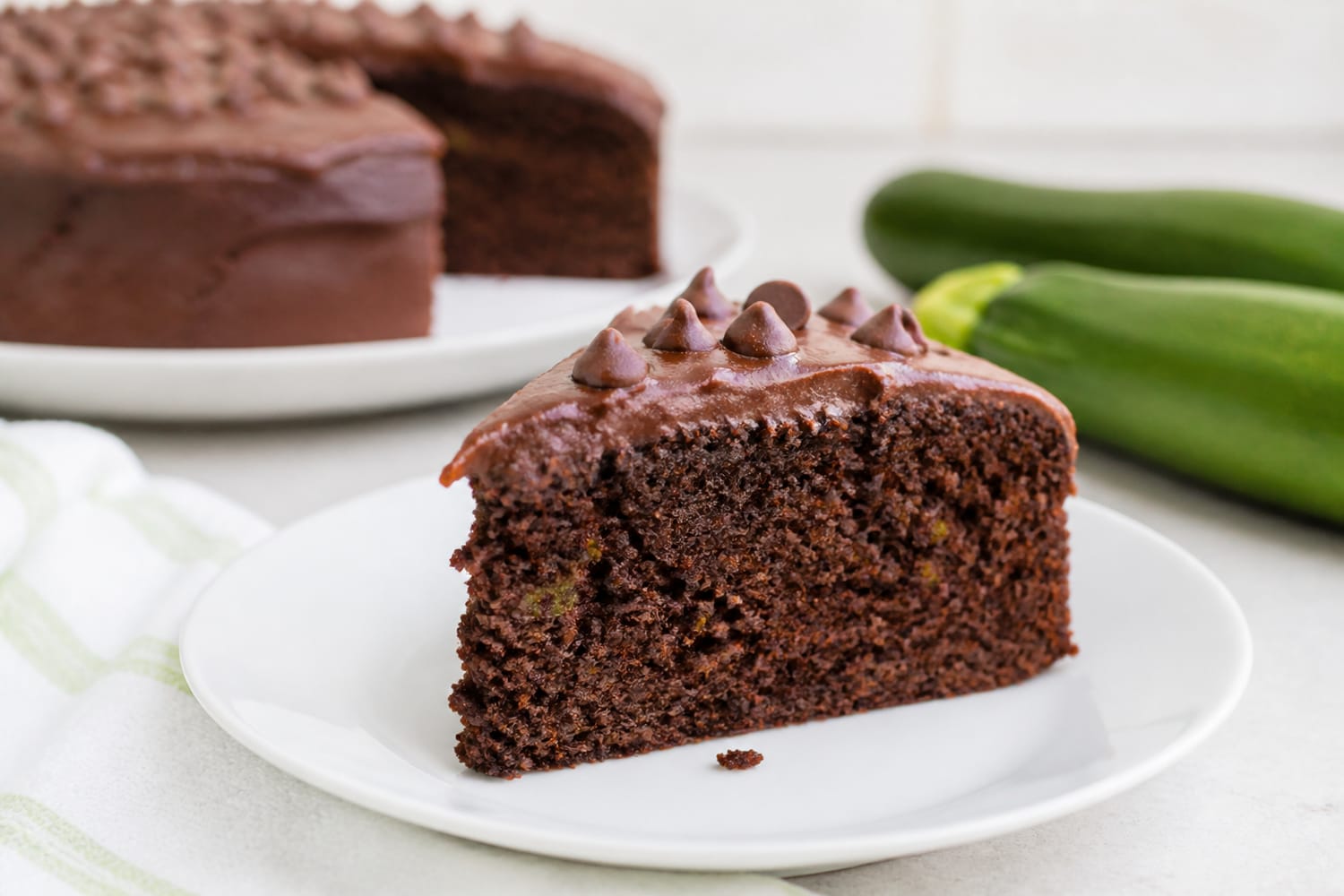
Zucchini has a mild flavor and plenty of moisture, making it an unlikely but effective partner for cocoa. Shred it finely, fold it into chocolate cake batter, and the result is a tender slice in which chocolate—not squash—gets the attention. Chocolate chips or a simple glaze make it feel especially indulgent.
The practical trick is to follow the recipe’s instructions for handling the shredded zucchini: squeezing out too much liquid, or none when the recipe asks you to, can change the cake’s texture. King Arthur Baking’s chocolate zucchini cake shows just how much zucchini a rich cocoa cake can accommodate.
Beet Brownies
Beets and chocolate make a more harmonious pair than their reputations suggest. Cooked beetroot can be blended into brownie batter, adding moisture and a subtle earthy note beneath the cocoa. The finished squares look like chocolate brownies, though their soft interior may hint that something unusual went into the mixing bowl.
Use plain cooked beets, not the pickled kind: vinegar would take these in an entirely different direction. A little vanilla helps round out the flavor, and letting the brownies cool completely makes them easier to cut. This is one dessert where the surprise ingredient is most fun revealed after the first bite.
Sweet Potato Pie
Sweet potatoes become smooth and pleasantly sweet when cooked and mashed, which makes them a natural pie filling. Mixed with eggs, milk, sugar, and warm spices, they bake into a soft custard inside a flaky crust. A spoonful of whipped cream is plenty of decoration.
For a filling without lumps, mash the potatoes thoroughly or blend them before adding the other ingredients. Taste the cooked potato, too: its flavor should remain present beneath the cinnamon or nutmeg. The appeal of this pie isn’t that it hides a vegetable; it’s that the vegetable gives the dessert its character.
Pumpkin Pie
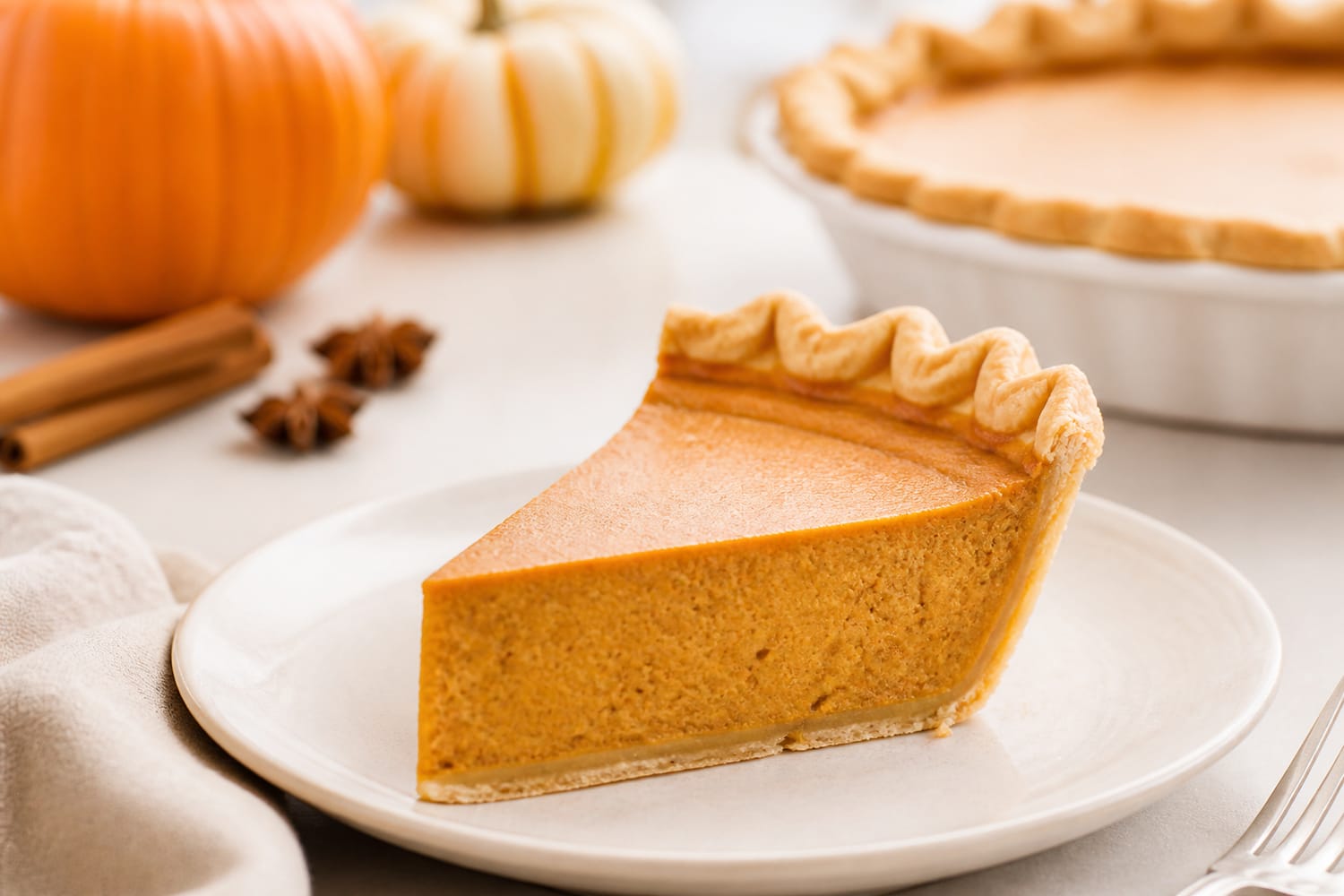
Pumpkin pie may be the least shocking entry here, but it proves the point beautifully. Pumpkin purée brings body and a gentle, earthy flavor to the filling; sugar and spices transform it into a dessert many people associate with the holiday table. Its smooth texture also makes a striking contrast with crisp pastry.
If you’re using canned pumpkin, look for plain purée when a recipe calls for it, rather than pre-sweetened pie filling. That leaves you in control of the seasoning. Prefer a different presentation? Pumpkin also works in cheesecakes and cupcakes—further evidence that vegetables have more than one sweet disguise.
Parsnip and Maple Cake
Parsnips look like pale carrots, and grated parsnips can play a similarly useful role in cake. Pair them with maple syrup, warm spice, and chopped nuts for a bake with a gently earthy edge. The vegetable contributes texture without turning the cake into a savory experiment.
A maple-flavored mascarpone filling makes it feel like a celebration cake, but a simple dusting of powdered sugar works for an afternoon slice. Grate the parsnips finely so they soften evenly in the oven. If carrot cake feels familiar, this is a playful next stop.
Sweet Corn Ice Cream
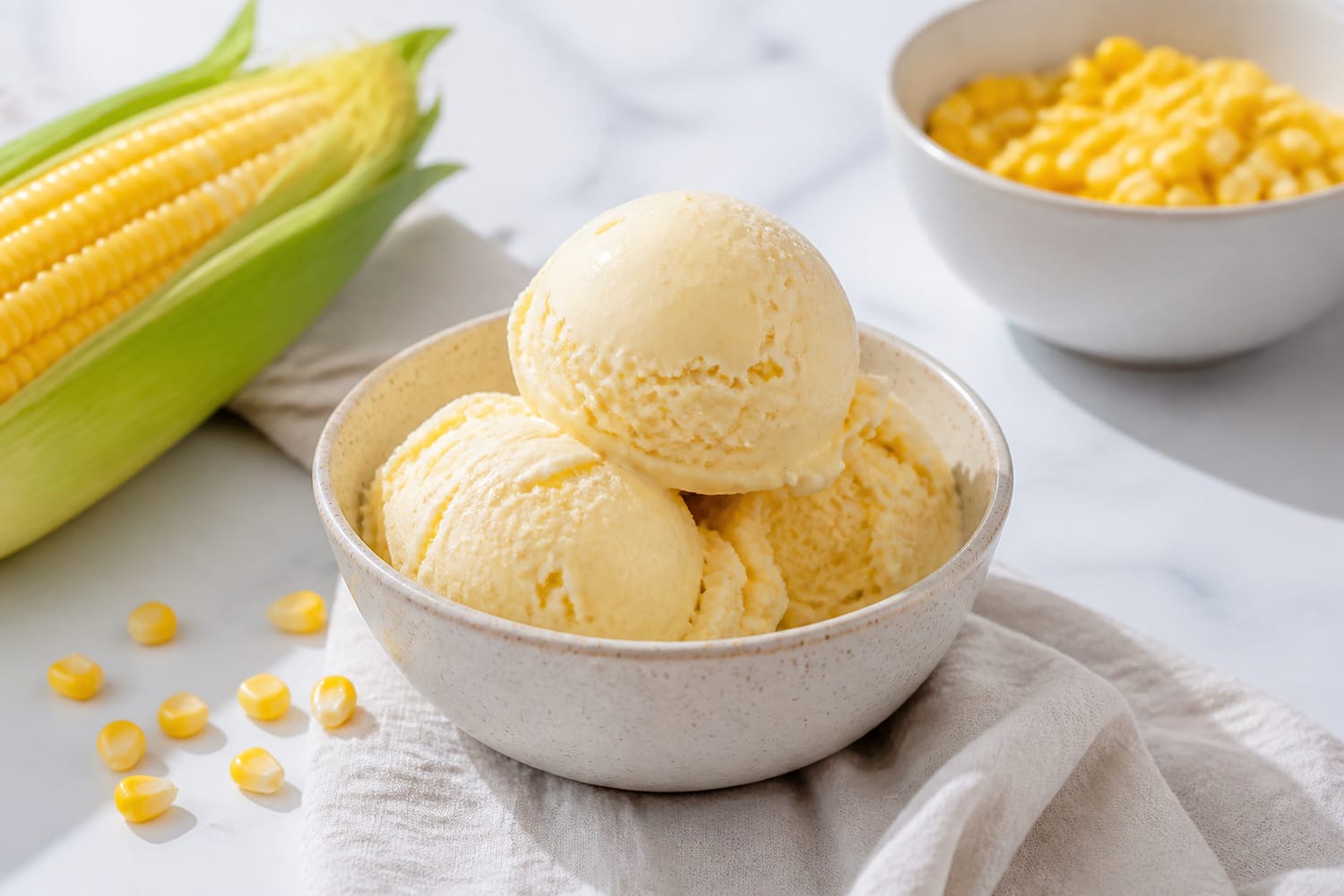
Fresh sweet corn already has the flavor clue in its name. Steeping kernels—and, in some recipes, the stripped cobs—in dairy gives ice cream a distinctive summer taste. Blending and straining the mixture keeps the final scoop smooth rather than studded with kernels.
It’s lovely on its own, but a little caramel or a crisp cookie can make the corn flavor stand out. Choose fresh, sweet ears when you can; the ingredient is the star here, not a hidden addition. Food Network’s sweet corn ice cream recipe illustrates the steep-and-strain approach.
Butternut Squash Cake
Butternut squash can trade its usual place in soup for a spot in cake batter. Grated squash softens during baking, while orange zest and warm spices bring out its sweeter side. Finish the cake with a tangy cream cheese frosting, and it becomes a close cousin of carrot cake with its own autumn flavor.
This is a handy option when a squash is too large for one dinner. Use the peeled flesh, grate it, and keep an eye on the bake: squash can vary in moisture, so the cake may need a little more or less time in the oven.
Ube-Topped Halo-Halo
In the Philippines, halo-halo turns dessert into a colorful collection of textures. Shaved ice and milk form the cool base; toppings can include sweetened fruit, beans, jellies, and a scoop of ube ice cream. Ube is purple yam, lending the dessert its eye-catching violet flourish.
There’s no need to expect every glass to look alike. That variety is part of the pleasure: one spoonful might be creamy, the next icy or chewy. For more dishes that offer a small journey at the table, explore Tour Trivia’s foods from around the world.
Give Dessert a Plot Twist
The best vegetable desserts don’t all use the same trick. Zucchini and beets help chocolate bakes stay moist; roots and squash give cakes and pies substance; corn and carrots bring flavors worth celebrating outright. Choose one that sounds improbable, and you might discover a new favorite along with a good story to tell. As Tour Trivia’s look at surprising food ingredients suggests, what’s hiding in a dish can be part of its charm.