
When the Dish Is Also the Plate
Across the world, cooks serve curries in hollowed bread, stews on sourdough pancakes, and rice inside vegetables or fruit. These edible containers are more than playful presentation: they absorb sauces, add contrasting textures, and make every part of the meal worth eating.
Many began as practical, portable foods, while others turn seasonal ingredients into memorable centerpieces. Like the dishes featured in Tour Trivia’s guide to global street-food traditions, they also reveal how creativity and local ingredients shape the way people eat.
Bunny Chow in South Africa
Bunny chow is one of Durban’s most recognizable dishes. A loaf—or portion of a loaf—of white bread is hollowed out and packed with fragrant curry, which might contain beans, chicken, lamb, or mutton.
The bread acts as a sturdy takeaway container while soaking up the curry’s spiced gravy. Although stories about its precise beginnings vary, the dish is closely connected to Durban’s Indian community and the city’s multicultural history. The South African Tourism overview of Durban Indian cuisine offers more insight into this regional favorite.
Ajarian Khachapuri in Georgia
Ajarian khachapuri looks like a small bread boat carrying a molten cargo. Its raised crust surrounds a filling of Georgian cheese, butter, and an egg, creating a rich combination that is stirred together before eating.
Diners commonly tear pieces from the crust and dip them into the warm center, so the container gradually becomes the utensil. The bread’s boat-like shape is associated with the maritime culture of Georgia’s Black Sea region of Adjara. Georgia Travel’s guide to Ajarian khachapuri explains the symbolism behind its distinctive appearance.
Pani Puri in India
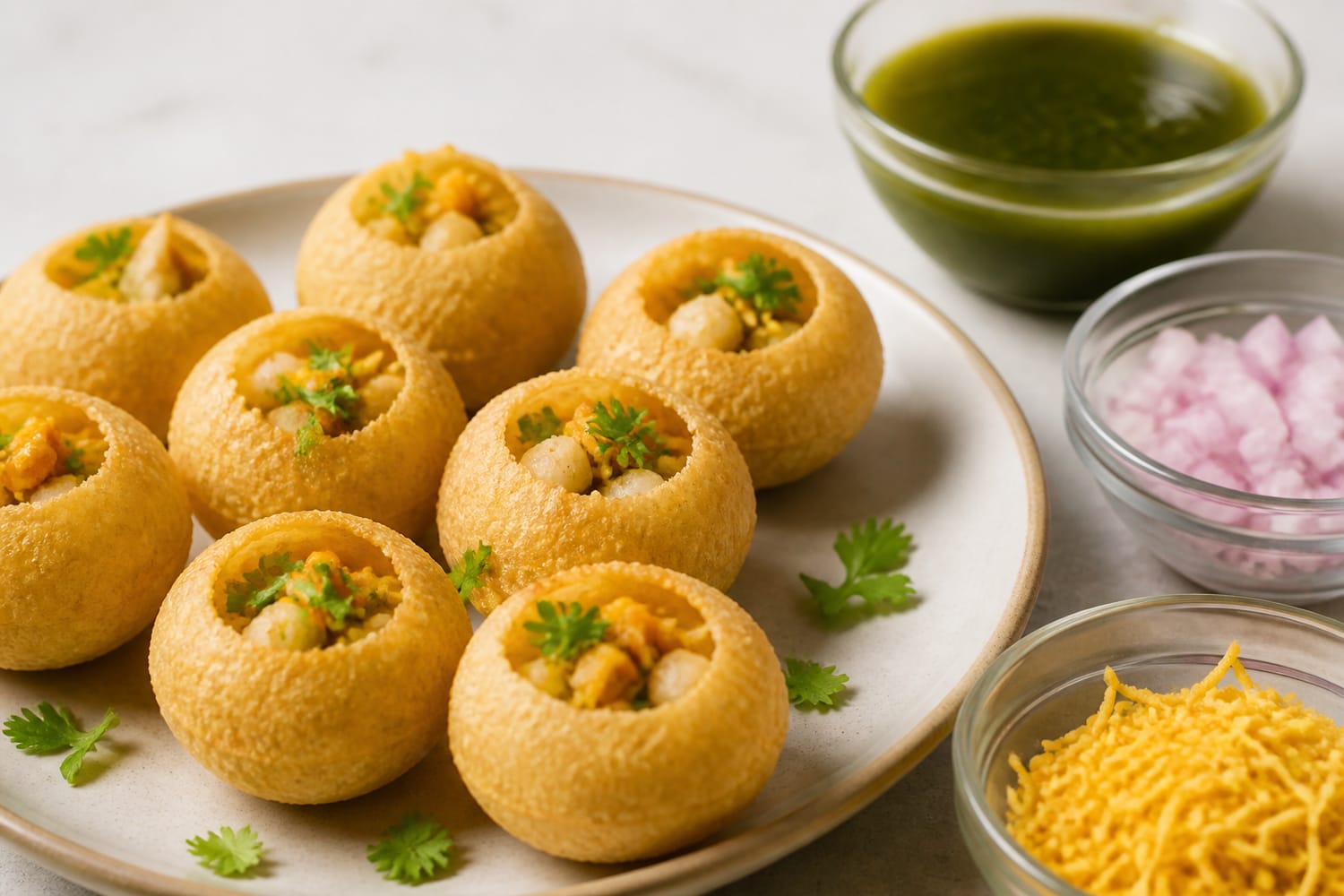
Pani puri consists of delicate, hollow puris that are crisp enough to contain a surprising collection of ingredients. Each shell is opened and filled with combinations of potato, chickpeas, spices, chutney, and tangy flavored water.
The entire puri is usually eaten in one bite before the liquid can escape or soften the shell. Known by regional names including golgappa and puchka, this beloved street snack delivers crunch, heat, sweetness, and acidity in one edible package.
Kueh Pie Tee in Singapore and Malaysia
Kueh pie tee is a Peranakan appetizer presented in thin, golden pastry cups shaped like miniature top hats. These crisp shells are generally filled with shredded jicama, vegetables, prawns, egg, and a spoonful of chili sauce.
The shells are made using a specialized mold dipped into batter and hot oil. Their delicate texture makes them impressively crunchy but also means they should be filled shortly before serving. Singapore’s National Heritage Board collection preserves an example of the traditional tool used to create them.
Coffin Bread in Taiwan
Despite its dramatic name, Taiwanese coffin bread is a comforting creation. A thick piece of white bread is fried or toasted, hollowed out, and filled with a creamy mixture that may include chicken, seafood, mushrooms, vegetables, or corn.
A crisp piece of bread is returned to the top as a lid, producing the boxy appearance responsible for the name. This Tainan specialty offers a pleasing contrast between crunchy toast and velvety filling, resembling a bread-based pot pie.
Dai-Style Pineapple Rice in China
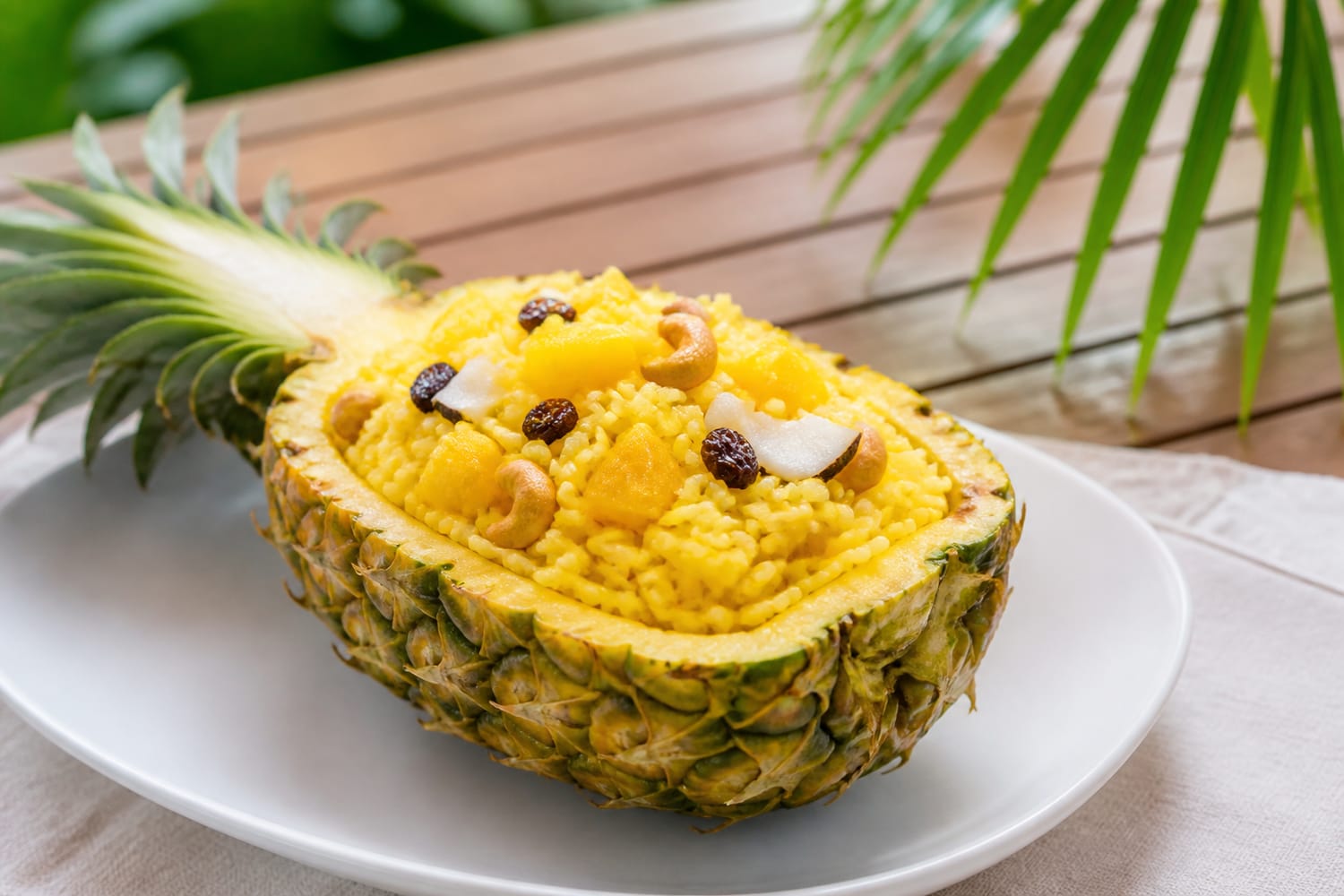
In southern Yunnan, Dai-style pineapple rice transforms a tropical fruit into a fragrant serving vessel. A pineapple is hollowed out and filled with glutinous rice combined with pieces of fruit, often accompanied by coconut milk, sugar, nuts, or raisins.
Steaming the rice inside the pineapple allows the fruit’s sweet aroma to perfume the grains. The bright presentation makes it particularly festive, but the natural container also contributes flavor rather than merely decorating the table.
Clam Chowder in Sourdough in the United States
At San Francisco’s Fisherman’s Wharf, clam chowder frequently arrives inside a hollow round of sourdough bread. The tangy loaf complements the creamy soup, while its substantial crust helps keep the chowder contained.
As the meal continues, the interior crumb absorbs flavors from the clams, potatoes, and rich broth. Diners can tear away sections of the bowl, ensuring that the last spoonfuls are accompanied by soup-soaked bread. The combination has become a culinary symbol of San Francisco.
Injera Platters in Ethiopia
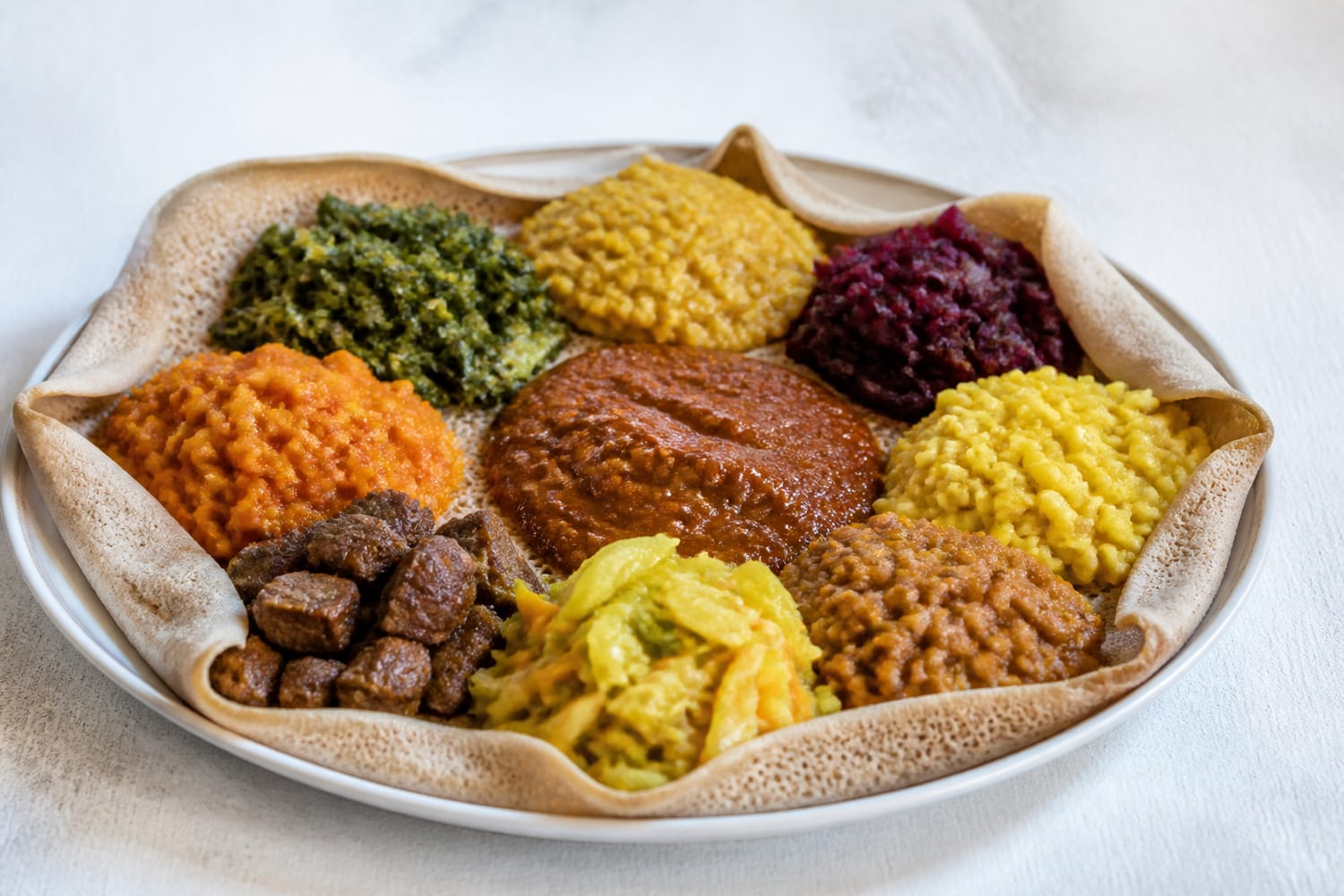
Ethiopian meals are often served on injera, a large, pleasantly sour flatbread traditionally made with teff. Portions of meat, lentils, vegetables, and richly seasoned wot are arranged directly on its spongy surface.
Additional pieces of injera are torn off and used to pick up the food, eliminating the need for conventional utensils. Meanwhile, the bottom layer absorbs the sauces and becomes increasingly flavorful. The communal format makes the edible plate an essential part of both the dish and the dining experience.
Kumpir in Türkiye
Kumpir begins with an extra-large baked potato split open while hot. The fluffy interior is blended with butter, salt, and cheese before being covered with a colorful assortment of toppings.
Common choices include corn, olives, pickles, peas, salads, sausage, and sauces. The potato skin holds everything together, creating a customizable street meal with an entirely edible bowl. Istanbul’s waterfront neighborhood of Ortaköy is especially associated with rows of vendors serving this filling favorite.
Gemista in Greece
Gemista turns summer vegetables into individual baking dishes. Tomatoes, bell peppers, zucchini, or eggplants are hollowed out, stuffed with rice, herbs, and sometimes minced meat, and then slowly baked until tender.
The vegetables retain their shape while their juices season the filling from within. Their reserved tops may even be replaced as natural lids before baking. Gemista demonstrates how an edible container can be simple, seasonal, and deeply comforting.
A More Delicious Way to Serve a Meal
Edible containers bring flavor, function, and a sense of fun to the table. Whether fashioned from bread, pastry, fruit, vegetables, or fermented flatbread, they encourage diners to enjoy every last crumb.
They also prove that memorable food does not require elaborate tableware. Many, like the meals in Tour Trivia’s collection of iconic dishes with humble origins, transform accessible ingredients into culinary landmarks. When exploring local delicacies wherever you travel, keep an eye out for the meals where finishing your plate can be taken literally.