
When Tomorrow’s Dinner Beats Tonight’s
Some meals seem to possess a delicious kind of patience. After a night in the refrigerator, their spices mellow, sauces thicken, and individual ingredients settle into a more harmonious whole. From Italian lasagna to Ethiopian doro wat, these dishes prove that leftovers can be worth anticipating rather than merely tolerating.
Anyone curious about international food will recognize a common theme in Tour Trivia’s guide to local delicacies: traditional dishes often reflect generations of careful cooking. Fortunately, the most comforting examples rarely lose their appeal overnight.
Why Some Foods Improve With Time
Moist, slow-cooked dishes are especially suited to an overnight rest. Starches continue absorbing flavorful liquid, while gelatin-rich sauces set when chilled and regain a silky texture during reheating. Aromatic ingredients also become more evenly distributed throughout the food.
There may be a sensory element, too. After spending hours around cooking aromas, the cook can become accustomed to them. Returning the next day with a refreshed sense of smell may make the meal seem more vivid and inviting. BBC Science Focus explores the science behind better-tasting leftovers, including the roles of starch, gelatin, and sensory adaptation.
Lasagna, Italy
Fresh lasagna is undeniably tempting, but serving it directly from the oven can be messy. Its molten cheese and sauce tend to escape as soon as the first square is cut.
By the following day, the pasta has absorbed more of the tomato or meat sauce, while the layers have become firmer and easier to portion. Reheat lasagna covered so it retains moisture, then uncover it briefly to revive the browned cheese on top. A spoonful of extra sauce can prevent dry edges.
Chana Masala, India
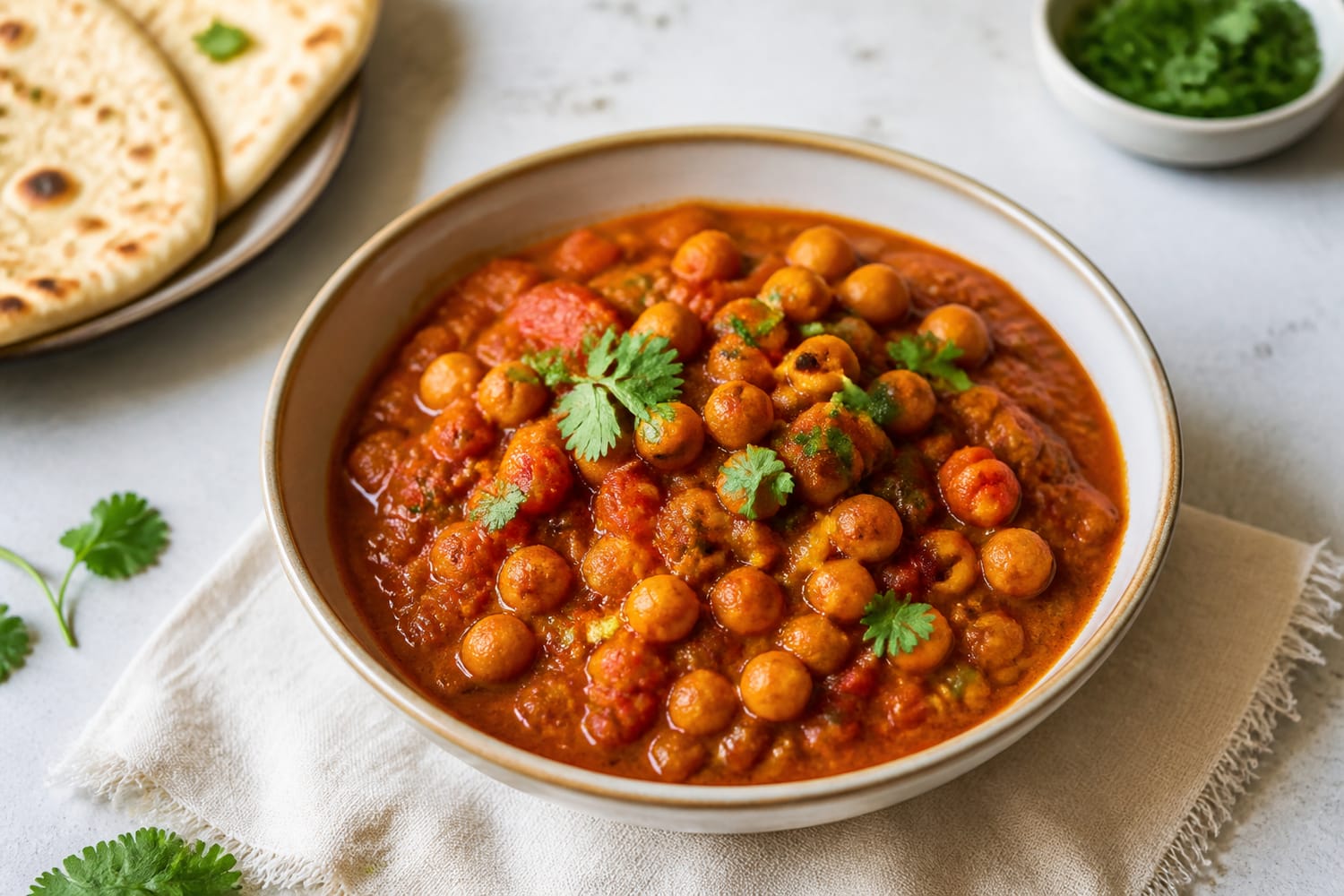
Chana masala combines chickpeas with tomatoes, onions, ginger, garlic, and warming spices. When freshly cooked, some seasonings may stand apart, with sharp tomato acidity competing against earthy cumin and coriander.
An overnight rest brings those flavors closer together. The chickpeas absorb more of the richly seasoned sauce, and the mixture usually thickens into a heartier consistency. Add a splash of water while reheating, then finish with fresh cilantro or lemon juice to restore brightness.
Tagine, Morocco
Named for the vessel traditionally associated with its preparation, Moroccan tagine is a slow-cooked combination of meat or vegetables, spices, and sometimes dried fruit, nuts, or preserved lemon. Morocco’s tourism office identifies tagine as one of the country’s emblematic dishes.
Resting gives ingredients such as lamb, apricots, olives, and onions more time to mingle with cinnamon, cumin, ginger, or saffron. The next day, the sauce can feel rounder and the meat even more tender. Reheat tagine slowly to protect its delicate texture.
Boeuf Bourguignon, France
Few dishes reward patience like boeuf bourguignon. This French braise surrounds beef with red wine, stock, onions, mushrooms, herbs, and often bacon, creating a deeply savory sauce.
Once chilled, excess fat rises and solidifies, making it easy to remove if desired. Reheating melts the sauce’s gelatin and restores its luxurious body, while the wine and aromatics taste more integrated. Warm it gently on the stove and serve it with potatoes, noodles, or crusty bread.
Mole Poblano, Mexico
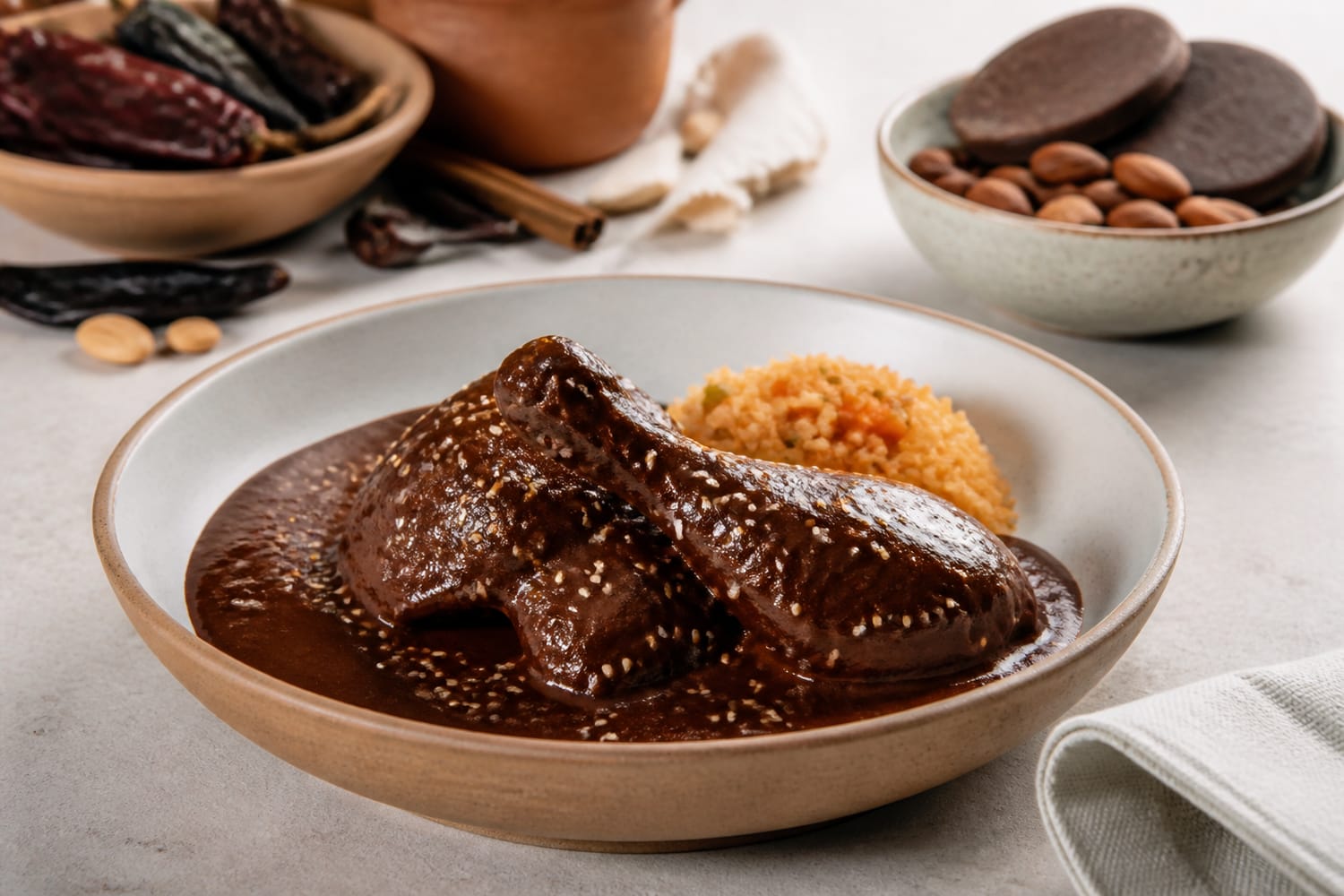
Mole poblano is known for a complex sauce that may contain dried chiles, spices, seeds, nuts, tomatoes, and chocolate. The precise recipe differs between households, but its many ingredients make it particularly well suited to resting.
Overnight, sharper notes from the chiles and spices soften into a smoother, more unified flavor. The sauce also thickens, allowing it to cling beautifully to chicken, turkey, enchiladas, or vegetables. Reheat mole over low heat, adding stock as needed and stirring frequently.
Japanese Curry, Japan
Japanese curry is generally thick, mildly sweet, and deeply comforting. Common versions combine a roux-based sauce with onions, carrots, potatoes, and beef, pork, or chicken.
The potatoes and carrots soak up the sauce as the curry rests, while the softened onions contribute additional sweetness. By lunchtime the next day, every spoonful seems more cohesive. Reheat it slowly with a little water and serve over freshly steamed rice, which provides a welcome contrast to the thickened curry.
Feijoada, Brazil
Feijoada is a substantial bean stew most closely associated with black beans and assorted cuts of pork. Its richness makes it ideal for a long, leisurely meal—and practically guarantees leftovers.
After refrigeration, the beans absorb more of the smoky, meaty broth. The result is a thicker stew with a flavor that feels more concentrated throughout. Warm it gently, then serve it with fresh rice, orange slices, greens, or farofa to balance its richness with contrasting textures and flavors.
Kimchi Jjigae, Korea
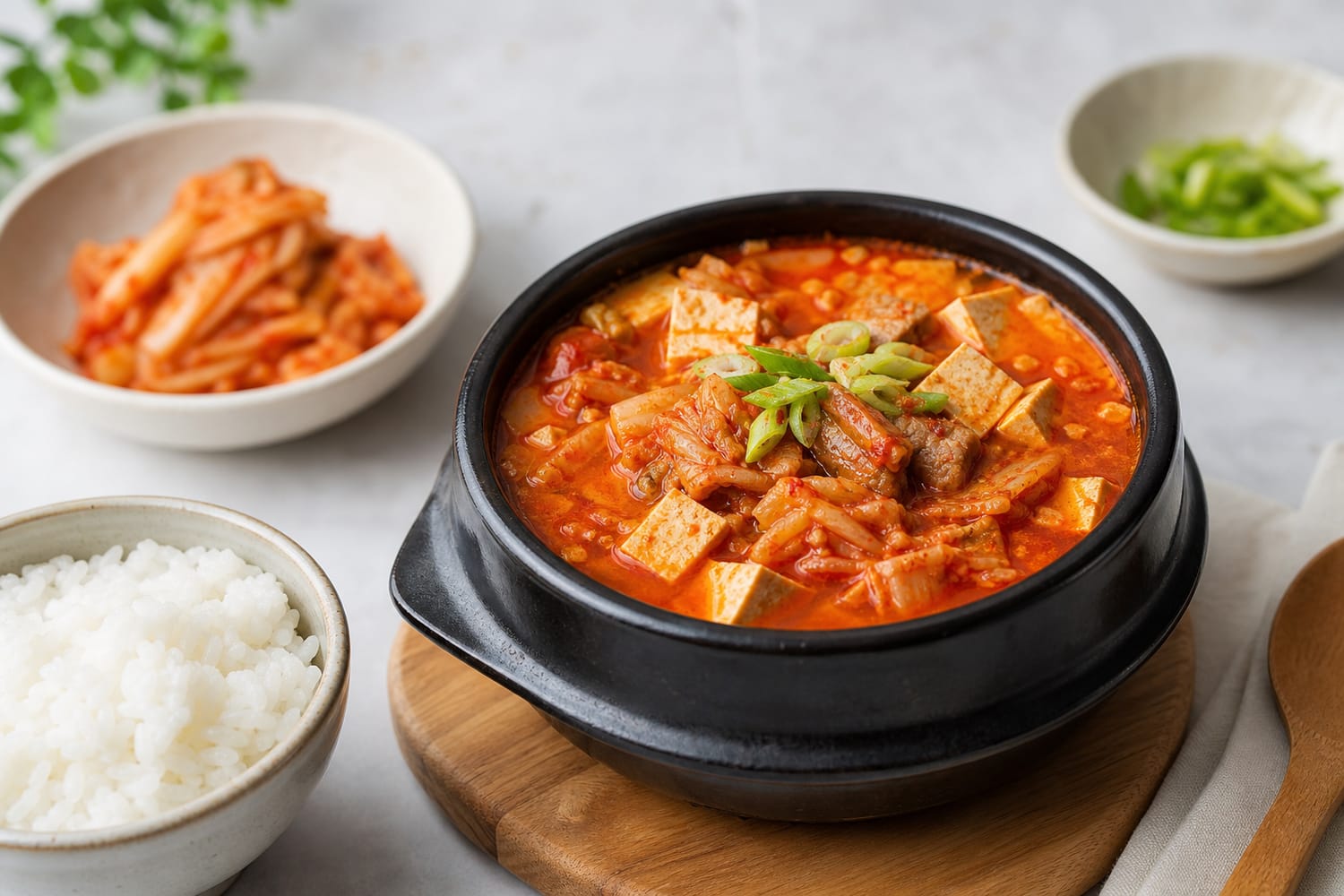
Kimchi jjigae is a Korean stew commonly made with kimchi and ingredients such as pork, tofu, onions, scallions, and garlic. Its bold, tangy broth already depends on fermented flavor, making it a natural candidate for another day in the refrigerator.
As the stew rests, the tofu and meat absorb more of the spicy broth. Reheating further softens the kimchi and intensifies the savory character. Bring it back to a lively simmer and serve it with fresh rice.
Gumbo, United States
A Louisiana favorite, gumbo can feature seafood, chicken, sausage, okra, filé powder, or combinations of these ingredients. Louisiana designated gumbo as its official state cuisine in 2004, reflecting the dish’s cultural importance.
A night’s rest allows the roux-based broth to settle around the meat, vegetables, and seasonings. Sausage gumbo is especially rewarding the next day because its smoky flavor spreads through the pot. If making seafood gumbo ahead, consider adding delicate shellfish during reheating to avoid overcooking it.
Doro Wat, Ethiopia
Doro wat is a long-simmered Ethiopian chicken stew seasoned with berbere, onions, and spiced clarified butter. Its powerful combination of chile heat and aromatic spices can taste even more balanced after resting overnight.
The sauce becomes thicker and more deeply infused, while the chicken absorbs additional flavor. Reheat it gently and serve it with fresh injera, whose tangy, spongy surface is perfect for gathering the rich sauce. Hard-boiled eggs can be warmed directly in the stew.
Turning Leftovers Into a Second Culinary Journey
These dishes are useful reminders that food does not always peak the moment it leaves the stove. Braises, curries, bean dishes, and layered casseroles often benefit from time, making them excellent choices for entertaining, meal preparation, or relaxed travel-inspired dinners. Explore more ideas through Tour Trivia’s collection of must-try dishes from around the world.
Safe storage remains essential. Refrigerate perishable food promptly in shallow, covered containers, and thoroughly reheat leftovers to an internal temperature of 165°F. The USDA’s reheating guidance also recommends stirring or rotating microwaved food so it heats evenly.
With thoughtful storage and careful reheating, tomorrow’s meal may deliver something today’s could not: deeper flavor, easier serving, and the pleasure of discovering that the best bite was worth the wait.