
Where the Meal Becomes the Main Event
Some dishes do more than arrive at the table—they hiss, bubble, smoke, melt, and transform before your eyes. From communal hot pots to flaming cheese, these meals turn dinner into a multisensory experience. They also reveal how cooking and sharing food can reflect the traditions of a destination, making them memorable additions to any culinary journey.
Swiss Cheese Fondue
Few foods create a cozier scene than cheese fondue. A ceramic pot called a caquelon holds a bubbling blend of melted cheese, traditionally kept warm over a small burner. Diners spear cubes of bread with long forks and swirl them through the rich mixture.
Although recipes vary, Swiss versions frequently feature cheeses such as Gruyère and Vacherin, sometimes enhanced with white wine, garlic, or kirsch. Switzerland Tourism’s guide to typical Swiss food explains how fondue remains one of the country’s best-known specialties.
Raclette in the Swiss Alps
Raclette provides another gloriously molten Swiss experience, but the cheese is heated and scraped rather than stirred in a pot. Traditionally, the exposed side of a half wheel is warmed near a fire before its softened surface is scraped over boiled potatoes.
Modern restaurants may place small raclette grills on the table, allowing diners to melt individual slices. Pickled onions, gherkins, bread, and cured meats help balance the cheese’s richness. The dish is especially associated with Valais, where traditional raclette is melted over wood or charcoal fire.
Korean Barbecue
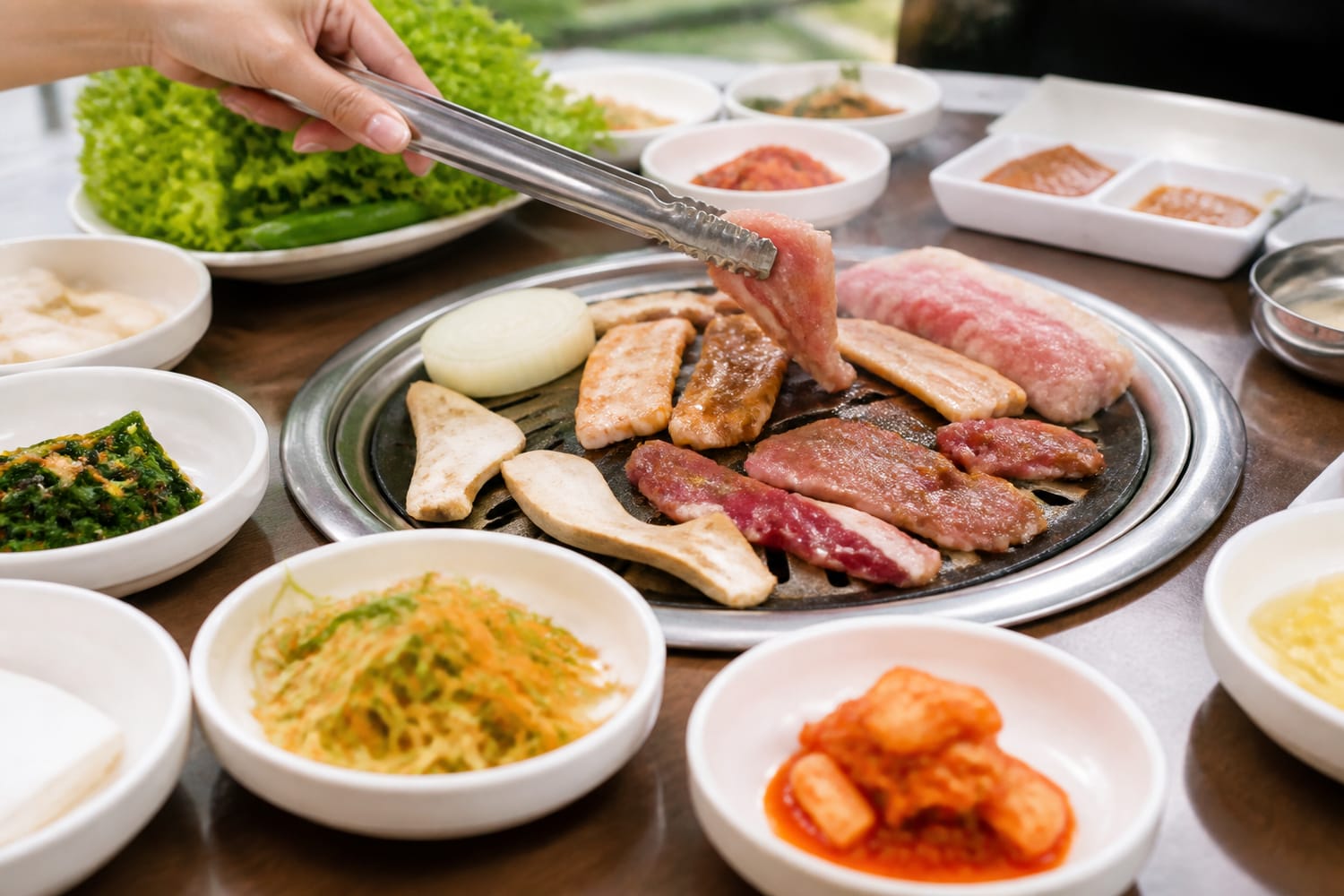
Korean barbecue places the grill at the center of both the table and the conversation. Thinly sliced beef, pork belly, short ribs, mushrooms, and vegetables cook just inches from the diners, often with restaurant staff assisting.
The cooked meat may be wrapped in lettuce with garlic, rice, chile, and ssamjang, a deeply savory dipping paste. An assortment of banchan, or small side dishes, completes the feast. This interactive format helps make Korean barbecue a social occasion rather than simply another restaurant meal. Food Network offers a useful overview of the Korean barbecue experience.
Chinese Hot Pot
At a hot pot restaurant, a vessel of simmering broth becomes the table’s centerpiece. Diners add thin pieces of meat, seafood, tofu, dumplings, noodles, mushrooms, and leafy vegetables, removing each ingredient when it reaches the desired tenderness.
Broths range from mild and aromatic to fiery Sichuan preparations loaded with chiles and numbing peppercorns. Some restaurants offer divided pots so the table can enjoy contrasting flavors. Like many dining traditions from around the globe, hot pot emphasizes conversation, sharing, and eating at an unhurried pace.
Japanese Sukiyaki
Sukiyaki is a Japanese hot-pot dish in which thin slices of beef cook alongside tofu, mushrooms, green onions, noodles, and vegetables. The ingredients simmer in a sweet-savory mixture commonly made with soy sauce, sugar, and mirin.
Rather than being completed in the kitchen, the dish continues cooking in a shallow pot at the table. Ingredients can be added gradually, letting guests enjoy several rounds. Japanese regional styles differ, but sukiyaki’s combination of beautifully marbled beef and intensely flavored broth makes it especially satisfying on cold evenings.
Teppanyaki from the Iron Griddle
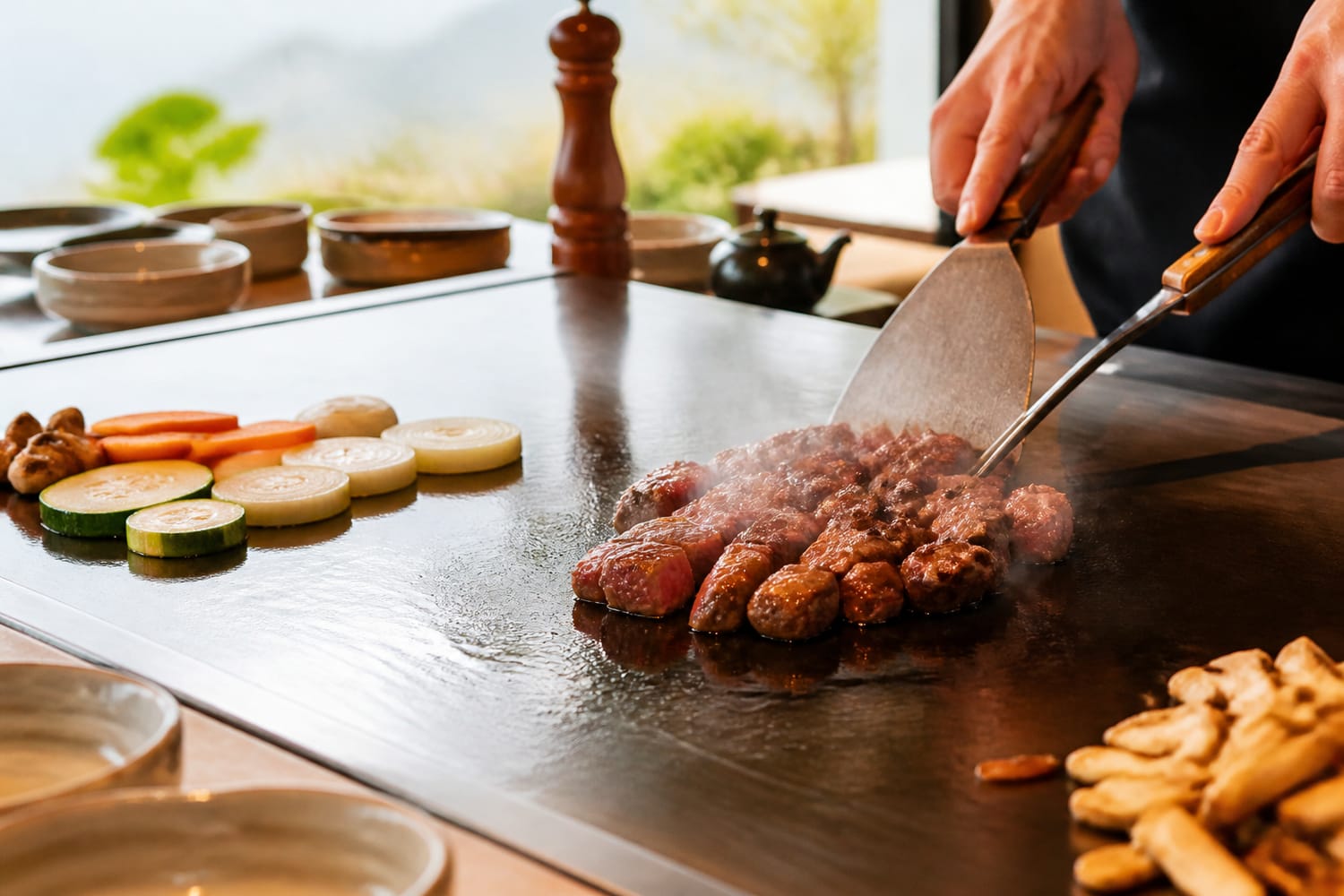
Teppanyaki brings guests close to the heat of a flat iron griddle, where a chef prepares steak, seafood, vegetables, noodles, or fried rice. The ingredients remain visible throughout the process, allowing diners to watch their meal develop from raw components into sizzling portions.
In many restaurants outside Japan, teppanyaki also includes a theatrical performance featuring rapid chopping, utensil tricks, and bursts of flame. However elaborate the presentation becomes, the attraction begins with eating food almost immediately after it leaves the hot surface. The Japan National Tourism Organization’s guide to wagyu describes teppanyaki as cooking directly in front of diners.
Sizzling Fajitas
The arrival of fajitas can be heard before it is seen. Strips of grilled meat, peppers, and onions come to the table on a scorching metal platter, releasing clouds of fragrant steam as juices and seasonings hit the surface.
Guests build their own tortillas using the sizzling filling, salsa, guacamole, cheese, or sour cream. While the ingredients have usually finished cooking, the retained heat continues to char the edges and intensify the aroma. That dramatic entrance has made sizzling fajitas a familiar feature of Tex-Mex restaurants.
Dolsot Bibimbap
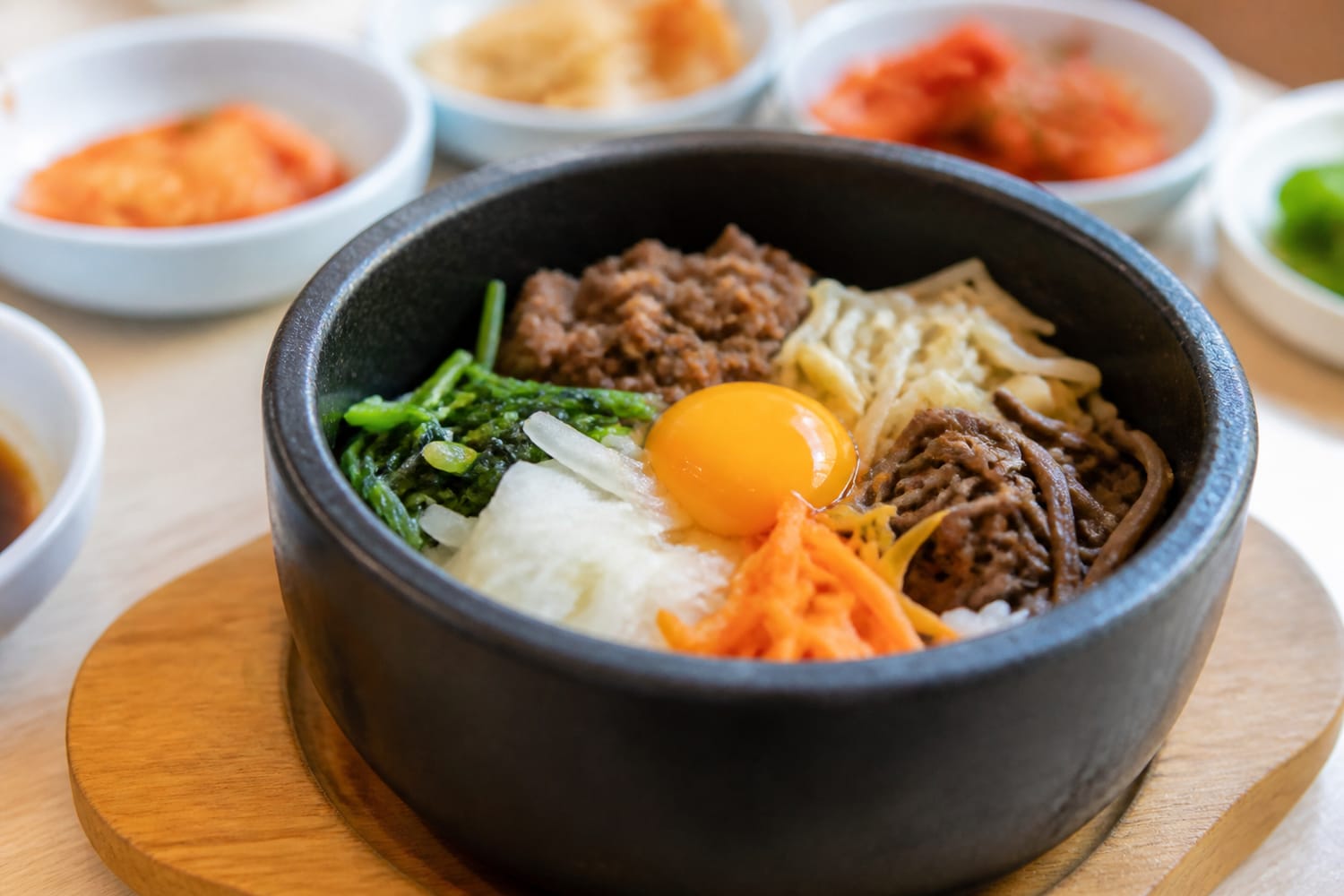
Standard bibimbap combines rice with vegetables, meat, egg, and spicy sauce, but dolsot bibimbap adds a heat-retaining stone bowl. The vessel arrives extremely hot, continuing to cook the ingredients as the diner stirs everything together.
Its greatest reward hides at the bottom, where the rice develops a golden, crunchy crust. Mixing the dish immediately distributes the sauce and partially cooks a raw or lightly prepared egg, while waiting briefly produces more crisp rice. The combination of textures makes every spoonful slightly different.
Filipino Sizzling Sisig
Sisig is closely associated with Pampanga in the Philippines and is often served on a searing cast-iron plate. Chopped pork is combined with onions, citrus, and chiles, producing a dish that is savory, tangy, spicy, and rich at once.
Depending on the restaurant, an egg may be cracked on top just before serving. The platter’s heat then cooks the egg as it is mixed into the meat. Sisig demonstrates why seeking out local delicacies while traveling can reveal flavors and preparation methods that define a destination.
Flaming Greek Saganaki
Saganaki takes its name from the small frying pan used to prepare it. The dish typically features a firm Greek cheese that is pan-fried until golden, creating a crisp exterior around a warm, soft center.
In many Greek restaurants in North America, the cheese is flambéed beside the table and extinguished with lemon juice. This fiery presentation is not universal in Greece, but it has become a beloved part of Greek restaurant culture abroad. The flames may last only seconds, yet they transform a simple cheese course into a full dining-room spectacle.
Eating While the Story Unfolds
These dishes make heat part of the experience rather than something confined to the kitchen. Whether diners are dipping bread, grilling meat, stirring rice, or watching cheese melt, everyone becomes involved in the meal.
Travelers who want to explore these traditions more deeply can also consider taking a local cooking class abroad. Until then, follow restaurant instructions, be cautious around hot cookware, and enjoy the rare pleasure of a dinner that keeps changing after it reaches the table.