
A World Wrapped in Dough
Few foods travel as well as dumplings. Nearly every culture has found a way to wrap, fold, stuff, boil, steam, fry, or bake dough around something delicious. Some dumplings are delicate and translucent, while others are hearty enough to fuel a mountain trek. Some are everyday comfort food; others are tied to holidays, family rituals, and centuries-old traditions.
For travelers, dumplings offer a perfect bite-sized introduction to local history. They reveal what ingredients are common, what cooking techniques are cherished, and how communities gather around food. At Tour Trivia, we love dishes that come with stories, and dumplings are packed with them. Here are ten dumplings from around the world and what makes each one unique.
Chinese Jiaozi
Jiaozi are among the world’s most iconic dumplings, especially popular in northern China. They are typically made with a thin wheat-flour wrapper and filled with ground pork, cabbage, garlic chives, shrimp, mushrooms, or other savory ingredients. The dumplings can be boiled, steamed, or pan-fried, with the pan-fried version often called “potstickers” in English.
What makes jiaozi especially unique is their deep connection to Chinese New Year. Their crescent shape resembles ancient Chinese gold ingots, making them a symbol of wealth and prosperity. Families often gather to fold them together, turning the preparation into a social event. In some households, a coin may be hidden inside one dumpling, with good luck promised to the person who finds it.
Japanese Gyoza
Gyoza evolved from Chinese jiaozi but developed a distinct identity in Japan. They usually feature a thinner wrapper and a filling made with ground pork, cabbage, garlic, ginger, and garlic chives. The most popular cooking method is yaki-gyoza, where the dumplings are pan-fried until crisp on the bottom, then steamed to finish cooking the filling.
The signature contrast is what sets gyoza apart: crispy, golden bottoms with tender, chewy tops. They are often served with a dipping sauce made from soy sauce, rice vinegar, and chili oil. Gyoza are common in ramen shops, izakayas, and home kitchens, making them both casual and deeply beloved. Their small size and punchy flavor make them easy to share, though just as easy to eat by the plateful alone.
Polish Pierogi
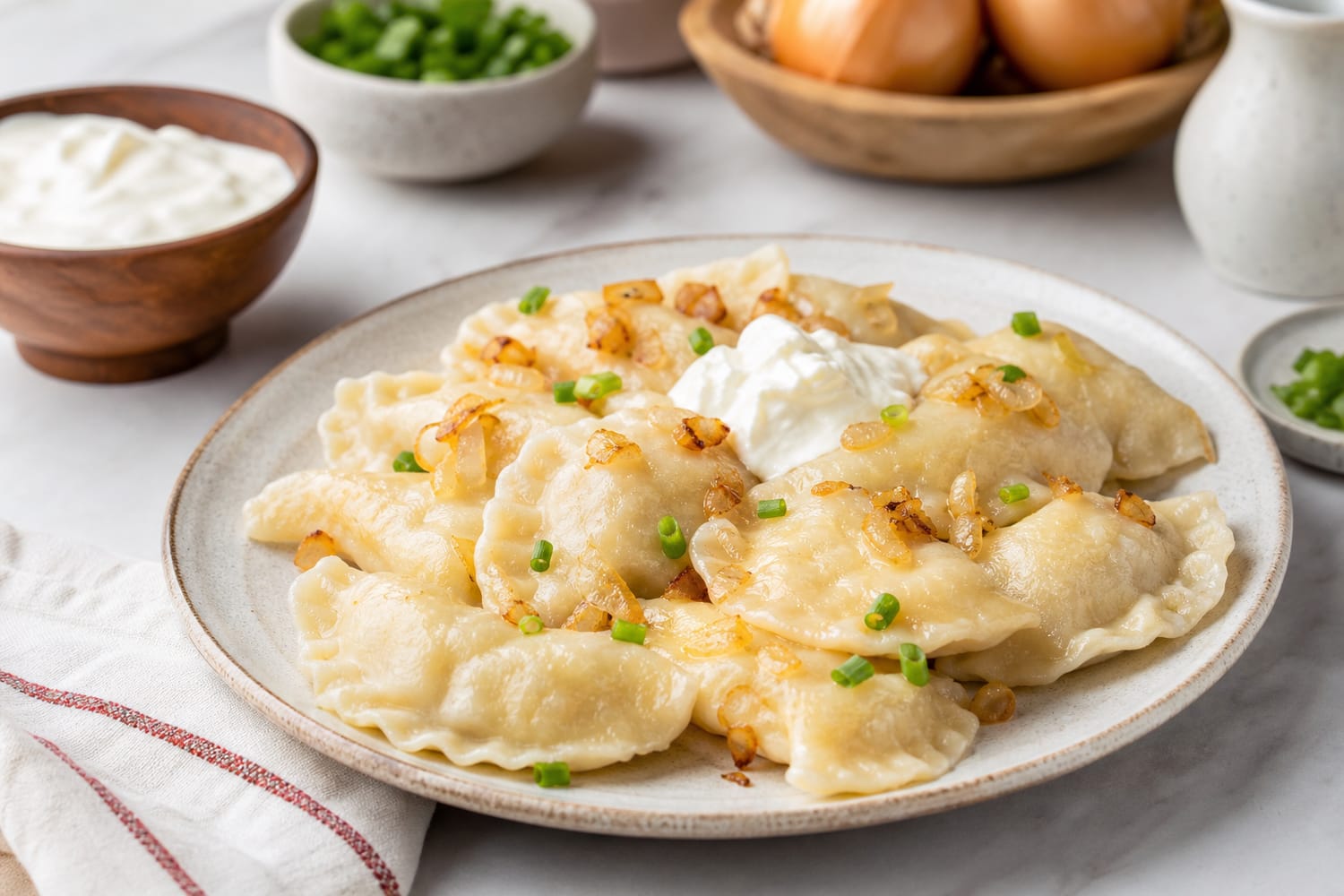
Pierogi are one of Poland’s most famous comfort foods. These half-moon dumplings are made from unleavened dough and can be stuffed with a wide range of fillings. The classic savory version includes potato and cheese, often called pierogi ruskie, while others contain sauerkraut, mushrooms, meat, or spinach. Sweet pierogi filled with berries, sweet cheese, or plums are also popular.
Their uniqueness lies in their versatility and homestyle character. Pierogi are usually boiled, then sometimes pan-fried in butter for a slightly crisp exterior. They are commonly served with sour cream, caramelized onions, or bacon bits. Whether eaten at a holiday table or from a street stall in Kraków, pierogi feel like a warm expression of Polish hospitality.
Nepalese Momo
Momo are beloved throughout Nepal, Tibet, Bhutan, and parts of northern India. These dumplings are usually filled with minced meat such as buffalo, chicken, or pork, though vegetarian versions with cabbage, paneer, or potatoes are also common. They can be steamed, fried, or served in soup.
What makes momo stand out is the sauce. A fiery tomato-based chutney, often flavored with sesame, garlic, chili, and spices, gives momo their bold personality. In Nepal, momo are not just a snack; they are a national obsession. You’ll find them in restaurants, roadside stalls, and family kitchens. Their popularity reflects the region’s crossroads of cultures, where Tibetan influences meet South Asian spices.
Italian Ravioli
Ravioli are Italy’s elegant contribution to the dumpling world. Made from thin sheets of pasta dough, they are filled, sealed, and cut into squares, circles, or other shapes. Fillings vary widely by region and season, including ricotta and spinach, meat, pumpkin, mushrooms, or seafood.
What makes ravioli unique is how closely they are tied to regional Italian cuisine. In Lombardy, pumpkin-filled ravioli may be served with butter and sage. In coastal areas, seafood ravioli might appear with a light tomato or wine sauce. Unlike many dumplings that are dipped, ravioli are usually dressed in sauce, allowing the filling, pasta, and topping to work as one complete dish. They are refined, comforting, and endlessly adaptable.
Georgian Khinkali
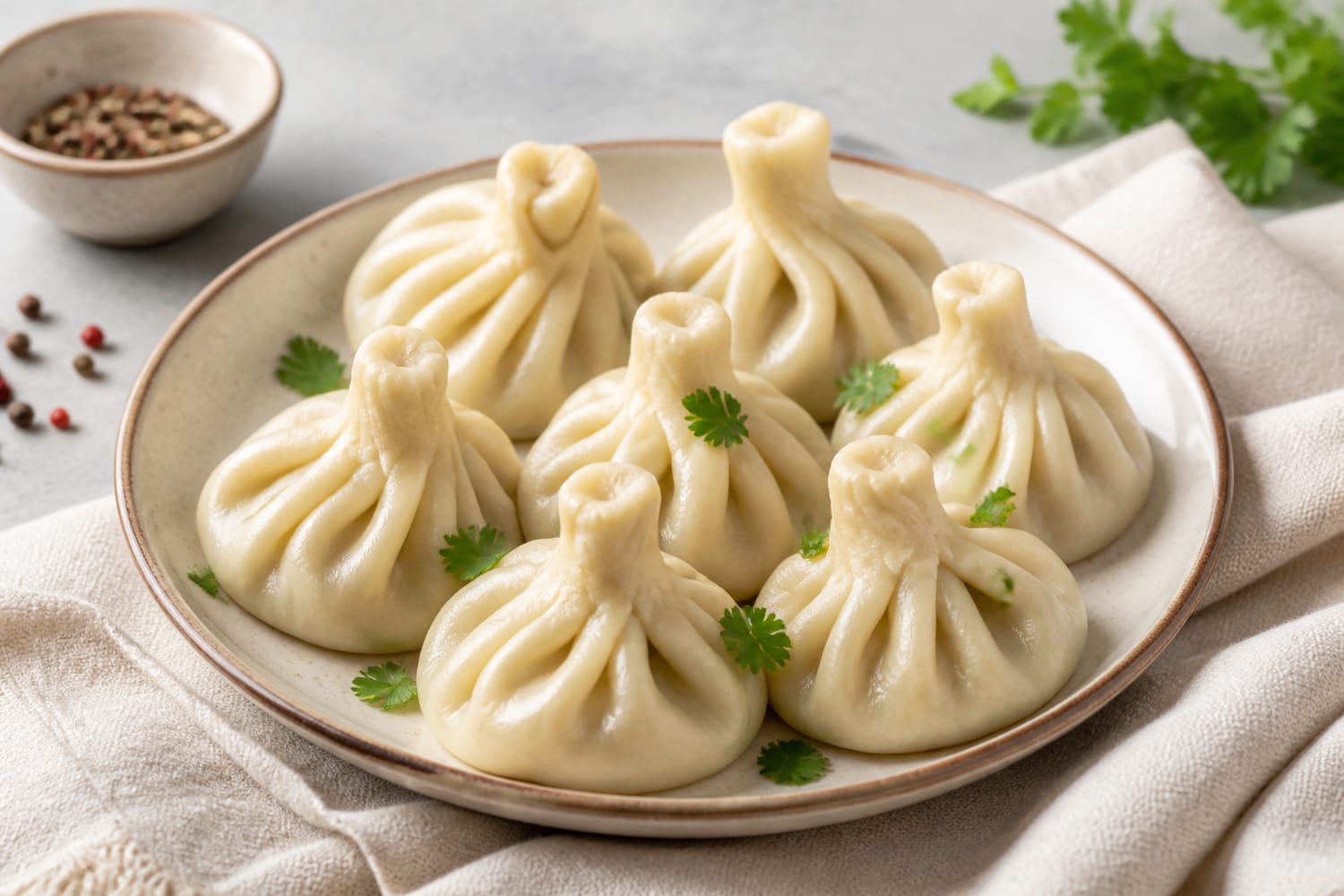
Khinkali are large soup dumplings from Georgia, instantly recognizable by their twisted topknot. Traditionally filled with spiced meat such as beef, pork, or lamb, khinkali contain hot broth inside, created as the filling cooks. They may also be made with mushrooms, cheese, or potatoes.
The most unique thing about khinkali is how they are eaten. You hold the dumpling by the topknot, take a careful bite, sip the broth, and then eat the rest. The doughy knob is often left behind on the plate, sometimes counted to show how many dumplings were conquered. Seasoned simply with black pepper, khinkali are juicy, hearty, and deeply satisfying, especially in Georgia’s cooler mountain regions.
Korean Mandu
Mandu are Korean dumplings with a long history and many regional variations. They can be filled with ground meat, tofu, kimchi, bean sprouts, glass noodles, and vegetables. Mandu may be steamed, boiled, pan-fried, or deep-fried, and they are often served with a soy-vinegar dipping sauce.
What makes mandu unique is their frequent use of kimchi and tofu, which creates a filling that is tangy, spicy, and lighter than many meat-heavy dumplings. Mandu also play a role in Korean celebrations. During the Lunar New Year, many families eat mandu-guk, a soup with dumplings and sliced rice cakes. The dish symbolizes growing older and welcoming good fortune.
Turkish Manti
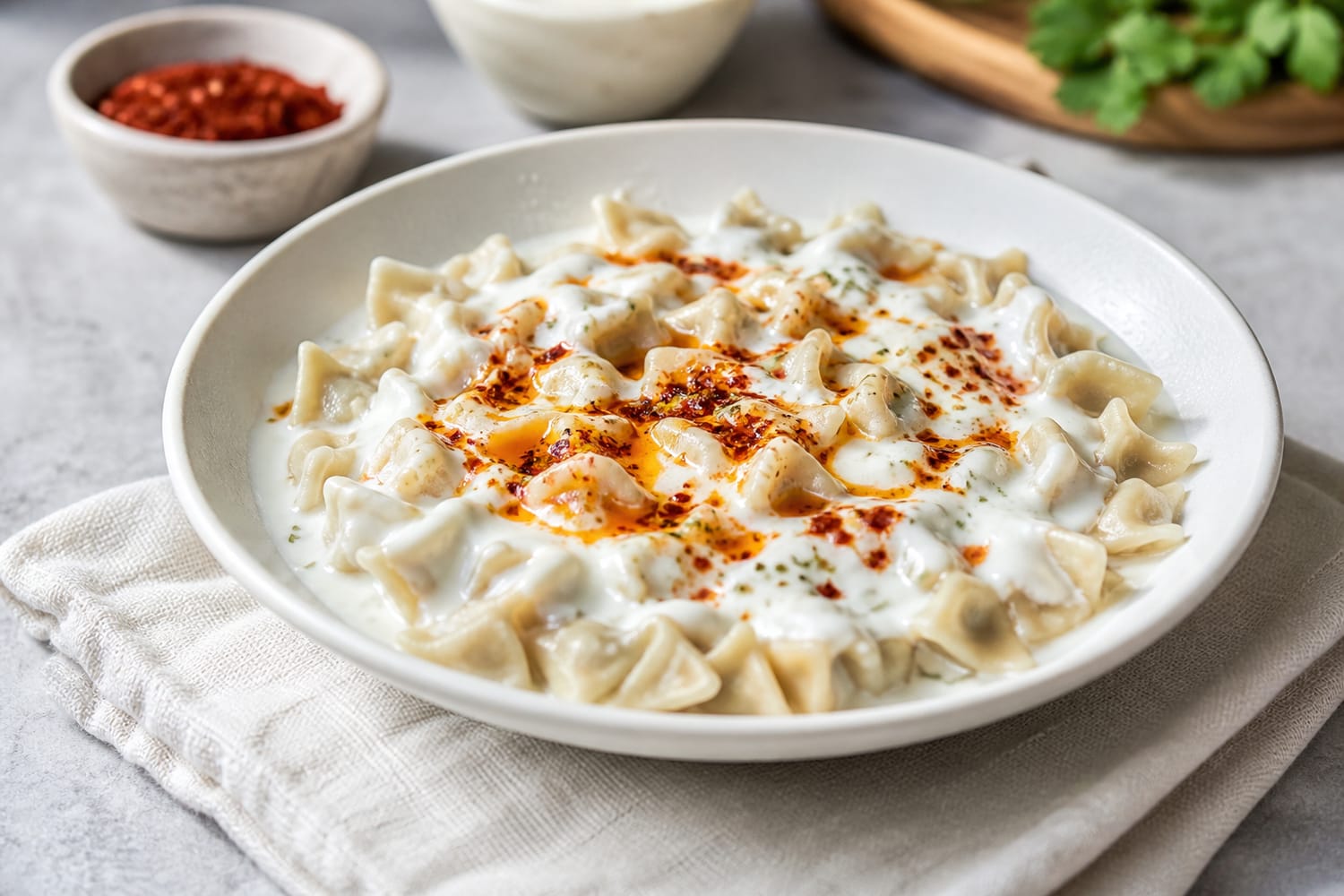
Manti are tiny Turkish dumplings, often filled with spiced lamb or beef. They are usually boiled and served under a generous topping of garlicky yogurt, melted butter, paprika, and sometimes dried mint or sumac. Similar dumplings are found across Central Asia and the Caucasus, but Turkish manti have their own distinctive style.
Their small size makes them remarkable. In some traditions, a skilled cook is praised for making manti tiny enough that many can fit on a single spoon. The combination of rich meat, cool yogurt, and spiced butter creates a striking balance of flavors. Manti are often considered a labor of love, the kind of dish made for family gatherings or special meals.
Latin American Empanadas
Empanadas are found across Latin America, with each country adding its own spin. They are made by folding dough around fillings such as beef, chicken, cheese, corn, seafood, or vegetables, then baking or frying them. Argentina, Chile, Colombia, Mexico, and many other countries all have beloved versions.
What makes empanadas unique is their portability and regional diversity. Argentine empanadas might include beef, olives, hard-boiled egg, and spices, while Colombian empanadas are often made with corn dough and fried until crisp. Chilean empanadas de pino are filled with beef, onion, raisins, olives, and egg. More than just dumplings, empanadas are travel-friendly meals, party staples, and cultural signatures wrapped in golden dough.
Indian Modak
Modak are sweet dumplings closely associated with the Hindu festival of Ganesh Chaturthi. They are especially popular in Maharashtra, India, where they are offered to Lord Ganesha, who is said to love them. The outer shell is often made from rice flour, while the filling contains coconut and jaggery, sometimes flavored with cardamom or nutmeg.
What makes modak unique is their spiritual significance. While many dumplings are tied to family or seasonal tradition, modak are also devotional offerings. They can be steamed, known as ukadiche modak, or fried for a richer texture. Their pleated shape is beautiful, and their filling is fragrant, sweet, and festive. Eating modak connects flavor with faith, celebration, and gratitude.
One Dish, Many Stories
Dumplings prove that great culinary ideas can appear in many forms across the globe. A simple wrapper and filling can become jiaozi for New Year luck, khinkali filled with broth, pierogi served with sour cream, or modak offered during a sacred festival. Each dumpling reflects geography, tradition, and local taste.
For curious travelers, dumplings are more than food. They are edible souvenirs, cultural clues, and conversation starters. Whether you are wandering a night market in Asia, visiting a family kitchen in Europe, or sampling street food in Latin America, dumplings invite you to slow down and savor the story inside.