
From Status Symbols to Supermarket Staples
Many foods now tucked into lunchboxes, stirred into morning drinks, or purchased during an ordinary grocery run were once reserved for royalty and wealthy households. Scarcity, costly transportation, intensive labor, and limited preservation methods made familiar ingredients extravagant. Their transformation into staples reveals how trade, technology, agriculture, and changing tastes reshaped the global table.
Food does not always move from humble to glamorous. As Tour Trivia’s look at iconic dishes with surprisingly humble origins shows, culinary history can travel in the opposite direction, too.
Sugar
For centuries, refined sugar was an expensive import in much of Europe. Wealthy diners displayed it in elaborate sculptures at banquets, using sweetness as a conspicuous sign of status. Sugar bowls were sometimes made with locks because their contents were valuable enough to protect.
Expanding colonial plantations eventually increased the supply, but at a devastating human cost. Production relied heavily on the labor of enslaved people in the Caribbean and Americas. Industrial refining and global distribution later helped turn this former luxury into an everyday ingredient found in drinks, cereals, sauces, and baked goods.
Black Pepper
A pepper grinder is an unremarkable sight today, but pepper and other imported spices once advertised a household’s wealth. Transporting them from Asia required lengthy, dangerous journeys through networks of merchants, ports, and overland routes.
In medieval Europe, affluent hosts seasoned food generously partly because doing so demonstrated that they could afford foreign goods. Expensive spices enlivened preserved meat and fish while impressing visitors. Their value encouraged European powers to pursue new maritime trade routes, eventually making pepper much easier to obtain.
Chocolate
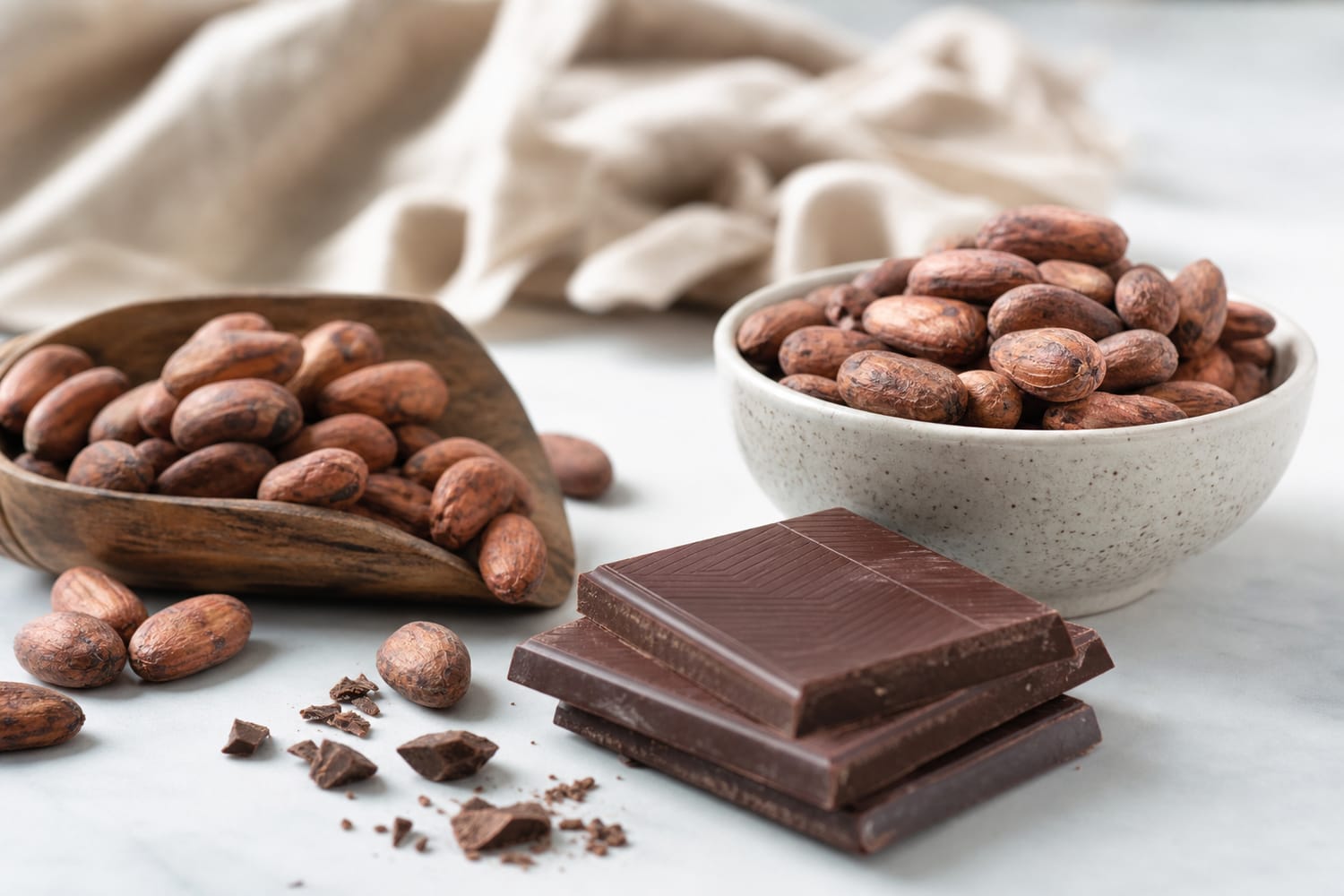
Chocolate began as a culturally important Mesoamerican food rather than a European candy. Among the Maya and Aztecs, cacao drinks were closely associated with elites, ceremonies, and political power. Cacao beans could even function as currency.
After chocolate reached Europe, its imported ingredients and specialized preparation kept it largely within aristocratic circles. Wealthy drinkers served it in decorative pots, sometimes mixing it with costly sugar and spices. Mechanized processing, the cocoa press, and factory production eventually produced affordable bars and powders, transforming chocolate into a widely available treat. The Metropolitan Museum of Art explores how chocolate, coffee, and tea inspired European luxury goods.
Tea
Tea bags may be inexpensive, but early European tea drinkers paid handsomely for leaves shipped from China. During the 17th and early 18th centuries, tea was associated with fashionable gatherings, porcelain cups, silver pots, and refined social rituals.
As imports increased, prices fell and tea spread beyond elite households. It became particularly important in Britain, where the teapot evolved into a centerpiece of domestic hospitality. Tea’s popularity also became entangled with colonial expansion, taxation, smuggling, and international politics.
Coffee
Coffee’s global journey took it from northeastern Africa and the Arabian Peninsula into the Ottoman world and Europe. Imported beans were initially expensive, while purpose-made serving vessels added to the sense of sophistication surrounding the beverage.
Coffeehouses gradually made the drink more accessible, creating public spaces where people could exchange news, conduct business, and debate ideas. Expanding cultivation across tropical colonies and improvements in shipping eventually lowered prices. Today, coffee remains a daily ritual, although specialty beans and elaborate brewing methods can still restore some of its old luxury appeal.
Pineapple
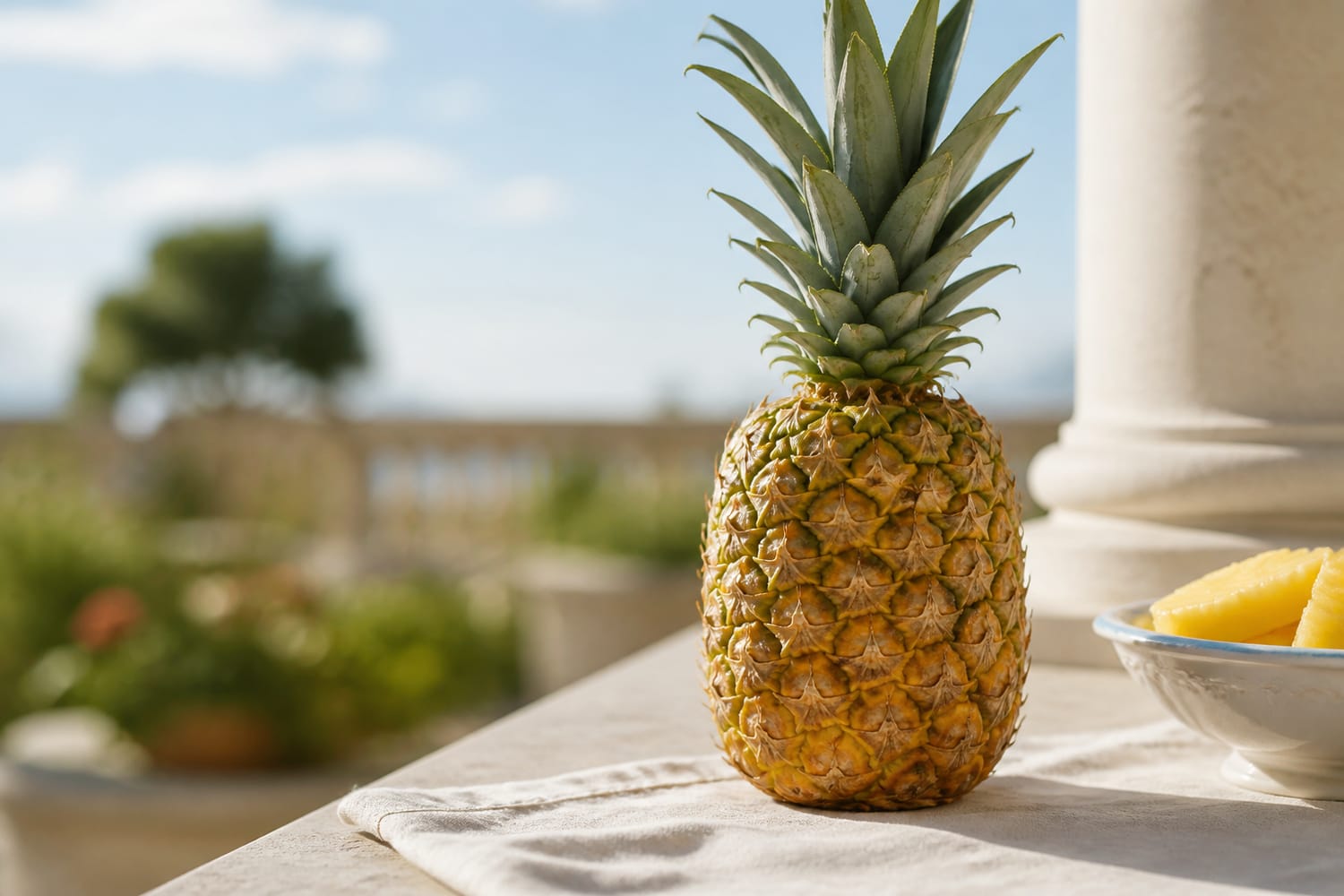
Few foods announced wealth as dramatically as the pineapple. When the fruit reached Europe, long voyages and rapid spoilage made fresh specimens exceptionally rare. Growing pineapples locally required heated greenhouses, skilled gardeners, and considerable expense.
In Britain, hosts sometimes displayed pineapples at dinner without cutting them. Some people reportedly rented the fruit for special occasions or carried one as a fashionable accessory before returning it. Improved shipping, tropical plantations, refrigerated transportation, and canning eventually moved pineapple from grand centerpieces to fruit salads and pizza toppings. The fruit’s extraordinary status is detailed in the history of “King Pine,” the luxury pineapple.
Ice Cream
Before electric refrigeration, producing ice cream required far more than cream and sugar. Ice had to be collected during winter, transported over long distances, or stored in insulated ice houses. The mixture then needed to be churned by hand with ice and salt.
These demands made frozen desserts natural additions to aristocratic banquets and fashionable parties. During the 19th century, improved equipment and commercial ice supplies widened access. Mechanical refrigeration and household freezers completed the transformation, placing tubs of ice cream within easy reach of ordinary shoppers.
White Bread

The soft white loaf has not always been the most ordinary bread on the shelf. Producing pale flour required carefully removing the grain’s bran and germ, making it more refined and generally more expensive than darker alternatives.
In medieval and early modern Europe, fine white wheat rolls were served at elite tables, while servants and poorer households ate coarser loaves made with barley, oats, beans, or mixed grains. Industrial milling later made white flour cheaper and more consistent. Its status gradually reversed as whole-grain bread became associated with nutrition and premium baking.
Chicken
Chicken was once a special-occasion meat in the United States. Farm families primarily kept hens for eggs, eating the birds only after their productive years had ended. Young, tender chickens were scarce and often sold to upscale restaurants, luxury caterers, or first-class railway dining cars.
Specialized breeding, refrigerated transportation, industrial farming, and modern processing changed that pattern during the 20th century. By the 1950s, affordable roasting chickens were becoming widely available. The Smithsonian’s history of chickens and the changing American diet traces this remarkable shift from delicacy to weeknight dinner.
Salmon
Before modern aquaculture, salmon supplies depended heavily on wild, seasonal catches. Away from productive rivers and coastal fishing regions, fresh salmon could command high prices and appear mainly in wealthy homes, hotels, and fine restaurants.
Commercial salmon farming expanded rapidly from the 1970s onward. Controlled breeding, net pens, improved feed, freezing, and international transportation created a more consistent year-round supply. Although wild salmon can still be expensive, farmed salmon has become familiar in supermarkets, casual restaurants, and sushi counters around the world.
Luxury Is Always Changing
The stories behind these foods show that luxury often depends less on flavor than on access. A rare fruit, imported spice, refined loaf, or frozen dessert becomes ordinary when production and transportation improve. Exploring dining traditions from around the globe offers another reminder that what feels commonplace in one era or culture may represent wealth, hospitality, or celebration in another.