
The People Hiding on the Menu
Some of the world’s most familiar foods are edible monuments. They honor aristocrats, performers, restaurateurs, artists, and accidental inventors whose names outlived them on menus around the globe. Like many tales in culinary history, these stories blend documented facts with colorful legends—but that only makes them more delicious to explore.
The Sandwich and John Montagu
People placed food inside bread long before 18th-century England, but the word “sandwich” is associated with John Montagu, the fourth Earl of Sandwich. According to the popular story, Montagu wanted meat tucked between pieces of bread so he could eat without interrupting a gambling session.
The exact circumstances remain uncertain, yet Montagu unquestionably helped give the convenient meal its English name. Diners supposedly began requesting “the same as Sandwich,” transforming an aristocratic title into an everyday noun. The fuller history of the sandwich suggests that he popularized the format rather than invented it.
Caesar Salad and Caesar Cardini
Despite the imperial-sounding name, Caesar salad has nothing directly to do with Julius Caesar. It honors Caesar Cardini, an Italian-born restaurateur who operated restaurants in Mexico and the United States.
The generally accepted account places its creation at Cardini’s Tijuana restaurant in 1924. When a busy holiday weekend depleted the kitchen’s supplies, he reportedly assembled romaine lettuce, croutons, Parmesan, egg, olive oil, Worcestershire sauce, and other available ingredients. It was prepared tableside, adding entertainment to the experience. Cardini’s brother and employees later inspired competing versions of the story, but Caesar’s name stuck.
Nachos and Ignacio “Nacho” Anaya
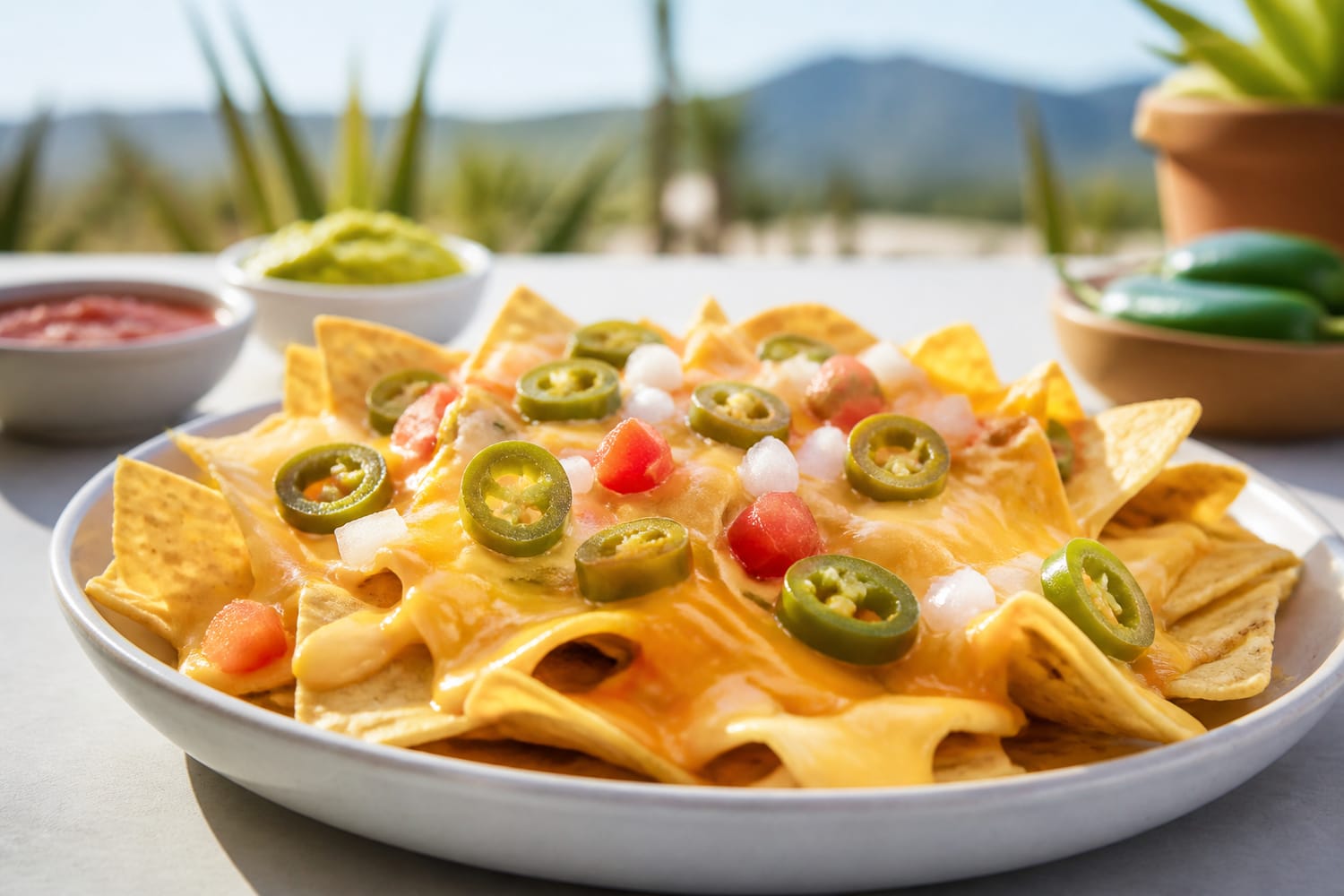
Nachos began as an improvised snack rather than the towering combination platter served in many restaurants today. In 1943, a group of American military wives visited the Victory Club in Piedras Negras, Mexico. With the chef unavailable, maître d’ Ignacio Anaya quickly topped fried tortilla pieces with cheese and sliced jalapeños.
Anaya’s nickname was “Nacho,” a common diminutive of Ignacio. He called his creation Nachos Especiales, eventually shortened to “nachos.” The Smithsonian’s history of nachos also explains how a later concession-stand version helped make them an American stadium staple.
Pizza Margherita and Queen Margherita
The classic Margherita pizza is traditionally linked to Queen Margherita of Savoy. According to the famous account, Neapolitan pizzaiolo Raffaele Esposito prepared several pizzas for the queen during an 1889 visit to Naples. Her favorite reportedly featured tomatoes, mozzarella, and basil—the red, white, and green of Italy’s flag.
Food historians have questioned whether this royal tasting happened exactly as later described. Similar pizzas existed before the queen’s visit, and the surviving evidence leaves room for doubt. Nevertheless, her name became permanently associated with the combination. It is a fitting chapter in the wider story of pizza’s journey from humble food to global favorite.
Peach Melba and Nellie Melba
Peach Melba was named for acclaimed Australian soprano Nellie Melba, whose real name was Helen Porter Mitchell. Celebrated French chef Auguste Escoffier created the dessert while working in London during the 1890s.
The original presentation was suitably theatrical. Peaches and vanilla ice cream were served in a silver dish with an ice sculpture of a swan, inspired by Wagner’s opera Lohengrin, in which Melba had performed. Escoffier later refined the dessert by adding sweetened raspberry purée. The result was colorful, elegant, and light enough to ensure the singer’s stage name remained famous far beyond the opera house.
Pavlova and Anna Pavlova
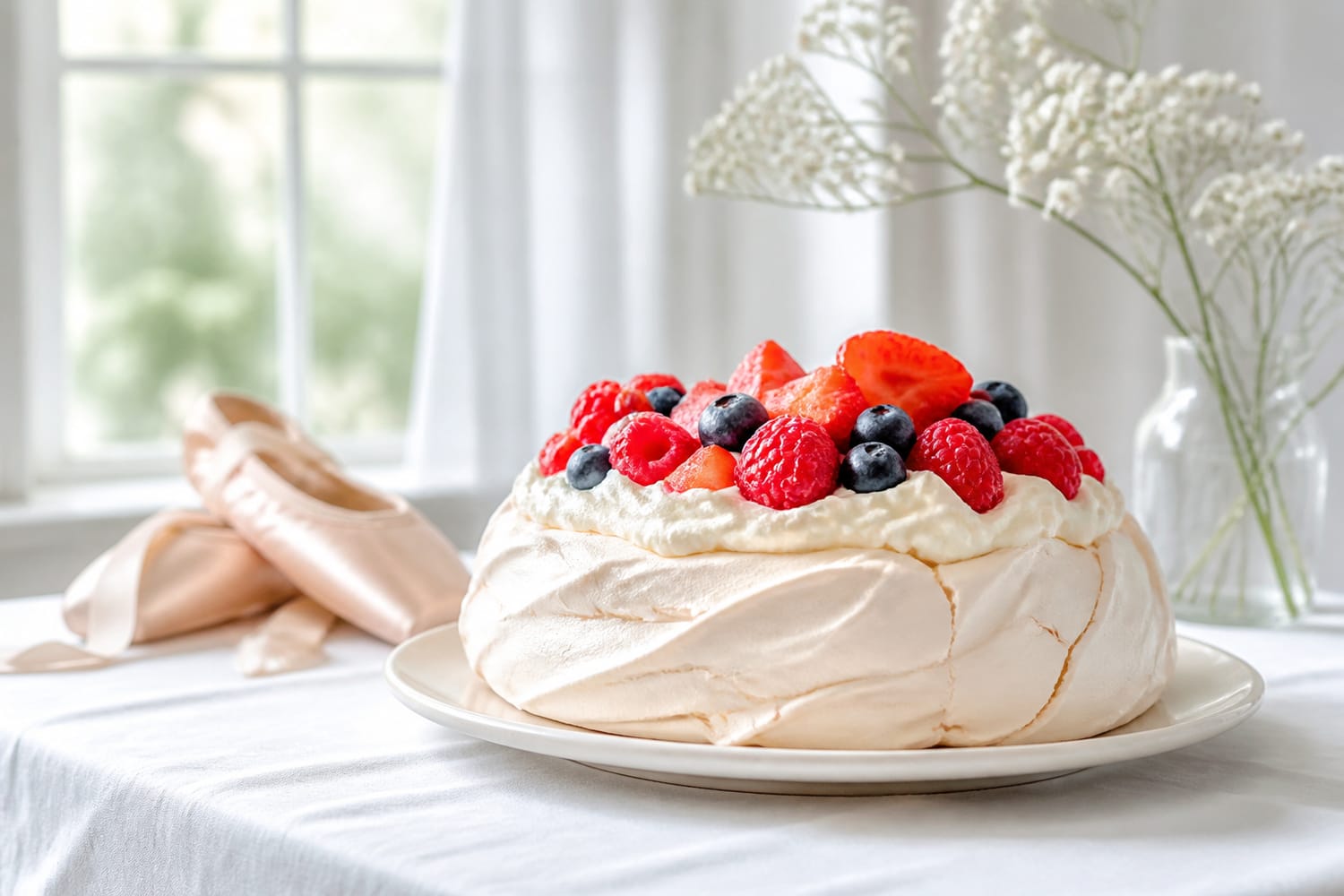
With its crisp meringue shell, marshmallow-like center, whipped cream, and fresh fruit, pavlova seems to imitate the lightness of a dancer. That is appropriate because it was named for Russian ballerina Anna Pavlova, one of the early 20th century’s greatest international stars.
The dessert appeared following her successful tours of Australia and New Zealand during the 1920s. Both countries have long claimed it as their own, and historians continue debating where the recognizable modern recipe first emerged. There is less disagreement about its namesake: Pavlova’s graceful performances inspired numerous culinary tributes, but the meringue dessert became the enduring one.
Fettuccine Alfredo and Alfredo Di Lelio
Authentic Roman fettuccine Alfredo is much simpler than the cream-heavy versions common in the United States. Its essential ingredients are fresh fettuccine, butter, and Parmesan, tossed vigorously until they form a silky coating.
Roman restaurateur Alfredo Di Lelio is credited with popularizing the dish in the early 20th century. According to family tradition, he prepared extra-rich buttered pasta to encourage his wife, Ines, to eat after giving birth. Hollywood stars Mary Pickford and Douglas Fairbanks later encountered the dish in Rome and helped spread its fame among American travelers. Alfredo’s first name ultimately became shorthand for an entire category of creamy pasta.
Carpaccio and Vittore Carpaccio
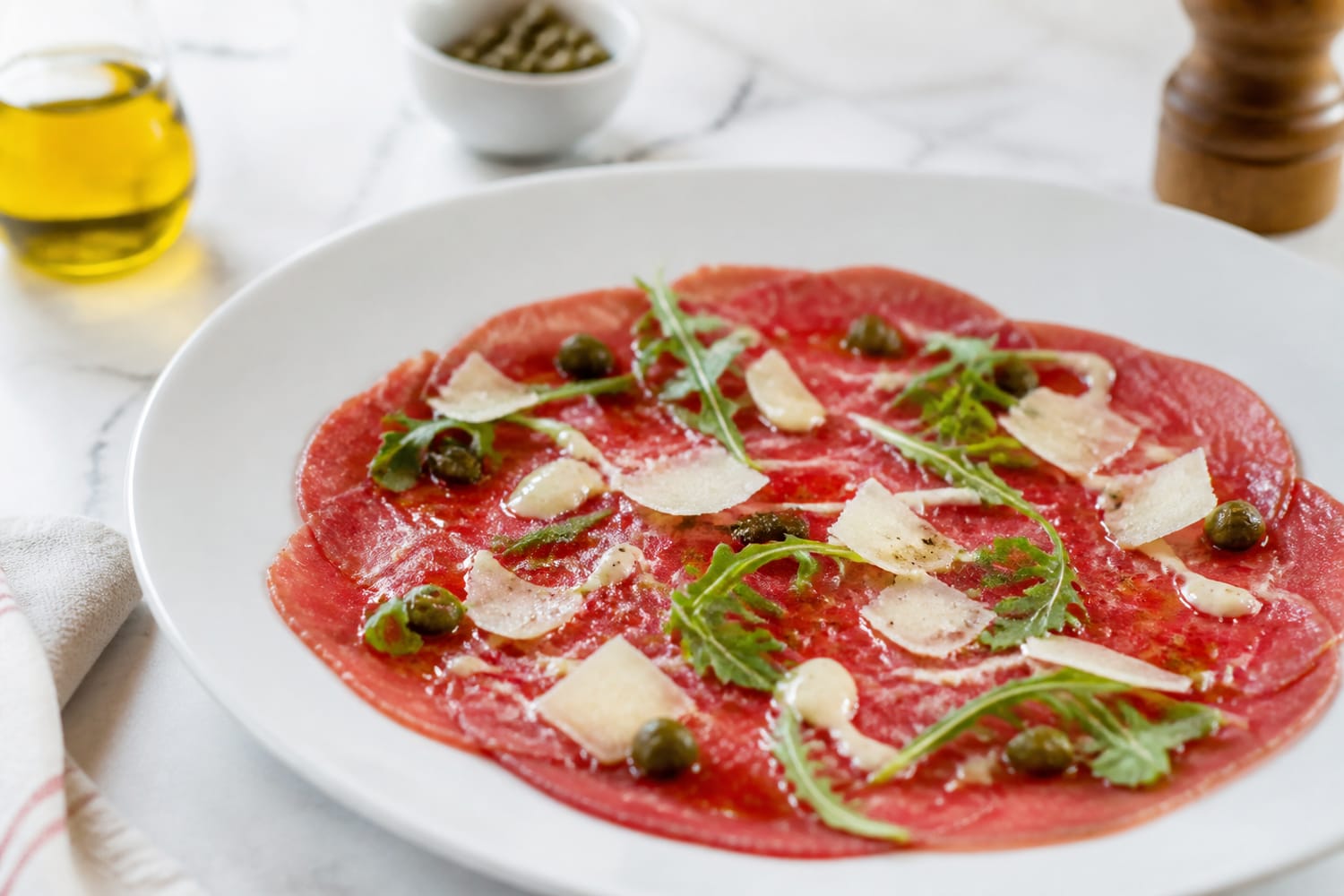
Carpaccio is unusual because it was not named after its inventor or intended recipient. Instead, its namesake was Vittore Carpaccio, a Venetian Renaissance painter who had died centuries earlier.
Giuseppe Cipriani of Harry’s Bar in Venice created the dish for a customer whose doctor had recommended eating raw meat. He served paper-thin slices of beef with a pale, tangy sauce. The meat’s vivid red tones reminded Cipriani of colors associated with Carpaccio’s paintings, which were being celebrated in a nearby exhibition. Today, “carpaccio” can describe similarly thin preparations of fish, vegetables, and fruit.
Eggs Benedict and a Mysterious Benedict
Eggs Benedict combines an English muffin, ham or Canadian bacon, poached eggs, and hollandaise sauce—but the identity of Benedict remains disputed.
One story credits Lemuel Benedict, a Wall Street broker who ordered toast, bacon, poached eggs, and hollandaise at New York’s Waldorf Hotel while seeking relief from a hangover. Another associates the dish with Mr. and Mrs. LeGrand Benedict, customers who requested something new at Delmonico’s. The competing claims may never be settled, although both place the dish in New York’s luxurious late-19th-century dining scene.
Beef Wellington and the Duke of Wellington
Beef Wellington wraps a tender beef fillet, usually accompanied by mushroom duxelles, in golden pastry. Its name is widely associated with Arthur Wellesley, the first Duke of Wellington and the British commander celebrated for defeating Napoleon at Waterloo.
The connection, however, is surprisingly murky. There is little evidence that the duke ate or inspired the dish, and meat baked in pastry existed long before his military triumph. The name may have been a patriotic rebranding of French-style beef en croûte, or perhaps the finished pastry was thought to resemble a Wellington boot. Whatever the explanation, the duke acquired a remarkably luxurious culinary legacy.
History Served by the Plateful
Eponymous dishes show how food preserves stories—even when the details become embellished over time. A quick improvisation can honor its creator, while a dessert can carry the name of a performer across generations and continents.
They also remind us not to take menu labels literally. Just as these foods conceal real personalities, many dishes named after places have unexpected origins. The next time you order Caesar salad, nachos, or fettuccine Alfredo, remember that you are not simply naming a meal. You are keeping a small piece of culinary history alive.