
Why Familiar Dishes Surprise Travelers
One of the best parts of traveling is discovering that a dish you thought you knew has an entirely different personality in its home country. Many famous foods have traveled the world, adapting to local tastes, ingredients, budgets, and restaurant trends along the way. By the time they become global favorites, they may be sweeter, heavier, spicier, cheesier, or simply more dramatic than the original version.
For curious travelers, this is great news. It means that even the most familiar dish can feel brand new when eaten where it was born. From sushi in Japan to tacos in Mexico, here are famous dishes that taste completely different in their home country.
Sushi in Japan
Outside Japan, sushi is often colorful, oversized, and loaded with sauces. Many popular rolls feature cream cheese, spicy mayo, tempura flakes, avocado, and multiple fillings wrapped into one bite. These versions can be delicious, but they are often far from traditional Japanese sushi.
In Japan, sushi is usually more restrained and focused on balance. The rice is seasoned carefully with vinegar, sugar, and salt, and the fish is meant to shine. At a traditional sushi counter, you might be served a simple piece of nigiri: a small mound of rice topped with tuna, sea bream, squid, or sea urchin. The chef may brush on soy sauce for you, and extra wasabi is often unnecessary.
The biggest difference is subtlety. Japanese sushi is less about big flavors and more about texture, freshness, temperature, and precision.
Tacos in Mexico
In many countries, tacos are associated with crispy shells, ground beef, shredded lettuce, sour cream, and lots of cheese. These versions are especially common in Tex-Mex restaurants and fast-food chains.
In Mexico, tacos are usually served on soft corn tortillas and filled with deeply flavorful meats, seafood, or vegetables. You might find tacos al pastor with marinated pork cooked on a vertical spit, carnitas with slow-cooked pork, barbacoa, grilled fish, or simple tacos filled with mushrooms and squash blossoms.
Instead of being buried under toppings, Mexican tacos are typically finished with cilantro, onion, lime, and salsa. The flavor comes from the filling, the tortilla, and the salsa working together. A fresh handmade tortilla alone can completely change your idea of what a taco is supposed to taste like.
Pizza in Italy
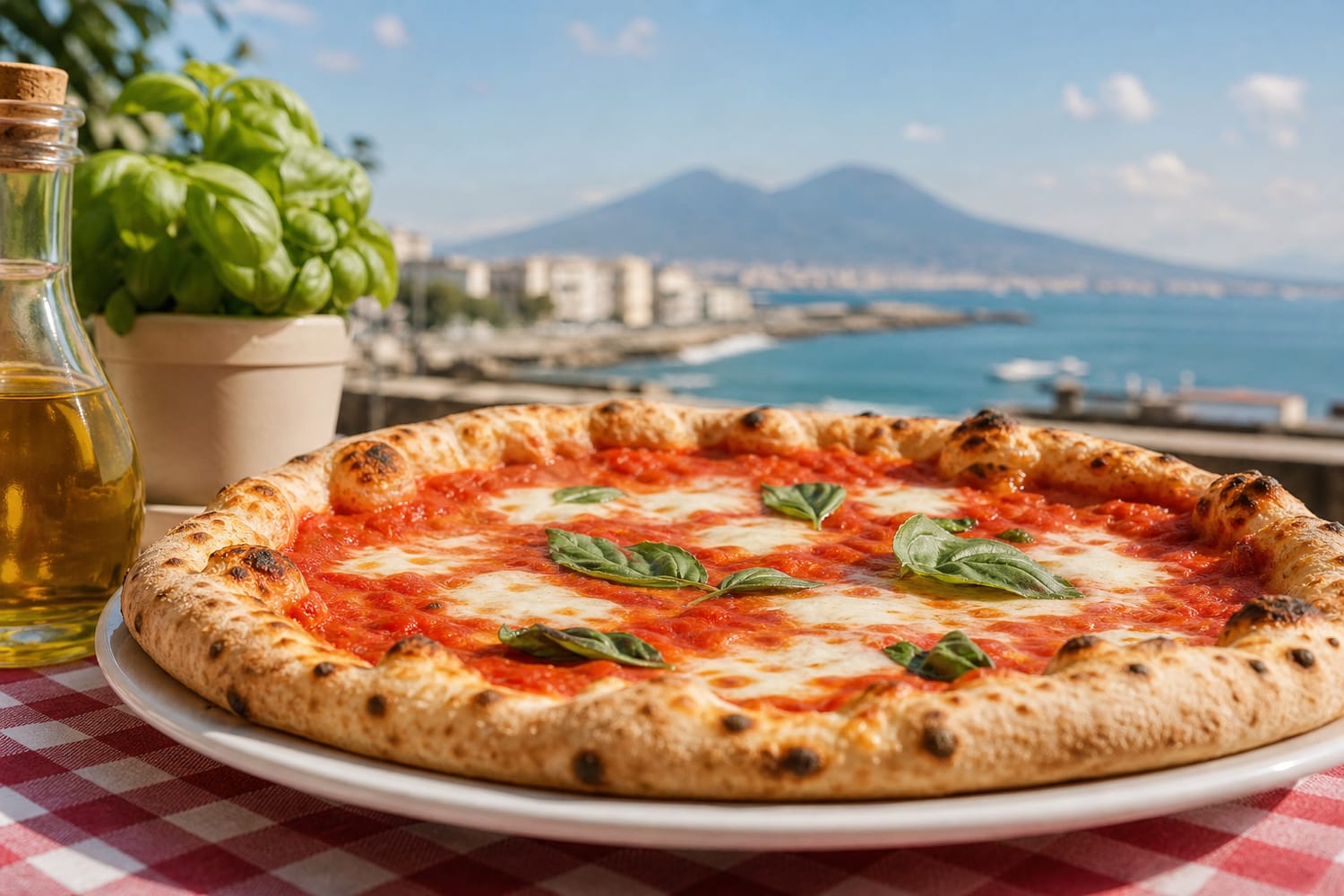
Pizza around the world can be thick, heavily topped, and dripping with cheese. In some places, pizza is treated almost like a platform for endless combinations: barbecue chicken, pineapple, stuffed crusts, ranch dressing, and more.
In Italy, especially in Naples, pizza is a simpler and more focused dish. A classic Neapolitan pizza has a soft, chewy crust with charred spots from a blazing hot wood-fired oven. The center is often tender rather than crisp, and the toppings are minimal: tomato, mozzarella, basil, olive oil, and maybe a few anchovies or mushrooms.
Italian pizza often tastes lighter than international versions. The sauce is bright, the cheese is used with restraint, and the crust is a star of the meal rather than just something holding toppings together.
Pad Thai in Thailand
Pad Thai is one of the world’s most famous Thai dishes, but restaurant versions abroad can be much sweeter and heavier than what you find in Thailand. In many countries, it is served as a saucy noodle dish with lots of sugar and a mild flavor profile designed for broad appeal.
In Thailand, Pad Thai is more balanced. It combines sweet, sour, salty, and savory flavors, often with a noticeable tang from tamarind. The noodles are stir-fried quickly, giving them a slightly smoky wok flavor. Crushed peanuts, lime, chili flakes, bean sprouts, and garlic chives add freshness and crunch.
The Thai version is rarely just “sweet noodles.” It is sharper, more aromatic, and more complex, with each diner adjusting the final flavor at the table.
Butter Chicken in India
Butter chicken has become a global comfort food, often served as a creamy, mildly spiced curry with plenty of butter and cream. Outside India, it is frequently made extra rich and sweet to suit diners who prefer less heat.
In India, particularly in Delhi where the dish originated, butter chicken can be smokier, tangier, and more layered. Traditionally, it was made with leftover tandoori chicken simmered in a tomato-based gravy with butter, spices, and cream. The tandoor gives the chicken a charred flavor that adds depth to the sauce.
The home-country version often has more acidity from tomatoes and more warmth from spices. It is still luxurious, but it may taste less sugary and more complex than many restaurant versions overseas.
Croissants in France

In many places, croissants are large, soft, and sometimes bread-like. They may be filled with chocolate, ham and cheese, almond paste, or even used as sandwich bread. While these variations can be enjoyable, they often miss the delicate texture of a classic French croissant.
In France, a good croissant is defined by its layers. It should be crisp and flaky on the outside, tender and airy inside, with a buttery aroma that is rich but not greasy. The flavor is usually less sweet than people expect.
French bakeries often sell two common types: croissants made with butter and those made with margarine or other fats. The butter version, called “croissant au beurre,” is the one many travelers dream about. Eaten fresh in the morning, it can taste worlds apart from packaged or oversized versions abroad.
Ramen in Japan
Instant noodles and international ramen shops have made ramen famous everywhere, but the dish in Japan is much more varied than many people realize. Abroad, ramen is sometimes reduced to a bowl of noodles in salty broth with a soft-boiled egg and pork.
In Japan, ramen changes dramatically by region and shop. Sapporo is known for miso ramen, Hakata for creamy tonkotsu pork broth, Tokyo for soy sauce-based shoyu ramen, and coastal areas for seafood-influenced bowls. The noodles can be thin, thick, curly, or straight, depending on the broth.
The difference is craftsmanship. In Japan, ramen broth may simmer for hours or even days, and every element has a purpose. The result can be richer, lighter, saltier, smokier, or more delicate than the ramen you know.
Greek Salad in Greece
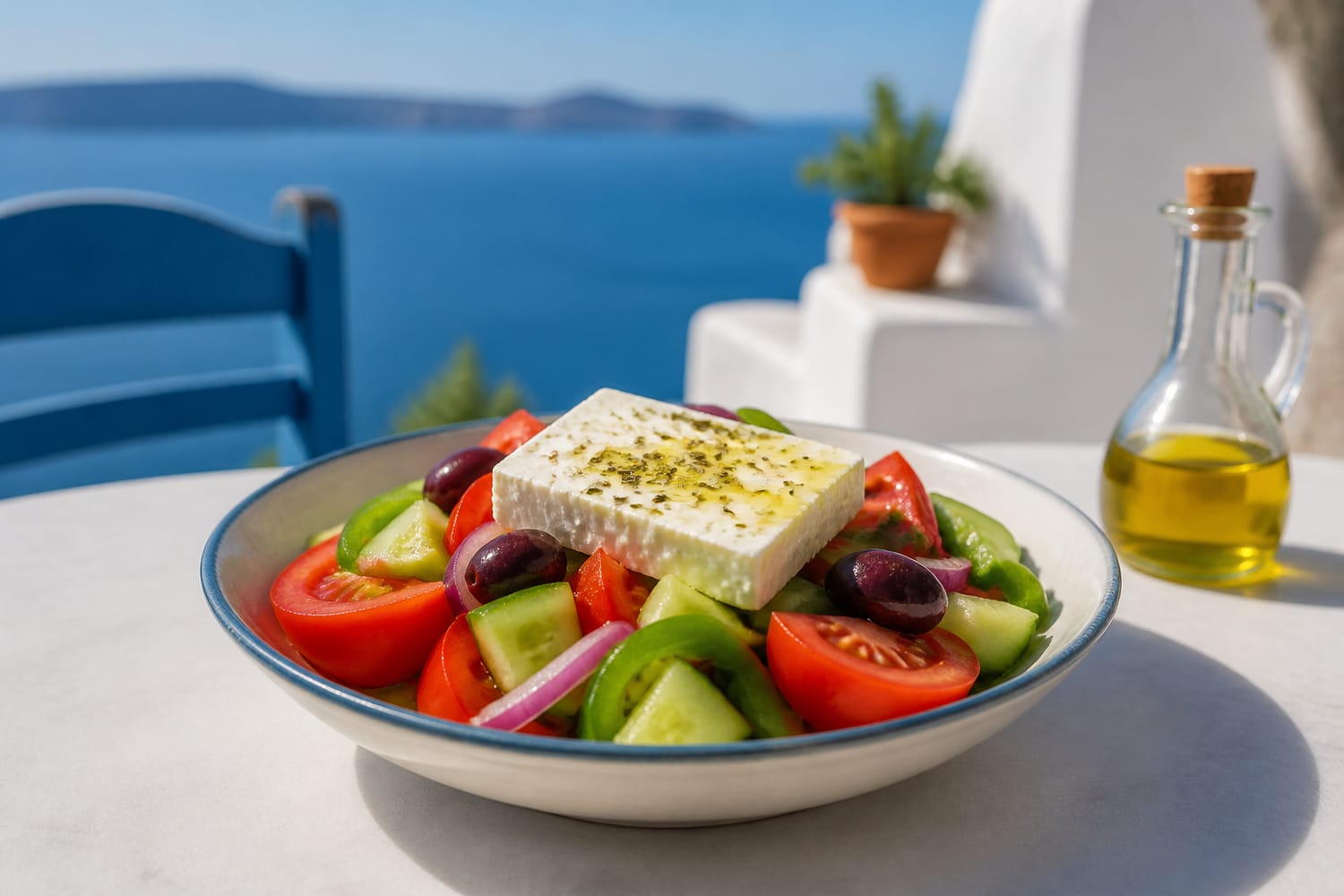
Outside Greece, Greek salad often includes lettuce, crumbled feta, olives, cucumbers, tomatoes, and a creamy dressing. It is treated like a leafy salad with Greek-inspired ingredients.
In Greece, the classic horiatiki salad is usually lettuce-free. It features chunks of ripe tomato, cucumber, green pepper, red onion, olives, and a slab of feta cheese placed on top. The dressing is simple: olive oil, oregano, and sometimes a splash of vinegar.
The flavor depends heavily on the quality of the ingredients. Sun-ripened tomatoes, briny olives, sharp feta, and grassy olive oil create something bold and refreshing. It is less of a side salad and more of a celebration of Mediterranean produce.
Paella in Spain
Many international versions of paella are bright yellow rice dishes packed with seafood, sausage, chicken, peas, and whatever else a restaurant wants to add. The result can be tasty, but it often becomes a generic mixed rice dish.
In Spain, especially in Valencia, paella has stricter roots. Traditional Valencian paella often includes rabbit, chicken, green beans, white beans, saffron, and rice cooked in a wide shallow pan. Seafood paella exists, especially in coastal areas, but mixing seafood and meat is not always considered traditional.
One of the most important features is the socarrat, the crispy layer of rice at the bottom of the pan. Authentic paella is drier and more textured than many overseas versions, with the rice absorbing flavor rather than swimming in sauce.
General Tso’s Chicken in China
General Tso’s chicken is a staple of Chinese-American restaurants, known for crispy fried chicken pieces coated in a sweet, sticky, mildly spicy sauce. Many people assume it is a classic dish from China.
In China, however, this exact dish is not commonly eaten in the same form. It was largely developed for American tastes, inspired by Hunanese flavors but transformed into something sweeter and heavier. Hunan cuisine itself is often bold, smoky, sour, and genuinely spicy, with less emphasis on sugary sauces.
Travelers looking for General Tso’s chicken in China may be surprised not to find it, or to encounter dishes that are sharper, hotter, and less syrupy. It is a perfect example of how a cuisine can evolve dramatically after migration.
Familiar Names, New Experiences
Trying a famous dish in its home country can be both comforting and surprising. You recognize the name, but the flavor, texture, and presentation may challenge everything you expected. Sometimes the original is simpler. Sometimes it is stronger, fresher, smokier, or less sweet. Sometimes the version you know is not truly traditional at all.
That is what makes food travel so exciting. Every dish carries a story of migration, adaptation, and local pride. For travelers, the best approach is curiosity: order the familiar name, taste it with an open mind, and enjoy the delicious shock of discovering what it was meant to be.