
Food Built for the Road
Long before insulated coolers and vacuum-sealed snacks, travelers faced a difficult question: how do you carry enough food across oceans, deserts, mountains, and battlefields without it spoiling? The answer inspired remarkably durable recipes.
From rock-hard biscuits to fermented cheese, these foods reveal how preservation shaped exploration, trade, warfare, and migration. Their stories also show that some of history’s most influential meals were created not for fine dining, but simply to reach the destination.
Hardtack: The Biscuit That Refused to Break
Made from flour, water, and sometimes salt, hardtack was baked until nearly every trace of moisture disappeared. That made it useful aboard ships and on military campaigns, although its tooth-testing hardness earned nicknames such as “sheet-iron crackers.”
Sailors commonly softened it in coffee, soup, or water. When stored poorly, however, it attracted mold and insects. The history of the ship’s biscuit demonstrates the compromises travelers accepted: longevity mattered more than flavor, texture, or comfort.
Pemmican: Concentrated Fuel for the Fur Trade
Indigenous peoples of North America created pemmican by combining dried, pounded meat with rendered fat, sometimes adding dried berries. Compact and energy-dense, it could sustain travelers working in cold climates where carrying bulky provisions was impractical.
Pemmican became essential to voyageurs and fur traders. It was so economically important that restrictions on its trade contributed to tensions preceding the 1816 Battle of Seven Oaks. A modern review of pemmican’s history and nutritional qualities calls it an endurance food suited to extended periods of strenuous travel.
Biltong: Meat Preserved for Southern Africa’s Interior
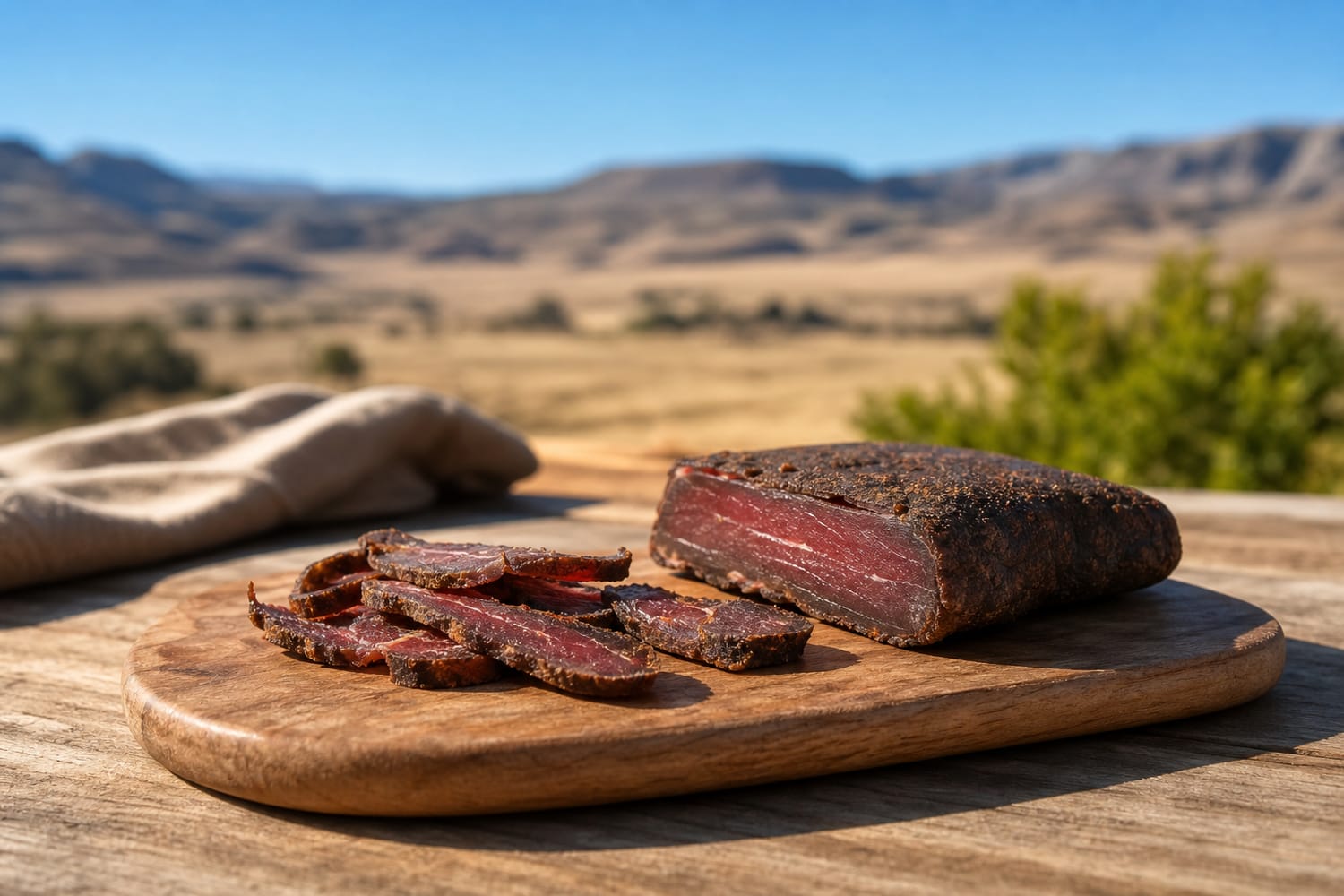
Biltong is meat cured with salt, vinegar, and spices before being hung to dry. Removing moisture slowed spoilage while producing something lighter and more portable than fresh meat.
Although southern African communities had preserved meat long before European settlement, biltong became closely associated with Dutch-speaking pastoralists and the Voortrekkers who traveled inland during the 19th century. It could be packed into wagons without refrigeration, sliced when needed, and eaten without cooking.
Today, biltong is a celebrated South African snack, proving that practical travel food can become an enduring part of national cuisine.
Salt Cod: A Fish That Traveled Far from the Sea
Fresh fish spoils quickly, but salting and drying cod transformed it into a commodity capable of crossing oceans and reaching inland markets. The finished product was firm, lightweight, and long-lasting, although it needed soaking before cooking.
Salt cod became deeply rooted in Portuguese, Spanish, Caribbean, Brazilian, and West African cuisines. Its global journey followed fishing fleets, colonial routes, and Atlantic trade networks.
Few foods better illustrate how preservation can reshape culinary identity. Like the dishes featured in Tour Trivia’s look at local delicacies around the world, salt cod tells a story much larger than its ingredients.
Portable Soup: The Original Stock Cube
Portable soup was made by boiling meat for hours, straining the liquid, and reducing it into a concentrated jelly. Once dried, the leathery substance could be packed away and later dissolved in hot water.
Popular in the 18th and 19th centuries, it was carried by sailors, soldiers, and explorers who wanted something warmer and more restorative than biscuits or dried meat. Versions were taken on long voyages and expeditions, including journeys through North America.
Portable soup required considerable preparation, but it offered travelers a valuable luxury: a hot, flavorful broth far from a conventional kitchen.
Tsampa: Roasted Barley for Himalayan Roads
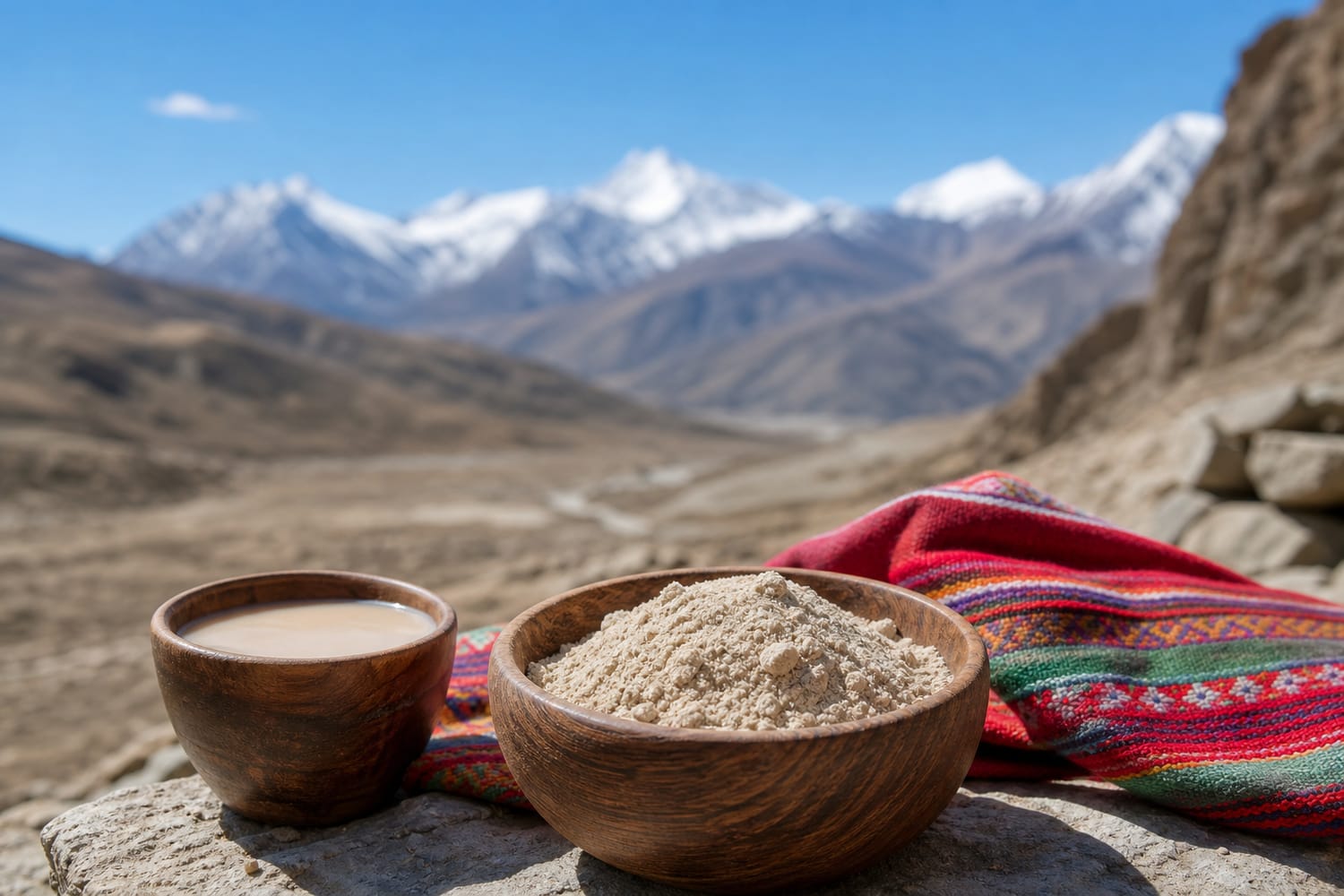
Tsampa, a staple across Tibet and parts of the Himalayas, is flour made from roasted barley. Because the grain is cooked before grinding, travelers can prepare it quickly by mixing it with tea, water, or butter.
Its simplicity makes it exceptionally practical in high-altitude environments. Herders, pilgrims, traders, and mountaineers could carry it in a pouch, prepare only the amount needed, and avoid transporting heavy cooking equipment.
Tsampa is more than trail food; it is closely connected to Tibetan culture and identity. It shows how a single dependable ingredient can support both everyday life and movement through challenging landscapes.
Chhurpi: The Himalayan Cheese That Lasts
Hard chhurpi is a dried cheese traditionally produced from yak or cattle milk in Nepal, Bhutan, Tibet, and northeastern India. Pressing, fermenting, and drying the curds creates an exceptionally dense food that can withstand lengthy storage.
Rather than biting straight through it, people typically soften a piece gradually in the mouth before chewing. Its toughness made chhurpi useful for herders and traders crossing remote mountain passes.
Like many foods with surprising histories, chhurpi emerged from practical ingenuity: perishable milk became portable protein suitable for harsh winters and long journeys.
Umeboshi Onigiri: A Meal in One Hand
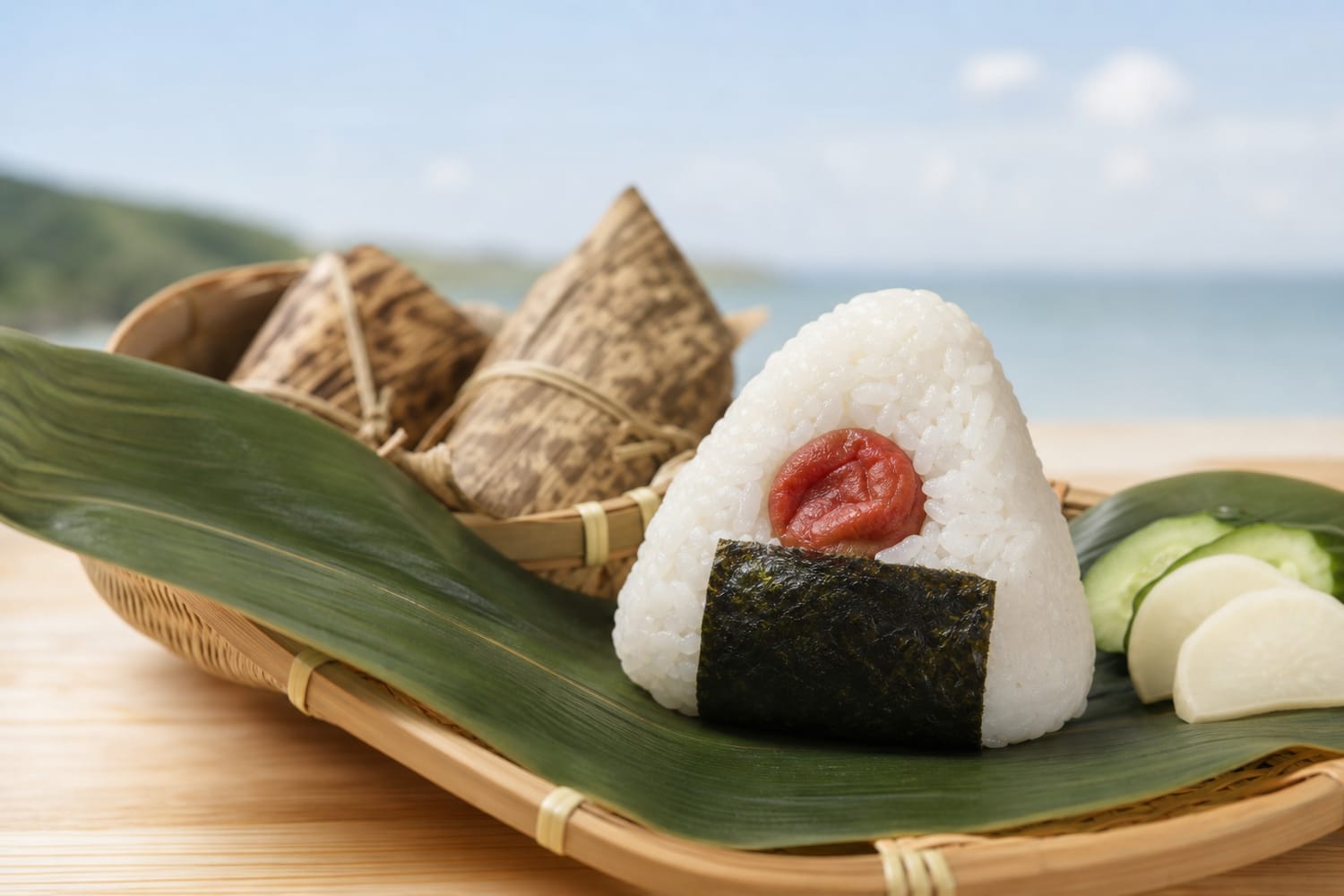
Onigiri turns cooked rice into an easily carried meal by pressing it into a compact shape. Filling the rice with salty, acidic umeboshi—pickled Japanese ume fruit—added bold flavor and made it particularly well suited to packed provisions.
Japanese soldiers carried rice balls during periods of warfare, while travelers later took them along the country’s expanding road network. In 1885, an early Japanese railway meal reportedly consisted of umeboshi-filled onigiri and pickles wrapped in bamboo leaves.
Modern convenience-store onigiri continues the same basic idea: an affordable meal designed to be eaten anywhere.
Anzac Biscuits: A Taste of Home Sent Overseas
Made with oats, flour, sugar, butter, golden syrup, and no eggs, Anzac biscuits used ingredients that remained stable during transportation. They became associated with parcels sent from Australia and New Zealand to service members overseas.
The sweet biscuit should not be confused with the much harder military ration known as an Anzac tile. Nevertheless, both foods are connected to the challenge of feeding people across enormous distances.
The Australian War Memorial’s history of Anzac biscuits notes that the exact origin of the familiar recipe remains contested, adding a little mystery to this national favorite.
Kendal Mint Cake: Sugar for the Summit
Despite its name, Kendal mint cake is closer to a peppermint-flavored block of sugar than a conventional cake. Produced in England’s Lake District, it became popular with hikers and climbers because it was compact and provided rapid energy.
Its most famous journey came in 1953, when Romney’s Kendal Mint Cake formed part of the high-altitude rations for the British Mount Everest expedition. Edmund Hillary and Tenzing Norgay carried it during the first confirmed ascent of the mountain.
Its appeal was straightforward: in an exhausting environment, a durable slab of minty sugar could deliver an immediate boost.
Every Preserved Bite Tells a Story
These foods were shaped by geography, technology, and necessity. Drying, salting, fermenting, and concentrating helped people move farther without depending on a fresh food supply.
Some, including hardtack, are now historical curiosities. Others, such as onigiri, biltong, and Anzac biscuits, remain beloved. Together, they remind us that culinary history is also travel history—and every long road begins with deciding what to pack.