
Cooling Off, One Bite at a Time
Long before air conditioning, people relied on architecture, shade, water, and clever cooking to survive scorching weather. The result was a remarkable collection of chilled, frozen, hydrating, and sweat-inducing foods. Some physically absorb heat, while others activate the body’s cooling systems or simply make hot days feel more bearable.
Sharbat and Sorbet
Persian sharbat combined fruit syrups with snow or ice, creating an ancestor of modern sherbet and sorbet. Similar frozen refreshments appeared throughout the ancient world, although their precise origins remain debated. A history of frozen desserts traces these treats through Persia, China, Greece, Rome, and Europe.
The cooling science begins with ice’s phase change. As ice melts, it absorbs heat from its surroundings—including the mouth—without immediately increasing in temperature. Fruit-based sorbets also contain water and carbohydrates, making them refreshing sources of fluid and quick energy, though particularly sugary versions should not replace drinking water.
Ice Cream
Ice cream evolved over centuries rather than springing from one inventor. Early cooks learned that mixing salt with ice created temperatures cold enough to freeze sweetened dairy mixtures. Later inventions, including hand-cranked freezers and mechanical refrigeration, transformed a luxury into a widely available summer treat.
Its low temperature produces immediate sensory relief, but the effect is temporary. Fat, sugar, and protein require energy to digest, so a large serving may eventually create a small amount of metabolic heat. The real magic is psychological and sensory: cold receptors fire, the mouth cools, and a sticky afternoon suddenly feels more manageable. Tour Trivia’s look at the surprising history of everyday foods offers more background on ice cream’s long journey.
Gazpacho
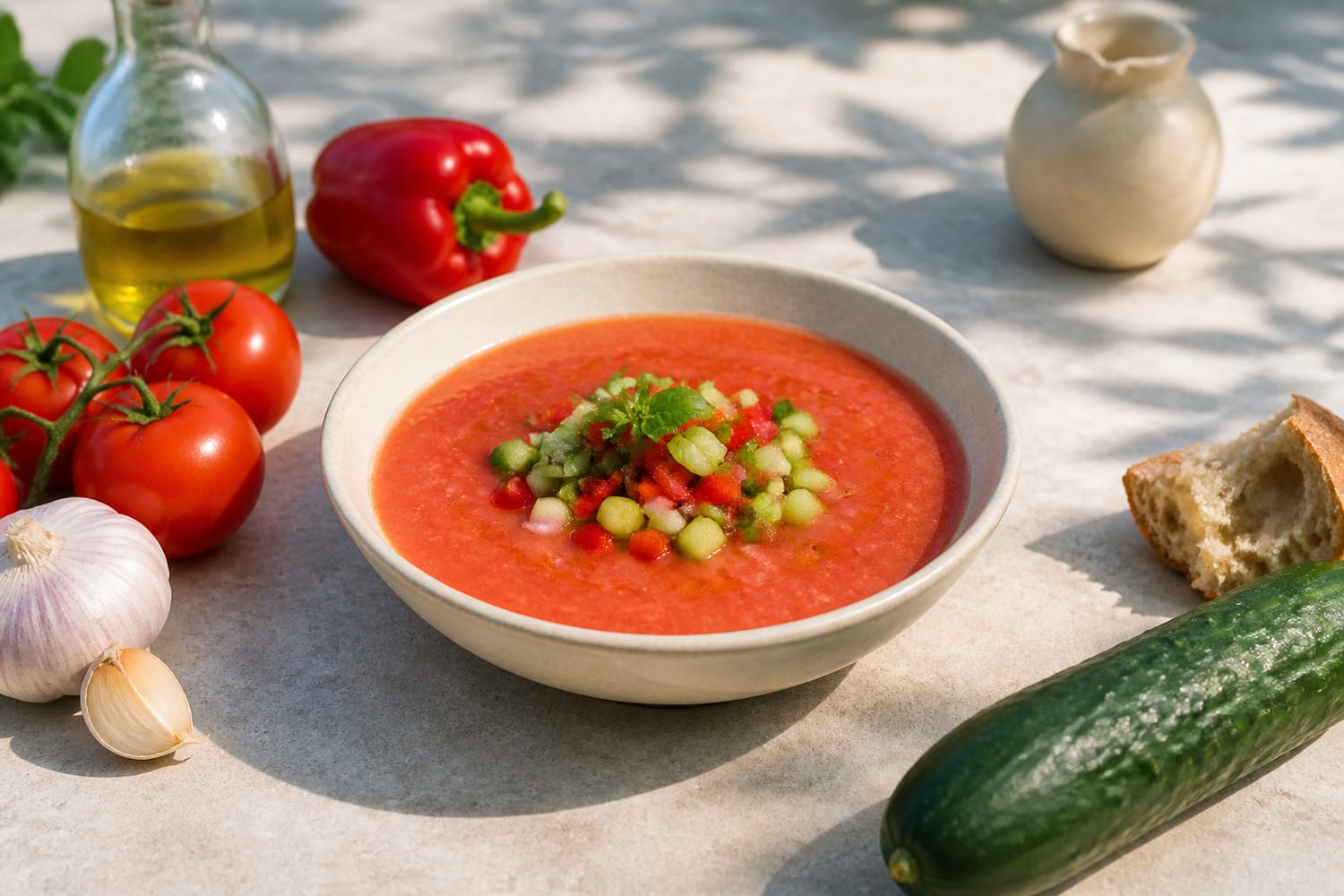
Andalusia’s famous cold soup began as a simple mixture of bread, water, olive oil, garlic, vinegar, and salt. Tomatoes and peppers became defining ingredients only after crops from the Americas entered European kitchens.
Gazpacho tackles heat through hydration. Tomatoes, peppers, and cucumbers have high water content, while salt helps replace some of the sodium lost through perspiration. Because it is served cold and requires no steaming bowl at the table, it is also more appealing when intense weather suppresses the appetite. Vinegar adds brightness, making the vegetables taste lively rather than heavy.
Kakigori
Japan’s kakigori turns ice into an almost snowlike dessert, usually topped with fruit syrup, condensed milk, sweet beans, or matcha. Early versions were once luxuries because harvesting, storing, and transporting ice required considerable labor. Modern refrigeration eventually brought shaved ice to the wider public.
Finely shaving ice dramatically increases its surface area. That allows it to melt rapidly across the tongue, creating an intense cooling sensation. The fluffy crystals also hold syrup between their layers, distributing flavor without requiring a dense base. Variations sold by vendors demonstrate how climate has influenced the evolution of street food across cultures.
Kulfi
Kulfi developed in South Asia during the Mughal era and remains a popular warm-weather dessert across India, Pakistan, Bangladesh, and neighboring regions. It is traditionally made by slowly simmering milk until reduced, then flavoring it with ingredients such as pistachio, cardamom, saffron, mango, or rose.
Unlike churned ice cream, kulfi contains relatively little air. Its dense texture means it softens more slowly, an obvious advantage in a hot climate. Concentrated milk solids also interfere with the formation of large ice crystals, producing a firm but creamy consistency. Served in small molds or on sticks, kulfi offers portable relief from sweltering streets.
Salted Lassi
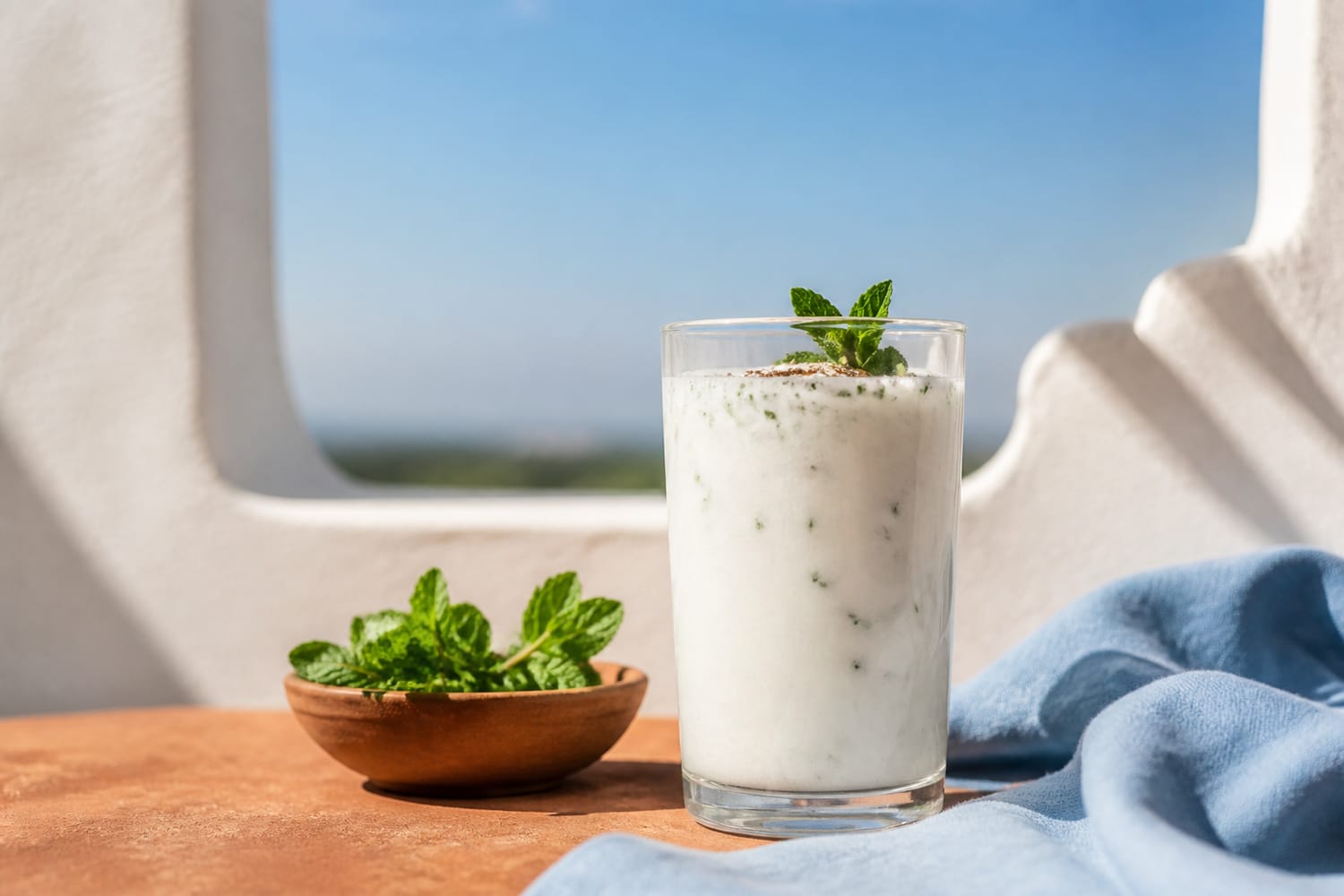
Lassi has been consumed on the Indian subcontinent for centuries. Sweet versions may contain fruit or sugar, while salted lassi blends yogurt, water, salt, and spices such as roasted cumin. The thinner chaas, or spiced buttermilk, serves a similar purpose.
The drink provides fluid along with sodium, potassium, and other nutrients. Those components support hydration, especially when heat and physical activity cause heavy sweating. Yogurt’s acidity gives lassi a clean, refreshing flavor, while blending creates a light foam. It is nourishing without demanding the effort of eating a substantial meal when the temperature has drained your appetite.
The Popsicle
According to the familiar origin story, 11-year-old Frank Epperson accidentally left powdered soda, water, and a stirring stick outside on a freezing San Francisco night in 1905. He later patented his frozen treat in 1923. The Smithsonian’s account of the Popsicle explains how this childhood accident became a summertime institution.
The stick was the critical innovation: it made flavored ice portable, inexpensive, and easy to eat without a bowl. Modern commercial ice pops may contain stabilizers that thicken the liquid and slow dripping by helping the melting structure hold together.
Halo-Halo

Halo-halo, meaning “mix-mix,” is a Filipino dessert of shaved ice, evaporated milk, and colorful ingredients such as sweet beans, jellies, coconut, fruit, and purple yam. Its modern form reflects Filipino traditions alongside influences from Japanese shaved-ice vendors and later access to manufactured ice.
The dessert combines rapid cooling with contrasting textures. As the ice melts, it dilutes the milk and syrups, turning the mixture into a cold drink at the bottom of the glass. Beans, fruit, and coconut make it more substantial than plain shaved ice, offering refreshment and energy in one towering serving.
Hiyashi Chuka
Hiyashi chuka is a Japanese dish of chilled ramen-style noodles topped with ingredients such as cucumber, egg, tomato, ham, and pickled ginger. Restaurants began popularizing versions of it during the 20th century as a meal specifically suited to summer.
Its cooling power is partly practical. The noodles and toppings are served cold, while cucumber and tomato contribute water. A tangy dressing made with vinegar and soy sauce keeps the dish bright and appetizing. Compared with steaming ramen in a rich broth, hiyashi chuka reduces the amount of external heat diners encounter while eating.
Som Tam
Thailand’s som tam may not be frozen, but this green papaya salad uses another strategy: chile-induced sweating. Shredded papaya is pounded with lime, fish sauce, tomatoes, garlic, and hot peppers, creating a crisp dish associated with tropical street dining.
Capsaicin, the compound responsible for chile heat, activates receptors that normally respond to high temperatures. The body may answer by sweating, and when that moisture evaporates, it removes heat from the skin. The science of perspiration explains why evaporation is essential to natural temperature control.
This strategy works best in relatively dry conditions, since high humidity slows evaporation. Even so, som tam proves that the food that feels hottest can sometimes activate the body’s own cooling machinery.
The Delicious Logic of Summer Food
These dishes reveal that beating the heat is not as simple as eating something cold. Ice absorbs heat as it melts, water-rich produce supports hydration, salt helps replace sweat losses, and capsaicin encourages evaporative cooling. Texture, portability, and appetite matter too.
Most importantly, hot-weather foods show how cooks adapted to local climates using the ingredients and technology available to them. From Persian snow-cooled syrups to Thai chile salads, each creation is an edible lesson in chemistry, physiology, and human ingenuity.