
Why Familiar Foods Change When You Travel
One of the best surprises of travel is discovering that a food you thought you knew can taste completely different somewhere else. A tomato in Italy may seem sweeter, a banana in Thailand may be more floral, and a burger in Japan may come with flavors you’d never find at home.
These differences are not just imagination. Food changes from country to country because of climate, soil, farming methods, local breeds, recipes, cultural preferences, and even government regulations. Sometimes the same food is made with different ingredients. Other times, it is the same ingredient grown in a totally different environment.
For Tour Trivia readers who love tasting the world, here are ten familiar foods that can taste surprisingly different depending on where you are — and the reasons why.
Bread
Bread may be one of the world’s most universal foods, but it is far from the same everywhere. In France, a baguette has a crisp crust, airy center, and slightly tangy flavor. In Germany, bread is often darker, denser, and made with rye or seeds. In the United States, sandwich bread tends to be softer, sweeter, and longer-lasting.
The difference comes down to flour, fermentation, and tradition. French baguettes are usually made with simple ingredients: flour, water, yeast, and salt. German breads often rely on sourdough fermentation and hearty grains. American commercial bread frequently contains sugar, milk, or dough conditioners to create a soft texture.
Even water and climate can affect bread. Bakers often say flour absorbs moisture differently depending on humidity, which changes the dough. That means a loaf baked in Paris may never taste exactly like one baked in Phoenix.
Tomatoes
A tomato can be juicy, sweet, acidic, bland, meaty, or almost smoky depending on where it is grown. Many travelers are shocked by how flavorful tomatoes taste in places like Italy, Greece, Spain, or Mexico compared with supermarket tomatoes elsewhere.
The biggest reason is ripeness. Tomatoes destined for long-distance shipping are often picked before they fully ripen so they can survive transport. Local tomatoes, especially those sold at markets, can stay on the vine longer and develop more sugar and aroma.
Climate also matters. Warm days, cool nights, mineral-rich soil, and plenty of sun can create a more concentrated flavor. Different varieties play a role too. A San Marzano tomato grown near Naples has a very different taste and texture from a beefsteak tomato grown in North America.
Chocolate
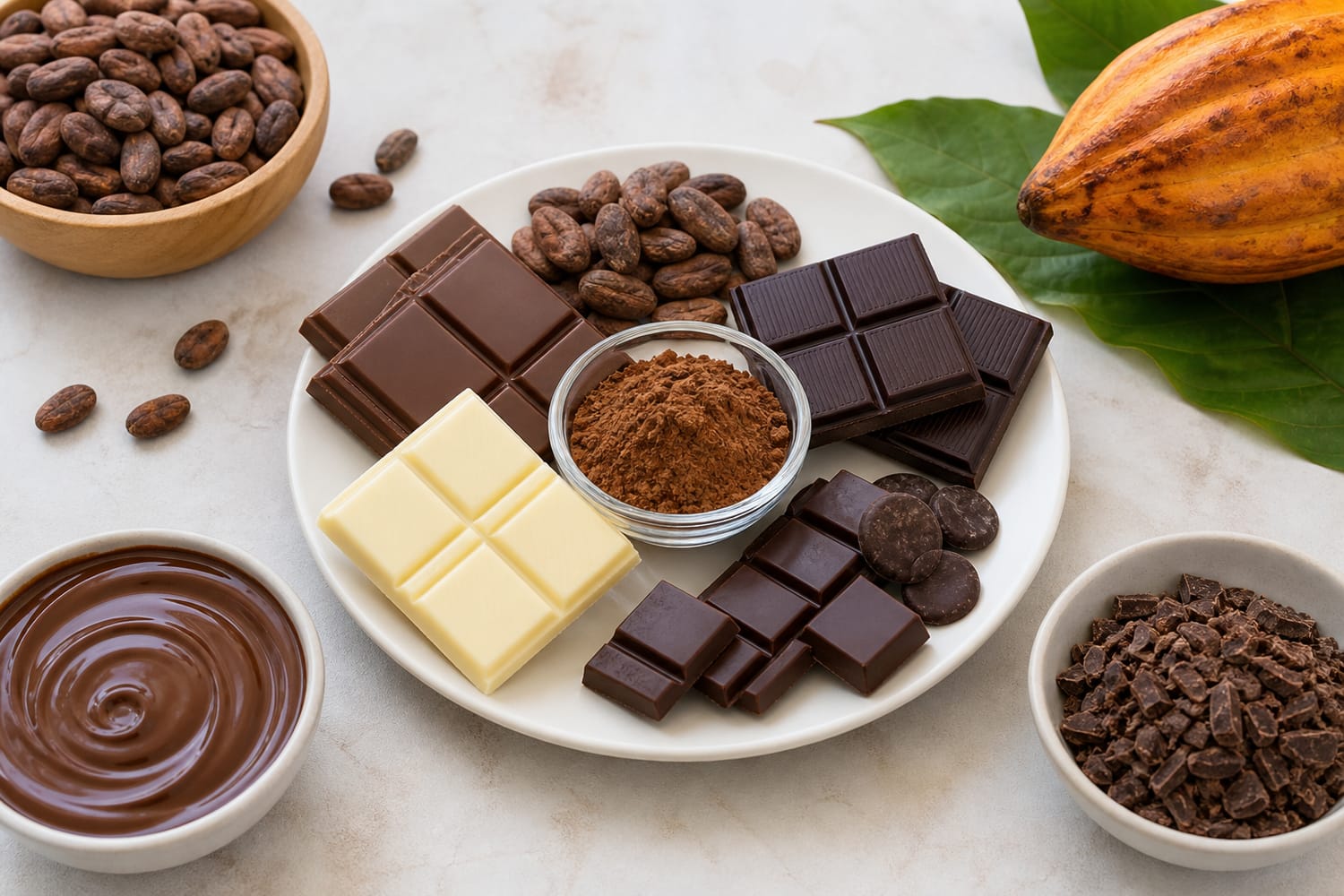
Chocolate tastes dramatically different around the world. Swiss chocolate is famous for being creamy and smooth. Belgian chocolate is rich and often intensely cocoa-forward. American milk chocolate is usually sweeter and sometimes has a slight tang. In Mexico, chocolate may be mixed with cinnamon, vanilla, or chiles and used in drinks or sauces.
The flavor changes because of cocoa bean origin, roasting style, milk content, sugar levels, and processing methods. Swiss chocolate is known for conching, a process that grinds and aerates chocolate for a long time, creating a silky texture. Some American chocolate uses a process that gives it a distinctive sour note.
Cocoa itself is like wine: beans from Ghana, Ecuador, Madagascar, or Venezuela can taste fruity, nutty, earthy, or floral. So when you taste chocolate abroad, you may be tasting both local technique and the character of beans grown thousands of miles away.
Coffee
Coffee is another everyday food — or drink — that transforms completely depending on where you are. In Italy, espresso is short, strong, and often enjoyed quickly at a bar. In Turkey, coffee is thick, intense, and served unfiltered. In Vietnam, coffee may be brewed slowly through a metal filter and sweetened with condensed milk. In Ethiopia, coffee can be floral, bright, and served as part of a ceremony.
The differences begin with the beans. Arabica and robusta have distinct flavors, and growing altitude affects acidity and complexity. Roast level also matters. Dark roasts produce bold, bitter flavors, while lighter roasts highlight fruit and floral notes.
Preparation is just as important. Espresso machines, cezves, French presses, pour-over cones, and phin filters all extract coffee differently. Add local customs — sugar, spices, milk, or condensed milk — and coffee becomes a completely new experience from one country to the next.
Cheese
Cheese may be the ultimate example of food shaped by place. A cheddar from England tastes different from cheddar made in Wisconsin. French Brie is buttery and earthy. Greek feta is salty and crumbly. Italian Parmigiano Reggiano is nutty, sharp, and granular.
Milk is the foundation of cheese, and milk changes with the animal, breed, diet, and landscape. Cows grazing on alpine grass produce different milk from cows eating grain. Sheep’s milk is richer and more gamey than cow’s milk, while goat’s milk can taste tangy and grassy.
Aging conditions also make a huge difference. Temperature, humidity, mold cultures, and time all influence flavor. Some cheeses are protected by regional rules, meaning they must be made in a specific place using specific methods. That is why true Parmigiano Reggiano can only come from certain areas of Italy.
Bananas
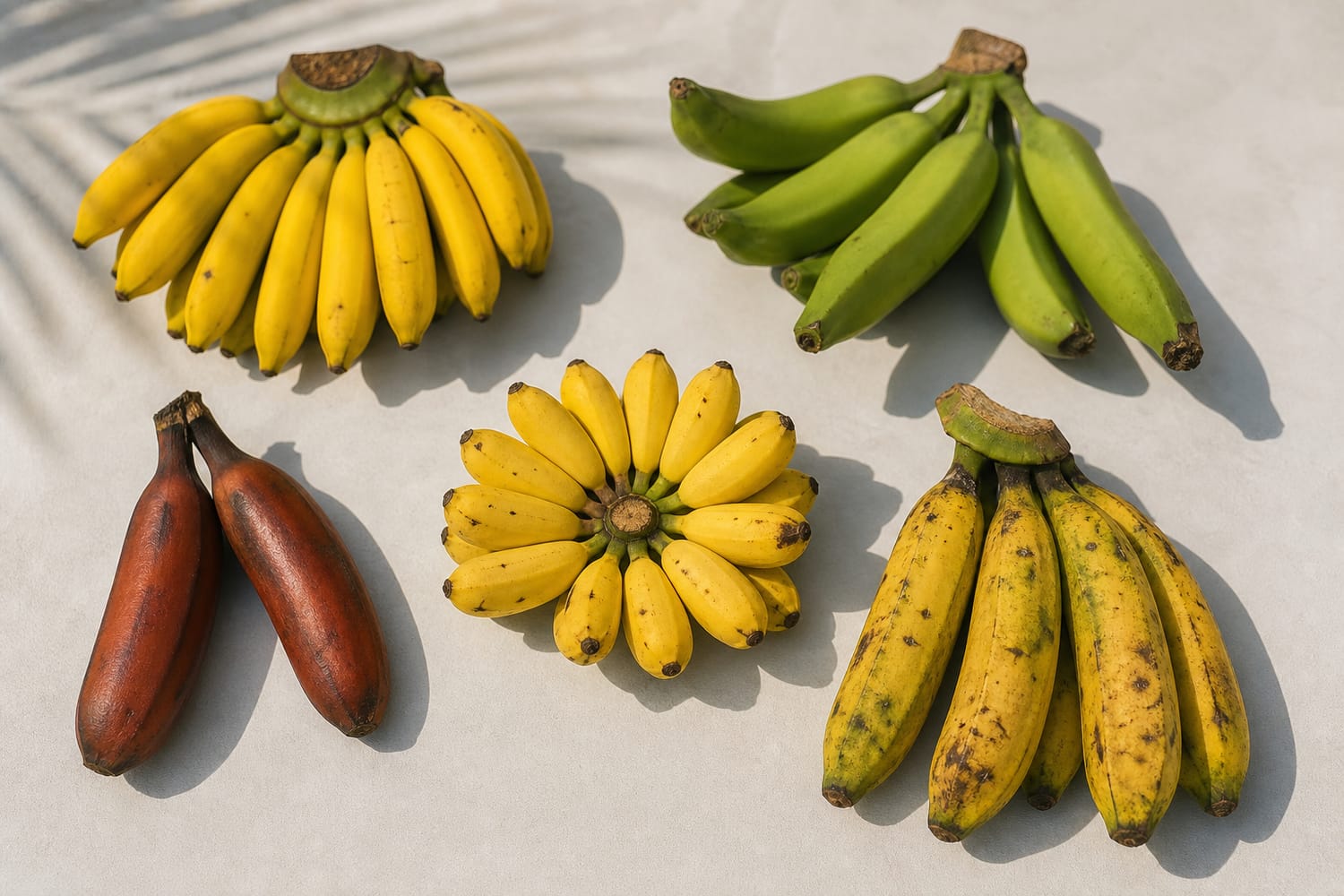
Many people know only one kind of banana: the long, yellow Cavendish variety found in supermarkets. But around the world, bananas vary wildly. In Southeast Asia, small bananas can taste sweeter and more aromatic. In parts of Africa, bananas and plantains may be starchy and cooked like potatoes. In Latin America, fried plantains can be caramelized, savory, or crisp depending on ripeness.
The difference comes from variety. There are hundreds of banana cultivars, but global export markets favor Cavendish because it ships well and ripens predictably. Local markets often sell bananas that are too delicate or unusual for international shipping.
Ripeness changes flavor too. Green bananas are firm and starchy, while very ripe bananas develop deep sweetness and tropical aromas. If you’ve only eaten supermarket bananas, tasting local varieties abroad can feel like discovering a whole new fruit.
Pizza
Pizza may be globally recognized, but it rarely tastes the same twice. In Naples, pizza is soft, chewy, slightly charred, and topped simply with tomato, mozzarella, basil, and olive oil. In New York, slices are larger, thinner, and foldable. In Chicago, deep-dish pizza is thick, buttery, and layered more like a pie. In Japan, toppings may include corn, mayonnaise, seafood, or teriyaki chicken.
Pizza changes because it adapts to local ingredients and eating habits. Flour type affects the crust. Ovens matter too: a wood-fired Neapolitan oven can reach extremely high temperatures, cooking pizza in just about 90 seconds. That creates a blistered crust and moist center.
Cheese and sauce also vary. Fresh mozzarella tastes milky and delicate, while low-moisture mozzarella melts into the stretchy layer common in American pizza. Local creativity does the rest, turning pizza into a global canvas.
Apples
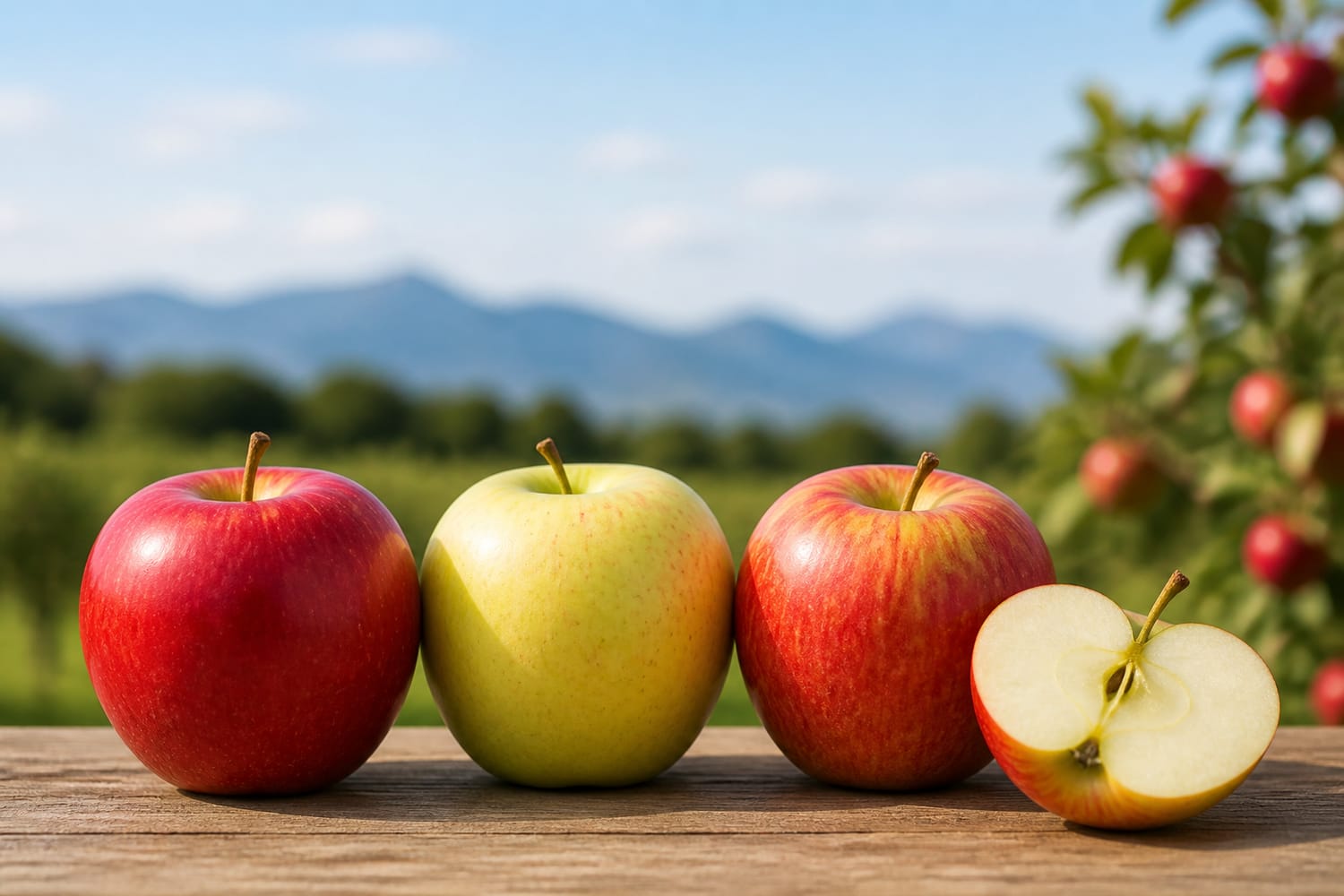
An apple in one country may taste crisp and tart, while another may be soft, honeyed, or floral. Japan is famous for large, beautifully grown apples with intense sweetness. France produces cider apples that may be bitter or tannic. The United States grows popular varieties like Honeycrisp, Gala, and Granny Smith, each bred for specific flavor and texture.
Apples taste different because of cultivar, climate, storage, and harvest timing. Cool nights help apples develop acidity and color, while sunny days increase sugar. Some apples are bred for fresh eating, while others are better for cider, baking, or long storage.
Storage can also change flavor. Many supermarket apples spend months in controlled-atmosphere storage, which preserves appearance but may soften aroma. A freshly picked apple from an orchard can taste far more vivid.
Yogurt
Yogurt varies enormously across the globe. Greek yogurt is thick, tangy, and strained. Turkish yogurt can be creamy and rich, often served with savory dishes. Indian dahi is softer and milder, commonly eaten with rice or used in lassi. In Iceland, skyr is technically a cultured dairy product similar to yogurt but thicker and higher in protein.
The taste depends on milk type, bacterial cultures, fermentation time, and straining. Longer fermentation usually creates more tang. Straining removes whey and concentrates the texture. Yogurt made from sheep or buffalo milk tastes richer than yogurt made from cow’s milk.
Cultural use matters too. In some places, yogurt is a sweet breakfast food. In others, it is a savory condiment, marinade, soup base, or drink. That changes not only how it tastes, but how people experience it.
Soda
Even global soda brands can taste different depending on where you buy them. A cola in Mexico may taste different from one in the United States. Orange soda in Europe may be less sweet and contain more real fruit juice. In Japan, convenience stores sell sodas flavored with melon, yogurt, peach, or even salty citrus.
The biggest reason is sweetener. Some countries use cane sugar, while others use high-fructose corn syrup, beet sugar, or artificial sweeteners. These sweeteners have different textures and aftertastes. Local regulations can also affect coloring, caffeine levels, and additives.
Taste preferences vary by market. Some countries prefer drinks that are intensely sweet, while others favor lighter, more acidic flavors. Even carbonation levels can differ, changing how sharp or refreshing a soda feels.
Why Taste Is a Passport
Food is never just food. It carries geography, history, trade, farming, technology, and culture in every bite. The same ingredient can become sweeter under a different sun, tangier through a different fermentation, or richer because of an old regional recipe.
That is what makes eating while traveling so exciting. You may order something familiar — bread, coffee, pizza, chocolate — and still be surprised. The name may be the same, but the flavor tells a local story.
So the next time you travel, try the foods you think you already know. They might turn out to be the most unexpected tastes of the trip.