
From Apothecaries to Appetizers
Long before pharmacies lined city streets, people turned to fields, forests, gardens, and kitchens for remedies. Across cultures, foods were not just eaten for pleasure or survival — they were brewed, crushed, fermented, dried, and prescribed. Ancient Egyptians used honey on wounds, Greek physicians praised olive oil, Chinese healers reached for ginger, and Indigenous communities across the Americas valued cacao and chili peppers.
Today, many of these foods remain part of everyday meals. We may not think of them as “medicine” when we drizzle, sprinkle, sip, or snack, but their old reputations often explain why they became so beloved. Modern science does not support every ancient claim, and food is not a substitute for medical care, but many traditional favorites do contain compounds linked to health benefits. Here are ten foods that traveled from the medicine cabinet to the dinner table — and never really left.
Honey
Honey is one of the world’s oldest recorded remedies. Ancient Egyptians used it in wound dressings, while Greek and Roman writers praised it for soothing throats and aiding digestion. Its thick texture, natural acidity, and low moisture content make it difficult for many microbes to thrive, which helps explain why it was valued before modern antiseptics.
We still eat honey because it is deliciously versatile. It sweetens tea, glazes roasted vegetables, balances tangy yogurt, and adds depth to marinades. Many people also still reach for honey when they have a cough or scratchy throat. While it is still sugar and should be enjoyed in moderation, honey’s floral flavors and long shelf life keep it in kitchens around the world.
Garlic
Garlic has a long history as both food and folk remedy. Ancient Egyptians fed it to laborers, Greek athletes reportedly ate it before competitions, and traditional medicine systems used it for everything from infections to stamina. Its strong aroma comes from sulfur compounds, especially allicin, which forms when garlic is crushed or chopped.
Today, garlic is less likely to be prescribed and more likely to be sautéed in olive oil. It remains a foundation of cuisines from Italy and Lebanon to Korea and Mexico. We still eat it because it transforms ordinary dishes: soups become richer, sauces become deeper, and roasted meats become more fragrant. Its traditional health reputation adds to its appeal, but flavor is the main reason garlic survived every culinary trend.
Ginger
Ginger has been used medicinally for thousands of years in China, India, the Middle East, and beyond. It was commonly associated with digestion, nausea, and warming the body. Sailors, travelers, and merchants carried it along trade routes, helping it become one of the world’s most prized spices.
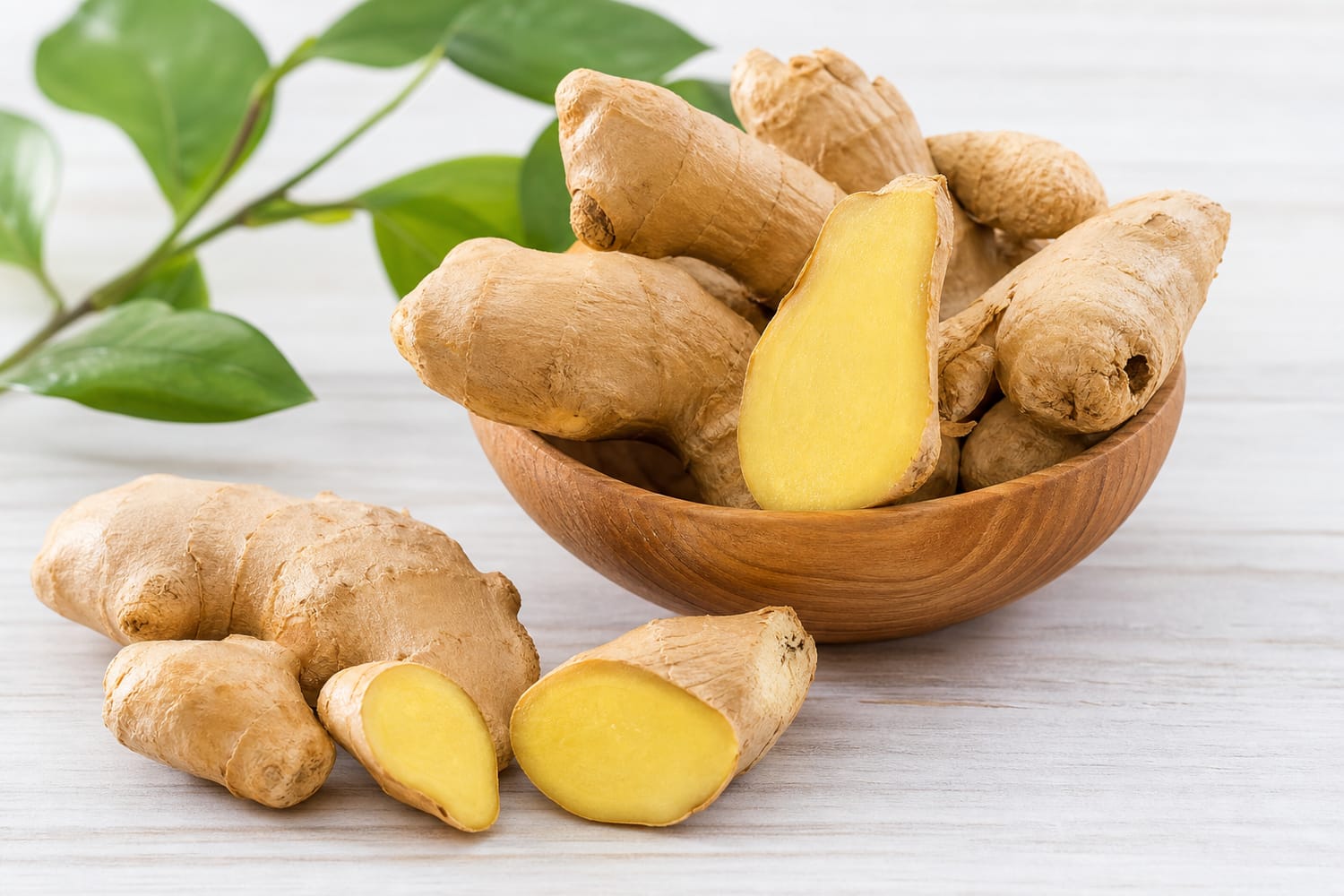
We still eat ginger because it brings heat without the burn of chili, brightness without citrus, and comfort without heaviness. It appears in stir-fries, curries, cookies, teas, candies, and soups. Many people still use ginger tea or ginger chews for mild nausea, especially during travel — a fitting detail for Tour Trivia readers. Its sharp, refreshing bite makes it both practical and pleasurable.
Turmeric
Turmeric, with its golden color, has deep roots in South Asian cooking and traditional medicine, especially Ayurveda. Historically, it was used in pastes, drinks, and food preparations, often associated with inflammation, cleansing, and general wellness. Its most studied compound, curcumin, gives turmeric much of its color and has drawn modern scientific interest.
We still eat turmeric because it gives food an earthy warmth and a brilliant yellow hue. It is essential in many curries, rice dishes, lentil stews, and spice blends. In recent years, turmeric lattes and golden milk have brought the ingredient into cafés far beyond its traditional regions. Whether used for color, flavor, or wellness associations, turmeric remains one of the most recognizable medicinal foods on the plate.
Yogurt
Fermented milk has been eaten for thousands of years, and yogurt-like foods appear in the histories of Central Asia, the Middle East, India, and the Balkans. Before refrigeration, fermentation helped preserve milk. Over time, people also linked yogurt with digestion and strength. In the early 20th century, scientists began studying the role of beneficial bacteria in fermented foods, adding modern attention to an old idea.
We still eat yogurt because it is creamy, cooling, and adaptable. It can be breakfast with fruit and honey, a marinade for meat, a base for dips, or a soothing side dish next to spicy foods. Many yogurts contain live cultures, often called probiotics, which may support gut health. But even beyond that, yogurt’s tangy flavor and culinary flexibility make it a global staple.
Olive Oil
Olive oil was central to ancient Mediterranean life. Greeks and Romans used it not only for cooking, but also in religious rituals, skin care, massage, and medicine. Hippocrates, often called the father of Western medicine, mentioned olive oil in various health-related contexts. It was considered nourishing, protective, and valuable enough to trade across seas.
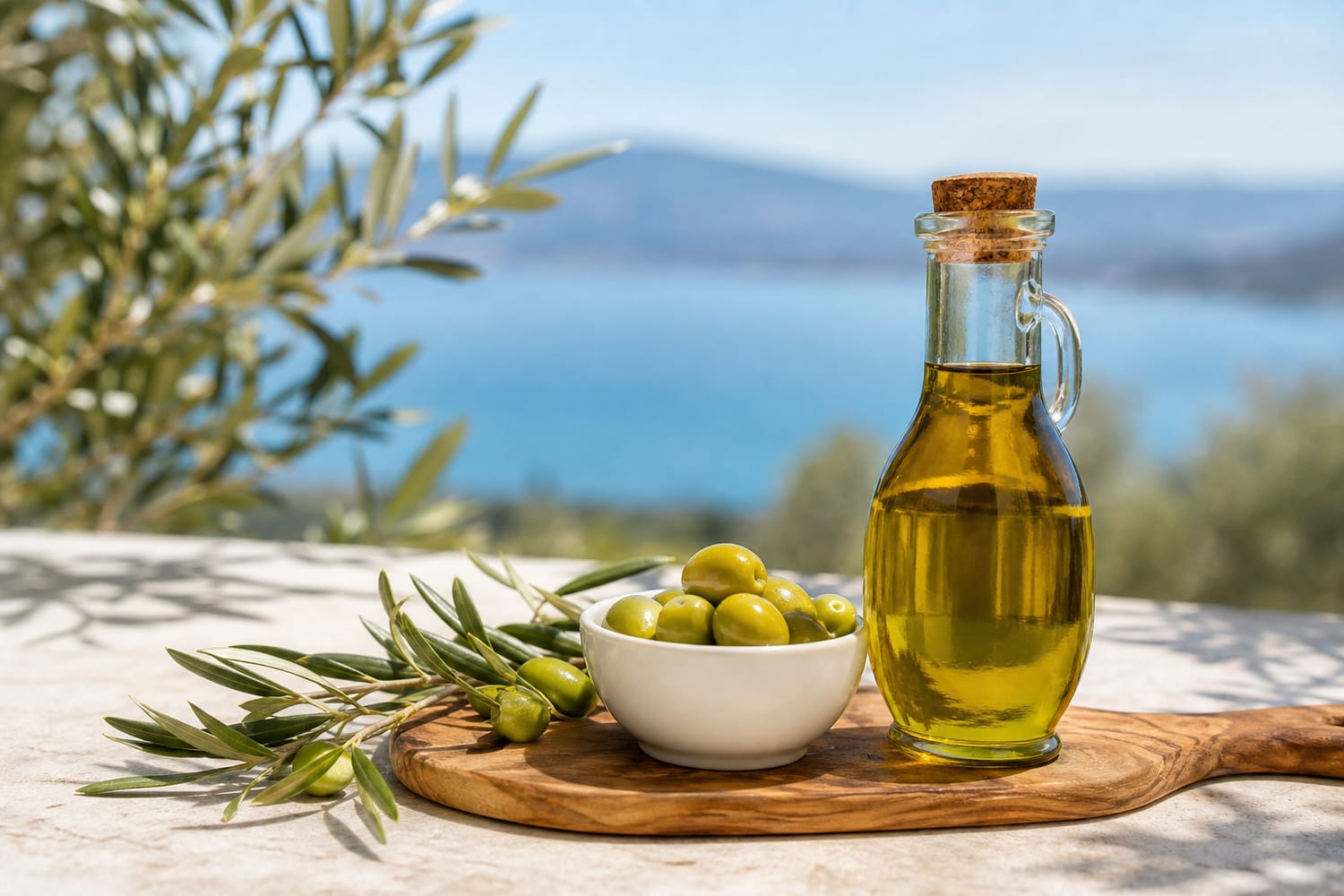
Today, olive oil is a cornerstone of Mediterranean cooking and one of the most studied traditional fats. We eat it because it tastes smooth, grassy, peppery, or fruity depending on the variety. It dresses salads, finishes soups, enriches pasta, and makes bread irresistible. Extra-virgin olive oil is also associated with heart-healthy eating patterns, especially when it replaces more heavily processed fats.
Mint
Mint has long been used to settle the stomach and freshen the breath. Ancient Egyptians, Greeks, and Romans all valued mint, and it later became common in herbal teas and remedies across Europe, North Africa, and Asia. Its cooling sensation comes from menthol, which activates temperature-sensitive receptors and creates the feeling of freshness.
We still eat mint because it makes food feel lively. It brightens salads, lamb dishes, chutneys, spring rolls, fruit bowls, and chocolate desserts. Mint tea remains a popular after-meal drink in many cultures, from Morocco to the eastern Mediterranean. Even when we use mint simply for flavor, its old role as a digestive herb lingers in the way we serve it after rich meals.
Chili Peppers
Chili peppers originated in the Americas and were used by Indigenous peoples for food, medicine, and ritual long before they spread worldwide. After the Columbian Exchange, chilies transformed cuisines across Asia, Africa, and Europe. Traditionally, they were used to stimulate appetite, warm the body, clear congestion, and preserve or flavor foods.
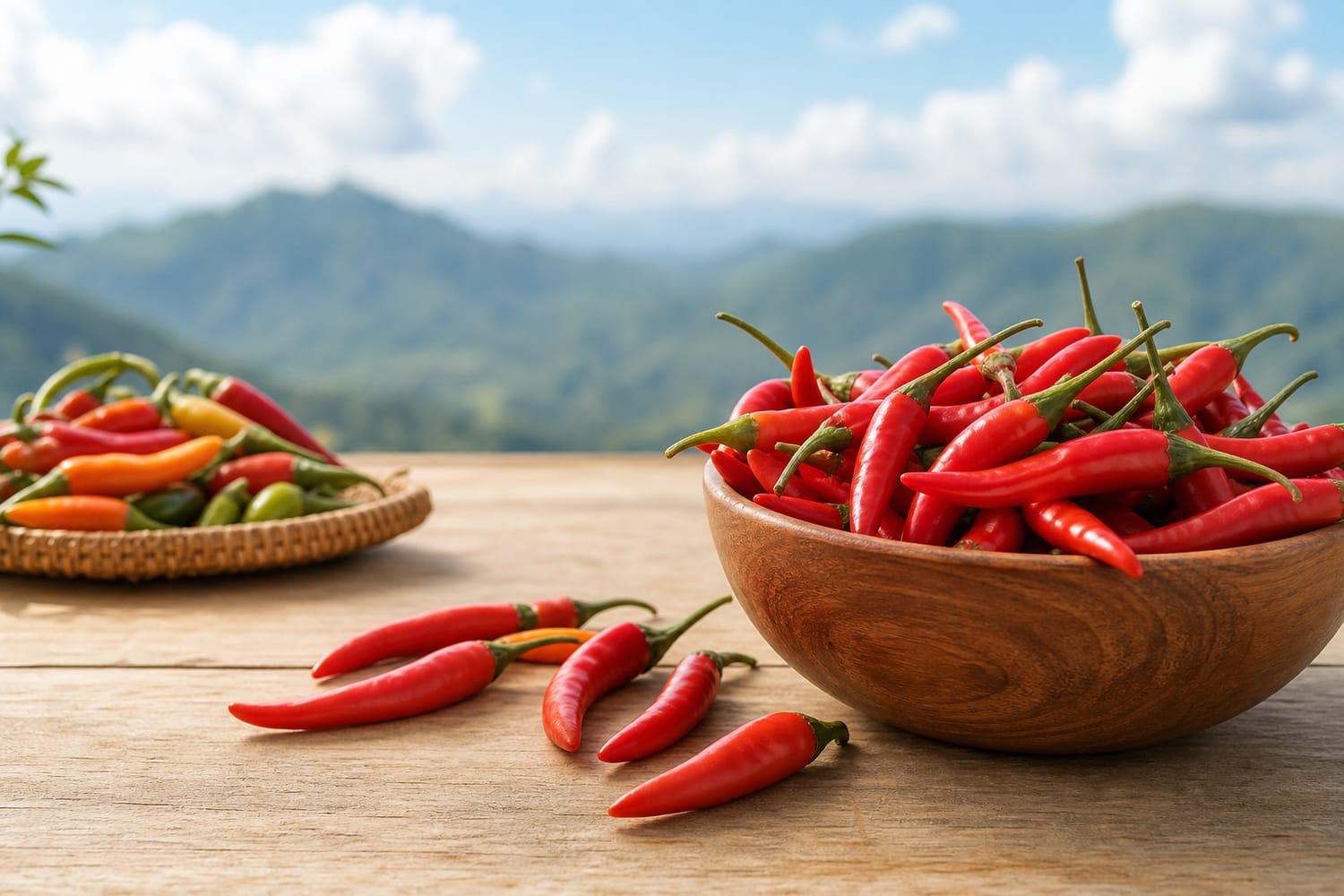
We still eat chilies because they make meals exciting. Their heat comes from capsaicin, a compound that triggers pain receptors and can create a rush of endorphins. That helps explain why spicy food can feel addictive in the best way. From Thai curries and Mexican salsas to Ethiopian stews and Sichuan hot pot, chili peppers prove that a former remedy can become a cultural obsession.
Cacao
Before chocolate bars existed, cacao was consumed as a bitter, spiced drink in Mesoamerica. The Maya and Aztec peoples used cacao in ceremonies, trade, and medicine. It was associated with energy, nourishment, and status. When cacao reached Europe, it was initially treated as an exotic medicinal drink before sugar transformed it into a sweet indulgence.
We still eat cacao because chocolate is one of the world’s most beloved flavors. Dark chocolate and unsweetened cacao contain compounds called flavanols, which have been studied for possible effects on circulation and heart health. Of course, many chocolate products are also high in sugar and fat, but cacao’s deep bitterness, aroma, and mood-lifting reputation help explain its lasting power.
Pomegranate
Pomegranates appear in ancient medicine, mythology, and art from Persia and the Mediterranean to India and China. Their jewel-like seeds made them symbols of fertility, abundance, and renewal. Traditional healers used different parts of the fruit, including peel and juice, for various remedies. The fruit’s rich color comes from plant compounds that modern researchers continue to study.
We still eat pomegranates because they are beautiful, tart, sweet, and refreshing. The seeds add crunch to salads, sparkle to desserts, and brightness to savory dishes. Pomegranate molasses, made by reducing the juice, is a treasured ingredient in Middle Eastern cooking. Whether scattered over roasted vegetables or stirred into drinks, pomegranate keeps its ancient glamour while fitting easily into modern meals.
Why These Foods Endured
The foods that survived from ancient medicine to modern cuisine did so for a simple reason: they were useful and enjoyable. Some helped preserve food. Some added warmth, sweetness, bitterness, or acidity. Some became linked to comfort, celebration, and identity. Their medicinal reputations may have opened the door, but taste kept them there.
Every culture has its own version of this story. A spice carried by traders becomes a national flavor. A fermented food created for preservation becomes a health trend. A soothing tea becomes a family ritual. The next time you drizzle honey, crush garlic, sip mint tea, or break off a square of dark chocolate, you are tasting more than a snack. You are tasting history — one bite of ancient wisdom at a time.