
A World of Ice Cream Beyond the Cone
Ice cream can be a street performance, a breakfast tucked into warm bread, or a dessert disguised as dinner. Around the world, the way a frozen treat is made and served can be as memorable as its flavor. These ten traditions offer plenty of reasons to look beyond the usual scoop.
Türkiye: Dondurma Comes With a Show
Order dondurma from a Turkish street vendor and you may have to work for your cone. Vendors sometimes twirl it, flip it, or whisk it away just as you reach for it. The joke works because this ice cream is unusually stretchy and slow to slip off the cone.
Maraş dondurma, associated with Kahramanmaraş, gets its dense texture partly from salep, a powder made from orchid tubers. The Turkish tourism guide to dondurma describes both the dessert and the playful vendor routine. Watch the performance, then enjoy the ice cream’s distinctive chew.
India: Kulfi Is Frozen, Not Fluffed
Kulfi is often called Indian ice cream, but it isn’t made like a typical churned pint. Milk is slowly reduced, sweetened, flavored, and frozen in molds without being whipped full of air. That gives it a firm, concentrated texture and a rich cooked-milk taste.
Pistachio, cardamom, and saffron are classic flavors to look for. You might find kulfi on a stick or turned out of its mold onto a plate. Either way, let it soften briefly before biting in: the first taste is even better when the fragrant milk begins to melt.
Iran: Saffron Ice Cream Meets Crisp Wafers
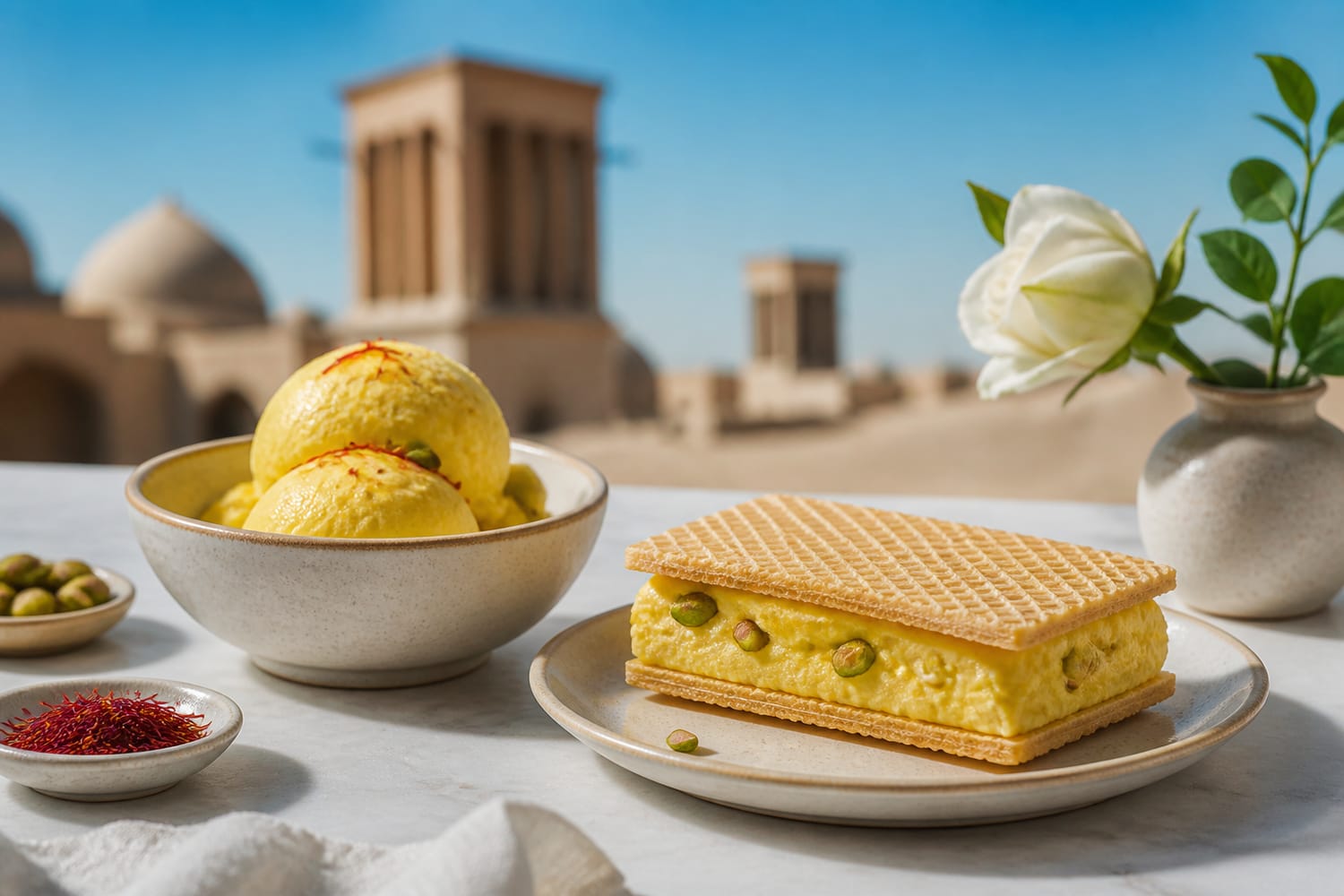
Iran’s bastani sonnati pairs the fragrance of saffron and rosewater with creamy ice cream. For a version that truly goes beyond a scoop, try bastani-e nooni: the ice cream is held between crisp wafers, often with pistachios adding color and crunch.
It’s a sandwich with an entirely different personality from a soft-cookie ice cream sandwich. The wafers crack, the filling softens, and floral notes linger after each bite. If you spot both a plain serving and a wafer sandwich, choose the sandwich to experience the contrast.
Italy: Sicily Puts Gelato in a Brioche
A cone is only one way to eat Italian gelato. In Sicily, brioche con gelato fills a soft, sweet bun with ice cream, making a handheld treat that can even be enjoyed at breakfast. Pistachio or hazelnut gelato is especially tempting against the tender bread.
The bun changes the pace of eating: instead of chasing drips down a cone, you get cool gelato and pillowy pastry together. For more ideas about tasting a destination through its food, Tour Trivia explores dishes worth seeking out around the world.
Germany: Spaghettieis Pretends to Be Pasta
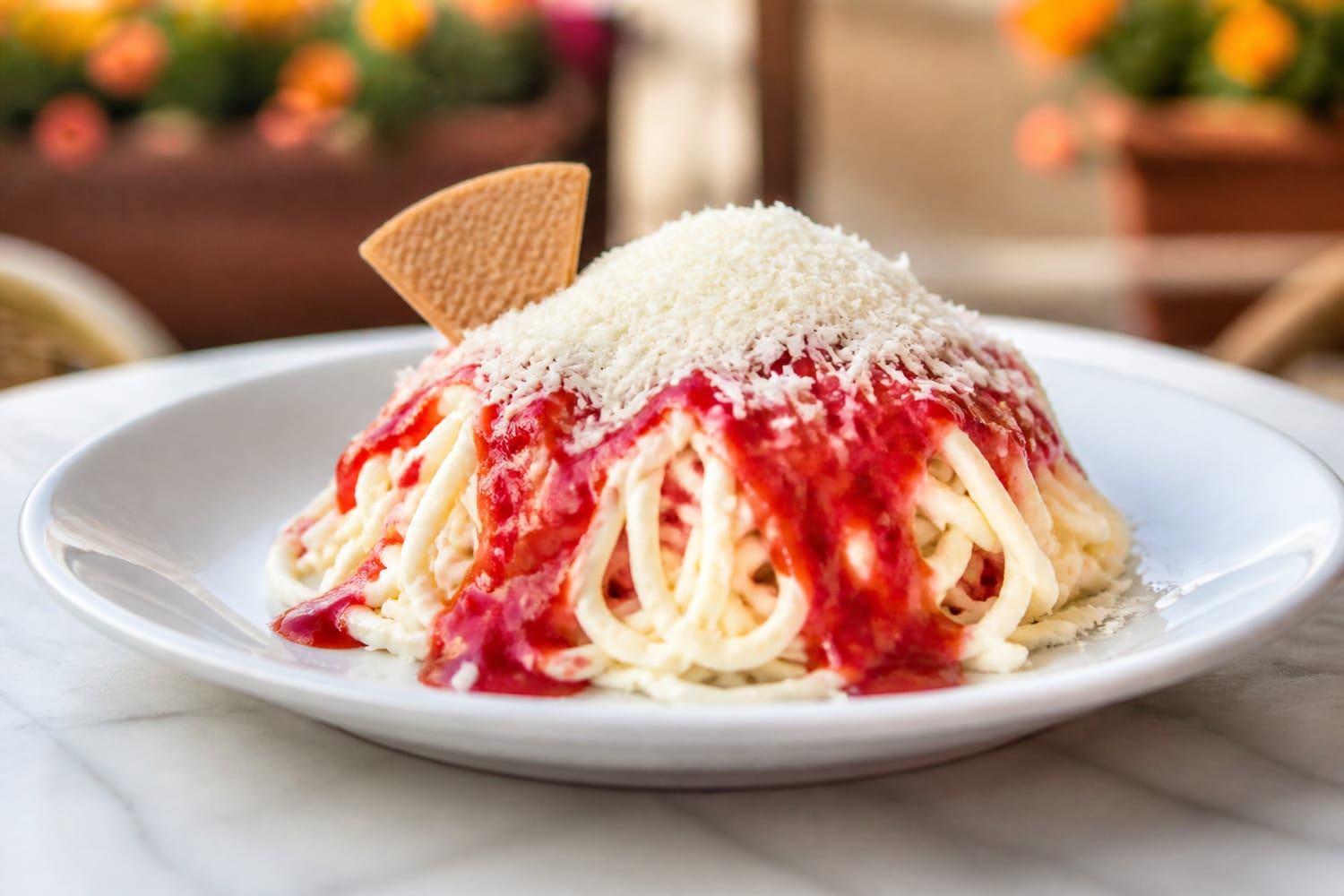
Germany’s spaghettieis looks like a small plate of spaghetti, but every familiar-looking element is dessert. Vanilla ice cream is pressed into thin strands, strawberry sauce plays tomato, and grated white chocolate stands in for Parmesan. Whipped cream is often hidden underneath.
The trick was devised by ice cream maker Dario Fontanella in Mannheim. As Smithsonian’s account of spaghettieis explains, the playful illusion became a favorite in German ice cream shops. Bring someone who hasn’t heard of it and let them see the plate before explaining.
Mexico: Paletas Turn Dessert Into a Walk
At a Mexican paletería, the frozen treats come on sticks rather than in cones. Paletas can be bright and fruity, creamy and milk-based, or somewhere in between. Strawberry and cream, pineapple, and tamarind-chile show how much variety can fit into a simple ice pop.
Their appeal is partly practical: you can take one along as you explore. But the flavor deserves attention, too. Try a fruit-forward paleta first, then compare it with a creamy one such as rice pudding or horchata. They make an excellent case for sampling dessert twice.
The Philippines: Halo-Halo Rewards a Good Mix
Halo-halo is closer to a layered dessert adventure than a straightforward serving of ice cream. Sweetened beans, fruit, and jellies sit beneath finely crushed ice and evaporated milk; some versions add ube ice cream on top. The name means “mix-mix,” which is your cue to stir everything together.
Take a moment to admire the layers before mixing, then dig deep enough to get a little of everything. Each spoonful can be creamy, icy, chewy, and crunchy at once. Ingredients vary, so two halo-halo orders need not taste exactly alike.
Japan: Matcha Parfaits Stack the Flavors
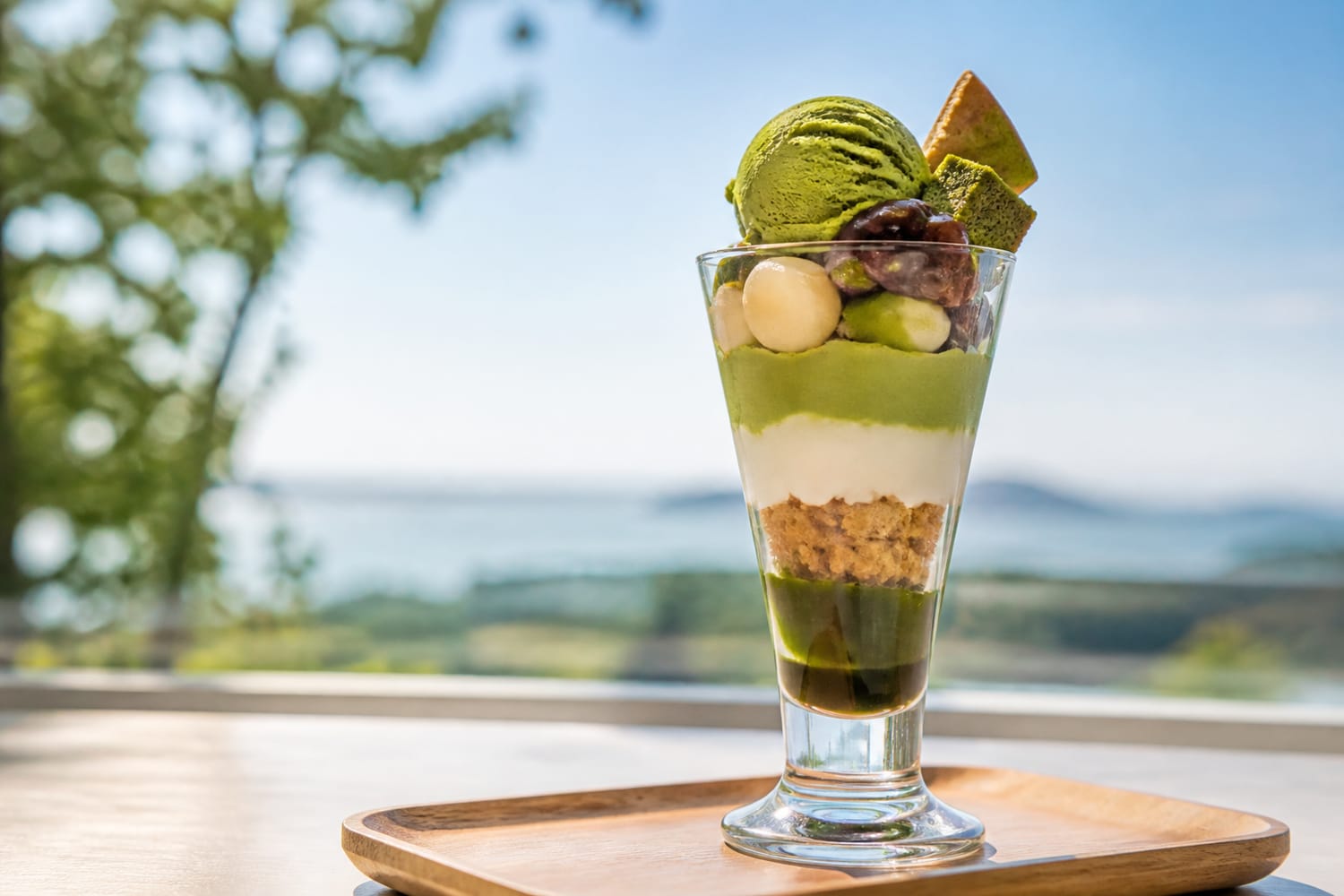
In Japan, a matcha parfait turns ice cream into just one part of a carefully layered dessert. Depending on the café, you may find matcha gelato alongside sweet red beans, jelly, cream, or other toppings. Even the matcha itself can vary in intensity from one shop to another.
The fun is in tasting downward through the glass rather than eating every component separately. Start with a little of the ice cream, then combine it with the layers below. Matcha’s gentle bitterness helps balance the sweetness, making the final spoonful as interesting as the first.
Thailand: Coconut Ice Cream Gets Unexpected Toppings
Thai coconut ice cream is a street-food favorite that might arrive in a coconut shell or a soft bun. What makes the serving memorable is everything around it: sticky rice, roasted peanuts, sweet corn, and other toppings can turn a cool snack into a feast of textures.
If you’re browsing Bangkok’s food stalls, try asking what toppings are available before choosing. Sticky rice makes the treat more substantial, while peanuts add a welcome crunch. Tour Trivia’s guide to local markets around the world also points readers toward coconut ice cream at Bangkok’s Chatuchak Weekend Market.
Argentina: The Alfajor Gets an Ice Cream Makeover
Argentina’s classic alfajor sandwiches dulce de leche between cookies, often beneath a chocolate coating. The alfajor helado gives that beloved format a frozen twist, bringing ice cream into the mix while keeping the spirit of a handheld treat.
Look for one with dulce de leche if you want a distinctly Argentine combination. Then notice how differently it eats from a cone: chocolate snaps, cookies soften, and the ice cream cools the rich caramel filling. Across all ten traditions, that’s the sweetest bit of travel trivia: ice cream is rarely just ice cream once local cooks get hold of it.