
A Taste of Place in Every Spoonful
Sauces are more than finishing touches. They are edible passports, carrying the flavors, histories, migrations, and traditions of the places that created them. A single spoonful can reveal ancient trade routes, colonial encounters, family rituals, or the ingenuity of cooks making something extraordinary from local ingredients.
For travelers and food lovers, sauces often become the most memorable part of a meal. They transform street food, define regional classics, and spark debates over authenticity. From smoky Mexican mole to fiery Tunisian harissa, these iconic sauces tell stories that are just as rich as the dishes they accompany.
Mole from Mexico
Mole is one of Mexico’s most celebrated culinary treasures, especially associated with Puebla and Oaxaca. The word “mole” comes from the Nahuatl word molli, meaning sauce or mixture. That name is fitting, because mole can contain dozens of ingredients, including chiles, spices, nuts, seeds, fruit, and sometimes chocolate.
One popular legend says mole poblano was created by nuns in a convent who hurriedly combined available ingredients to serve an important guest. Whether or not the tale is true, mole reflects Mexico’s layered history, blending Indigenous ingredients like chiles and cacao with Spanish-introduced spices such as cinnamon and cloves.
Mole is often served at weddings, festivals, and major family celebrations. It is not just a sauce; it is a labor of love and a symbol of hospitality.
Pesto from Italy
Pesto is closely tied to Genoa, the capital of Italy’s Liguria region. Its most famous version, pesto alla Genovese, is made with fresh basil, pine nuts, garlic, Parmesan or Pecorino cheese, olive oil, and salt. Traditionally, the ingredients are crushed with a mortar and pestle, which is where the name “pesto” comes from.
The sauce reflects Liguria’s landscape beautifully. Basil thrives in the region’s mild climate, while olive oil has long been central to Mediterranean cooking. Pesto became especially beloved because it required no cooking, preserving the bright, fragrant character of fresh basil.
Today, pesto is served around the world with pasta, bread, vegetables, and seafood. Yet in Genoa, it remains a point of local pride, with strict opinions about the right basil, cheese, and technique.
Béarnaise from France
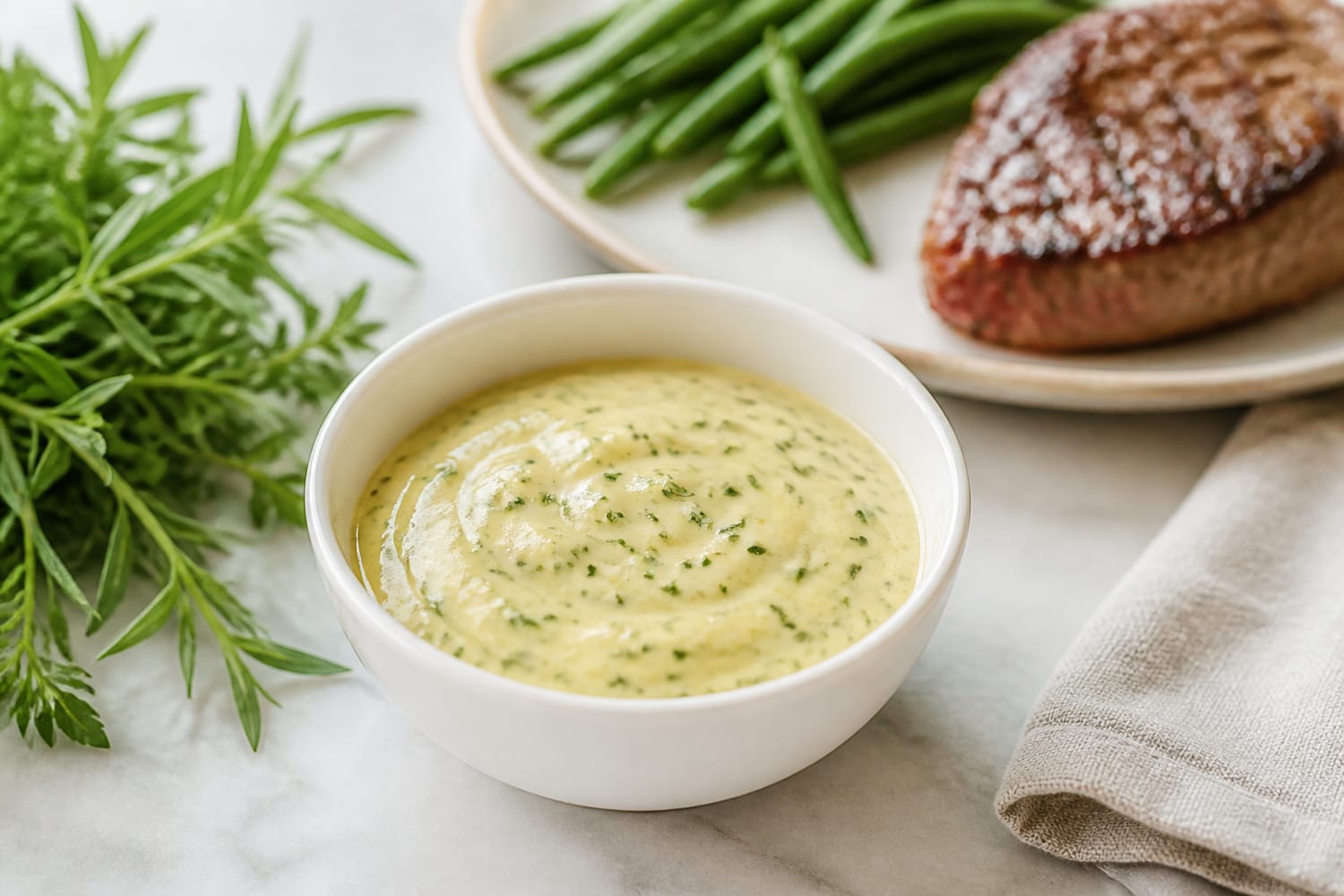
Béarnaise is a classic French sauce made from clarified butter, egg yolks, vinegar or wine reduction, shallots, tarragon, and chervil. It is closely related to hollandaise, one of the famous “mother sauces” of French cuisine, but its herbal flavor gives it a personality all its own.
The sauce was reportedly created in the 1830s by chef Jean-Louis Françoise-Collinet near Paris. It was named in honor of Béarn, a region in southwestern France and the birthplace of King Henry IV. Though its name points to the countryside, Béarnaise quickly became associated with refined dining.
Often paired with steak, Béarnaise represents French cuisine’s love of technique. Its silky texture depends on careful heat control and patience, making it a sauce that rewards precision.
Chimichurri from Argentina
Chimichurri is the bold, herbaceous sauce that belongs beside Argentina’s famous grilled meats. Usually made with parsley, garlic, oregano, vinegar, olive oil, and chili flakes, it is fresh, sharp, and deeply savory.
The origins of its name are debated. Some stories connect it to British or Irish immigrants, while others suggest Basque influence. Whatever its linguistic roots, chimichurri became inseparable from Argentina’s asado culture, where beef is cooked over open flames and shared among family and friends.
Unlike heavy sauces, chimichurri cuts through richness with acidity and herbs. It captures the spirit of the Argentine grill: simple ingredients, strong flavors, and a communal table.
Harissa from Tunisia
Harissa is a fiery red chili paste from North Africa, especially Tunisia. It is typically made with roasted red peppers, hot chiles, garlic, olive oil, coriander, cumin, and caraway. The result is smoky, spicy, and aromatic.
Chiles arrived in North Africa after the Columbian Exchange, but Tunisian cooks made them their own. Over time, harissa became a defining element of Tunisian cuisine, used in stews, couscous, grilled meats, sandwiches, and even as a table condiment.
In Tunisia, many families have their own preferred blend, and homemade harissa can vary from mildly warm to intensely hot. It is a sauce of preservation as much as flavor, allowing the brightness of peppers to last beyond their season.
Satay Sauce from Indonesia
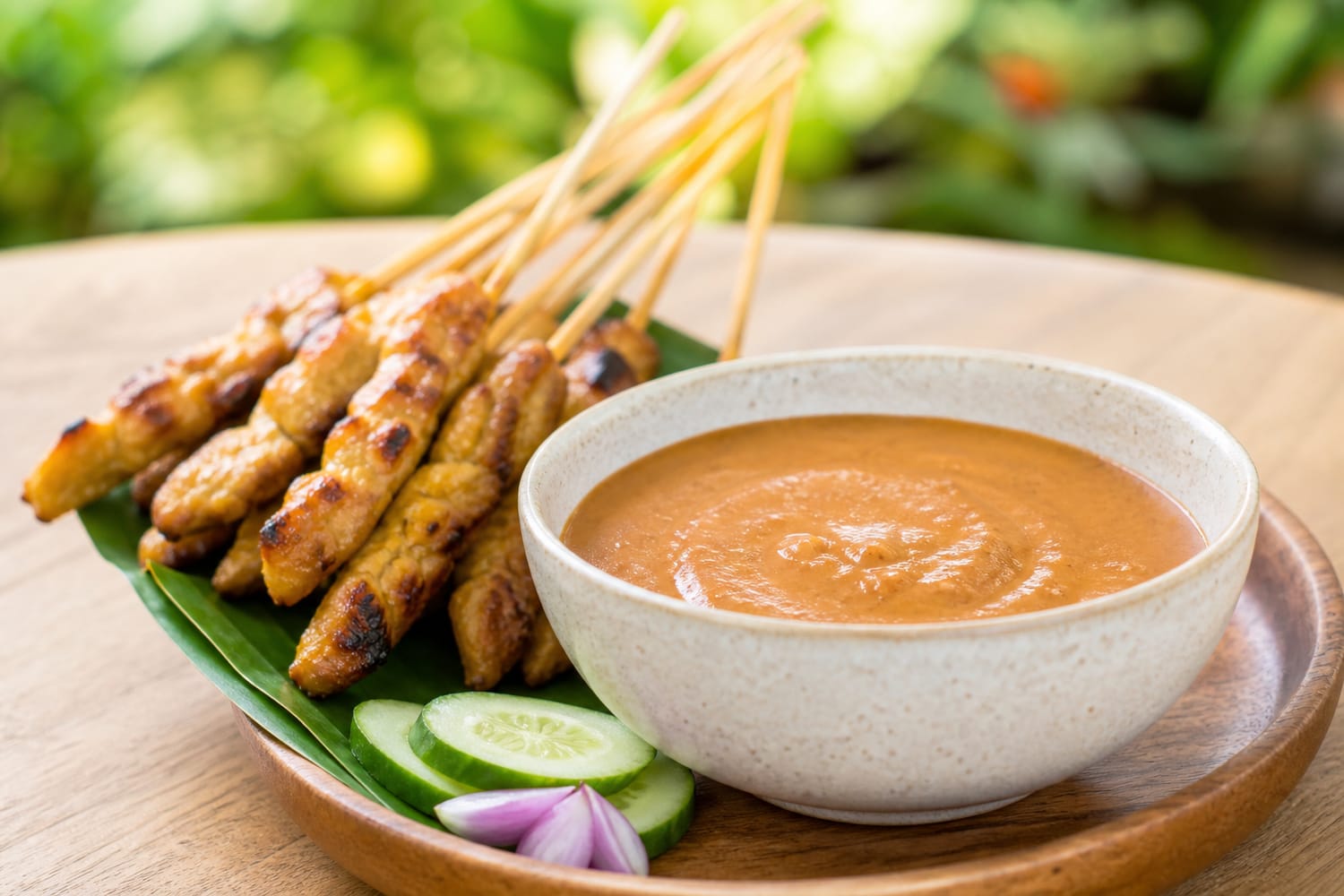
Satay sauce, often called peanut sauce, is one of Southeast Asia’s most recognizable accompaniments. It is famously served with skewered and grilled meat known as satay, especially in Indonesia, where the dish has countless regional variations.
The sauce usually combines ground peanuts, sweet soy sauce, garlic, shallots, chili, tamarind, and spices. Peanuts were introduced to the region from the Americas, but Indonesian cooks transformed them into something distinctly local through the use of native seasonings and cooking styles.
Satay itself is believed to have been influenced by Middle Eastern kebabs, adapted through trade and cultural exchange. Today, satay sauce represents Indonesia’s talent for balancing sweetness, spice, salt, and tang.
Tzatziki from Greece
Tzatziki is a cool, creamy sauce made with strained yogurt, cucumber, garlic, olive oil, lemon juice or vinegar, and herbs such as dill or mint. It is a staple of Greek cuisine and a refreshing partner for grilled meats, pita, vegetables, and gyros.
Its roots stretch across the eastern Mediterranean and the former Ottoman world, where yogurt-based sauces have long been popular. Similar preparations appear in Turkish, Persian, Balkan, and Middle Eastern cuisines, each with its own local twist.
In Greece, tzatziki is both everyday food and festive accompaniment. It reflects the region’s agricultural traditions: sheep or goat milk yogurt, fresh cucumbers, olive oil, and herbs grown under the Mediterranean sun.
Sriracha from Thailand
Sriracha is now a global hot sauce phenomenon, but its roots are in Si Racha, a coastal town in Thailand. The original Thai-style sauce is typically made with chiles, vinegar, garlic, sugar, and salt. It is often thinner, tangier, and sometimes sweeter than many international versions.
Local tradition credits a woman named Thanom Chakkapak with developing a popular version of the sauce in the 1930s. It was first used with seafood, which makes sense given Si Racha’s coastal location.
The sauce later gained worldwide fame through Vietnamese-American entrepreneur David Tran, whose rooster-labeled version became a cult favorite in the United States. Sriracha’s journey from Thai seaside condiment to global pantry staple is a story of migration, adaptation, and clever branding.
Teriyaki Sauce from Japan
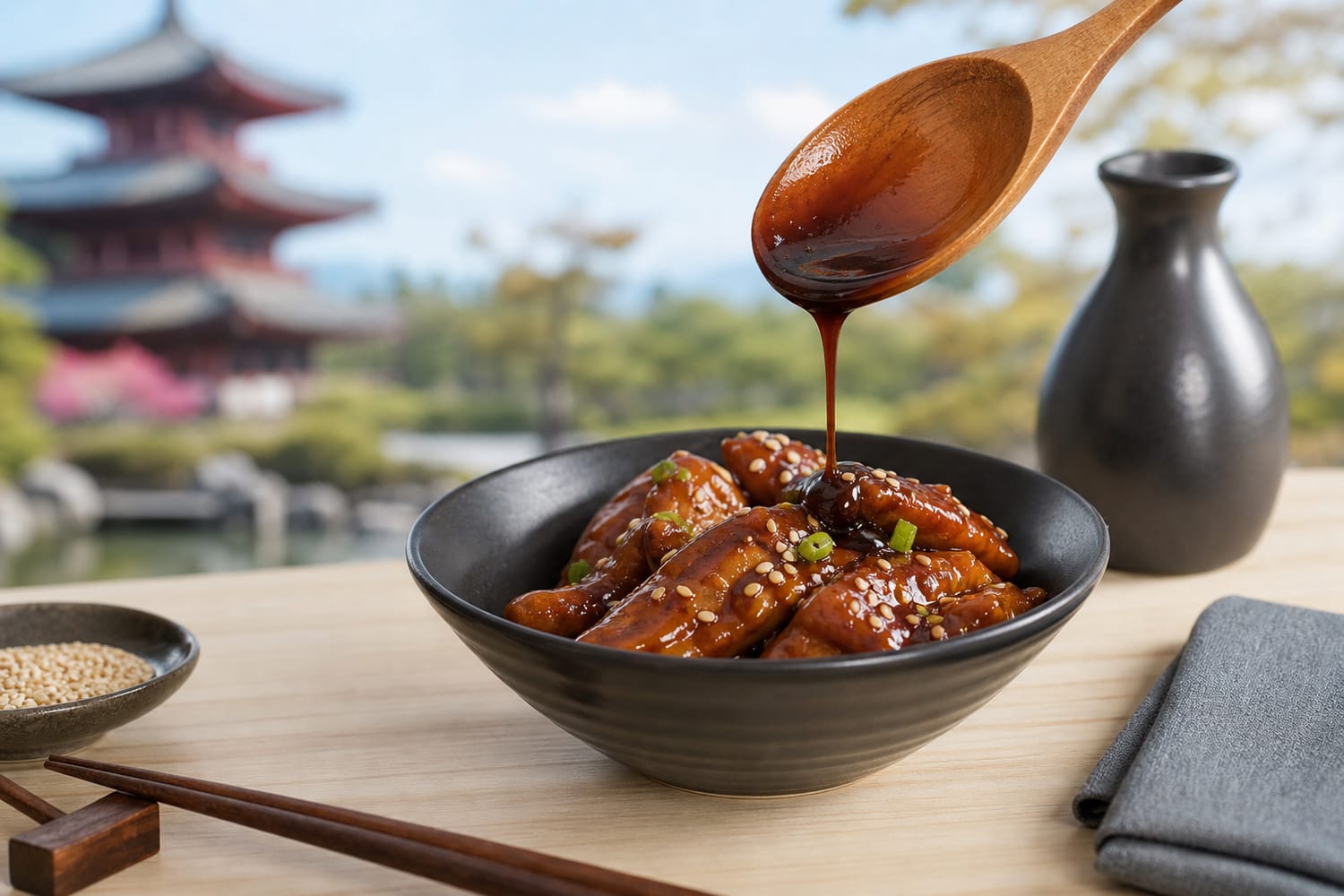
Teriyaki refers both to a cooking method and the glossy sauce associated with it. In Japanese, teri means shine or luster, while yaki means grilled or broiled. Traditional teriyaki involves glazing fish or meat with a mixture of soy sauce, mirin, sake, and sugar.
The sauce creates a beautiful sheen as it caramelizes, giving the dish its signature appearance. In Japan, teriyaki has historically been used with fish such as yellowtail or salmon, though chicken and beef versions are now common.
Outside Japan, especially in Hawaii and the mainland United States, teriyaki evolved into a sweeter, thicker sauce, sometimes including ginger, garlic, or pineapple juice. Its story shows how a traditional technique can travel and transform while keeping its essential appeal.
Peri-Peri from Mozambique and Portugal
Peri-peri sauce is fiery, citrusy, and packed with personality. It is made with small hot chiles known as peri-peri or piri-piri, along with garlic, lemon, oil, and spices. Its history is closely connected to Mozambique, Angola, and Portugal.
Portuguese traders encountered African bird’s eye chiles in southern Africa and helped spread them through their colonial networks. Over time, cooks developed marinades and sauces that combined African heat with Portuguese ingredients and techniques.
Peri-peri chicken became especially famous, but the sauce is also used with seafood, vegetables, and grilled meats. Its popularity today reflects a complex history of exchange, colonization, and culinary creativity across continents.
Barbecue Sauce from the United States
Barbecue sauce in the United States is not one sauce but many. Its flavors change dramatically by region: tomato-sweet in Kansas City, vinegar-sharp in eastern North Carolina, mustard-based in South Carolina, and spicy or smoky in Texas.
The deeper story of American barbecue is rooted in Indigenous cooking techniques, African American culinary traditions, European livestock practices, and regional agriculture. Enslaved African cooks played a major role in developing barbecue methods and flavor traditions that shaped Southern foodways.
Barbecue sauce became a way to express local identity. Molasses, vinegar, tomatoes, mustard, peppers, and smoke all tell regional stories. To taste American barbecue sauce is to taste a complicated and flavorful part of the country’s history.
The World in a Saucepan
Every iconic sauce carries a story of place. Some began in royal kitchens or convents, while others emerged from street stalls, fishing towns, family grills, or spice markets. Many were shaped by migration and trade, proving that cuisine is always moving, adapting, and absorbing new influences.
For Tour Trivia readers, sauces offer a delicious way to understand the world. They remind us that food history is not only found in grand banquets or famous restaurants. Sometimes, it is hiding in a bowl of dipping sauce, a spoonful of chili paste, or a glossy glaze brushed over the fire.