
A World Between Bread
Some of the best travel memories come wrapped, stacked, pressed, or tucked inside bread. Sandwiches are the ultimate street-level passport: portable, affordable, and packed with local history. Every region has its own answer to the same delicious question: what happens when you put beloved ingredients between slices, rolls, flatbreads, or buns?
For travelers, regional sandwiches offer more than convenience. They reveal migration stories, working-class traditions, colonial influences, local agriculture, and the pride of neighborhood food culture. At Tour Trivia, we know that sometimes the most unforgettable landmark in a city is not a monument, but a lunch counter with a line out the door.
Bánh Mì in Vietnam
The bánh mì is one of the world’s great culinary mashups. Born from French colonial influence and Vietnamese ingredients, this sandwich usually begins with a light, crisp baguette that shatters beautifully when bitten. Inside, you might find pâté, mayonnaise, pickled carrots and daikon, cucumber, cilantro, chiles, and meats such as pork belly, grilled chicken, or cold cuts.
What makes the bánh mì worth traveling for is its balance. It is rich but fresh, spicy but bright, crunchy but tender. In cities like Ho Chi Minh City and Hanoi, vendors prepare them quickly from tiny stalls, often customizing every sandwich to the customer’s preferred level of heat. It is fast food in the best possible sense: deeply local, carefully layered, and easy to eat while wandering the streets.
Philly Cheesesteak in Philadelphia
Few sandwiches are as strongly tied to a city as the Philly cheesesteak. This Philadelphia classic is built on a long roll stuffed with thinly sliced beef, often ribeye, cooked on a flat-top griddle. Cheese is essential, whether you choose provolone, American, or the famously divisive Cheez Whiz. Fried onions are a common addition, though ordering style is part of the local ritual.
The cheesesteak is not fancy, and that is the point. It is hot, messy, savory, and satisfying. Eating one in Philadelphia gives you a taste of the city’s blue-collar roots and competitive food pride. Everyone seems to have an opinion about the best spot, and sampling a few is practically a civic activity.
Croque Monsieur in France
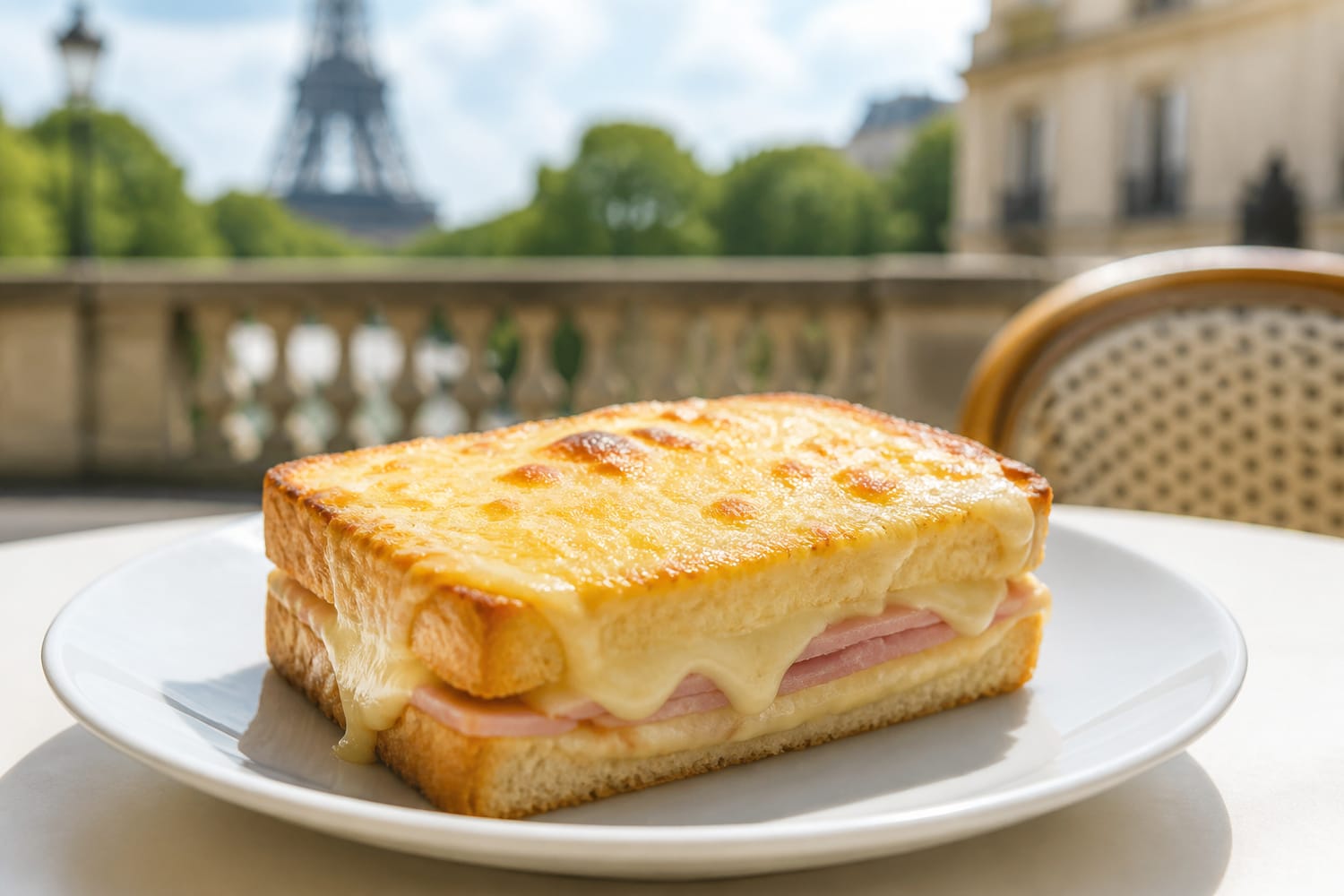
The croque monsieur proves that a ham and cheese sandwich can become elegant with the right technique. Found in cafés across France, it typically features ham and Gruyère or Emmental cheese between slices of bread, topped or filled with creamy béchamel, then grilled or baked until golden and bubbling.
This is comfort food with Parisian polish. The exterior is crisp, the cheese is nutty and melted, and the sauce adds richness without overwhelming the sandwich. Order a croque madame and you will get the same glorious creation crowned with a fried egg. Enjoying one at a sidewalk café is a simple pleasure that feels unmistakably French.
Katsu Sando in Japan
Japan’s katsu sando is a masterclass in precision. It usually consists of a breaded and fried pork cutlet placed between slices of soft, crustless milk bread, often with tonkatsu sauce and finely shredded cabbage. Variations may use chicken, beef, or even luxurious wagyu.
What makes the katsu sando special is the contrast. The bread is pillowy, the cutlet is crisp, and the sauce brings tangy sweetness. You can find versions in convenience stores, train stations, department store food halls, and high-end restaurants. In Japan, even a grab-and-go sandwich can feel thoughtfully crafted.
Choripán in Argentina
In Argentina, the choripán is a celebration of fire, sausage, and simplicity. The name combines chorizo and pan, or bread, and that is essentially what it is: grilled chorizo tucked into a crusty roll. The essential finishing touch is chimichurri, the herbaceous sauce made with parsley, garlic, vinegar, oil, and spices.
Choripán is closely associated with asados, football matches, street markets, and public gatherings. It is smoky, juicy, and bold, the kind of sandwich that tastes best when eaten outdoors. In Buenos Aires or Mendoza, finding a vendor with sausages sizzling over open flames is an invitation you should accept.
Francesinha in Portugal
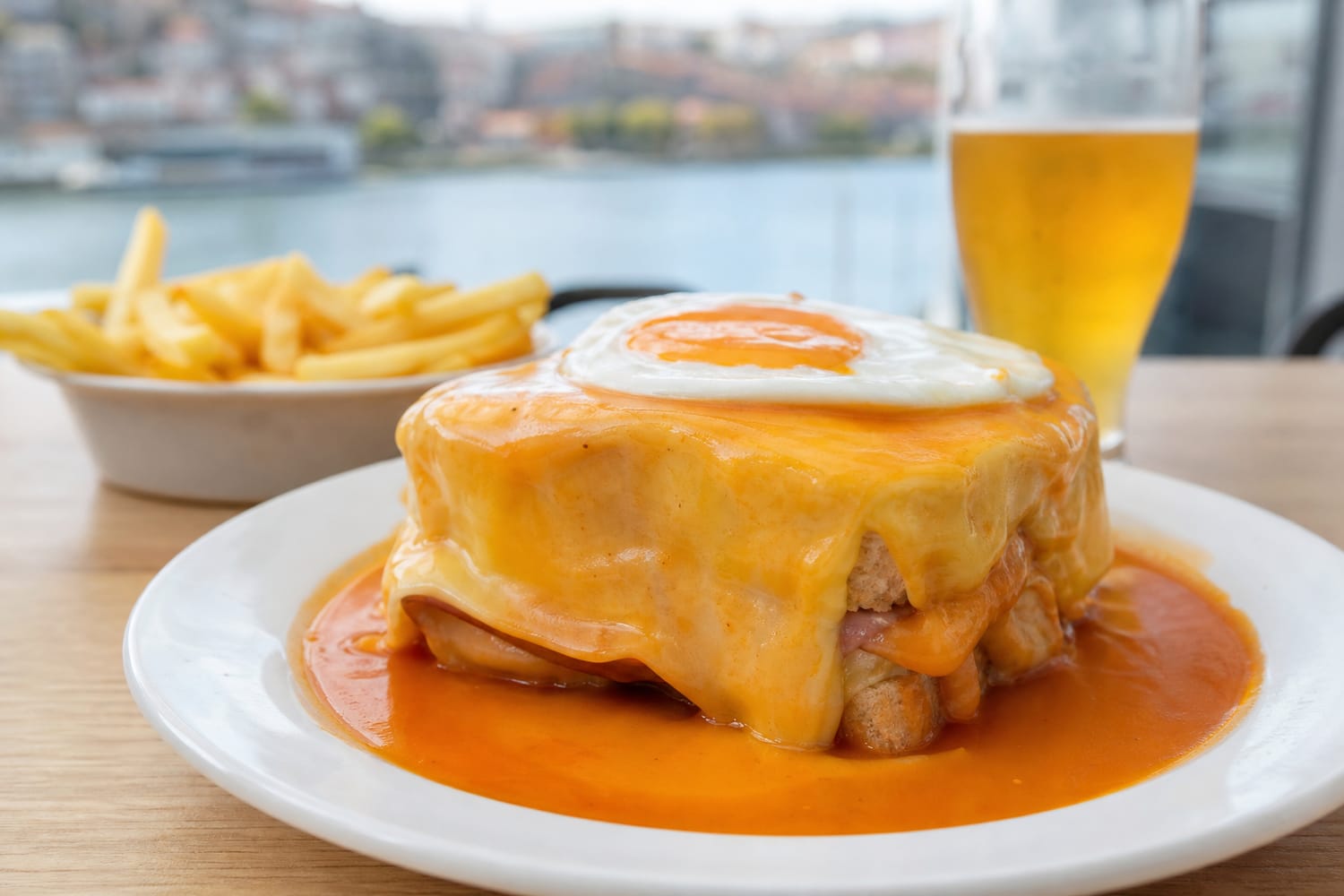
Porto’s francesinha is not a sandwich for the faint of appetite. Its name means “little French woman,” but there is nothing little about it. Inspired loosely by the French croque monsieur, the francesinha is typically made with layers of bread, ham, sausage, steak or roast meat, and melted cheese, all covered in a rich tomato-and-beer sauce. It is often served with fries and sometimes topped with an egg.
This is a knife-and-fork sandwich, hearty enough to require a nap afterward. The sauce is the secret, and every restaurant seems to guard its own recipe. Travelers visiting Porto should try it at least once, preferably with a cold beer and plenty of time.
Vada Pav in India
Mumbai’s vada pav is often called the city’s answer to the burger, but it has a personality all its own. A spiced potato fritter, or vada, is tucked into a soft bread roll called pav, then served with chutneys and fried green chiles. The potato mixture is flavored with ingredients like mustard seeds, turmeric, garlic, ginger, and curry leaves.
Vada pav is cheap, filling, vegetarian, and beloved across Mumbai. It is a commuter’s snack, a student’s meal, and a street-food icon. The best versions deliver heat, crunch, softness, and spice in every bite. For visitors, it is one of the most accessible and memorable ways to taste the rhythm of the city.
Medianoche in Cuba
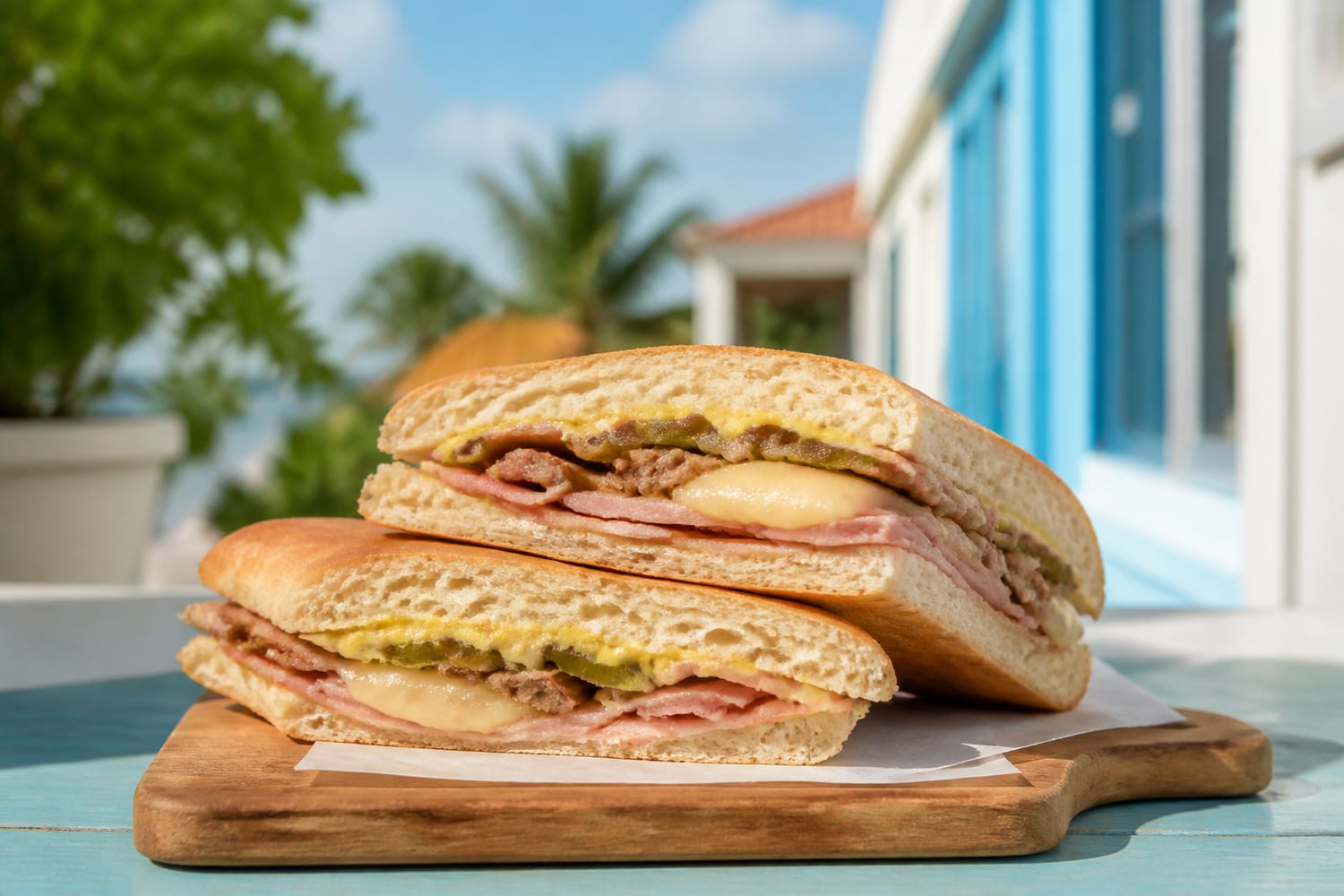
The medianoche, meaning “midnight,” is a Cuban sandwich traditionally enjoyed late at night, especially after dancing. It is similar to the Cuban sandwich but made with a slightly sweet, soft egg bread. Inside, you will usually find roast pork, ham, Swiss cheese, pickles, and mustard, pressed until warm and crisp.
Its magic lies in the contrast between the sweet bread and savory filling. The pressed exterior becomes golden and delicate, while the cheese melts into the pork and ham. In Havana or Miami’s Cuban neighborhoods, the medianoche offers a taste of Cuban nightlife, family cooking, and café culture.
Bocadillo de Calamares in Spain
Madrid may be landlocked, but one of its most famous sandwiches is filled with seafood. The bocadillo de calamares features fried squid rings stuffed into a crusty baguette-style roll. It is often served simply, perhaps with a squeeze of lemon or a swipe of alioli.
Around Plaza Mayor, this sandwich is a local institution. The appeal is direct: crisp, salty calamari against chewy bread. It is unfussy, filling, and best eaten while standing at a bar or sitting in a nearby square. For travelers expecting elaborate toppings, the bocadillo de calamares is a reminder that sometimes restraint is what makes a dish iconic.
Gatsby in South Africa
Cape Town’s Gatsby is a sandwich built for sharing. Usually served on a long roll, it can be filled with combinations of steak, chicken, polony, sausage, or fish, but the defining ingredient is a generous pile of hot chips, or French fries. Sauces, salad, and spicy condiments often join the feast.
The Gatsby emerged from Cape Flats communities and remains a symbol of abundance, affordability, and local creativity. It is enormous, messy, and deeply satisfying. Eating one is as much a social experience as a meal, especially when split among friends after a long day of exploring Cape Town.
The Best Souvenirs Are Edible
Regional sandwiches prove that great food does not need white tablecloths or complicated presentation. A perfect sandwich can carry centuries of history, the influence of migration, the flavor of local ingredients, and the personality of a place in just a few bites.
Whether you are chasing a bánh mì in Vietnam, a francesinha in Porto, or a Gatsby in Cape Town, these sandwiches are worth planning around. They are meals, maps, and memories all at once — delicious reminders that travel is often best experienced one bite at a time.