
One Grain, Ten Very Different Desserts
Rice pudding is only the beginning. Around the world, rice becomes a chilled holiday dessert, a banana-leaf cake, a chewy dumpling, or a warm bowl flavored with cocoa. Some sweets use whole grains; others start with rice flour. The results differ so much in texture and flavor that it’s hard to believe they share an ingredient.
Mango Sticky Rice — Thailand
Thai mango sticky rice pairs warm, tender glutinous rice with ripe mango and sweetened coconut cream. A little salt in the coconut mixture keeps the fruit’s sweetness from overwhelming everything else. The pleasure is in the contrast: creamy and chewy rice against cool, juicy slices of mango.
If you spot it while exploring Thai food, order it when the mangoes look especially good. It’s a bright, fruit-forward finish to a meal—and a reminder that rice needn’t disappear into a pudding to become dessert.
Kheer — India
Kheer takes rice in a richer direction. Simmered slowly in milk, the grains soften as the liquid thickens around them. Cardamom lends a floral warmth, while toppings such as pistachios add a little crunch. Recipes vary, but the appeal is constant: a comforting dessert that tastes fragrant rather than simply sugary.
Kheer is an inviting choice if you usually like rice pudding but want to see how much difference a spice can make. For more savory stops on the same culinary journey, explore Tour Trivia’s guide to local delicacies around the world.
Daifuku — Japan
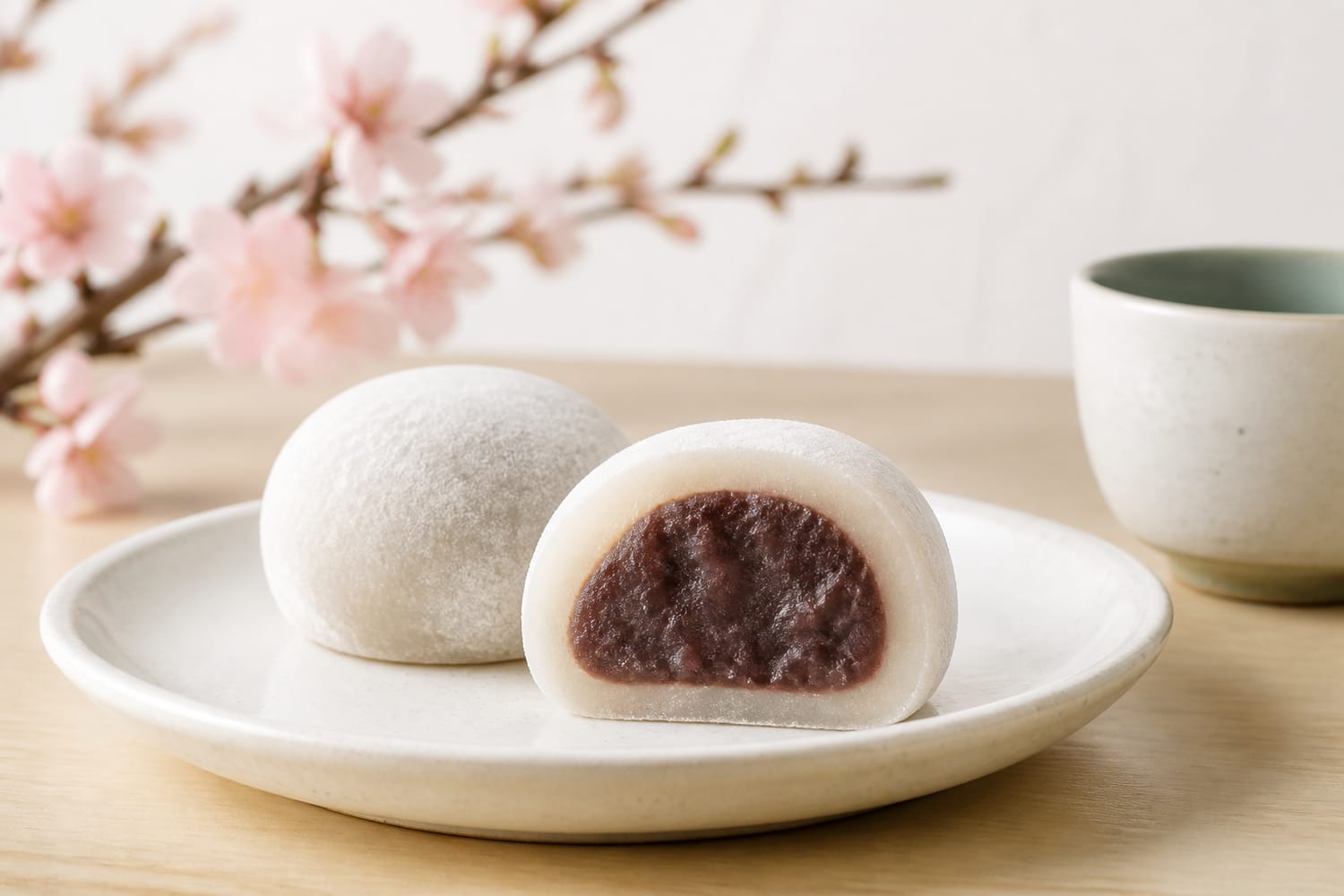
Daifuku looks nothing like a bowl of rice. This Japanese confection wraps a filling of sweetened red bean paste in a soft, springy mochi shell. The rice is transformed into a smooth dough, making the gentle resistance of each bite as memorable as its flavor.
Classic red-bean daifuku is pleasantly earthy and not as sweet-tasting as many frosted desserts. Try it with tea, and don’t confuse it with mochi ice cream: both have a chewy exterior, but the traditional bean filling gives daifuku its own character.
Tangyuan — China
Tangyuan are glutinous-rice-flour balls served in a warm liquid. Bite into a version filled with black sesame, and the pale, chewy exterior gives way to a dark, nutty center. Other fillings exist, but sesame makes the contrast especially striking.
These sweets are associated with the Lantern Festival and the idea of reunion. They’re also a useful lesson in expectations: a rice dessert can arrive in a bowl without being a pudding. The liquid surrounds distinct, tender dumplings rather than blending with the rice.
Klepon — Indonesia
Klepon saves its biggest surprise for the first bite. The small glutinous-rice-flour balls are filled with palm sugar, boiled, and rolled in grated coconut. Inside, the sugar softens into syrup, so the chewy shell and coconut coating give way to a burst of deep, caramel-like sweetness.
They’re best approached as a bite-sized treat, not a neat fork-and-plate dessert. If you’re browsing a market, ask about the filling before biting in—the molten center is the whole point, and it can catch a first-timer off guard.
Bibingka — Philippines
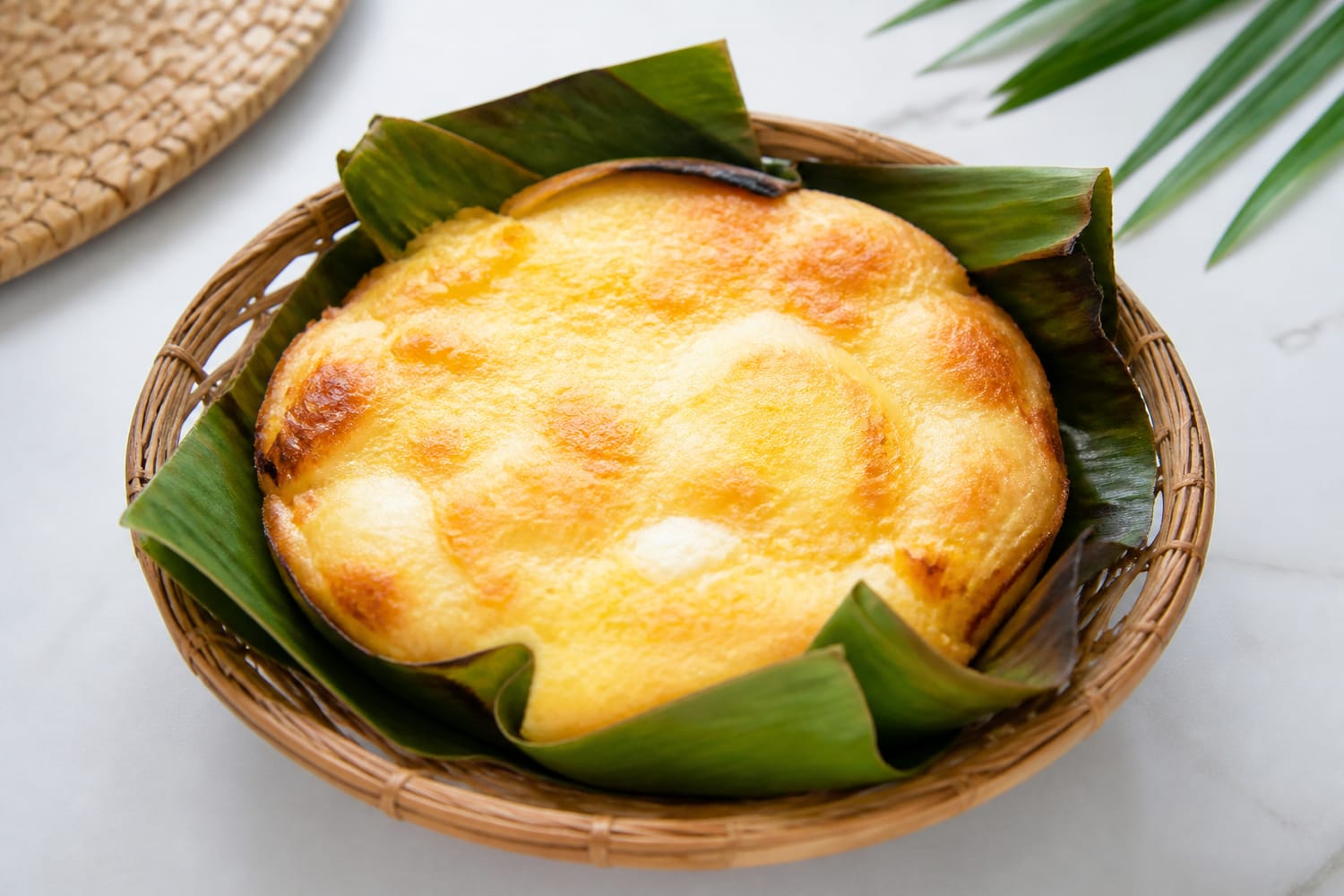
Bibingka turns rice into cake. Made with rice flour and baked against banana leaves, it offers a soft crumb and a warm aroma that sets it apart from boiled or steamed sweets. Coconut, butter, and even cheese can bring sweet and savory notes together.
It’s a festive treat, particularly associated with the holiday season, but its appeal isn’t limited to celebrations. Try it warm if you can. Tour Trivia’s look at festive foods around the globe offers more ways to explore what celebrations taste like; Food Network also has a bibingka recipe if you’d rather start at home.
Fırın Sütlaç — Turkey
Fırın sütlaç begins as a milk-and-rice pudding, then goes into the oven until its surface browns in spots. That final step is what makes it stand out: the top has a lightly toasted flavor, while the pudding underneath stays soft and creamy.
If you think every rice pudding tastes alike, this is a good one to challenge that assumption. Take a spoonful from the browned surface and the milky layer below together. The contrast is subtle, but it changes the whole dessert.
Risalamande — Denmark
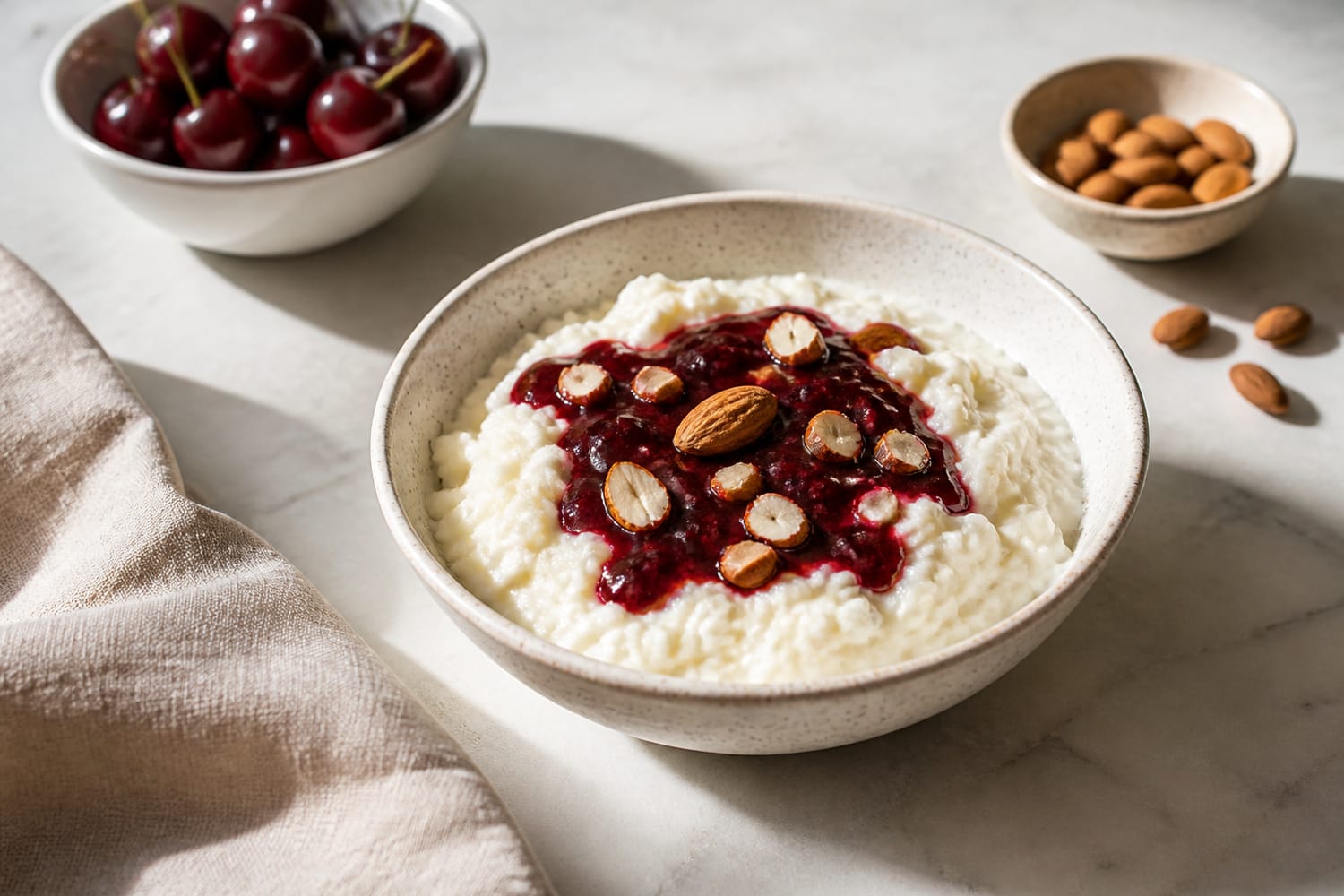
Denmark’s risalamande is a chilled rice dessert enriched with whipped cream, vanilla, and chopped almonds, then served with cherry sauce. It feels lighter and airier than a warm rice pudding, while the fruit adds a tart edge.
There’s a bit of holiday suspense in the bowl, too. Danish Christmas tradition calls for hiding one whole almond in the dessert; whoever finds it receives a prize. It’s a sweet example of how a dish can be both something to eat and a reason for everyone at the table to pay attention.
Arroz con Leche — Mexico
Mexican arroz con leche brings rice, milk, sugar, and cinnamon together in a familiar-looking bowl. Raisins, vanilla, or citrus zest may appear depending on the recipe. Unlike kheer’s cardamom-led fragrance, cinnamon gives this version a warm, recognizable spice note.
The texture can vary from loose and spoonable to thick and creamy. If you’re offered a homemade bowl, don’t expect it to match the last one you tried: those small differences are part of the pleasure of a dessert made in many kitchens.
Koko Alaisa — Samoa
Koko alaisa answers a question you may not have thought to ask: what happens when rice pudding meets cocoa and coconut? The result is a deeply flavored Samoan dish that can be enjoyed as dessert, though it isn’t limited to the end of a meal. Koko Samoa gives it a distinctive chocolate character.
For a closer look at the ingredients, SBS Food’s koko alaisa recipe combines rice with coconut milk and grated koko. It’s a fitting final stop: familiar rice, transformed once again by what’s cooked alongside it.
Follow the Texture, Not Just the Map
There’s no need to choose between “rice pudding” and “rice cake” when exploring these sweets. Look instead for the experience you want: juicy fruit, a toasted top, a chewy shell, or a spoonful of something creamy. For more food-led travel inspiration, Tour Trivia’s global street-food journey is another place to start. One humble grain has plenty of destinations left to show you.