
Fruit Has More to Offer Than Dessert
Fruit can turn a savory dish in several directions: tartness cuts through fat, sweetness softens heat, and firm or fibrous flesh can become the heart of a meal. The trick is to give fruit something to play against—salt, spice, smoke, or richness. These ten dishes show how cooks around the world make that contrast work.
Green Papaya Salad
In Thai som tam, unripe papaya is the main event. Shredded into crisp strands, it has little of the sweetness you might expect from ripe papaya. Instead, it carries a punchy dressing of lime, fish sauce, chilies, and a touch of sugar, while peanuts add crunch.
Why it works: Green papaya behaves almost like a vegetable, holding its texture under a bold dressing. For the best contrast, use genuinely firm, unripe fruit rather than a soft papaya from the breakfast bowl. A Thai green papaya salad guide shows how the ingredients come together.
Pomegranate Fesenjan
Iranian fesenjan brings together chicken, ground walnuts, and pomegranate molasses in a dark, deeply flavored stew. The pomegranate isn’t a garnish: its concentrated juice gives the sauce its defining sweet-tart character. Walnuts contribute richness and body, making the fruit’s acidity especially welcome.
Why it works: Each spoonful has tension between tart fruit and rich nuts. If you make it at home, taste the sauce before adding extra sugar; pomegranate molasses varies in intensity, and that lively sour edge is part of the appeal.
Pineapple Pizza
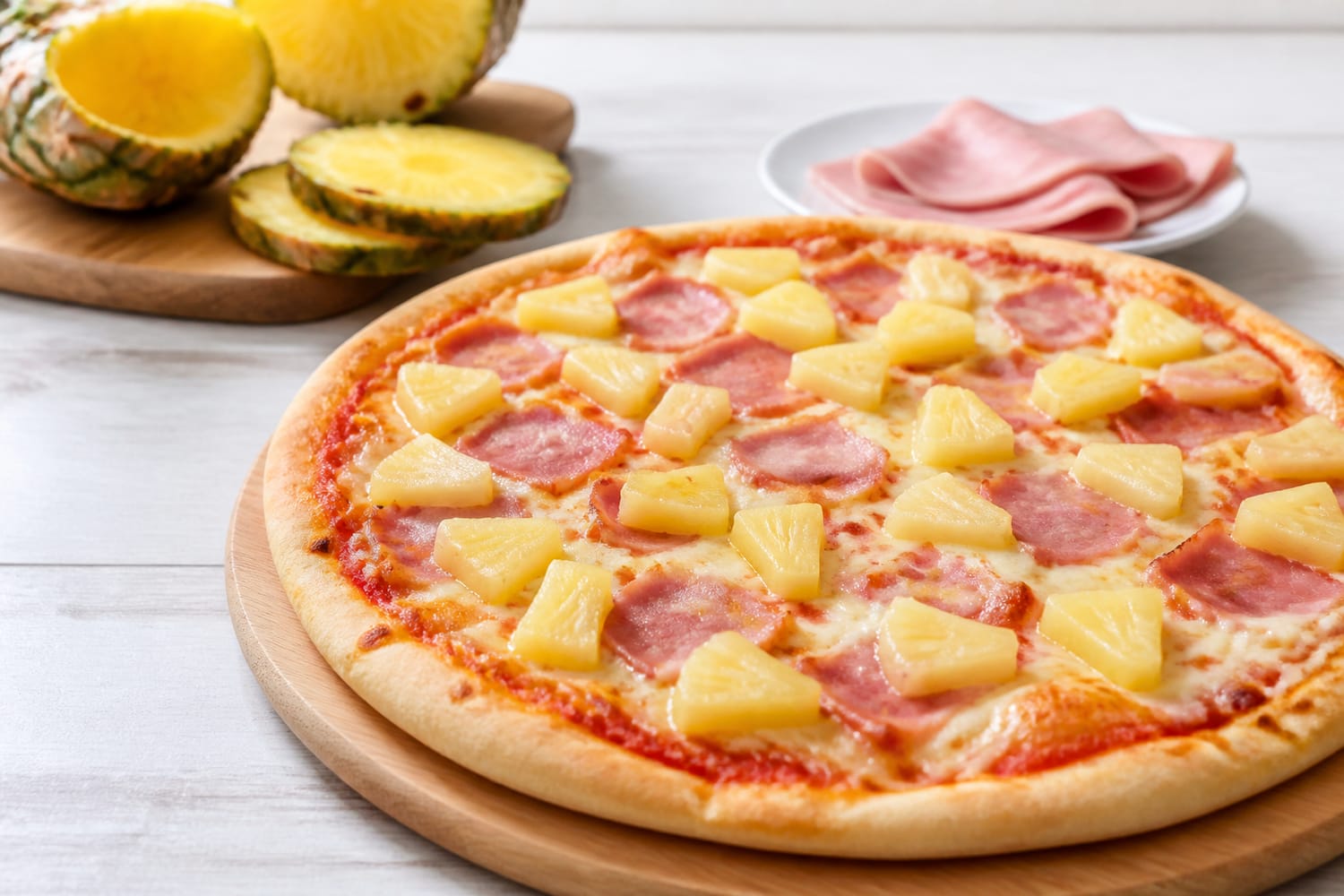
On a Hawaiian pizza, pineapple sits among tomato sauce, cheese, and salty ham. Its bright, juicy bites divide pizza lovers, but the flavor logic is straightforward: sweetness contrasts with salt and melted cheese.
Why it works: Pineapple keeps a rich slice from tasting one-note. Drain canned pieces thoroughly, or use small pieces of fresh fruit, so the crust stays crisp. And here’s a nugget for the table: despite its name, Hawaiian pizza was created in Canada, as Tour Trivia explains in its look at foods named after places they aren’t from.
Apricot Tagine
Dried apricots are right at home in a fragrant tagine-style stew with chicken or eggplant, onions, and warm spices. As they simmer, they soften and release sweetness into the broth while remaining substantial enough to find in each serving.
Why it works: Apricots round out earthy spices without turning the dish into dessert. Add lemon or preserved lemon for contrast, and serve the stew over couscous to catch the sauce. If your apricots are particularly sweet, begin with a modest handful; you can always add more.
Mango Chicken Curry
Ripe mango can do more than sit beside a curry as chutney. Blended into a sauce, it gives spiced chicken a smooth, fruity base; added in pieces near the end, it offers occasional sweet bites.
Why it works: Mango softens the sharp edges of ginger and spice, while a squeeze of lime keeps the finished dish from tasting too sweet. For a practical model, this chicken and mango curry uses fruit both in its sauce and as sliced pieces added toward the end of cooking.
Watermelon and Feta Salad
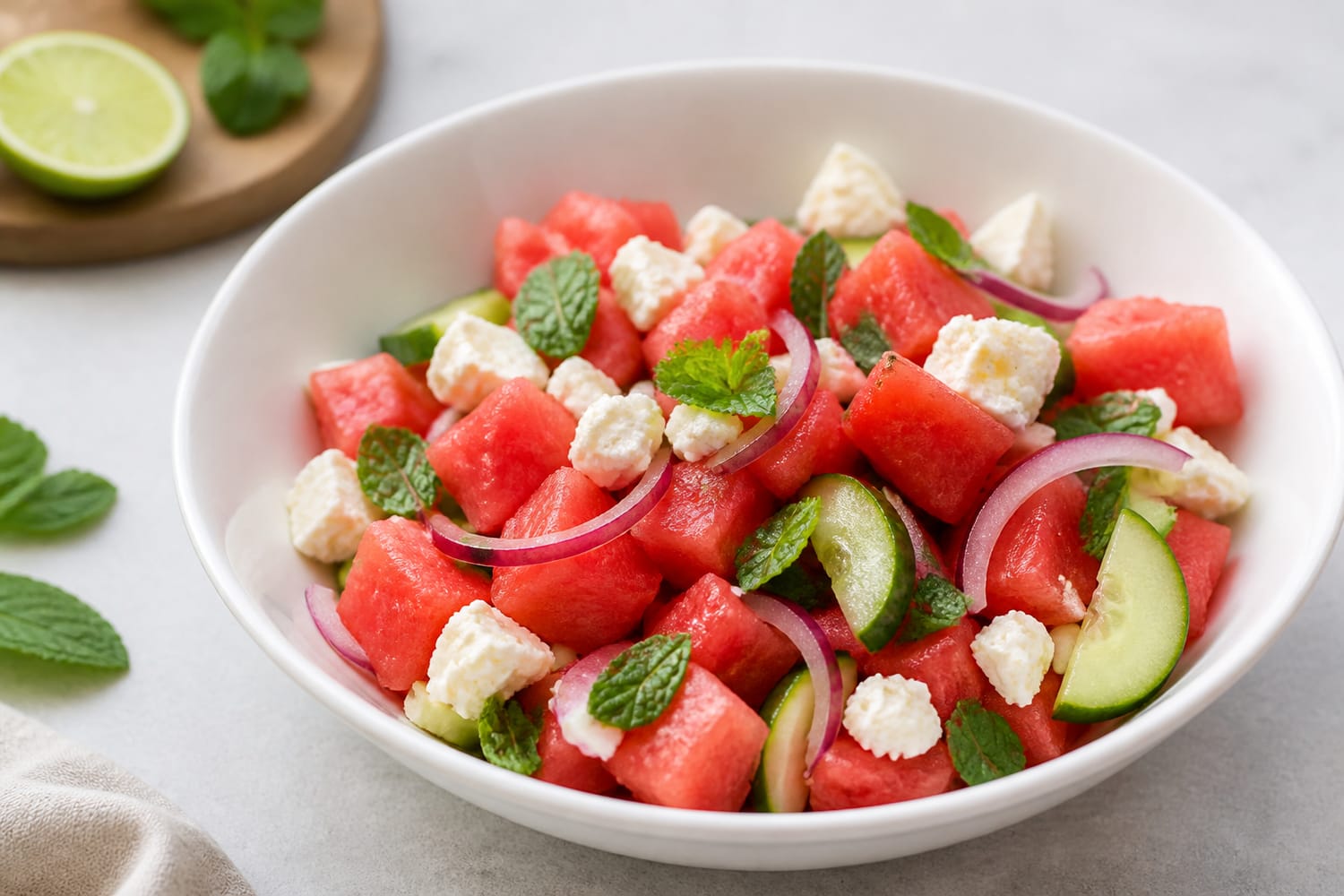
Watermelon makes a generous foundation for a savory summer salad. Layer chunks with feta, mint, cucumber, and perhaps a few thin slices of red onion. A little olive oil and lime juice bring everything together.
Why it works: Salty, creamy feta gives the melon’s sweetness a clear counterpoint, while herbs and cucumber make each bite refreshing. Chill the melon first, then dress the salad just before serving. That way, it stays crisp and juicy without leaving a puddle at the bottom of the bowl.
Plantain Mofongo
Plantains are fruit, but green ones are starchy rather than sweet. In Puerto Rican mofongo, fried green plantains are mashed with garlic and often pork cracklings, then served with toppings or sauce. The plantain supplies the dish’s satisfying substance, not just a fruity accent.
Why it works: Frying develops a savory flavor and gives the mash texture; garlic and salt bring it fully into dinner territory. Choose green plantains for this preparation. Yellow, ripening ones bring a different, sweeter result.
Duck With Orange Sauce
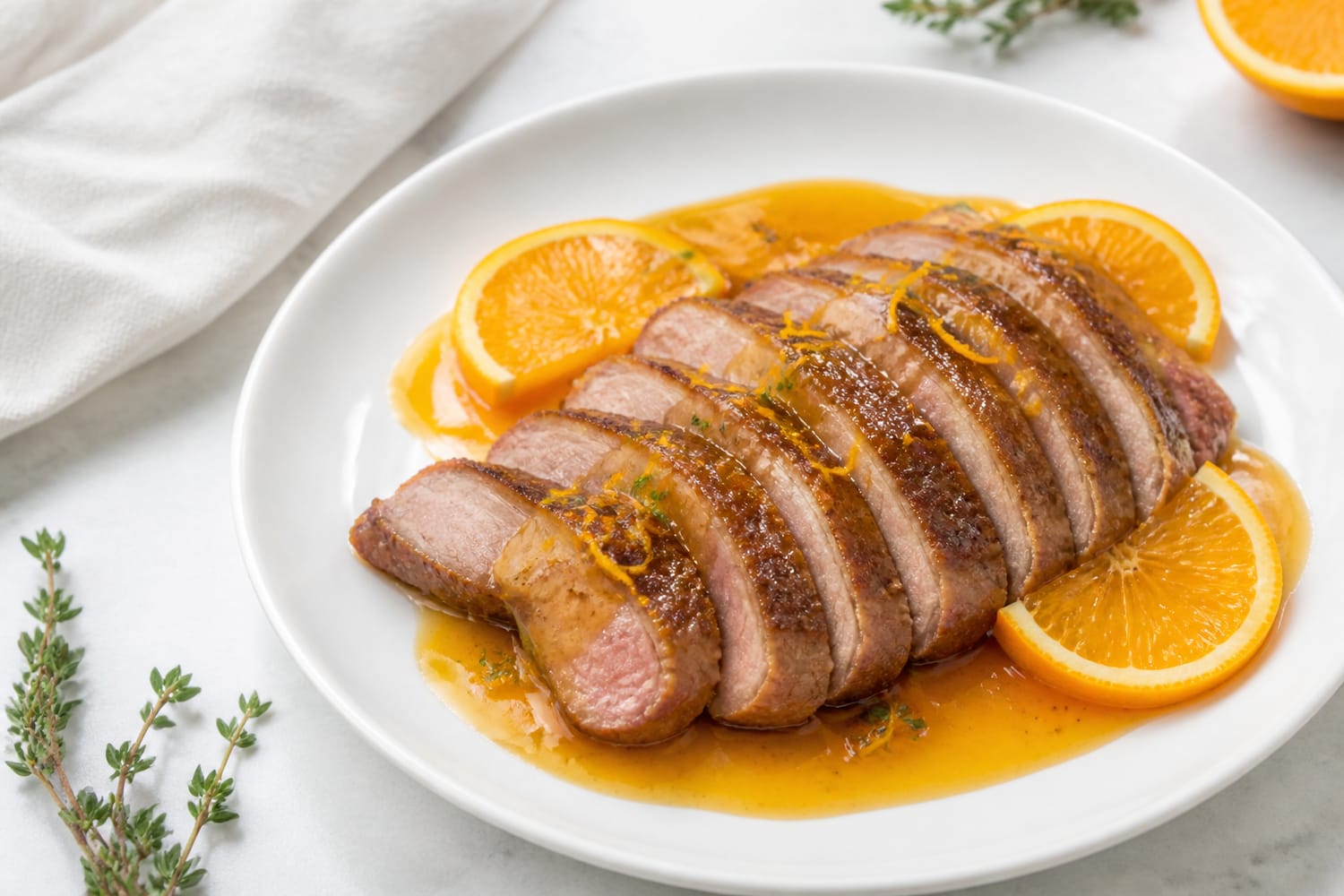
Duck and orange are a classic pairing for good reason. Duck has enough richness to stand up to a vivid fruit sauce, while orange contributes both sweetness and acidity. Zest adds fragrance without requiring more juice or sugar.
Why it works: A tart orange sauce refreshes the palate after each bite of duck. Reduce the sauce until it lightly coats a spoon, then taste before sweetening it. The goal is contrast, not syrup. Bitter or particularly tart oranges can make the pairing even more striking, though ordinary oranges work with careful seasoning.
Jackfruit Tacos
Young jackfruit has a mild flavor and a fibrous texture that can be pulled into shreds. Simmer it with smoky spices, onions, and a tangy sauce, then pile it into tortillas with cabbage and pickled onions.
Why it works: The fruit gives the filling its structure while absorbing the seasonings around it. Look for young jackfruit packed in water or brine, not ripe fruit in syrup. Drain it well, and let some edges brown in the pan before adding sauce for a more interesting mix of tender and crisp bites.
Pork With Apples
Apples can share the skillet with browned pork chops, onions, and a splash of cider or stock. As they cook, some slices soften into the pan juices while others hold their shape. The result feels hearty, with fruit woven through the meal rather than saved for afterward.
Why it works: Apple sweetness complements pork, and a tart variety prevents the sauce from becoming cloying. Cut the slices thick enough to survive cooking, then finish with a little mustard or vinegar if the pan sauce needs a sharper edge.
The Savory-Fruit Rule of Thumb
These dishes don’t succeed by hiding the fruit. They give it a job: papaya provides crunch, plantain brings substance, pomegranate shapes a sauce, and pineapple delivers contrast. When trying your own combination, start with the fruit’s strongest quality—sweet, tart, juicy, or firm—then pair it with something that makes that quality shine.