
One Herb, Two Very Different Reactions
A scattering of cilantro can make a taco taste bright and fresh—or, to someone else, make the whole thing taste like soap. The difference isn’t just a matter of being adventurous with food. Cilantro contains aromatic compounds that people perceive differently, partly because of genetic variation. Experience and the way the herb is served matter, too.
That makes cilantro a particularly good table-side mystery: How can two people eat the same salsa and disagree so completely about what’s in it?
The “Taste” Is Largely About Smell
Cilantro’s fresh leaves contain aldehydes, a family of aromatic compounds found in many plants. To some people, the herb smells lively, citrusy, or pleasantly green. To others, something in that aroma suggests soap. The leaves haven’t picked up detergent; different noses are interpreting the same ingredient in different ways.
Why call it a taste if smell is involved? Because flavor is a collaboration. As you chew, aromatic molecules travel from the back of your mouth toward smell receptors behind your nose. Your brain combines those signals with information from your tongue. The result feels like one experience: the flavor of the bite. The American Chemical Society’s explanation of cilantro’s chemistry describes why researchers suspect smell plays such a large part in this particular food debate.
What Does the “Cilantro Gene” Actually Do?
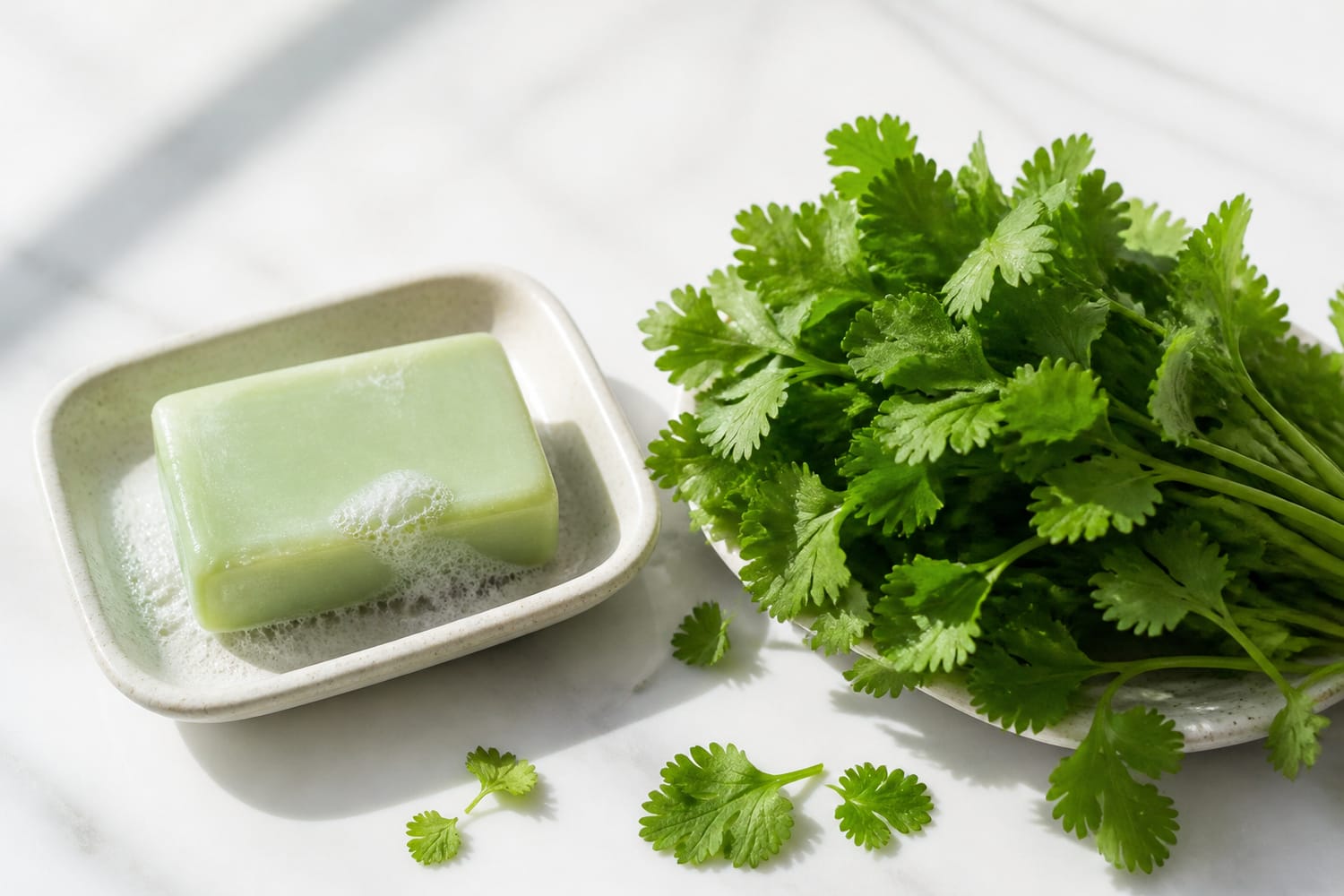
You may have heard that disliking cilantro means you have “the soap gene.” The real finding is more interesting—and less absolute. In a study of more than 14,000 people of European ancestry who answered a question about cilantro’s soapy flavor, researchers found an association with a genetic variant near a cluster of smell-receptor genes. One candidate in that cluster, OR6A2, responds to several aldehydes associated with cilantro’s aroma.
The published cilantro genetics study did not establish a single gene that determines whether someone will love or hate the herb. The variant accounted for only a small part of the difference between people’s responses. It offers a clue to why the soapy note stands out for some eaters, not a verdict on anyone’s palate.
It also helps explain why “you’re just imagining it” misses the point. If someone says cilantro makes their lunch taste like soap, that is a real description of their experience—even if the person across the table tastes something entirely different.
Why Do Other People Love It?
For cilantro fans, those same leaves can bring a quick, fragrant lift to a rich or spicy dish. A handful scattered over tacos, stirred into a sauce, or added to a curry contributes something different from heat, salt, or sourness. It’s one reason cooks often use the fresh herb where its aroma can be noticed immediately.
Enjoyment isn’t only a matter of receptors, either. Familiar meals and positive experiences can influence what we expect from a flavor and how we feel about it. Cilantro might be associated with a favorite family recipe for one diner and an overpowering first bite for another. Neither reaction makes that person a better judge of food.
The herb’s place in different kitchens offers another clue. As Tour Trivia’s look at how cultures combine herbs and spices shows, cilantro can sit alongside lime and chiles in Mexican cooking or join other fresh herbs in Thai dishes. Those pairings give it a context: instead of tasting a leaf alone, you encounter it as part of a balanced meal.
How Common Is Cilantro Dislike?

There’s no universal percentage for the population, and disliking cilantro is not identical to finding it soapy. One study of young adults in Canada found that the share who disliked cilantro ranged from 3% to 21% across the groups it surveyed. The researchers cautioned that their participants were not a representative sample of everyone, and their results could not separate the effects of biology from those of familiarity and food culture.
So a statistic about cilantro dislike shouldn’t be turned into a claim that the same percentage of people possess a particular gene—or experience the exact same soap-like flavor. “Not for me” can mean many things.
Cilantro Leaves and Coriander Seeds Aren’t the Same Flavor
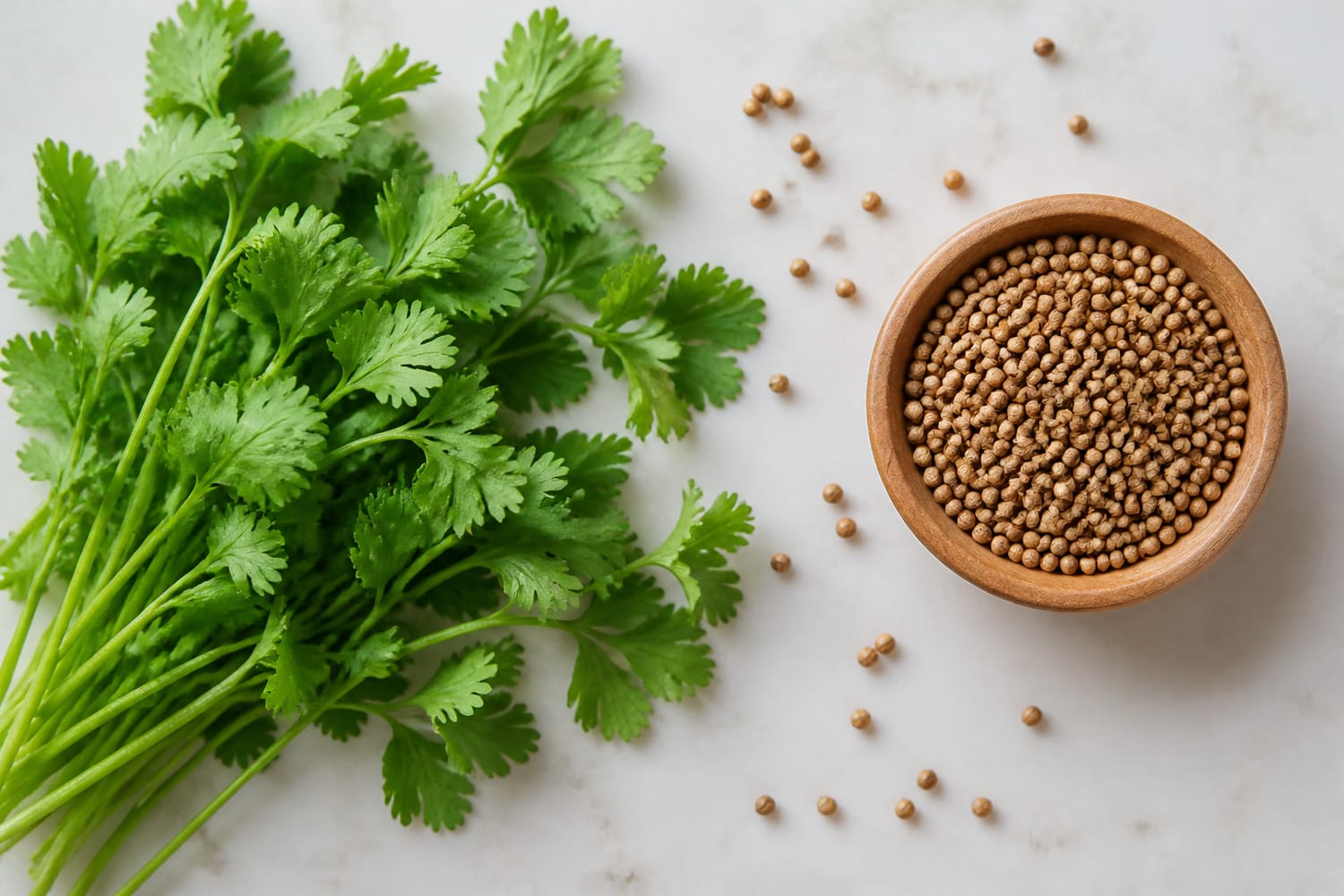
Here’s a useful menu detail: in U.S. cooking, cilantro usually means the plant’s fresh leaves, while coriander commonly means its dried seeds. They come from the same plant, but they’re used differently and don’t taste interchangeable. Elsewhere, the leaves may be called fresh coriander, so it’s worth checking what a recipe means.
That distinction matters if the leaves taste soapy to you. You don’t have to rule out every dish containing coriander seed. Consider each ingredient separately: the fresh green garnish on a plate and the ground spice in a seasoning blend are different culinary experiences.
Can You Learn to Like Cilantro?
Possibly—but there’s no need to make it a project. Food preferences can change with experience, while the evidence does not promise that repeated exposure will make a strong soapy impression disappear. If you’re curious, try a small amount in a dish you already enjoy rather than starting with a large pile of raw leaves. Pay attention to whether it works better alongside other flavors.
If it still tastes unpleasant, leave it out. Flat-leaf parsley can provide a fresh-looking garnish, while another herb may suit the particular dish better. When cooking for others, serving cilantro on the side lets everyone finish their own plate. That’s more useful than trying to settle a disagreement no one is imagining.
A Small Lesson in Different Palates
Cilantro makes an everyday point surprisingly vivid: sharing a meal doesn’t guarantee sharing the same flavor experience. Chemistry supplies the aromatic ingredients, our senses and genes help interpret them, and our histories with food add another layer. It belongs in the same conversation as Tour Trivia’s other foods people love or hate—though few can start an argument with just a few chopped leaves.
The next time someone asks for extra cilantro while someone else asks for none, the simplest response may be the best one: pass the herb separately, and let both diners enjoy their food.