
The First Bite Is Never Just About Hunger
Street food has a special kind of magic. You can be walking through a night market in Bangkok, a plaza in Mexico City, a train station in Mumbai, or a seaside promenade in Istanbul, and one smell can stop you in your tracks. Smoke, spice, sizzling fat, fresh herbs, charred bread, caramelized sugar—street food grabs attention before you even see it.
But why does it taste so good?
The answer is part science, part culture, and part atmosphere. Street food is not simply “food sold outside.” It is food designed for immediacy: cooked fast, served hot, eaten fresh, and often perfected over generations. It combines bold flavors, skilled technique, local ingredients, and the excitement of eating in the middle of daily life.
For travelers, street food is also one of the easiest ways to taste a place honestly. It is where recipes meet routine, where locals line up, where vendors become neighborhood institutions, and where a few coins can buy a memory that lasts for years.
Heat, Smoke, and the Power of the Maillard Reaction
One major reason street food tastes incredible comes down to heat. Many street foods are cooked over open flames, charcoal grills, flat-top griddles, hot woks, or deep fryers. These methods create intense temperatures that home kitchens often struggle to match.
That high heat triggers the Maillard reaction, a chemical process that happens when amino acids and sugars react under heat. It is responsible for the browned crust on grilled meat, the golden surface of fried dough, the crispy edges of a taco filling, and the deep flavor of seared noodles. In simple terms, browning equals flavor.
Think of satay skewers grilled over charcoal in Indonesia, yakitori in Japan, or kebabs in Turkey. The slightly charred edges, smoky aroma, and juicy center are not accidents. They are the result of controlled heat, timing, and years of practice.
Smoke adds another layer. Charcoal and wood release aromatic compounds that cling to food, creating depth and complexity. That smoky note can make even simple ingredients—corn, bread, fish, chicken, peppers—taste richer and more satisfying.
Fat, Salt, Acid, and Crunch
Street food vendors understand flavor balance, even if they are not describing it in scientific terms. The best street foods often hit several sensory notes at once: salty, fatty, sour, sweet, spicy, and crispy.
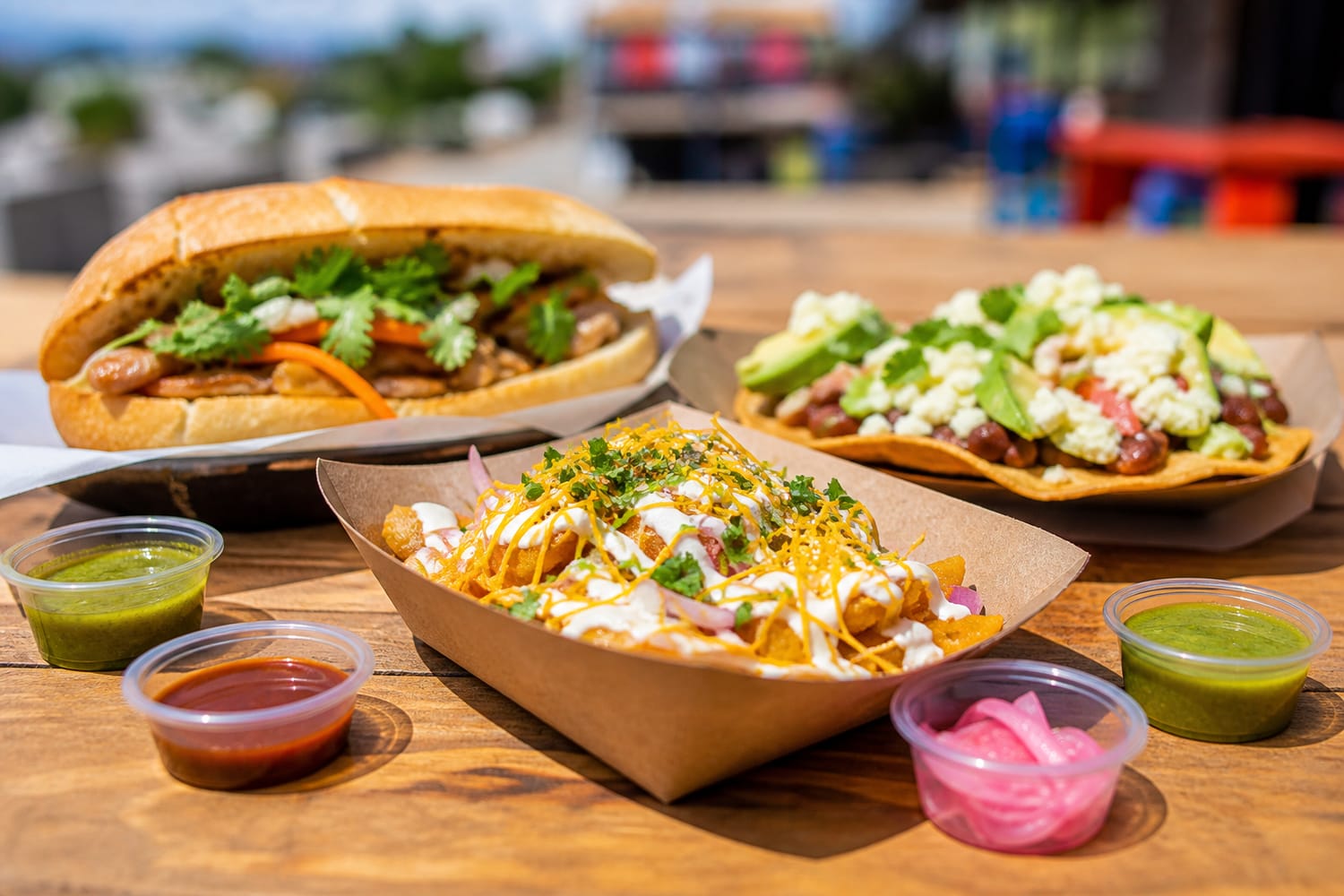
Fat carries flavor. It helps spices bloom, keeps meat moist, and gives fried foods their satisfying richness. Salt sharpens everything, making ingredients taste more like themselves. Acid—from lime juice, vinegar, pickles, tamarind, yogurt, or fermented sauces—cuts through heaviness and keeps each bite lively.
Then there is texture. Humans love contrast, and street food is full of it. A Vietnamese bánh mì combines crusty bread, creamy pâté or mayo, juicy meat, crunchy pickled vegetables, fresh herbs, and chili heat. A Mexican tostada offers crisp tortilla, soft beans, bright salsa, and creamy avocado. A plate of Indian chaat might mix fried dough, yogurt, chutneys, potatoes, onions, and sev into one chaotic, perfect bite.
Crunch is especially powerful because it signals freshness. A crisp sound tells your brain that something is exciting, recently cooked, and worth paying attention to.
Freshness You Can See
Street food often tastes better because it is made right in front of you. There is little mystery. You see the dough stretched, the noodles tossed, the dumplings steamed, the meat grilled, the herbs chopped, and the sauce poured.
This visible freshness changes the experience. A taco handed to you seconds after the tortilla leaves the griddle tastes different from one assembled long before you arrive. A hot crêpe folded on a Paris street, a bowl of pho served steaming in Vietnam, or a paper cone of Belgian fries fresh from the fryer delivers aroma and texture at their peak.
Timing matters in food. Crispy things soften. Herbs wilt. Bread cools. Sauces soak in. Street food is often built around the idea that the best time to eat something is immediately.
There is also trust in motion. Busy stalls with quick turnover usually have ingredients constantly being cooked and replaced. That rhythm keeps food fresh and gives the best vendors a loyal following.
Recipes Perfected Through Repetition
Many street food vendors specialize in just one dish or a small menu. That focus is a superpower. Instead of trying to cook everything, they master a few things completely.
A vendor who has made the same noodle soup for twenty years knows exactly how the broth should smell, when the noodles are ready, how much sauce to add, and how customers like it finished. A falafel maker can shape, fry, and serve by instinct. A dosa vendor knows the exact spread of batter, the right sizzle, and the perfect moment to fold.
Repetition leads to refinement. Small improvements accumulate over time: a better spice ratio, a crispier frying technique, a faster assembly method, a more balanced sauce. Some stalls become famous not because they are fancy, but because they are consistent.
In many places, recipes pass through families. A cart may represent a grandmother’s seasoning blend, a father’s marinade, or a regional technique brought from a village to a city. When you eat there, you are tasting practice, memory, and inheritance.
The Role of Place and Atmosphere
Street food does not exist in a vacuum. Part of its flavor comes from the environment around it.
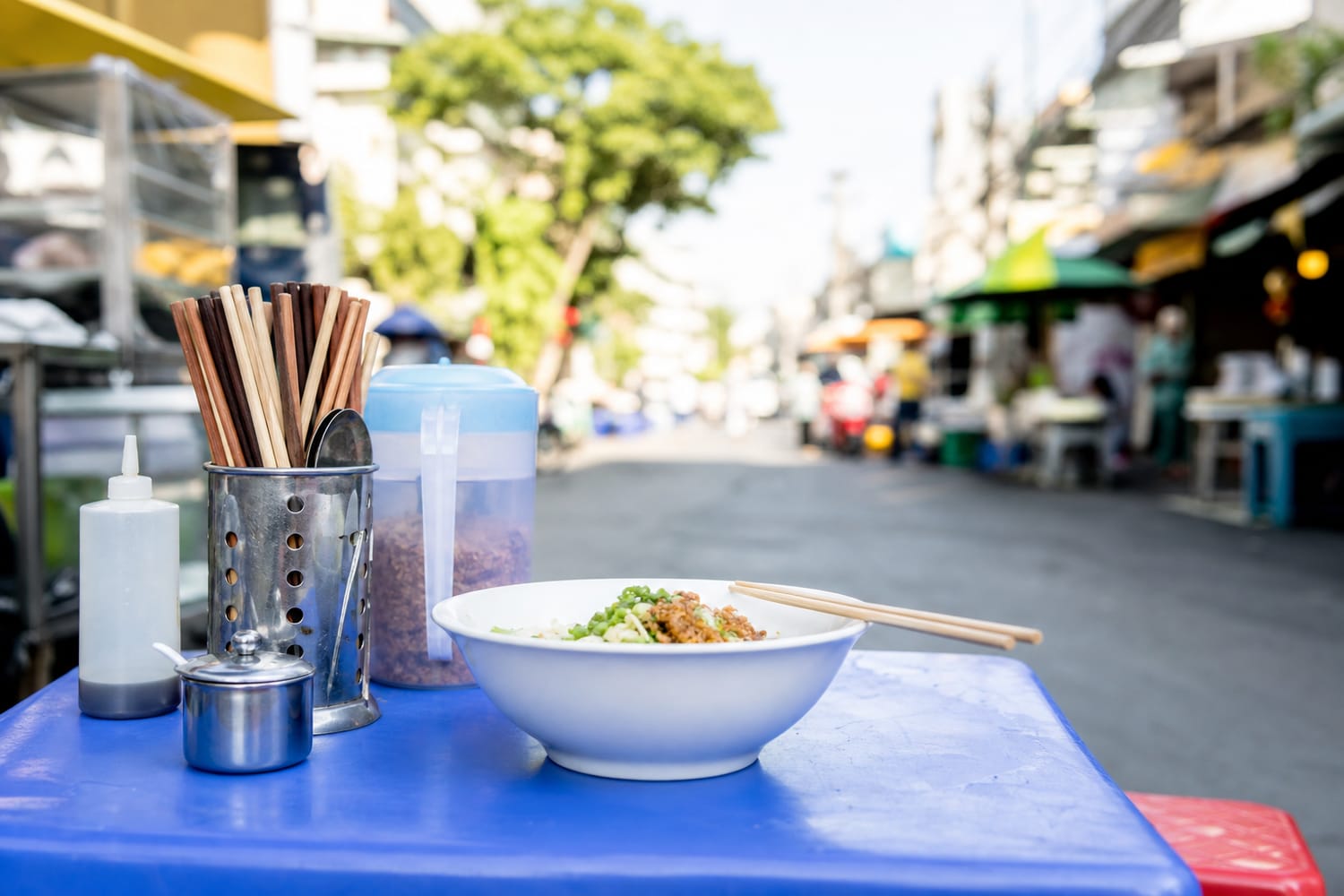
A bowl of noodles eaten on a plastic stool in a busy alley feels different from the same bowl served under white tablecloths. The sounds of traffic, vendors calling out, oil crackling, music playing, and people chatting all become part of the meal. Your brain connects flavor with context, and travel heightens the senses.
This is why vacation food memories can be so vivid. You do not just remember what you ate; you remember the warm evening air, the market lights, the friendly vendor, the line of locals, and the first taste after a long day of exploring.
At Tour Trivia, we love the idea that food is one of the most enjoyable ways to learn about the world. Street food tells stories about migration, trade, geography, religion, climate, and creativity. A single snack can reveal centuries of influence.
Street Food as Cultural History
Many iconic street foods were born from necessity. They had to be affordable, portable, filling, and quick. Workers needed meals they could eat during short breaks. Travelers needed food near stations and ports. Families needed ways to sell something delicious with limited equipment.
That practicality created brilliance.
Tacos reflect the importance of corn, regional fillings, and salsa traditions in Mexico. Currywurst tells a postwar story in Germany, mixing sausage with ketchup and curry powder influenced by global trade. Trinidadian doubles, made with fried flatbread and curried chickpeas, reflect Indian heritage in the Caribbean. New York hot dogs reveal immigration, urban work culture, and the rise of quick city eating.
Street food also adapts easily. Vendors respond to what people want, what ingredients are available, and what sells. This makes street food one of the most dynamic forms of cuisine. It is traditional, but never frozen in time.
The Joy of Customization
Another reason street food tastes so good is that it is often personal. You can choose your spice level, add extra herbs, squeeze on lime, request more sauce, or pick your filling.
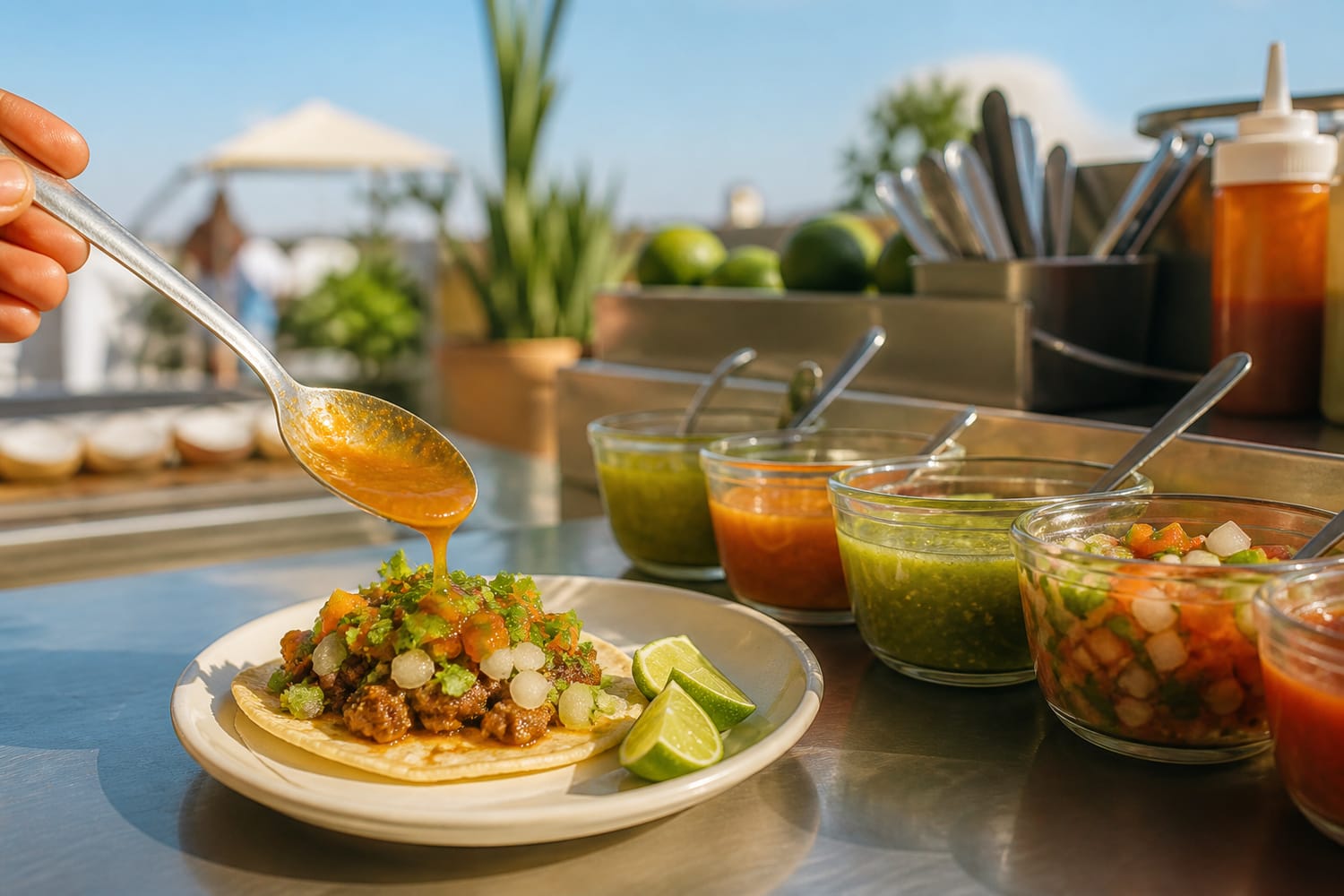
This customization creates involvement. You are not just receiving a dish; you are finishing it. Whether you are adding chili oil to dumplings, sprinkling za’atar on bread, piling pickles onto shawarma, or choosing chutneys for samosas, you become part of the flavor-building process.
Condiments are especially important. Around the world, street food stalls often have their own sauces, relishes, spice blends, and pickles. These finishing touches are where vendors express identity. Two stalls may sell the same dish, but the sauce can make one unforgettable.
Affordable Food With High Emotional Value
Street food is usually inexpensive, but that does not mean it is simple in meaning. In fact, its accessibility is part of its beauty. It brings together students, workers, tourists, families, and late-night wanderers.
Because street food is affordable, people often eat it casually and frequently. That repetition makes it emotional. A certain snack may remind someone of childhood, school days, festivals, train rides, or evenings with friends.
For travelers, the low cost encourages curiosity. You can try more dishes, take small risks, and discover unexpected favorites. Some of the world’s best bites are not hidden behind reservations or tasting menus. They are wrapped in paper, served on skewers, ladled into bowls, or passed through a stall window.
Why the Best Bites Stay With Us
Street food tastes so good because it appeals to every sense at once. The science is powerful: high heat, browning, smoke, fat, salt, acid, spice, and texture all work together. But the culture matters just as much. Street food is shaped by history, community, repetition, and place.
It is food made for the moment, often by people who know exactly what they are doing. It is fast, but not careless. Simple, but not boring. Affordable, but deeply valuable.
The next time a sizzling cart or crowded market stall catches your attention, follow your curiosity. Watch the technique, notice the ingredients, listen to the sounds, and take that first bite while it is still hot. You may find that the world’s best food is not always found in the most formal settings.
Sometimes, it is right there on the street.