
A Little Applause at the End of the Runway
The wheels touch down, the engines roar, and a few passengers begin to clap. Within seconds, the sound may spread through the cabin—or disappear beneath the noise of braking. Why do passengers clap when a plane lands? Usually, it’s a quick expression of relief, gratitude, or excitement. The meaning depends as much on the flight and destination as it does on the person applauding.
It’s a small ritual with an outsized ability to divide travelers. To one passenger, the applause says, “We made it!” To another, it raises an awkward question: Wasn’t landing the whole point of the flight?
Does the Landing Clap Have an Origin Story?
There’s no known moment when passengers collectively decided to start applauding landings. One early documented example comes from a Cincinnati Enquirer report published on November 20, 1948. An American Airlines plane had circled while its crew dealt with a landing-gear indication problem. After the aircraft landed safely, passengers clapped in relief. The episode shows that the gesture has been around for decades, but it doesn’t prove that those passengers invented it.
That distinction matters. Applause is an ordinary human response to a tense situation ending well. It could easily have arisen on different flights for different reasons, without anyone copying a single celebrated landing.
What makes the ritual interesting isn’t a neat founding date. It’s how the same sound can mean something entirely different from one cabin to the next.
Relief You Can Hear
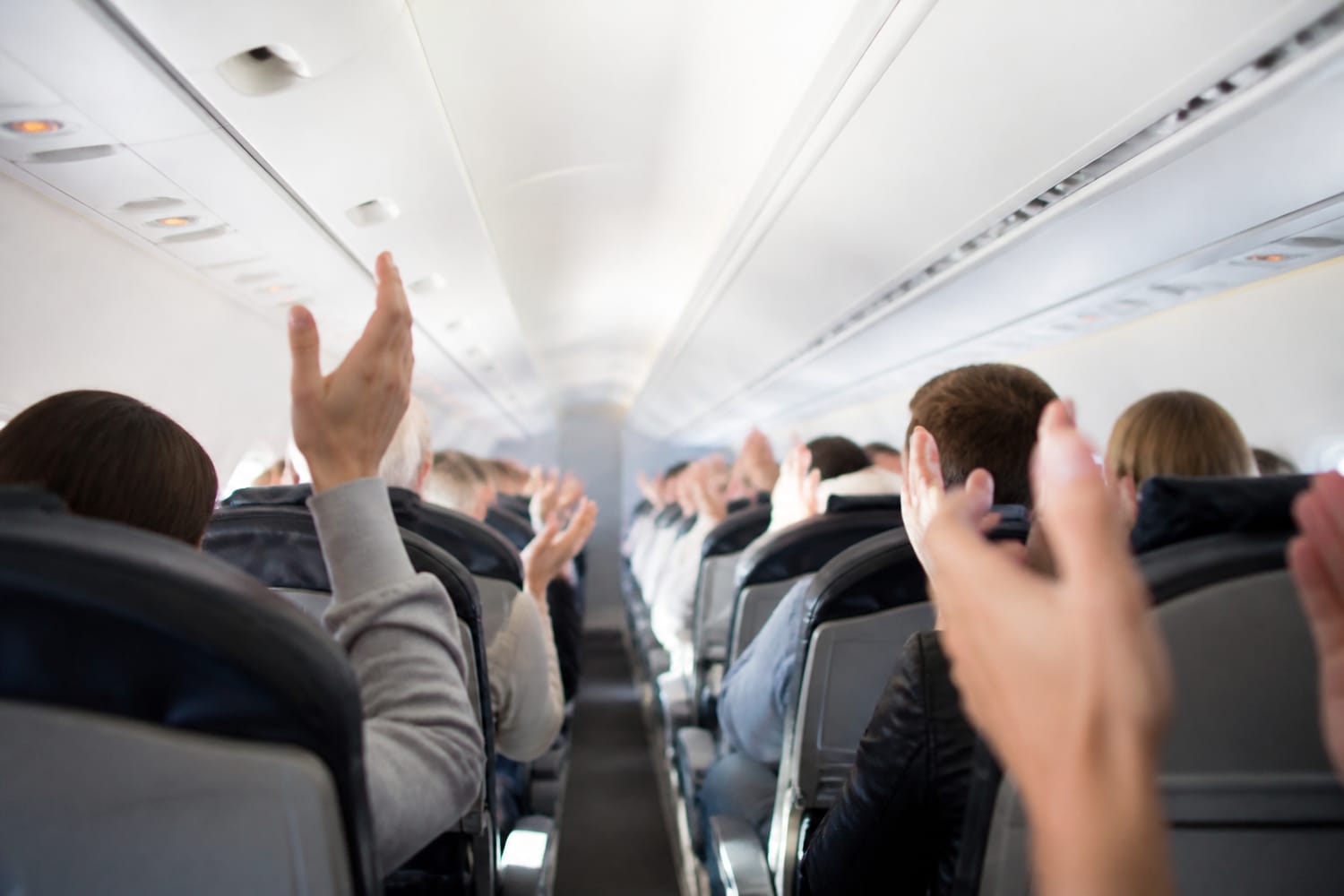
After a turbulent descent, an extended delay, or an unexpected change of plans, clapping can release tension. Passengers have spent the flight with little control over what happens next. Once the aircraft is on the runway, applause gives that shared feeling somewhere to go.
That doesn’t mean a bumpy flight was necessarily unsafe. Turbulence can feel alarming even when the aircraft is handling it as designed; the European Union Aviation Safety Agency’s guide to flying explains that aircraft are built for turbulent conditions and emphasizes following crew instructions and wearing a seat belt. A passenger’s relief is still real, even when their fear was greater than the danger.
Sometimes the clap is less about fear than suspense. A cabin that has waited through a long flight may treat touchdown as the moment everyone can finally exhale.
A Thank-You, Even If the Pilots Don’t Hear It
For some passengers, applause recognizes the people who got them there. Pilots, flight attendants, air traffic controllers, and ground teams all contribute to a flight, though the cockpit crew receives most of the imagined credit when the wheels meet the runway.
It’s worth resisting the idea that a loud clap means the landing was especially skillful—or that a quiet cabin means the crew did anything less impressive. Passengers can feel a landing, but they don’t know all the conditions and decisions behind it. Pilot Patrick Smith, writing about the custom, described landing applause as a friendly, communal gesture rather than a technical verdict on the crew.
And if you want to thank someone directly, a sincere word to the cabin crew as you leave is easier to deliver than a message through a closed cockpit door.
Sometimes It’s About Where You’ve Arrived
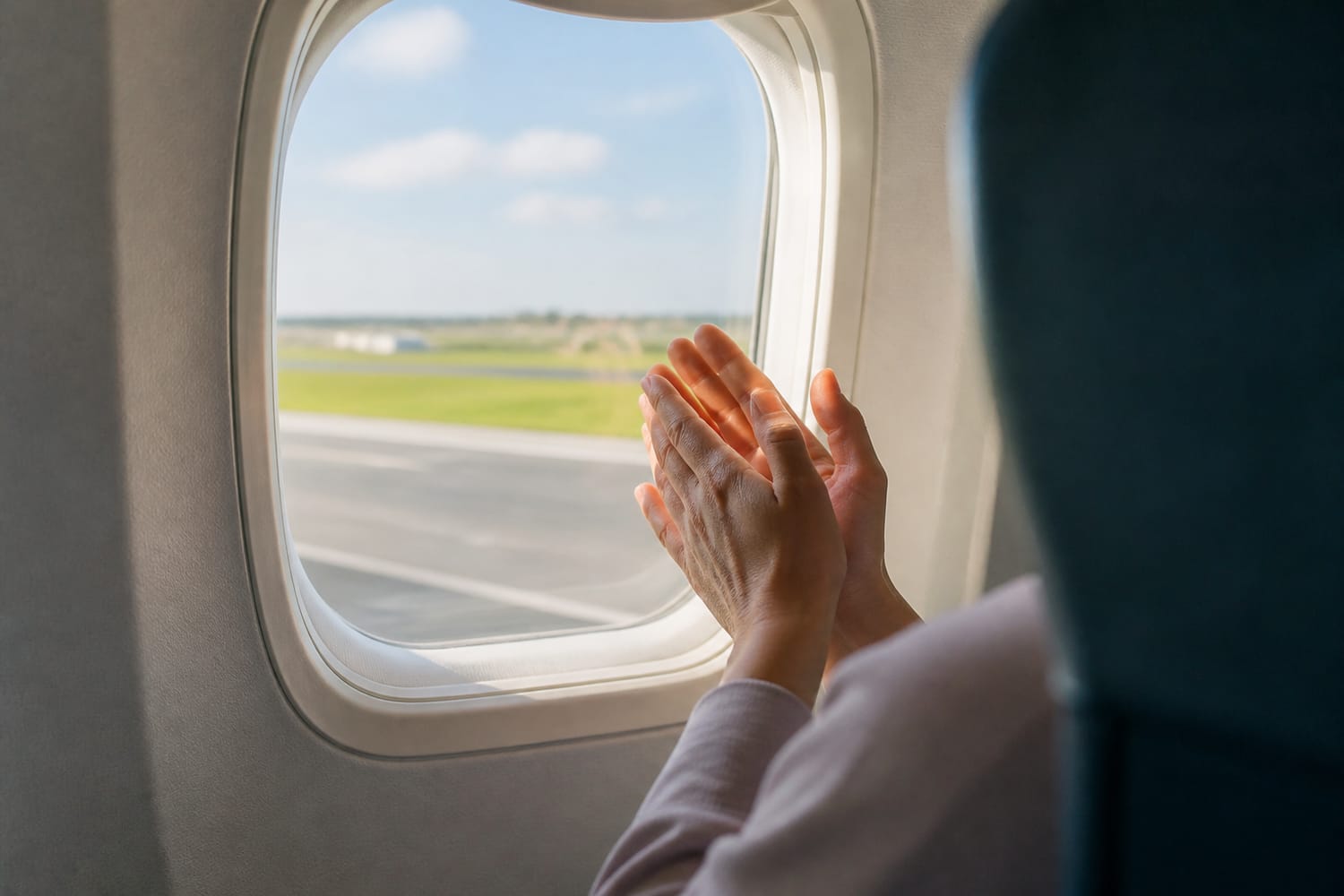
A landing can mark more than the end of a flight. It might be someone’s first glimpse of a long-awaited vacation, a return home after years away, or a reunion with family waiting at the airport. In those moments, applause can celebrate arrival rather than the mechanics of landing.
That helps explain why the custom may feel familiar on one route and unusual on another. Travelers bring their own habits and associations on board. Reports of landing applause span many places; it isn’t a rule that everyone from a particular country follows, or that everyone else finds strange. The people sharing a cabin matter more than a tidy map of “clapping countries.”
In that sense, applause resembles other travel gestures whose meanings shift with context. Tour Trivia’s look at greeting customs around the world explores how a simple action can communicate welcome, respect, or connection without a long explanation.
Why Does One Person Start a Whole Cabin Clapping?
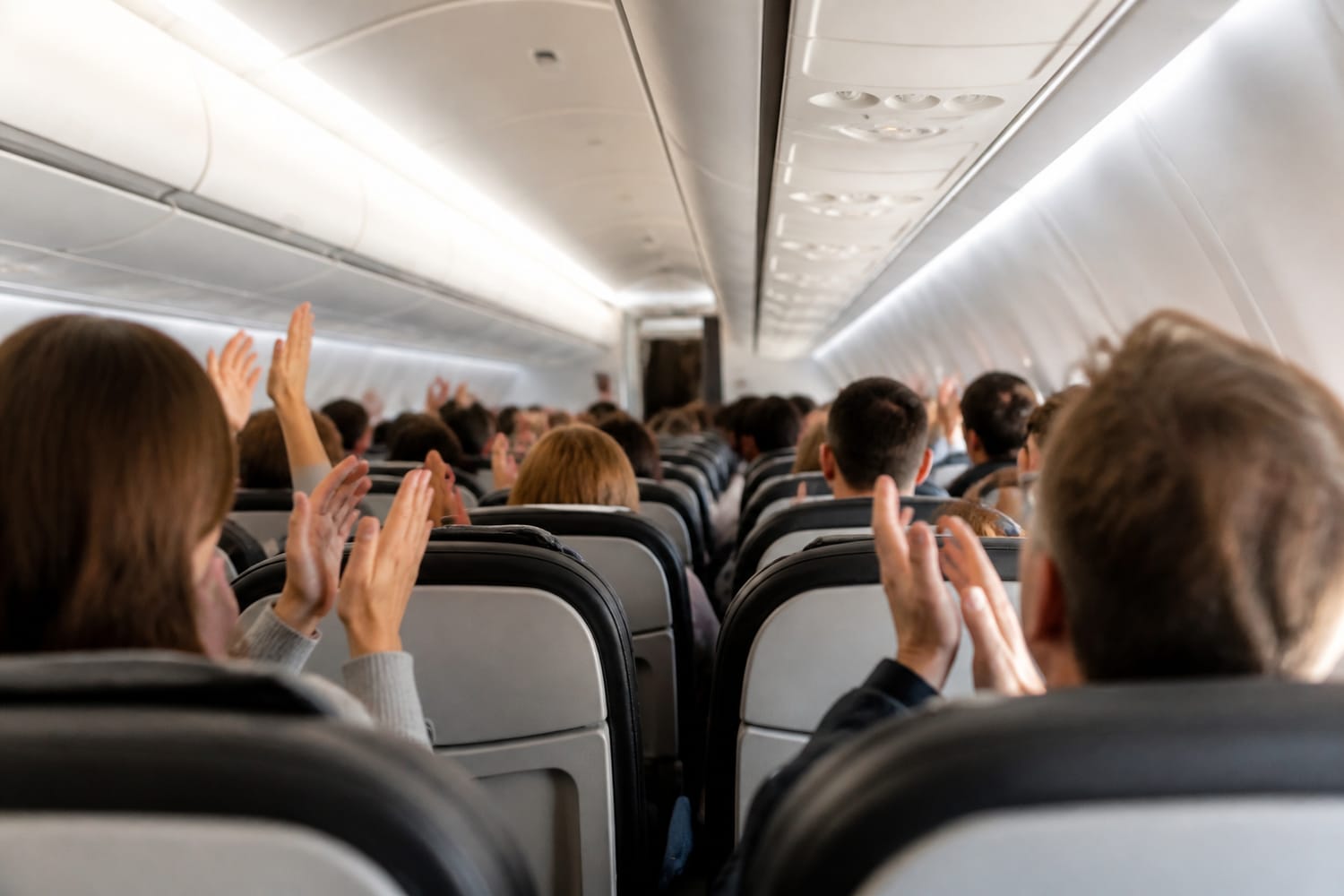
A single pair of hands rarely sounds like a celebration. Add a few neighbors, though, and joining in suddenly feels natural. Passengers have just experienced the same flight, heard the same announcements, and felt the same moment of touchdown. Applause offers a way to acknowledge that brief connection.
No one has to share the same reason for participating. The person by the window may be relieved; someone across the aisle may be delighted to be home; another passenger may simply be responding to the sound around them. For a few seconds, those different feelings fit into one easy gesture.
Then the cabin returns to its usual business: checking phones, gathering coats, and waiting for the aisle to clear.
Why Do Some Travelers Find It Awkward?
For frequent flyers, landing may feel routine rather than worthy of a standing ovation—or even a seated one. Some passengers hear clapping as an unnecessary performance; others worry it implies that arriving safely was a surprise.
Those reactions are understandable, but they don’t reveal what the clappers intended. An appreciative passenger isn’t necessarily questioning the pilot’s competence. A silent passenger isn’t necessarily ungrateful. The cabin contains people with different expectations of how openly to express themselves, all sitting close enough to hear one another.
If the applause lasts only a few seconds, there’s little need for either side to make it a test of travel sophistication.
Should You Clap on Your Next Flight?
If you feel moved to clap, a short round of applause is fine. If you don’t, you can simply smile—or do nothing at all. Take your cue from the moment without feeling obliged to start a ritual or join one.
There is one more important cue to follow: the seat-belt sign. Touchdown is not permission to stand, open an overhead bin, or step into the aisle. The aircraft may still be moving, so stay seated and buckled until the crew indicates it’s time to get up.
The landing clap has lasted because it can hold several feelings at once. It might say “thank you,” “I’m home,” or simply “that was quite a journey.” You don’t need to know which one your neighbor means to understand why, after hours in the air, someone might want to mark the moment they’re back on the ground.