
A Pause in the Middle of the Day
In many parts of the world, the middle of the day is not a time to rush through a sandwich at a desk or squeeze errands into a 30-minute lunch break. Instead, it is a time to slow down, return home, share a meal, rest, and reset before the afternoon begins. From Spain’s famous siesta to long lunches in Italy, Greece, Latin America, and parts of the Middle East, midday breaks are more than quirky travel details. They reflect climate, history, family life, work rhythms, and deeply rooted cultural values.
For travelers, these customs can be surprising. You may arrive in a charming Spanish town at 2 p.m. only to find shops closed, streets quiet, and locals nowhere in sight. Or you might sit down for lunch in France or Argentina and discover that the meal is not a quick bite but a leisurely social event. These breaks can feel inconvenient if you are not expecting them, but they also offer a window into how different societies think about time, health, productivity, and community.
At Tour Trivia, we love exploring the everyday customs that reveal something bigger about a place. Midday breaks are a perfect example: what looks like “closing time” to a visitor often tells a story centuries in the making.
Climate Has Always Shaped Daily Life
One of the biggest reasons midday breaks developed is simple: heat. In countries with hot climates, especially around the Mediterranean, the Middle East, North Africa, and Latin America, the hours after noon can be intensely uncomfortable. Before air conditioning, working through the hottest part of the day was not just unpleasant; it could be dangerous.
In agricultural societies, people often rose early to work in the cooler morning hours. Farmers, laborers, and market vendors would pause when the sun was strongest, then resume work later in the afternoon or evening. This schedule made practical sense. It protected people from exhaustion, dehydration, and heatstroke while allowing them to remain productive over the full day.
The Spanish siesta is often associated with sleep, but its origins are closely tied to this natural rhythm. The word “siesta” comes from the Latin “sexta,” referring to the sixth hour after dawn, roughly midday. In ancient Rome and later in rural Spain, the middle of the day was a logical time to stop working, eat, and rest before continuing.
Even today, in places where summer temperatures soar, midday closures are not just nostalgic traditions. They remain a sensible adaptation to the environment. A quiet town at 3 p.m. may come alive again at 6 p.m., when the heat softens and people return to cafés, shops, parks, and plazas.
The Long Lunch as a Social Ritual
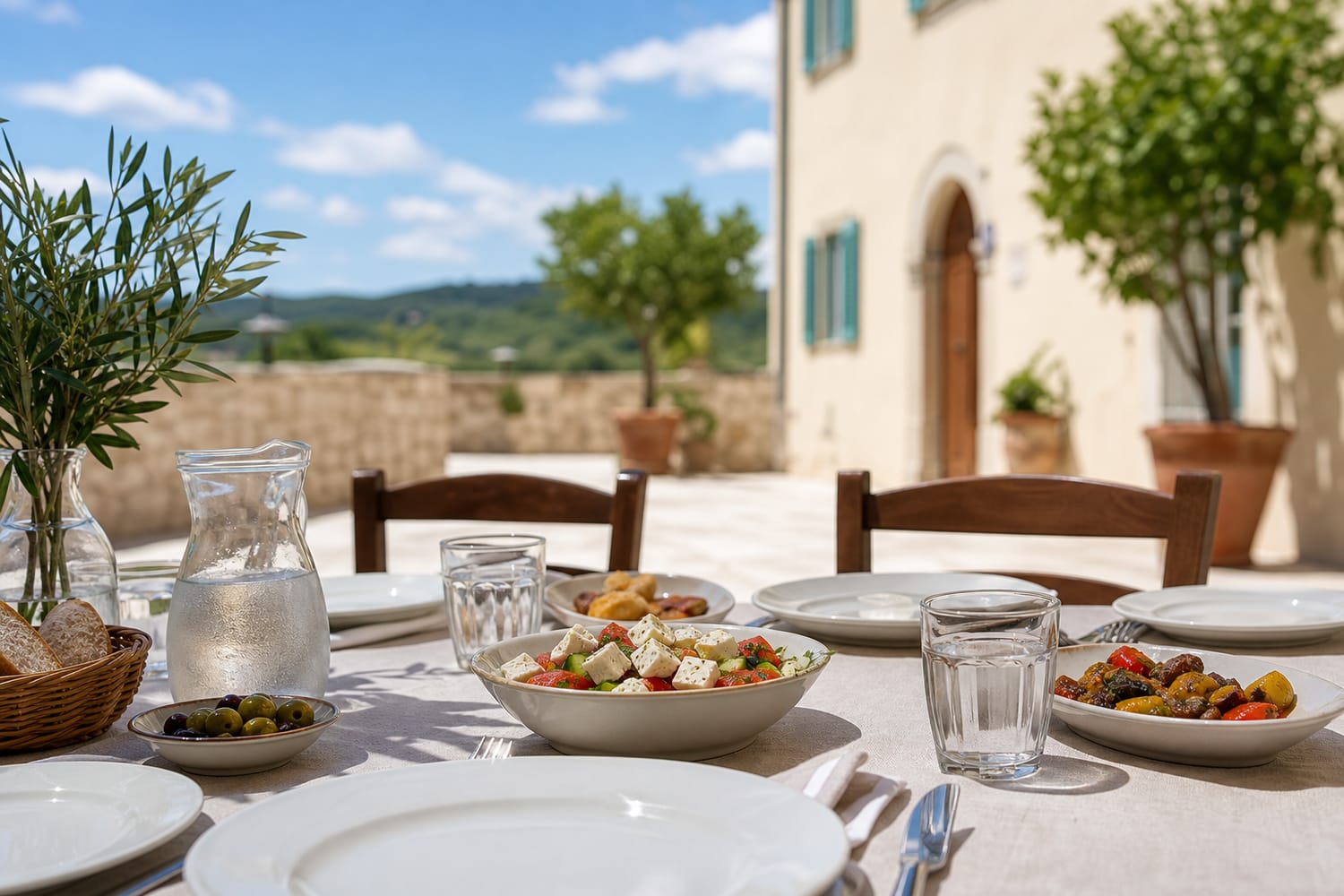
In many cultures, lunch is not treated as a minor interruption between work tasks. It is the main meal of the day and an important social ritual. This is especially true in countries such as Italy, France, Spain, Greece, Mexico, and Argentina, where meals are often built around conversation, family, and hospitality.
A long lunch allows people to do more than eat. It creates time to gather with relatives, discuss the day, enjoy multiple courses, and relax without staring at the clock. In some places, lunch might include a starter, main dish, dessert, coffee, and perhaps a short walk afterward. The meal is not simply fuel; it is a daily anchor.
This approach reflects a different relationship with time. In fast-paced work cultures, efficiency is often prized above all else. The quicker the meal, the better. But in countries with strong midday dining traditions, time spent eating with others is not considered wasted. It is part of living well.
For visitors, this can be one of the most enjoyable cultural differences to experience. A long lunch in a shaded courtyard or family-run restaurant can become a highlight of a trip. It encourages you to slow down, taste local dishes properly, and participate in the rhythm of the place rather than racing through it.
Family Life and the Midday Return Home
In some countries, the midday break historically allowed workers and schoolchildren to return home for lunch. This pattern was especially common in smaller towns and rural communities where home, school, and workplace were close together. Instead of packing lunch or eating out, families would gather at home for the day’s main meal.
This tradition strengthened family bonds. Parents, grandparents, and children could share a meal and rest before heading back to work or school. In cultures where family life is central, the midday pause helped maintain close daily connections.
Of course, modern life has changed this in many places. Urban commutes are longer, office schedules are more standardized, and many households have two working parents. Returning home in the middle of the day is no longer realistic for everyone. Still, the cultural memory of the midday family meal remains strong.
In some towns, you can still feel this rhythm. Streets empty as people go home, shutters come down, and restaurants fill with locals enjoying lunch. Later, the town wakes up again. To travelers used to nonstop business hours, it may seem unusual, but it reflects a social structure where home and family have traditionally shaped the workday.
Siesta Is Not Always About Sleeping
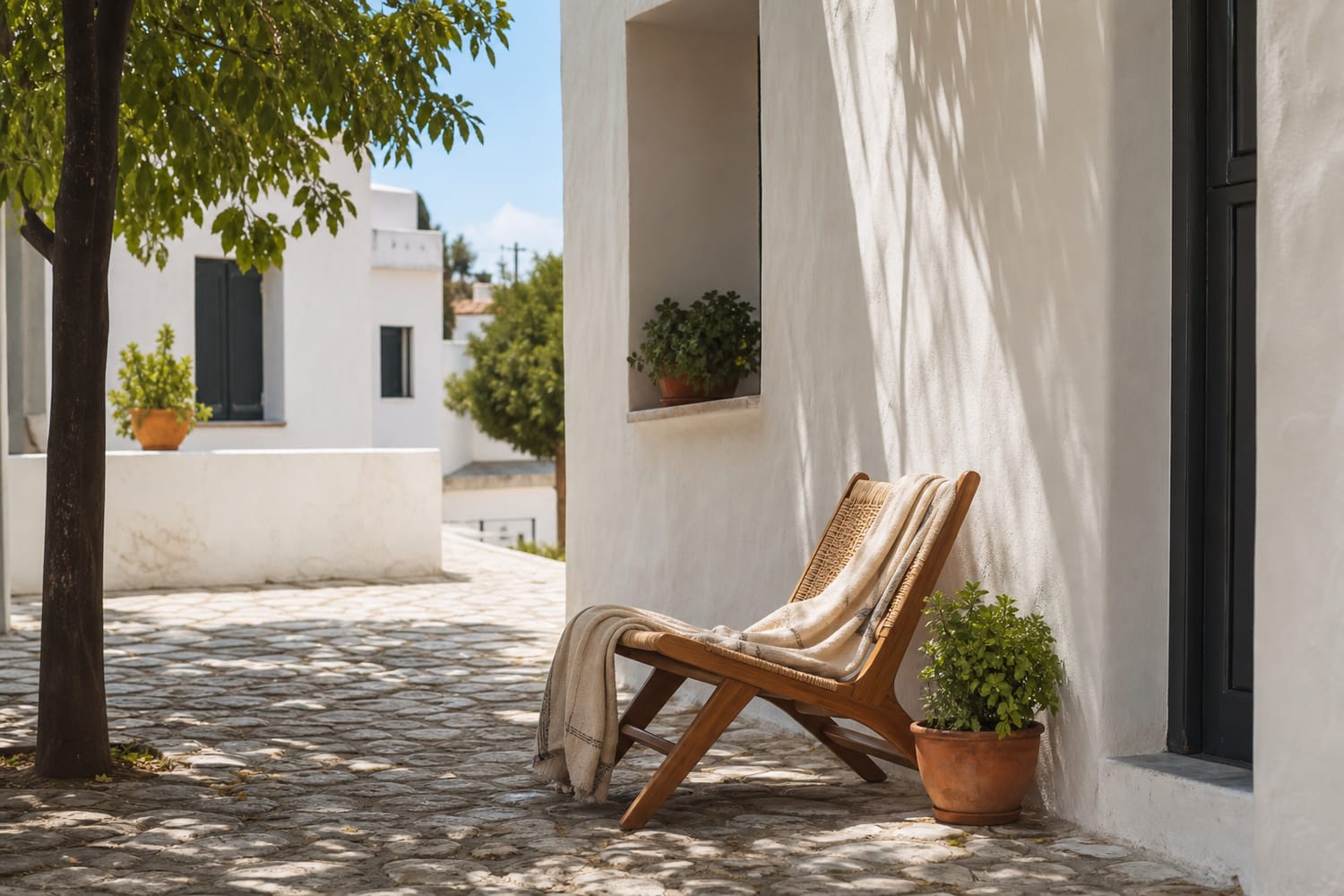
When many people hear “siesta,” they imagine everyone climbing into bed for a long afternoon nap. While naps are part of the tradition in some places, the reality is more varied. A siesta may involve sleeping, but it can also mean resting, eating, spending time with family, reading, or simply avoiding the hottest hours outdoors.
In modern Spain, for example, the classic daily siesta is less common in big cities than many tourists expect. Office workers in Madrid or Barcelona may not have time to go home and nap. However, smaller businesses may still close for several hours in the afternoon, especially outside major tourist areas. In some regions, particularly during summer, resting during the hottest part of the day still makes sense.
The same is true in other countries. In Greece, the concept of “mesimeri,” or midday quiet time, has traditionally included rest and reduced noise during hot afternoon hours. In parts of Italy, “riposo” refers to the afternoon break when shops may close and families pause. These customs vary by region and generation, but they all share the idea that the day does not need to move at one constant speed.
Religion, History, and Local Traditions
Midday breaks are also shaped by religion and historical routines. In many Catholic countries, meal times, festivals, and family customs evolved around community life and religious calendars. Sundays and feast days often emphasized shared meals and rest, reinforcing the idea that pausing was part of a healthy social order.
In Muslim-majority countries, daily rhythms may also be influenced by prayer times, the climate, and communal meals. During Ramadan, for example, working hours and meal schedules can shift significantly, with life becoming more active after sunset. While not the same as a siesta, it shows how culture and faith can shape the pace of the day.
Colonial history also helped spread midday break customs. Spanish and Portuguese influence carried certain dining and resting patterns into Latin America, where they blended with Indigenous traditions, local climates, and regional lifestyles. In countries such as Mexico, Peru, and Colombia, long lunches and afternoon pauses have varied widely depending on city size, occupation, and social class.
No single explanation fits every place. A midday break in Seville, a long lunch in Buenos Aires, and an afternoon pause in a Greek village may look similar to outsiders, but each has its own local meaning.
Modern Work Schedules Are Changing the Tradition
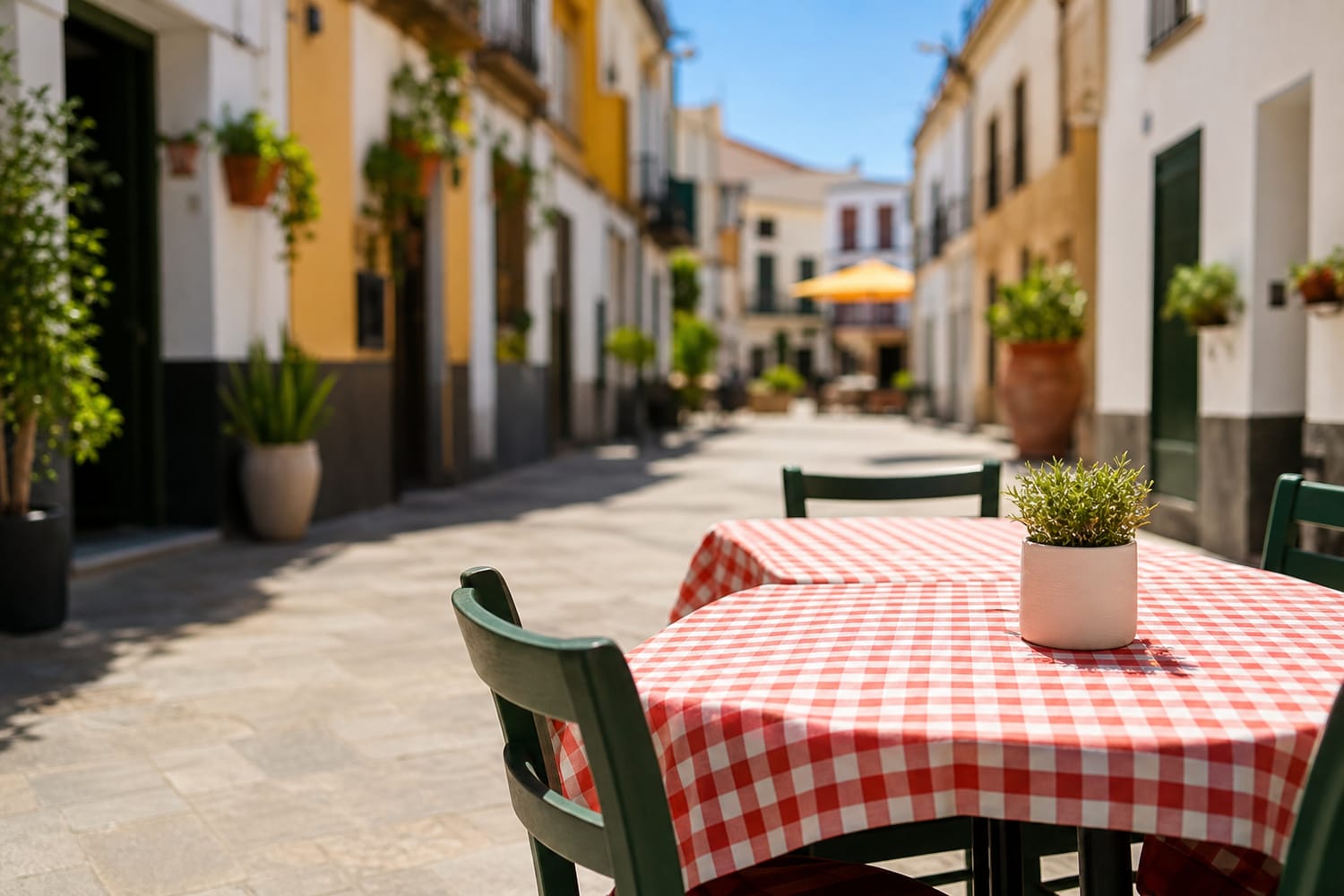
Globalization, tourism, and modern business expectations have changed midday break traditions in many countries. International companies often follow standard office hours. Shopping malls and chain stores may stay open all day. In large cities, workers may have shorter lunches and fewer opportunities to rest.
Spain is a particularly interesting example. Although famous for siestas, Spain also has a reputation for late dinners and long workdays. Some experts argue that the traditional split workday can keep people at work too late into the evening, making family time and sleep more difficult. In recent years, there have been debates about whether Spain should shorten lunch breaks, end the workday earlier, and better align schedules with other European countries.
Tourism also plays a role. In popular destinations, restaurants, museums, and shops may adjust their hours to serve visitors. A souvenir shop in a busy historic center may remain open during hours when a local hardware store closes. This can create a confusing mix for travelers: some places operate on traditional schedules, while others cater to international expectations.
Still, even as habits change, the cultural value of taking time to eat, rest, and socialize remains powerful. The tradition may adapt, but it has not disappeared.
What Travelers Should Know
If you are visiting a country known for midday breaks, a little planning can make your trip smoother. Check opening hours before heading to small shops, pharmacies, post offices, or local attractions. In smaller towns, businesses may close from around 1 or 2 p.m. until 4 or 5 p.m., though hours vary widely.
Plan your sightseeing around the local rhythm. Use the morning for markets, museums, walking tours, or outdoor activities. Treat the afternoon as a time for a relaxed lunch, a café visit, a nap, or a break at your hotel. Then head out again in the late afternoon or evening, when locals return to the streets.
It is also wise to adjust your meal expectations. In some countries, lunch may be served later than you are used to, and dinner may not begin until 9 p.m. or later. Restaurants in tourist areas may open earlier, but local favorites often follow local schedules.
Most importantly, try not to view midday closures as an inconvenience. They are part of the destination’s personality. Travel becomes richer when you stop expecting every place to run on the same timetable.
A Different Way to Think About Time
Midday breaks remind us that cultures organize time in different ways. Some societies prioritize continuous productivity and convenience. Others build daily life around climate, meals, rest, and relationships. Neither approach is universal, and each has advantages and drawbacks.
The siesta and the long lunch challenge the idea that busier always means better. They suggest that rest can be practical, meals can be meaningful, and the day can have a natural rhythm instead of a relentless pace. In hot climates, they developed out of necessity. Over time, they became expressions of hospitality, family life, and local identity.
For travelers, embracing these customs can lead to a deeper understanding of a place. Instead of wandering through closed streets wondering where everyone went, you can join the pause. Sit down for a long lunch, order something regional, linger over coffee, and let the day unfold at the local speed.
That is often when travel becomes most memorable: not when you check off another landmark, but when you experience the rhythm of everyday life.