
The Date That Makes People Check the Calendar
Friday the 13th is considered unlucky in parts of Europe and North America, but no single event made it so. The belief appears to have grown from older unease about Fridays and the number 13. And it is far from universal: in Spain, Greece, and Italy, other combinations of weekdays and numbers carry the ominous reputation.
That makes the calendar a surprisingly good travel companion. A date that inspires horror movies in one country might pass unnoticed in another—or become an occasion for a joke. To understand the difference, it helps to look past the supposed curse and ask how a day acquired its story.
Why Friday? Why Thirteen?
The number 13 has a long association with misfortune in Western folklore. One familiar explanation points to the Last Supper, attended by Jesus and his 12 disciples. Friday, meanwhile, has carried its own inauspicious associations, including its place in Christian tradition as the day of the Crucifixion. Put the two together, and it is easy to see why the date feels tailor-made for a warning.
Easy to see, however, is not the same as easy to prove. Folk explanations often present a tidy origin for a belief that developed gradually. The Library of Congress has found references to an unlucky Friday the 13th in French writing from the 1830s—well before the date became a fixture of modern popular culture. Its history of the superstition also cautions against treating every dramatic origin story as established fact.
Did the Knights Templar Start It?
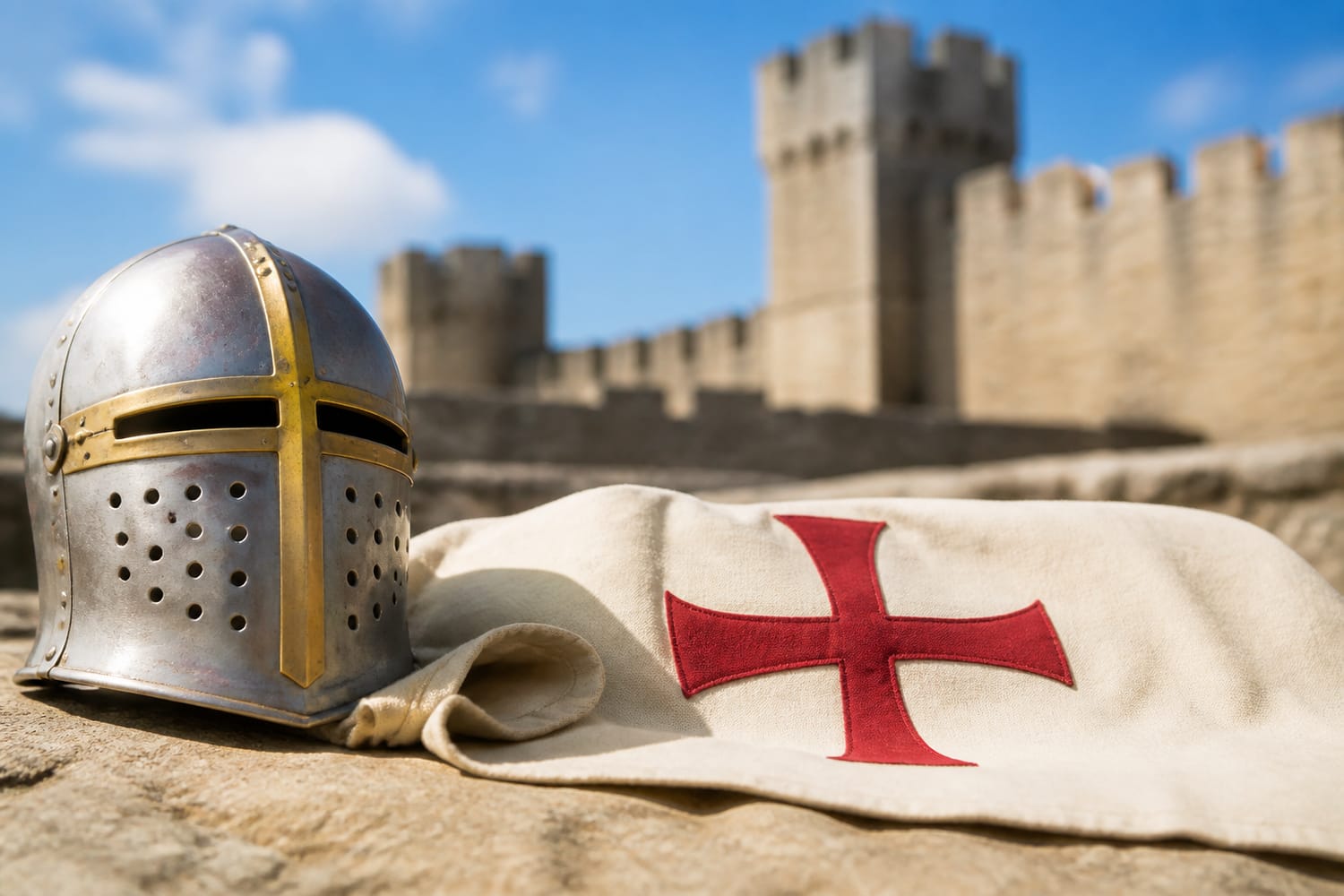
The most cinematic explanation begins on Friday, October 13, 1307, when King Philip IV of France ordered the arrest of members of the Knights Templar. The arrests happened; the claim that they created the superstition is another matter. Researchers have not found evidence that people at the time connected the event to a general fear of Friday the 13th. That link appears much later.
A less ancient but better-documented milestone arrived in 1907. Thomas W. Lawson’s novel Friday, the Thirteenth used the date as the setting for a Wall Street scheme that exploits superstition. The book did not invent the belief—earlier references rule that out—but it helped give an existing idea a memorable public stage.
Spain and Greece: Beware Tuesday the 13th
Change countries and Friday loses its starring role. In Spain and Greece, Tuesday the 13th has traditionally been the date associated with bad luck. One explanation connects Tuesday with Mars, the Roman god of war, adding a combative meaning to an already uneasy number. It is a useful reminder that a superstition depends as much on local language and storytelling as it does on the numeral printed on a calendar.
That does not mean everyone avoids making plans on a Tuesday. A cultural association is not a rule followed by every resident. For a visitor, the more interesting question is whether someone mentions the date at all—and what story they tell about it.
Italy: Friday the 17th Takes the Spotlight

In Italy, the combination to watch is traditionally Friday the 17th. Write 17 in Roman numerals and you get XVII. Rearrange those letters and they spell VIXI, Latin for “I have lived”—a phrase that can imply a life is over. The wordplay gives 17 a darker reputation than 13 in Italian folklore.
This contrast shows why lucky and unlucky numbers vary across cultures. Numbers have no built-in mood; people give them meaning through language, religion, history, and habit. The same hotel-room number can look perfectly ordinary to one guest and slightly unsettling to another.
China: An Ominous Fifth Day That Became a Festival
Not every feared date combines a weekday with a number. In Chinese tradition, the fifth day of the fifth lunar month was considered inauspicious and associated with seasonal dangers. Customs intended to ward off harm became part of the Dragon Boat Festival, now a lively celebration rather than simply a day to dread. Its date moves on the Gregorian calendar because it follows the traditional lunisolar calendar.
China also offers an example of a number whose sound matters: four resembles the word for “death” in Chinese. Some people consequently avoid it in addresses or other numbers they can choose. That is a different kind of unease from Friday the 13th—not one universally feared date, but a number that can influence decisions on many dates.
Japan: Luck Runs on Another Calendar Cycle

In Japan, traditional calendars may show rokuyō, a repeating cycle of six labels describing a day’s supposed fortune. One of them, butsumetsu, is generally considered inauspicious; another, taian, is considered favorable. The distinction can matter when choosing a wedding date, though it does not mean a butsumetsu wedding is destined to go badly. A visitor expecting only a “Friday versus Tuesday” debate may discover an entirely different way to read the calendar.
How Often Does Friday the 13th Come Around?
The date is unusual enough to notice but hardly rare. Every year has at least one Friday the 13th and no more than three. Any month that starts on a Sunday will have one, because its 13th day lands on Friday. The calendar’s pattern is predictable, even if the stories attached to it are anything but.
A Little Luck, Wherever You Go
There is no need to rearrange a trip because the calendar looks ominous. Do check practical details—opening hours, reservations, and local holidays—but treat an unlucky date as an invitation to learn about a place, not a forecast of disaster. Ask about the custom without assuming everyone believes it, and you might hear a family saying, a playful warning, or a story you would never find on an itinerary.
For a brighter counterpart to these warnings, explore good-luck traditions around the world. Whether people are avoiding a date or welcoming a fortunate one, the calendar offers a glimpse of what a culture remembers, celebrates, and passes along.