
The Celebration Hiding in Plain Sight
Travelers are good at spotting big celebrations. We notice fireworks, parades, crowded plazas, national holidays, and festivals with costumes, music, and food stalls. But some of the most meaningful traditions are quieter. They happen around kitchen tables, in office break rooms, at neighborhood cafés, or during a quick phone call from a relative. One of those traditions is the name day.
For many travelers, name days are easy to miss because they look familiar but are not quite the same as birthdays. Someone receives flowers, sweets, cards, or warm wishes, but the occasion is not tied to the date they were born. Instead, it is connected to their given name and, often, to a saint, religious calendar, or cultural custom. In many countries, a person’s name day can be as important as a birthday—or sometimes even more important.
At Tour Trivia, we love the little details that change the way you understand a destination. Name days are exactly that kind of detail. They reveal how history, religion, language, family, and identity come together in everyday life. If you know about them before you travel, you may find yourself invited into a celebration you would otherwise have walked right past.
What Is a Name Day?
A name day is a celebration associated with a person’s given name. In many traditions, each day of the year is linked to one or more names, often based on the feast days of saints in the Christian calendar. If your name matches the name assigned to a certain date, that date is your name day.
For example, in countries with strong Orthodox or Catholic traditions, names such as George, Maria, Nicholas, Anna, Peter, and Elena often have specific feast days. People who share those names may receive greetings, small gifts, or visits from friends and relatives. In some places, the greeting is as automatic as saying “happy birthday” would be elsewhere.
The exact rules vary widely. Some calendars are religious, some are more secular, and some have been adapted over centuries to include popular modern names. A person may celebrate the name day connected to their exact name, a local version of the name, or the saint traditionally associated with it. In cultures where names have many variations, this can get wonderfully complicated.
That complexity is part of the charm. A name day is not just a personal milestone. It connects an individual to a wider community of people who share a name, a tradition, and sometimes a patron saint.
Where Name Days Are Celebrated
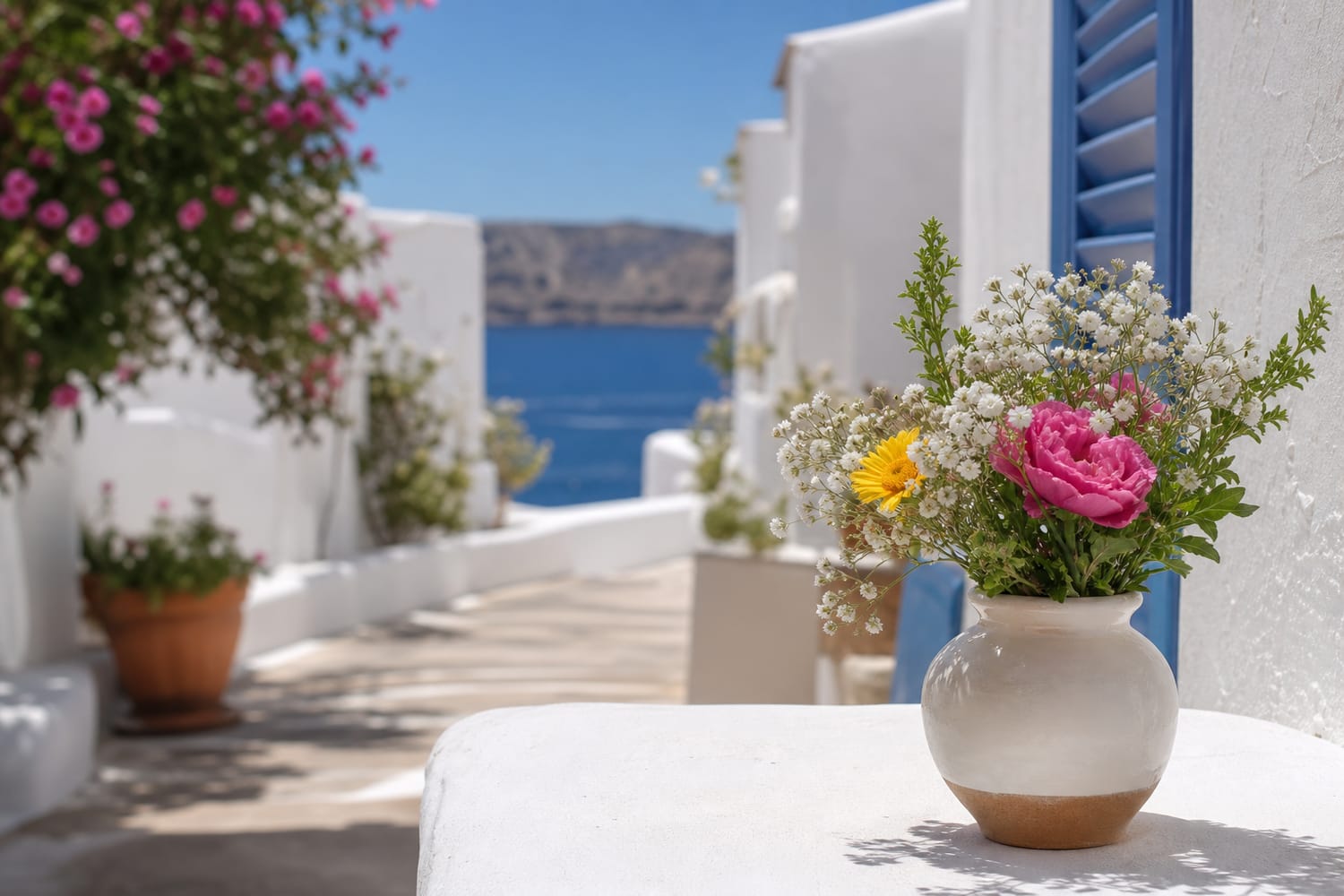
Name days are common across parts of Europe, Latin America, and regions influenced by Christian traditions. They are especially prominent in countries such as Greece, Cyprus, Bulgaria, Hungary, Poland, the Czech Republic, Slovakia, Latvia, Lithuania, Sweden, Finland, Spain, and parts of Italy. They are also observed in various forms in Orthodox Christian communities around the world.
In Greece, name days can be major social events. If someone is named after a saint, their celebration may involve family visits, sweets, drinks, and a steady stream of well-wishers. In some households, guests may drop by without a formal invitation. The person celebrating is expected to offer hospitality.
In Poland, name days, known as imieniny, have traditionally been very important, especially among older generations. Offices may mark a colleague’s name day with flowers or cake, and friends may send cards or messages. In Hungary, name days are listed in calendars and are widely recognized, with flowers often given as gifts.
In Sweden and Finland, name days appear in official calendars, though the scale of celebration may be modest. A person might receive a greeting, a small treat, or simply a mention from family. In Latvia, name days can be highly visible, with calendars listing names and people celebrating in ways that resemble small birthdays.
Because the custom differs so much from country to country, travelers should avoid assuming that every name day is a huge event. In one place, it may be a reason for a party. In another, it may be a polite greeting and nothing more. Either way, noticing it is a sign of cultural curiosity.
Why Name Days Can Matter More Than Birthdays
In many modern cultures, birthdays are treated as the ultimate personal celebration. They mark individuality, age, and life milestones. Name days, however, highlight something slightly different: belonging.
Historically, birthdays were not always widely celebrated, especially among ordinary people. In some communities, church calendars were more socially important than personal birth records. A child named after a saint inherited not only a name but also a day of celebration. That day linked the person to religion, family tradition, and communal memory.
This is why name days can feel less private than birthdays. A birthday belongs to one person. A name day is shared with everyone who carries the same name. That shared quality makes it communal by nature. If Maria celebrates her name day, so do many other Marias. If George celebrates, he is part of a long chain of Georges, past and present.
In some cultures, adults may make less fuss about birthdays but still welcome name day greetings. This is especially true among older generations who grew up with the tradition. Forgetting a close friend’s or relative’s name day might be considered just as rude as forgetting a birthday.
For travelers, this can be surprising. You may think you are visiting on an ordinary weekday, only to discover that your host has prepared food because half the family is expected to stop by. Or you may hear a phrase repeated throughout the day and realize everyone is congratulating people with the same name.
The Social Rules Travelers Should Know
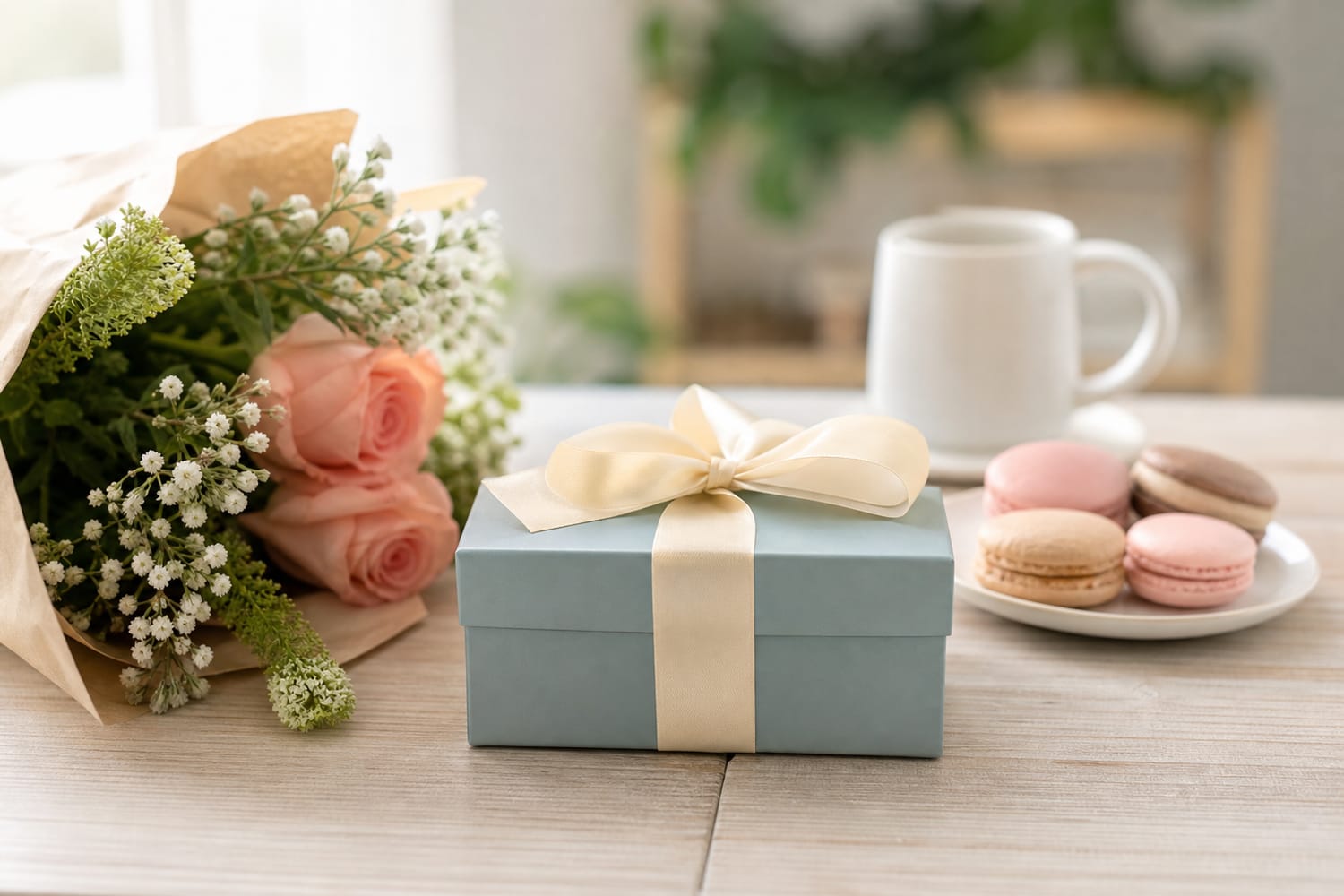
Name day etiquette depends on where you are, but a few simple guidelines can help you avoid awkwardness and show respect.
First, if someone tells you it is their name day, offer warm congratulations. In English, “Happy name day!” is perfectly understandable. If you can learn the local phrase, even better. A small effort in the local language often makes the greeting feel more sincere.
Second, do not assume gifts must be elaborate. Flowers, chocolates, pastries, or a thoughtful message are common in many places. If you are invited to someone’s home for a name day gathering, bringing something small is usually appreciated. Food, wine, or sweets are safe choices in many cultures, though local customs may vary.
Third, remember that the celebrant may be the host. In some countries, the person whose name day it is provides treats for others. At an office, they might bring cake. At home, they may serve drinks and snacks to guests. This can surprise travelers from cultures where the celebrated person expects to be treated by others.
Finally, if you are unsure, ask. A friendly question such as “How do people usually celebrate name days here?” can open the door to a great conversation. Locals often enjoy explaining traditions that visitors do not know.
Name Days as a Window Into Local Culture
One reason name days matter is that they teach travelers to pay attention to names. Names are not just labels. They carry history, religion, family expectations, language patterns, and regional identity.
In some countries, children are often named after grandparents, saints, or relatives. This means a name day may connect multiple generations. A grandfather, grandson, aunt, and cousin might all celebrate on the same date because they share a name or related name. The result is a celebration that reinforces family bonds.
Name days also reveal the influence of religious calendars, even in places that are now largely secular. A country may not feel overtly religious to a visitor, yet its calendars, greetings, and customs may still be shaped by saints’ feast days. This is a reminder that culture often keeps old patterns alive in everyday habits.
There is also a linguistic side to the tradition. Names change as they move between languages: John, Juan, Jean, Giovanni, Ioannis, Jan, and Ivan may all be connected historically. Learning about name days can help travelers notice these links. A familiar name in one country may have a cousin in another.
For trivia lovers, this is a gold mine. Name days connect geography, etymology, religion, and social customs in one simple question: “What’s in a name?”
How Travelers Might Encounter Name Days
You may run into name days in unexpected places. A hotel receptionist might receive flowers at the front desk. A tour guide might mention that it is the name day of a famous saint. A bakery may be busier than usual because people are buying sweets for colleagues. A local calendar may list names beneath each date.
If you are staying with friends, studying abroad, volunteering, or spending time with a host family, you are more likely to experience the tradition firsthand. You might be invited to an open-house gathering where relatives and neighbors arrive throughout the evening. Unlike a scheduled birthday party, some name day visits are informal. People come, greet, eat, chat, and leave.
Restaurants and cafés may also feel the effect. Groups might gather after work to toast someone’s name day. In villages or smaller towns, the celebration of a patron saint can expand beyond individuals into a community event, especially if the saint is associated with a local church.
The key is to stay observant. If several people are offering the same greeting, if someone is handing out sweets, or if calendars seem to highlight names, you may be witnessing a name day custom in action.
Why This Tradition Still Matters
In a world where global birthday culture is everywhere, name days remain special because they are rooted in local rhythm. They are not usually designed for tourists. They are part of daily life, which makes them valuable for travelers who want to understand a place beyond its landmarks.
Name days matter because they turn a name into a celebration. They remind people of family ties, religious history, community connection, and shared identity. They give friends another reason to call, visit, laugh, eat, and remember one another. In some cultures, they also preserve a sense of continuity across generations.
For travelers, learning about name days is a small act with a big reward. It helps you understand why someone is receiving flowers, why your host has prepared extra food, or why a calendar includes names as well as dates. It also gives you a chance to participate respectfully in a tradition that many visitors overlook.
The next time you travel, ask whether name days are celebrated where you are. You may discover that the most memorable cultural experience of your trip is not a famous monument or a packed festival, but a simple greeting offered at just the right moment: happy name day.