
A Present Can Carry More Than Good Intentions
A clock, knife, or pair of shoes may seem like a thoughtful present, yet each can communicate an unwelcome message in certain cultures. Depending on local language, folklore, and symbolism, these gifts may suggest death, separation, bad luck, or disrespect. Understanding the taboo helps travelers choose presents that convey the warmth they intended.
Gift-giving customs reveal how ordinary objects acquire meanings far beyond their practical uses. A clock does more than tell time, a knife does more than cut, and shoes do more than protect the feet. Once an object becomes linked with a funeral, farewell, or broken relationship, even an expensive gift can make its recipient uncomfortable.
These traditions are not followed equally by everyone. Beliefs vary among countries, regions, families, and generations. Still, learning the symbolism is a simple way to avoid an awkward moment and show curiosity about another culture.
Why Clocks Can Signal an Ending
In Chinese-speaking communities, clocks are among the best-known taboo gifts. In Mandarin, the phrase for giving a clock, sòng zhōng, sounds like an expression associated with attending to someone at the end of life. A beautiful clock can therefore evoke funerals and mortality rather than celebration.
The association is especially sensitive when the recipient is elderly. Presenting an older person with a clock may seem to suggest that time is running out, even when the giver intended to offer a useful household decoration. Watches may also be avoided by cautious gift-givers, although attitudes toward them differ.
According to a guide to Chinese gift taboos, some recipients neutralize the symbolism by giving the giver a small amount of money. The clock then becomes something they technically purchased rather than received as a gift.
Why Knives Are Said to Cut Relationships
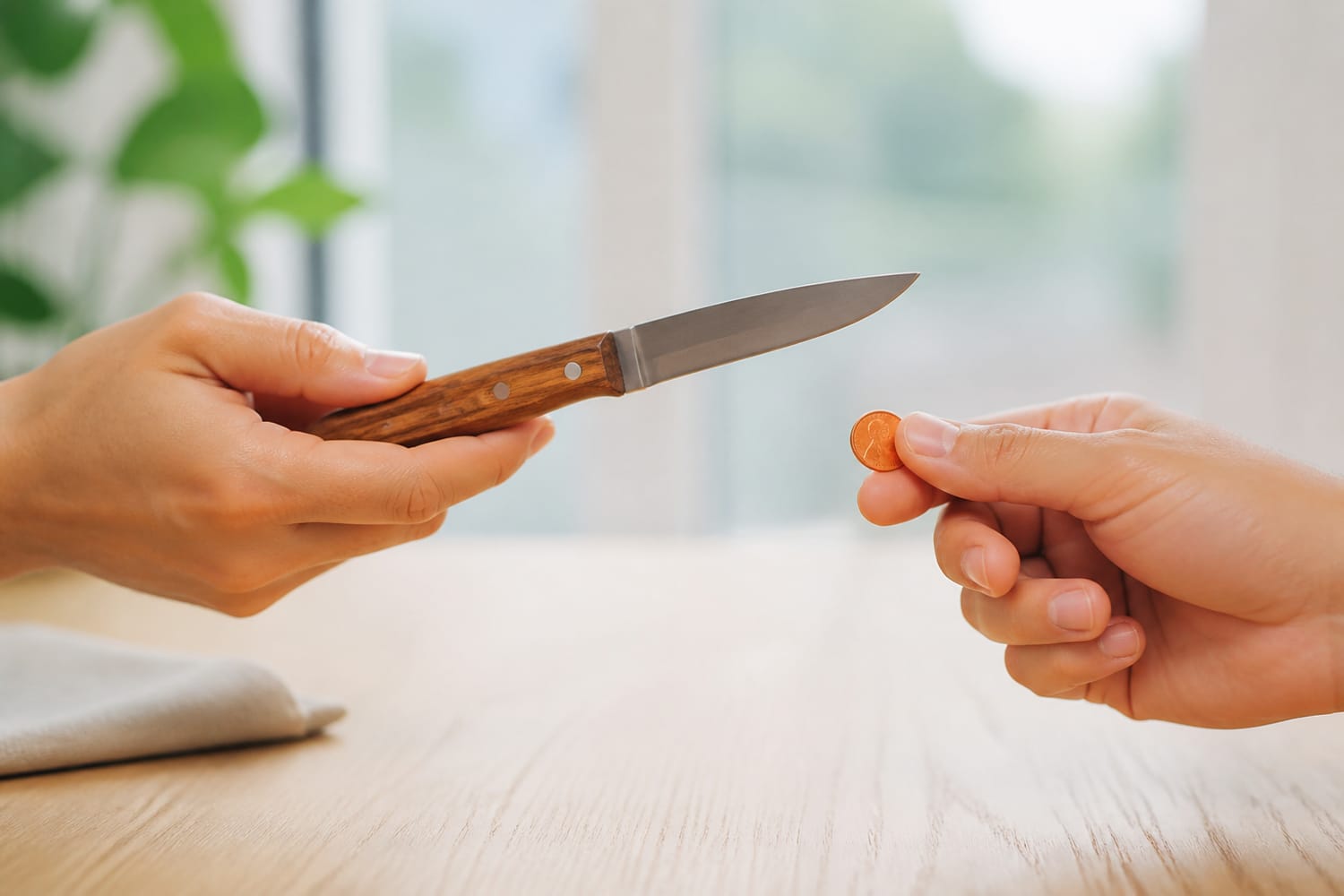
Knives, scissors, and other sharp objects carry a more visually obvious message. Their purpose is to cut, divide, or sever, so they can symbolize the end of a friendship, romance, or business relationship.
This belief appears in various forms across Asia, Europe, and North America. In Chinese gift etiquette, cutting tools are traditionally avoided because they can imply severing a relationship. Japanese etiquette also treats knives and scissors as potentially inappropriate unless the recipient has specifically requested them.
Fortunately, folklore provides an easy workaround. The recipient gives the donor a small coin, symbolically purchasing the knife. The exchange prevents it from being a true gift and is said to protect the relationship from being “cut.”
Knife manufacturer Opinel describes this coin-for-a-knife tradition as a customary precaution still practiced by many people. Whether anyone believes the superstition literally, exchanging a penny can turn the moment into a memorable ritual.
Why Shoes May Suggest Walking Away
Shoes can carry several uncomfortable meanings. In Chinese, the word for shoe, xié, sounds similar to a word associated with evil or harmful influences. Shoes may consequently be interpreted as bringing bad luck into someone’s life.
There is also a straightforward symbolic explanation: shoes enable a person to walk away. Giving them to a friend or romantic partner may seem to encourage that person to leave the relationship. Some people apply the same coin solution used with knives, allowing the recipient to “buy” the shoes for a token amount.
Footwear already occupies an important place in cultural etiquette. In many homes across Japan, Korea, Turkey, Scandinavia, and elsewhere, outdoor shoes are removed at the entrance. As Tour Trivia’s exploration of why cultures remove shoes indoors explains, footwear can mark the boundary between public dirt and private space. That cultural weight helps explain why shoes may carry stronger associations than travelers expect.
Language Often Creates the Taboo

Many gift taboos make sense only when the local language is considered. Chinese customs offer especially clear examples because similar-sounding words can transform harmless objects into symbols of misfortune.
Umbrellas may be avoided because the word for umbrella resembles a word meaning to scatter or separate. Pears can suggest parting, making them an awkward choice for couples or close friends. Numbers also matter: four is often avoided because its pronunciation resembles the word for death.
These associations show why translating an object’s name is not always enough. Travelers also need to understand its sound, symbolism, and cultural context. What appears to be a decorative item in one language may sound like a gloomy prediction in another.
Funerals Influence Flowers and Colors
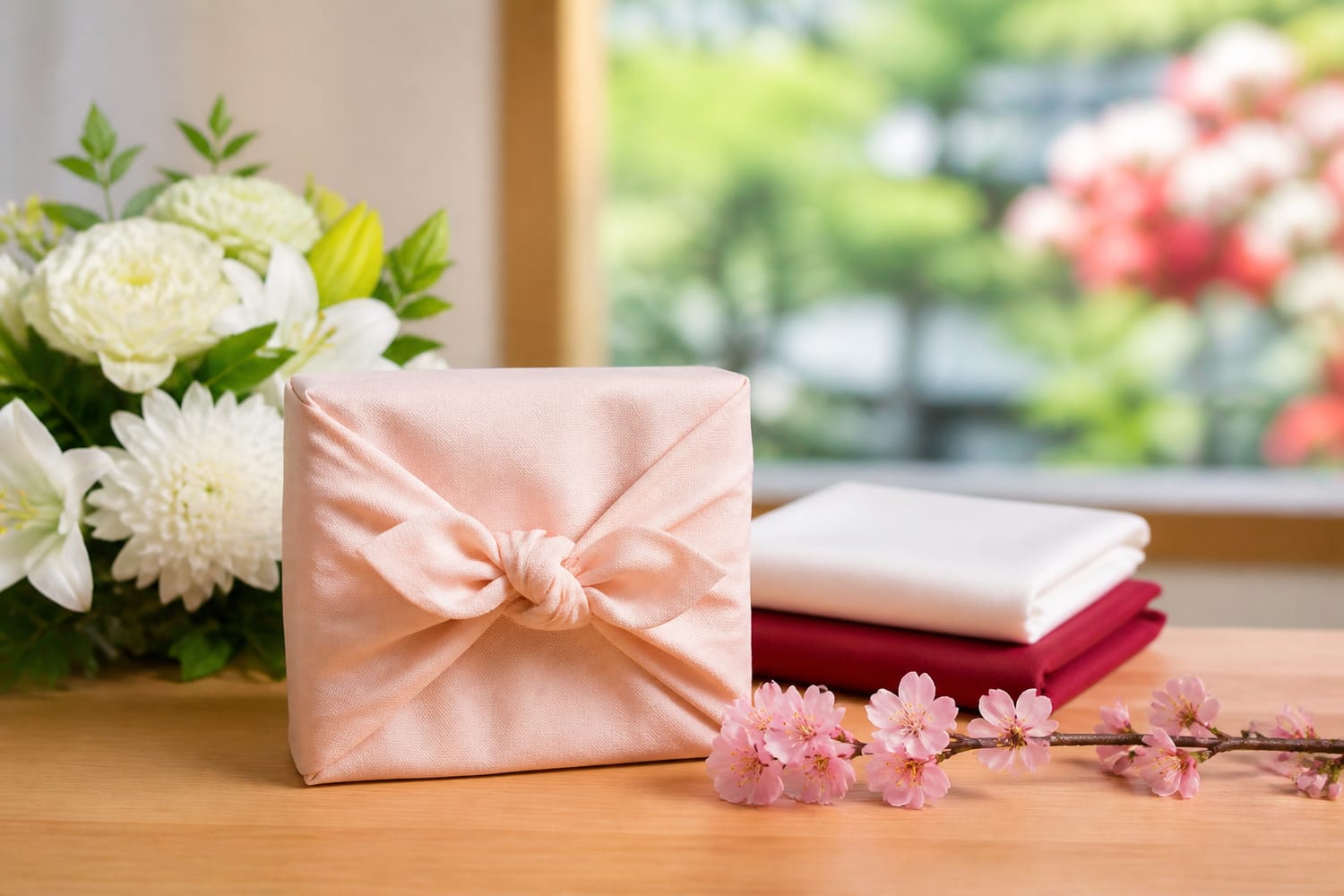
Objects associated with mourning rarely make cheerful presents. In parts of East Asia, white flowers, chrysanthemums, lilies, handkerchiefs, and certain colors may evoke funerals. Japan also traditionally treats gifts prominently featuring four or nine as inappropriate because both numbers have unlucky pronunciations or associations.
Presentation matters as much as the object. Wrapping a gift in white or black may feel elegant in one country but funereal in another. Red and gold, by contrast, are commonly connected with happiness, prosperity, and celebration in Chinese traditions.
Japan’s gift culture places particular importance on wrapping, respectful presentation, and reciprocity. The Cultural Atlas guide to Japanese etiquette notes that gifts are generally offered with both hands and carefully chosen for their occasion and recipient.
How to Choose a Culturally Appropriate Gift
Travelers do not need to memorize every superstition in the world. A little research and a few practical habits can prevent most misunderstandings:
- Ask a local friend or host what would be appropriate.
- Consider the recipient’s age, beliefs, and relationship to you.
- Choose regional food, tea, sweets, or another shareable item.
- Check whether particular colors, flowers, or numbers are unlucky.
- Present the gift respectfully, using both hands when customary.
- Include a coin if giving a knife to someone who observes that tradition.
- Avoid joking about death, separation, or superstition.
Tour Trivia’s overview of cultural etiquette around the globe offers additional reminders that small gestures can communicate respect—or cause confusion—during international travel.
The Thought Still Counts, but Context Matters
Gift taboos are rarely rigid laws. A young sneaker collector may be delighted to receive shoes, while a chef may consider a high-quality knife the perfect present. Personal preference can outweigh tradition, particularly when giver and recipient know each other well.
The safest approach is not to treat cultures as collections of strange superstitions. Instead, view each taboo as a clue to how people understand language, relationships, luck, and mortality. Asking about a custom can even begin a meaningful conversation.
A successful gift communicates care in a form the recipient recognizes. By paying attention to cultural context, travelers can ensure their clocks, knives, shoes, and other presents say “I appreciate you”—not “your time is up,” “our friendship is over,” or “please walk away.”