
A Small Ritual With a Big Meaning
People open gifts immediately when doing so lets the giver share in their excitement and receive instant appreciation. In cultures where recipients wait, restraint may communicate modesty, protect everyone from embarrassment, and keep attention on the relationship rather than the object. Neither approach is inherently more polite; each follows a different social logic.
For travelers, this simple moment can be surprisingly confusing. One person may eagerly say, “Open it!” while another quietly places the package aside. Both may be expressing gratitude, even though their behavior appears to send opposite messages.
Like greeting customs around the world, gift-opening habits reveal how societies communicate respect, warmth, humility, and belonging.
Why Immediate Opening Can Feel Polite
In many American and European households, particularly at birthdays and winter holiday gatherings, opening a gift in front of the giver is part of the event. The wrapping creates suspense, the recipient’s reaction provides entertainment, and the giver gets to see whether the present was appreciated.
From this perspective, waiting can feel strangely distant. The giver may wonder whether the recipient is uninterested or whether the gift has been dismissed. Immediate opening closes the emotional circle: one person offers something thoughtful, and the other responds with visible delight and thanks.
This custom also turns the gift into a shared experience. At a child’s birthday party, for example, opening presents may become a planned activity. Everyone watches, comments, takes photographs, and celebrates together.
Traditional American etiquette similarly recognizes the value of thanking someone in person. According to the Emily Post Institute’s guidance on expressing thanks, a sincere verbal thank-you may be sufficient when a gift is opened in the giver’s presence, depending on the occasion.
Why Waiting Can Show Respect
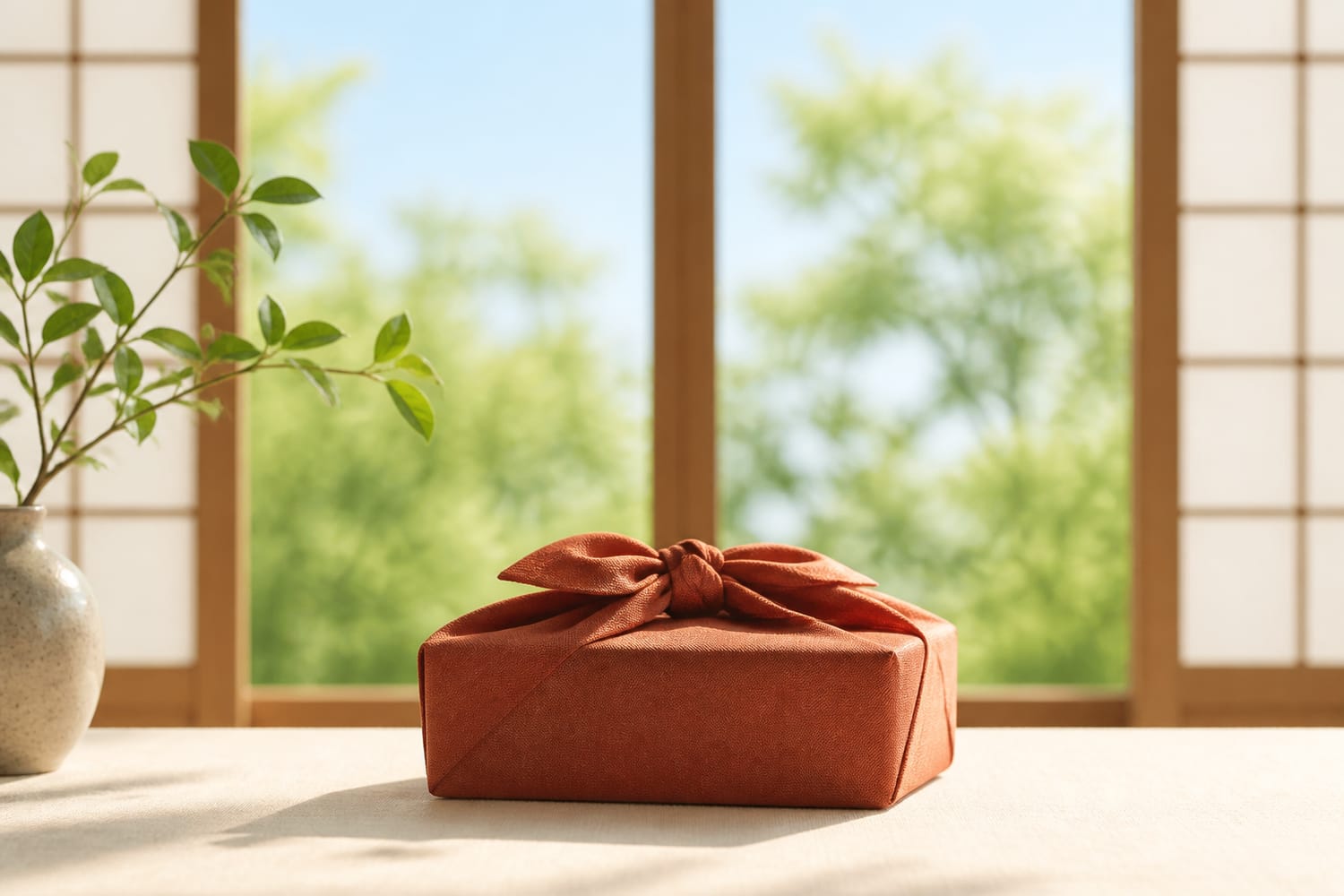
In other cultural settings, opening a gift immediately may appear too focused on its material contents. Setting it aside can communicate that the giver’s kindness matters more than whatever is inside the package.
Waiting also protects both people from an uncomfortable public reaction. Even a polite recipient may struggle to hide confusion or disappointment. Opening the gift privately allows them to respond later with a thoughtful message rather than an expression everyone can inspect.
This is especially important where maintaining social harmony or “face” is valued. If a present is unusually expensive, inappropriate, or difficult to reciprocate, examining it in front of others may create embarrassment. The giver’s wealth could be highlighted, while the recipient’s obligation becomes public.
Research comparing Asian and North American participants has found cultural differences in how strongly recipients may consider indebtedness and reciprocity when accepting gifts from acquaintances. This does not describe every individual, but it helps explain why receiving can sometimes be treated as a delicate social responsibility rather than a spontaneous personal pleasure.
Gift Customs in China and Japan
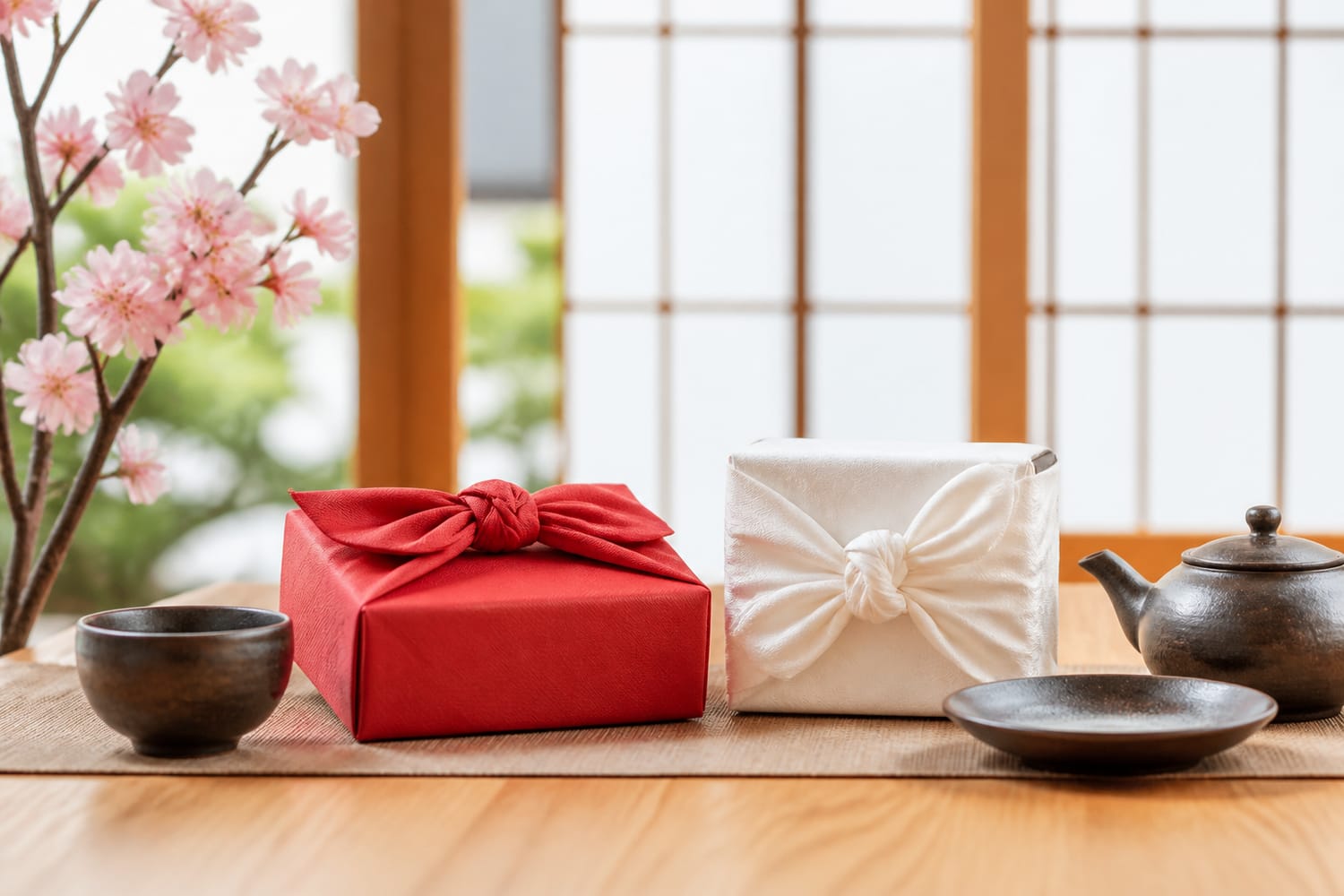
Traditional Chinese etiquette commonly favors accepting and presenting gifts with both hands. A recipient may initially decline a present before accepting it, signaling that they are not greedy or presumptuous. Gifts are also often left unopened until the giver has departed.
The Cultural Atlas guide to Chinese etiquette notes that gifts are generally not opened immediately in the giver’s presence. Wrapping colors, numbers, price, and the recipient’s ability to reciprocate may also affect how the gesture is understood.
Japanese gift-giving traditions likewise place great importance on presentation, context, and reciprocity. Gifts are commonly offered and received with both hands, while the giver may speak modestly about the item rather than praising its quality or price.
Japan also has established gift-giving seasons and customs involving souvenirs, thank-you presents, and gifts acknowledging assistance. The Cultural Atlas overview of Japanese gift giving describes an ongoing cycle of gratitude and social obligation in which the presentation can be as meaningful as the object itself.
These practices connect with broader customs concerning hierarchy, private space, and respectful restraint. Similar values can be seen in other everyday habits, including why some cultures remove shoes indoors.
The Occasion Can Change the Rule
National culture is only one part of the picture. Gift-opening behavior may also depend on the occasion, generation, family, relationship, and location.
A person who waits to open a formal business gift might eagerly unwrap a birthday present from a sibling. Wedding gifts may be delivered before the ceremony, making public opening impractical. A host may place bottles, flowers, or food aside because guests need attention and dinner is already being served.
The type of gift matters too. A bouquet is immediately visible, while a wrapped personal item creates a different decision. Money may carry special rules, particularly when presented in a decorative envelope. Chinese red envelopes, for example, are closely associated with good wishes and prosperity, as explained in Tour Trivia’s look at good-luck practices around the world.
Modern habits are also blending. International travel, multicultural families, social media, and global workplaces expose people to several sets of etiquette. Someone may follow one tradition with grandparents, another with friends, and a third at work.
How Travelers Can Handle the Moment Gracefully

No traveler can memorize every gift custom, especially because etiquette varies within countries. A few flexible habits are more useful than a rigid rulebook:
- Offer and receive a gift carefully rather than casually tossing it across a table.
- Let the recipient decide whether to open it unless local custom clearly suggests otherwise.
- If you receive a gift, ask, “Would you like me to open it now?”
- Avoid pressuring someone to produce an enthusiastic public reaction.
- Thank the giver immediately, whether or not you open the package.
- Send a message after opening it privately and mention something specific you appreciated.
- In formal situations, research local taboos involving colors, numbers, alcohol, flowers, or sharp objects.
Observing the people around you is often the safest strategy. If other guests place presents on a table, do the same. If the host invites everyone to gather for gift-opening, join the celebration.
Gratitude Is the Real Constant
The timing of opening a gift reflects a larger question: What does a society believe the recipient owes the giver? In one setting, the answer may be an immediate smile and enthusiastic reaction. In another, it may be modest acceptance, private reflection, and carefully expressed thanks later.
Cultural etiquette should never be reduced to a simple East-versus-West formula. Personal preferences, family traditions, and the nature of the relationship can outweigh national patterns. Asking respectfully is not an admission of ignorance; it shows that you care about making the other person comfortable.
Whether a package is opened in seconds or saved until the evening, the essential purpose remains the same. A gift creates a moment of connection. The best response is the one that recognizes the thought behind it while respecting the people, traditions, and circumstances surrounding the exchange.