
The Everyday Drama of Waiting
Stand in a line anywhere in the world and you’ll learn something quickly: queuing is never just about waiting. It is about fairness, personal space, patience, authority, social trust, and even national identity. What looks like a simple row of people at a bus stop, bakery, airport gate, or museum entrance can reveal deep cultural habits shaped by history, urban design, economics, and everyday expectations.
For travelers, queues are one of the first cultural puzzles they encounter. You might arrive in a country where people form a perfectly straight line without being told, then travel somewhere else where the “line” looks more like a shifting cloud of hopeful customers. In some places, cutting in line is a serious social offense. In others, pushing forward is treated as practical, even necessary. On Tour Trivia, we love these small travel details because they show how ordinary moments can hold extraordinary cultural meaning.
Lines as a Language of Fairness
At its core, a queue is a social contract. Everyone agrees, at least in theory, that the person who arrived first should be served first. This “first come, first served” principle feels natural in many countries, especially places where institutions are trusted and rules are expected to apply evenly.
In the United Kingdom, for example, queuing is famously treated almost as a civic virtue. The British line is not just a way to organize people; it is a symbol of politeness and restraint. People usually know who arrived before them, even when there is no physical rope or barrier. A queue at a pub, train platform, or bus stop may be loosely formed, but the order is often mentally tracked. Jumping ahead can attract sharp looks, quiet disapproval, or a pointed comment.
This approach reflects a broader cultural value: order without constant enforcement. The ideal queue works because people voluntarily respect it. The line becomes a test of self-control, and waiting your turn proves you understand the unwritten rules.
Where the Queue Is More Flexible
In other parts of the world, queues may be less rigid, but that does not mean they are chaotic or rude. Instead, people may operate with different assumptions about space, urgency, and social interaction.
In many busy markets across parts of Asia, Africa, the Middle East, and Latin America, service often depends on visibility and assertiveness. Customers may cluster around a counter, make eye contact with the vendor, call out their order, and move forward when an opportunity appears. To someone from a strict queue culture, this can feel like disorder. To locals, it may be a normal and efficient way to get things done.
These systems can be especially common in places where formal lines have not always guaranteed fair service. If resources are limited, counters are crowded, or staff do not manage order clearly, people learn to advocate for themselves. In that context, standing quietly at the back may not be seen as polite; it may simply mean you are not ready to be served.
Personal Space Changes the Shape of a Line
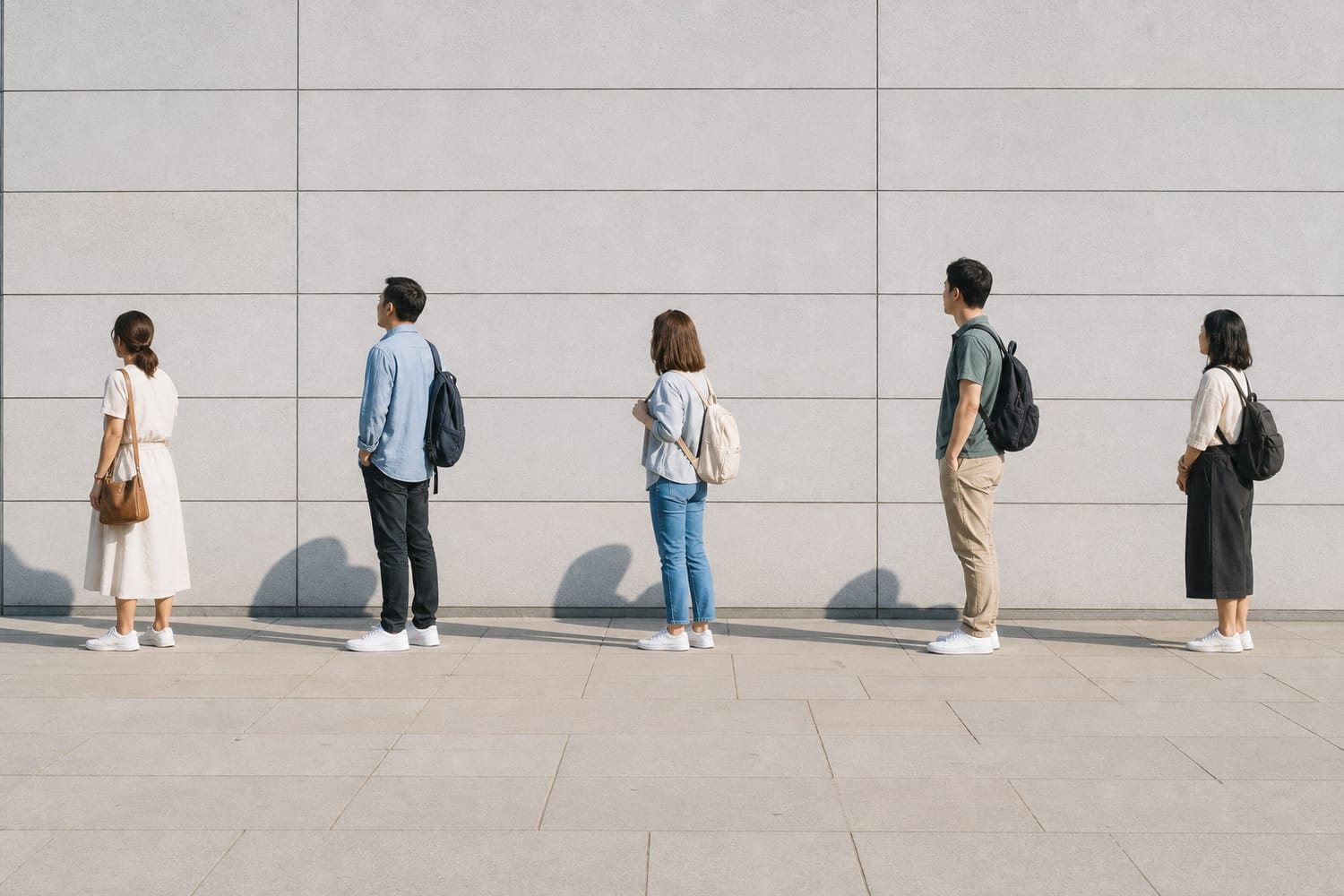
One major reason people queue differently is the cultural meaning of personal space. In countries such as Japan, Canada, Germany, or the Nordic nations, people often leave noticeable gaps between themselves and strangers. A queue may look calm and evenly spaced, with little physical contact.
In densely populated cities, however, personal space can shrink. In places where public transport, markets, and sidewalks are crowded every day, people become accustomed to standing much closer together. A line may appear compressed, with shoulders nearly touching. This does not always signal aggression. It may simply reflect the reality of living in a crowded environment.
Travelers sometimes misread closeness as impatience or rudeness, when it may be normal local behavior. Likewise, locals in close-contact cultures may interpret large gaps in a line as wasted space or even as an invitation to step in.
The Role of Trust in Public Systems
Queuing behavior is also shaped by how much people trust public systems. In societies where rules are consistently enforced, people are more likely to believe that waiting patiently will produce a fair result. If a sign says “Please queue here,” most people assume the system will work.
But in places where people have experienced shortages, unstable services, or unequal treatment, queuing may become more competitive. If a bus might not stop for everyone, a ticket counter might close unexpectedly, or supplies might run out, pushing forward can feel rational. The line becomes less about shared fairness and more about survival, efficiency, or protecting your chance.
This is why historical experience matters. In countries that have faced rationing, scarcity, or bureaucratic uncertainty, public waiting habits may carry traces of those conditions long after everyday life has changed.
Japan and the Art of Organized Waiting
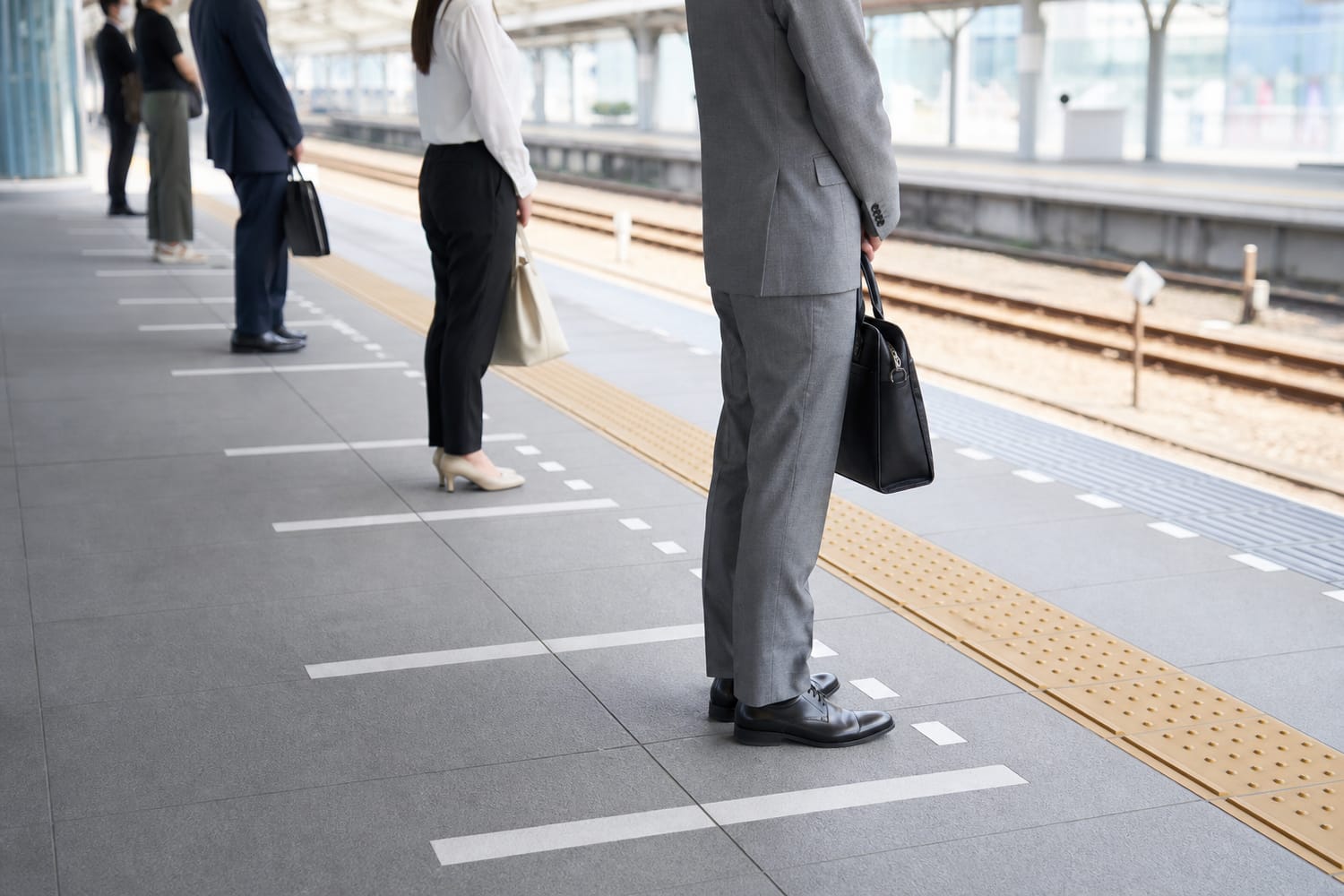
Japan is one of the world’s most admired queue cultures. Train platforms often have markings showing exactly where passengers should stand. People wait in orderly lines, allow others to exit before boarding, and follow subtle rules that make crowded systems function smoothly.
This organization is partly practical. In cities like Tokyo and Osaka, millions of people move through public transit systems daily. Without disciplined queuing, the system would slow down dramatically. But it is also cultural. Japanese society often emphasizes harmony, consideration for others, and respect for shared spaces. A well-formed queue reduces conflict and helps everyone move efficiently.
The result is a style of waiting that can feel almost choreographed. For travelers, it is a reminder that good public behavior is not only about individual manners, but also about collective rhythm.
The British Queue and Quiet Social Pressure
If Japan is known for precision, Britain is known for emotional investment in the queue. The British reputation for lining up is not a myth, though it can be exaggerated. From wartime ration lines to modern coffee shops, the queue has become part of the national imagination.
What makes the British queue interesting is how much of it depends on silent agreement. People may not always stand in a perfect row, but they tend to understand the order. Someone who violates it risks becoming the subject of subtle but powerful judgment. A raised eyebrow, a sigh, or a dry remark can carry more force than open confrontation.
This makes British queuing both polite and intense. The line is calm on the surface, but beneath it lies a strong belief in fairness and turn-taking.
Airports, Theme Parks, and the Global Queue
Some places create their own queue cultures regardless of country. Airports, theme parks, embassies, and major tourist attractions often use barriers, signs, tickets, and staff to manage crowds. These systems reduce cultural ambiguity by making the rules visible.
A theme park line in Florida, a museum queue in Paris, and an airport security line in Singapore may look surprisingly similar because they are designed around global crowd control principles. Ropes, lanes, boarding groups, and digital ticket numbers create an artificial culture of waiting.
Even then, differences remain. Some travelers stand as soon as boarding is announced, even if their group has not been called. Others remain seated until the last possible moment. Some see early standing as pointless; others see it as preparation. The famous “gate lice” phenomenon at airports shows that even in highly managed environments, people bring their own queue instincts with them.
Digital Queues and the Future of Waiting
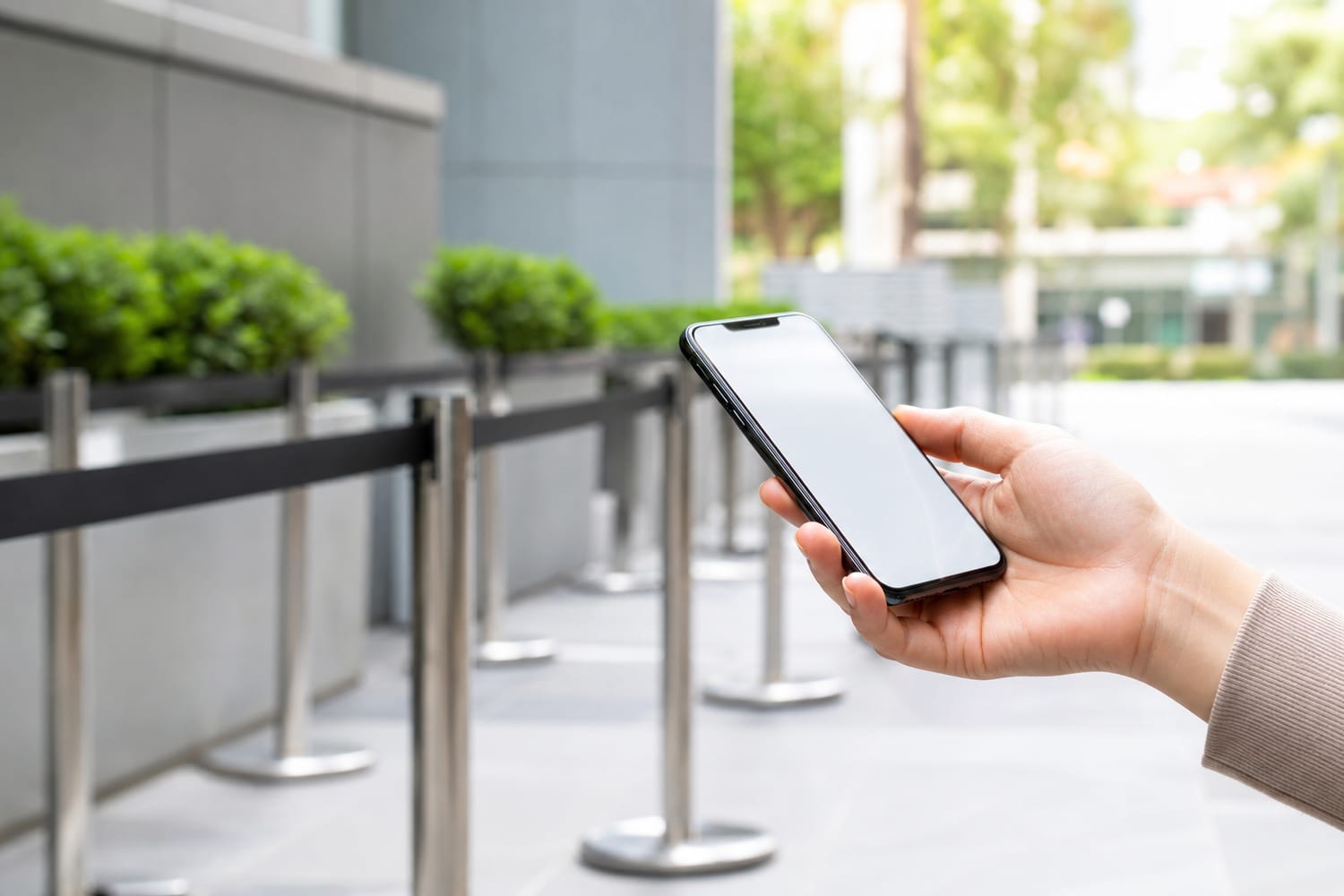
Technology is changing how people wait. Reservation apps, online check-ins, virtual ticket numbers, and restaurant waitlist texts allow people to “queue” without physically standing in line. In some ways, this reduces conflict. Nobody can cut in front if the system tracks the order digitally.
But virtual queues also create new cultural questions. Is it fair to reserve a place remotely before arriving? Should premium customers skip the line? Is a fast pass efficient or unequal? Around the world, paid priority systems have changed the moral meaning of waiting. The old queue suggested equality: everyone waits. The modern queue often reflects status: some people wait less because they pay more.
This shift can feel uncomfortable because lines have long symbolized fairness. When technology breaks the visible queue into hidden categories, waiting becomes less transparent.
What Travelers Can Learn from Local Lines
For travelers, the best approach is to observe before acting. Watch how locals stand, move, order, and signal their place. Are people forming a clear line, taking a number, gathering at a counter, or waiting to be called? Is eye contact important? Are gaps normal, or do people close them quickly?
It also helps to stay flexible. A queue that feels “wrong” may simply follow a different logic. Instead of assuming rudeness, consider the local context. In some places, politeness means waiting quietly. In others, it means being alert and ready. Sometimes the kindest thing you can do is follow the system that already exists.
Of course, patience remains useful everywhere. Whether you are waiting for street food in Bangkok, a train in Berlin, gelato in Rome, or a ferry in Istanbul, the line is part of the travel experience. It slows you down, places you among locals, and gives you time to notice small details.
The Hidden Culture Behind Every Line
Queues may seem ordinary, but they are tiny portraits of society. They show how people balance individual needs with group expectations. They reveal attitudes toward fairness, space, time, and authority. They can be orderly, flexible, silent, loud, strict, improvised, or digital.
The next time you travel, pay attention to the line. It may tell you as much about a place as its monuments or museums. After all, culture is not only found in famous landmarks. Sometimes, it is found while waiting for coffee, watching who moves next, and realizing that even standing still has its own local customs.