
The Invisible Bubble We Carry
Every traveler has felt it: that tiny moment of surprise when someone stands closer than expected, greets with more touch than you’re used to, or leaves what feels like a canyon of distance during a conversation. Personal space is one of those invisible cultural rules we rarely think about until we cross a border and realize the “normal” distance between people is not universal at all.
Personal space is the physical and emotional buffer we maintain around ourselves. It affects how close we stand in line, how we greet strangers, how we sit on public transportation, and even how loudly we speak. What feels friendly in one culture can feel intrusive in another. What seems respectful in one country can seem cold somewhere else.
For travelers, understanding personal space is more than a matter of etiquette. It helps prevent awkward moments, improves communication, and offers a fascinating glimpse into how societies think about privacy, community, trust, and respect.
Culture Shapes the Comfort Zone
Personal space is learned early. Children absorb it by watching how family members interact, how teachers speak to students, how strangers behave in public, and how people greet one another. Over time, these habits begin to feel natural.
In many Mediterranean, Latin American, Middle Eastern, and South Asian cultures, people may stand closer during conversation than visitors from Northern Europe or North America expect. Physical closeness can signal warmth, sincerity, and engagement. A friendly hand on the arm or a kiss on the cheek may be a normal part of saying hello.
In countries such as Japan, Finland, Norway, or Germany, people often value more physical distance, especially with strangers. Standing too close may feel pushy or disrespectful. In these places, giving someone room can be a sign of politeness and self-control.
Neither approach is “right” or “wrong.” They are simply different cultural languages. One culture may say “I like you” by moving closer. Another may say the same thing by giving you space.
Crowding Changes the Rules
Population density also plays a major role. In crowded cities, people learn to share limited space in ways that might surprise outsiders. Think of packed trains in Tokyo, busy markets in Mumbai, or narrow streets in Cairo. In these environments, physical closeness is often unavoidable.
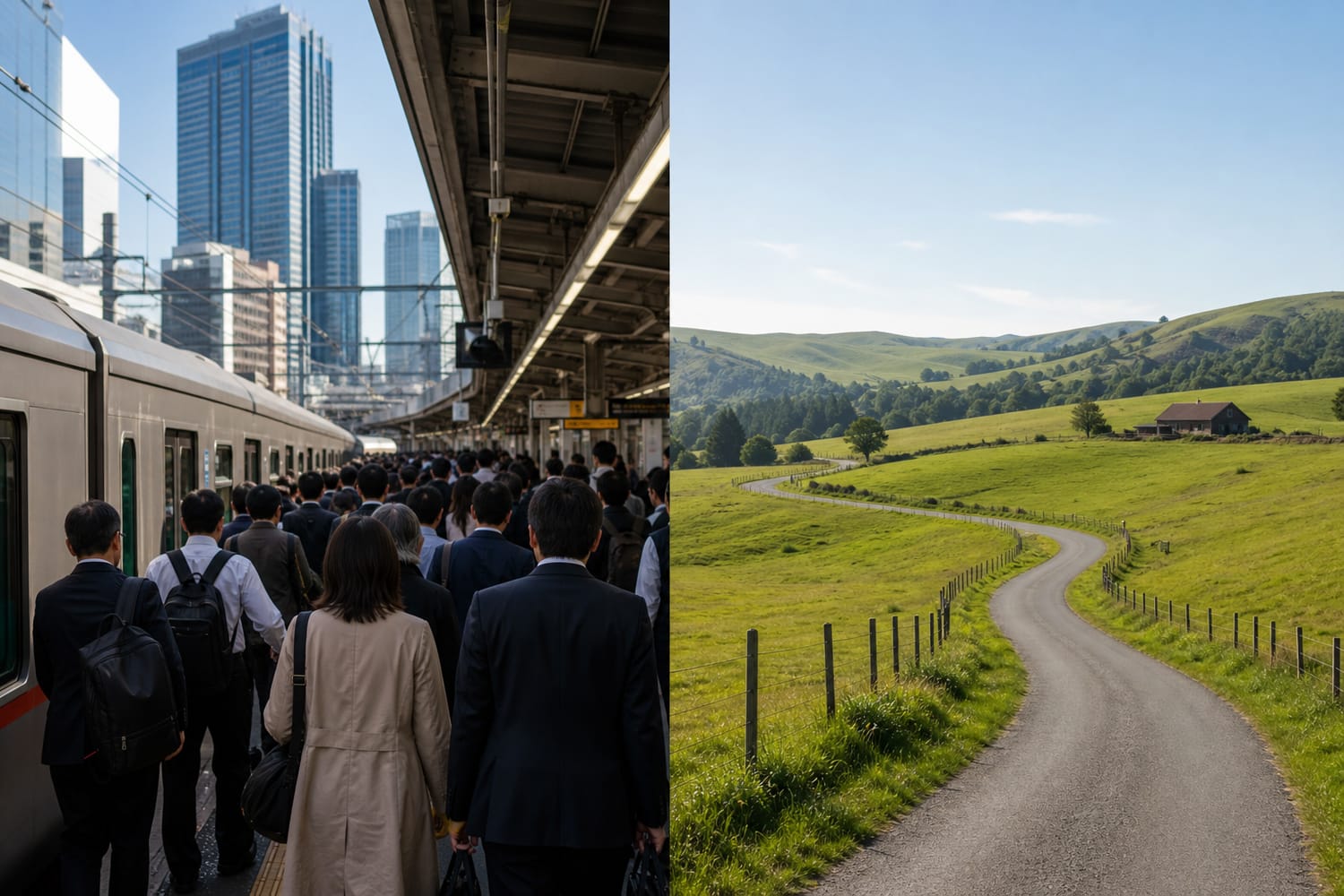
However, crowding does not always mean people are comfortable with intimacy. In some dense urban areas, people cope by creating psychological distance instead. They may avoid eye contact, keep conversations minimal, or remain very still in crowded spaces. This allows people to be physically close without feeling socially exposed.
A packed subway car can be a perfect example. Bodies may be inches apart, yet everyone silently agrees to ignore the closeness. Looking directly at someone for too long might feel more invasive than the lack of physical distance itself.
In rural areas or places with more open land, people may be used to wider physical spacing. Visitors might notice that conversations happen at a greater distance, homes are farther apart, or public life feels less compressed.
Greetings Reveal a Lot
One of the quickest ways to notice personal space differences is through greetings. Around the world, greetings range from bows and handshakes to cheek kisses, hugs, nose touches, and elaborate verbal exchanges.
In France, Spain, Italy, and parts of Latin America, cheek kissing is common among friends, relatives, and sometimes new acquaintances, depending on the region. But even this custom varies widely. The number of kisses, which cheek to start with, and who participates can differ from one city to another.
In Japan, bowing creates a respectful greeting that does not require touch. The distance and depth of the bow can communicate formality, gratitude, or apology. In Thailand, the wai, with palms pressed together, also allows people to show respect without physical contact.
In the United States, a handshake is common in professional situations, while hugs may be common among friends. But even within the U.S., expectations vary by region, age group, and social setting.
For travelers, greetings are a useful reminder that personal space is not just about distance. It is also about timing, relationship, status, and context.
Relationship Matters More Than Geography
While national culture influences personal space, relationships often matter even more. Most people allow family members and close friends to stand nearer than strangers. Romantic partners may share space that would feel inappropriate with coworkers. Children may receive more touch from adults in some cultures, while in others boundaries are more formal.

Social hierarchy can also affect distance. In some cultures, people maintain extra space around elders, religious leaders, teachers, or bosses as a sign of respect. In others, closeness to authority figures may show trust or loyalty.
Gender expectations can also shape personal space. In certain places, men and women who are not related may avoid touching or standing too close in public. Elsewhere, casual touch between genders may be normal. Travelers should be especially attentive to local customs around gendered interactions, because mistakes can feel more serious than general spacing errors.
Climate, Architecture, and Daily Life
Even the environment can influence how people experience space. In warmer climates, more social life may happen outdoors, in plazas, markets, courtyards, and open-air cafés. Public interaction can feel lively, close, and expressive. In colder climates, people may spend more time indoors, with social contact organized around homes, offices, or scheduled gatherings.
Architecture matters too. Cities with small apartments, shared courtyards, and active street life may encourage more communal habits. Places where homes are larger and transportation is car-based may support greater physical separation.
Daily routines teach people what to expect. If you grow up eating in crowded cafés, shopping in busy bazaars, or living with extended family, closeness may feel ordinary. If you grow up with private bedrooms, quiet sidewalks, and spacious public parks, you may develop a larger personal bubble.
Communication Style Plays a Part
Personal space is closely tied to communication. In expressive cultures, people may use animated gestures, strong eye contact, touch, and close distance to show interest. Conversation can feel energetic and emotionally open.

In more reserved cultures, people may communicate respect by keeping gestures smaller, voices softer, and physical distance greater. Silence may be comfortable rather than awkward. A lack of touch does not necessarily mean a lack of warmth.
Misunderstandings often happen when people interpret another culture’s spacing through their own assumptions. A traveler who steps back during conversation may seem distant or unfriendly. A local who steps forward may seem aggressive, even when they are simply being personable.
The “space dance” can be funny to observe: one person moves closer, the other steps back, and both keep adjusting without saying a word. The best response is usually patience and awareness.
How Travelers Can Adapt
You do not need to become an expert in every country’s social rules before traveling. A few simple habits can help.
First, observe before acting. Watch how locals greet one another, how far apart they stand, and whether touch is common in casual conversation. Public behavior can provide clues, though remember that interactions among close friends may not apply to strangers.
Second, follow the other person’s lead. If someone offers a handshake, return it. If they bow, bow back. If you are unsure about cheek kisses or hugs, a warm smile and slight pause can give the other person a chance to guide the greeting.
Third, be careful in formal settings. Business meetings, religious sites, ceremonies, and interactions with elders often require more conservative behavior. When in doubt, choose a little more distance and less touch until you understand the expectations.
Finally, do not take reactions personally. If someone stands closer than you prefer, they may not be rude. If someone keeps more distance, they may not be cold. They may simply be following a different cultural script.
The Joy of Noticing the Unspoken
Personal space feels different around the world because it is shaped by culture, history, environment, density, relationships, and social values. It is one of travel’s quiet lessons: the world is full of invisible rules, and each place teaches us a new way to read them.
For Tour Trivia readers, this is part of the fun of exploring. Beyond landmarks and famous dishes, travel reveals the small details of human behavior. How people queue, greet, sit, gesture, and share space tells a story about what they value.
The next time you find yourself adjusting your stance in a conversation abroad, notice the moment. That tiny shift may be more than awkwardness. It may be a glimpse into another culture’s idea of respect, friendliness, privacy, and connection.