
A Sound With Two Very Different Meanings
Slurping is not universally polite or rude. In Japan, slurping ramen, soba, or udon is widely accepted and can communicate enjoyment. In much of North America and Europe, however, the same noise may be considered distracting or unpleasant. The difference comes down to local ideas about respect, appetite, cleanliness, and shared dining.
Table manners can feel like common sense until you travel. Then, suddenly, the habits you learned as a child are no longer universal. A sound that earns a disapproving look at an American dinner table may blend naturally into the cheerful background of a Tokyo noodle shop.
That contrast makes slurping more than a quirky dining habit. It is a reminder that etiquette is a cultural language—and every table has its own vocabulary.
Why Slurping Is Accepted in Japan
Japan provides the best-known example of a country where noodle slurping is socially acceptable. The Japan National Tourism Organization’s food etiquette guide specifically tells visitors to feel free to slurp their noodles.
This custom is especially associated with ramen, soba, and udon. Slurping does not mean that all loud eating is encouraged. Audible chewing, burping, and other disruptive noises can still be considered poor manners. Noodles are the important exception.
Slurping is sometimes described as a compliment to the cook, but that explanation is too simple. It is better understood as a normal and enthusiastic way to eat certain dishes. A diner who eats quietly is not necessarily insulting the chef, and visitors are not required to produce an exaggerated sound.
The custom may have developed partly because soba was once an everyday food eaten quickly at street stalls. During Japan’s Edo period, busy residents could stop for an inexpensive bowl without treating the occasion like a formal banquet. Slurping became connected to this casual, efficient style of eating and eventually extended to other noodles.
Slurping Has Practical Advantages
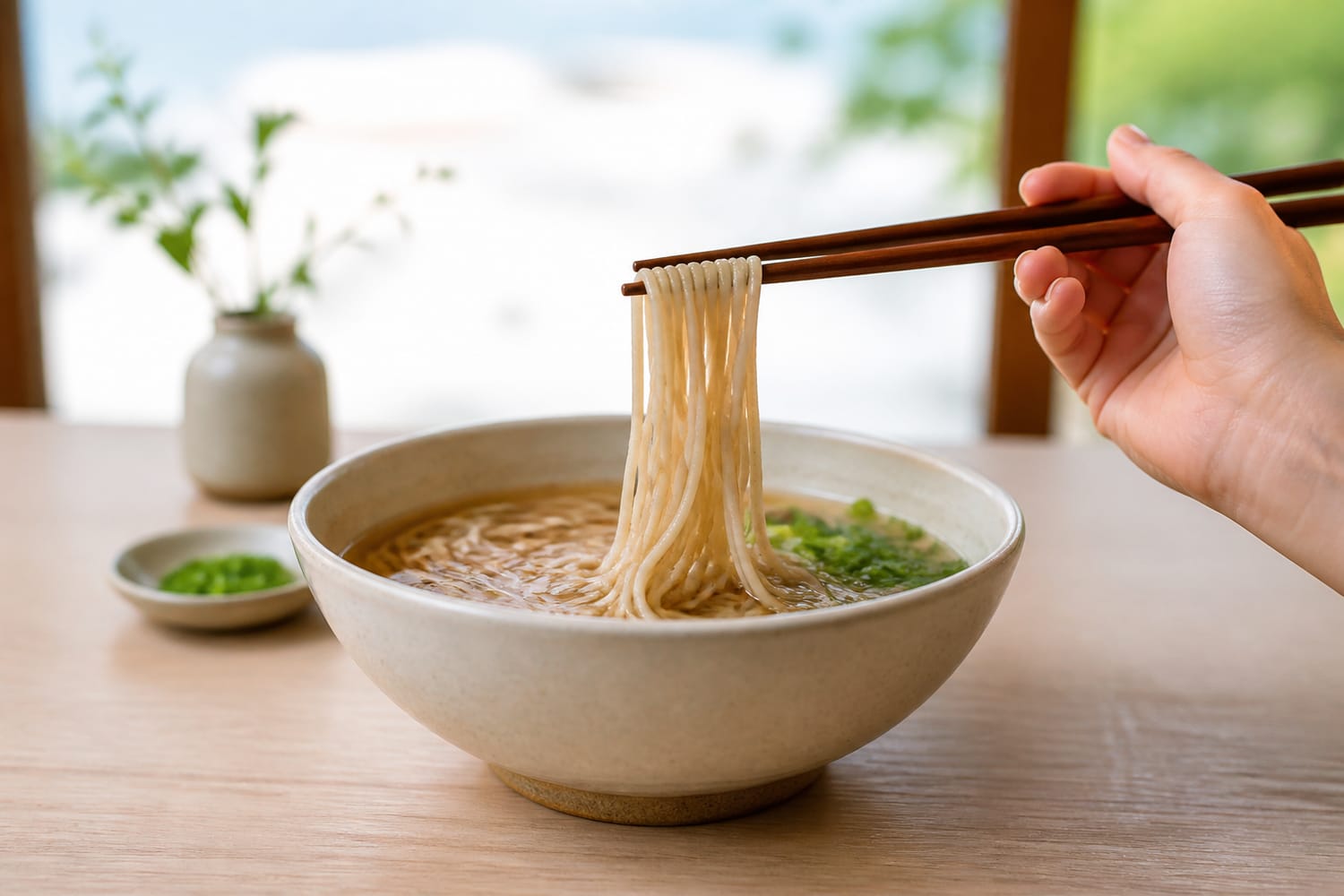
Noodle slurping is not only symbolic. It can also make a hot, slippery meal easier to eat.
Drawing noodles into the mouth with air helps cool them slightly. It also allows the diner to eat long strands directly from the chopsticks without cutting them or attempting to balance an unwieldy bundle over the bowl.
Some noodle enthusiasts believe that slurping improves the sensory experience by carrying aromas into the mouth and toward the nasal passages. This may be especially noticeable with soba, whose delicate fragrance can be difficult to appreciate by simply smelling the bowl.
The technique therefore serves several purposes:
- It helps manage long noodles.
- It can cool hot noodles and broth.
- It brings air into the mouth with each bite.
- It may make aromas more noticeable.
- It allows diners to eat quickly while the noodles retain their ideal texture.
Anyone exploring local delicacies around the world will soon discover that how people eat can be just as culturally meaningful as what they eat.
What About China and Other Asian Countries?
Travel advice sometimes claims that slurping is polite throughout Asia, but Asia is far too diverse for such a sweeping rule. Customs differ among countries, regions, generations, households, and restaurants.
In parts of China and in certain casual dining situations elsewhere in East and Southeast Asia, noodle slurping may be tolerated or treated as unremarkable. Diners may focus more on enjoying the food than maintaining complete silence. Nevertheless, that does not mean everyone considers loud slurping complimentary or refined.
In more formal settings, noisy eating may still be unwelcome. Younger urban diners may also have different preferences from older relatives, while a crowded noodle shop may have very different expectations from a wedding banquet or business dinner.
South Korea presents another useful reminder that neighboring countries do not necessarily share identical etiquette. Korean table customs include their own rules about bowls, chopsticks, hierarchy, and communal dishes. Travelers should not assume that behavior accepted in a Japanese ramen shop will automatically be appreciated at a Korean table.
Why Western Etiquette Discourages Slurping
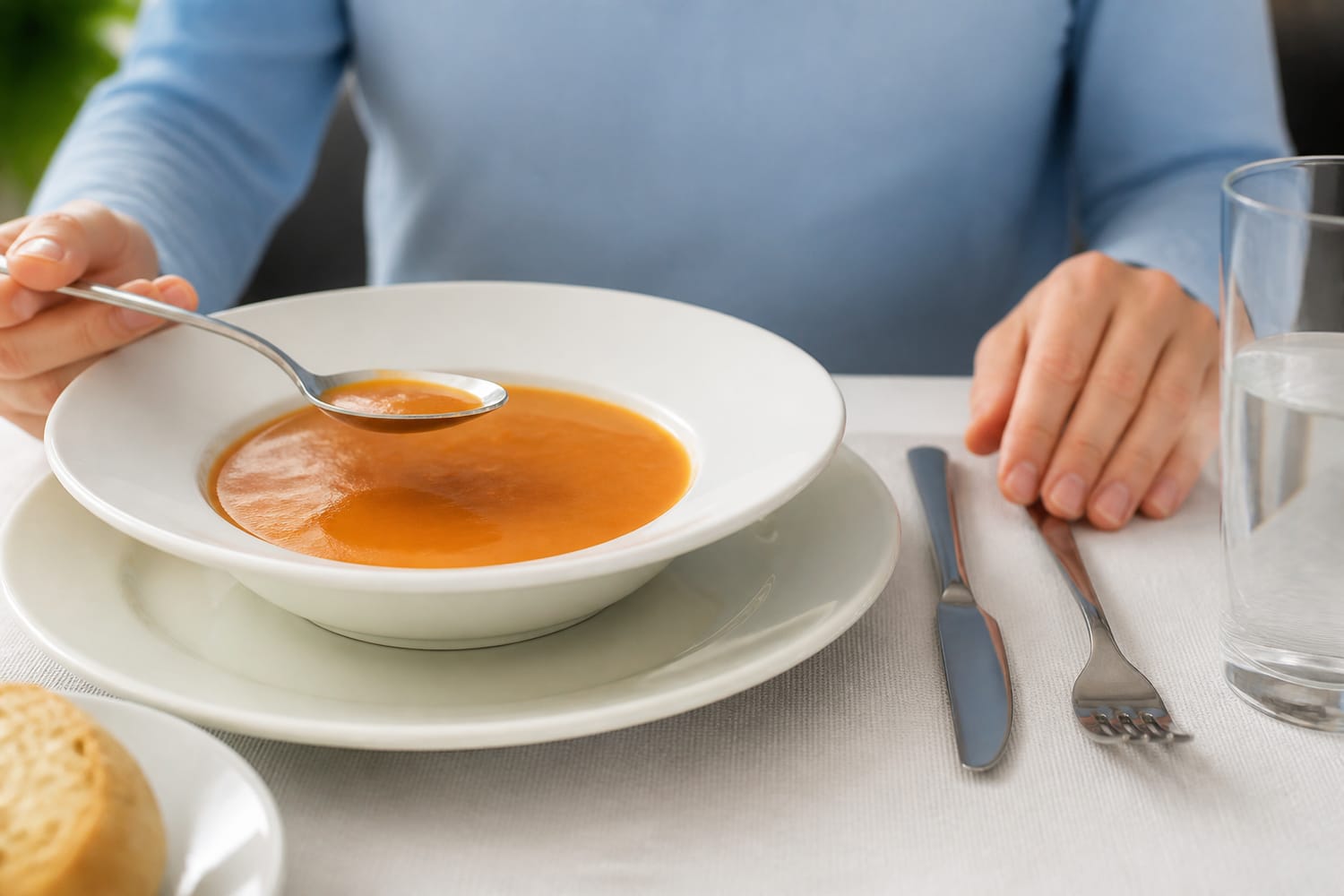
Across much of North America and Europe, traditional table manners emphasize minimizing bodily noises. Diners are generally taught to chew with their mouths closed, avoid clattering utensils, and drink without audible sipping.
The logic is centered on the comfort of everyone sharing the meal. Slurping can attract attention to the physical process of eating, interrupt conversation, or expose nearby diners to spraying droplets. In cultures where quiet consumption is associated with self-control, the noise may suggest carelessness.
The Emily Post Institute, a long-established American etiquette authority, advises diners not to slurp soup or beverages because the sound can be distracting and unpleasant. Instead, diners should allow hot soup to cool before sipping it quietly from the side of a spoon.
Similar expectations commonly apply to pasta. Spaghetti is usually wound around a fork rather than sucked into the mouth. Even at a Japanese restaurant in the United States, other customers may respond according to local American expectations rather than the customs of Japan.
Etiquette Depends on More Than Geography
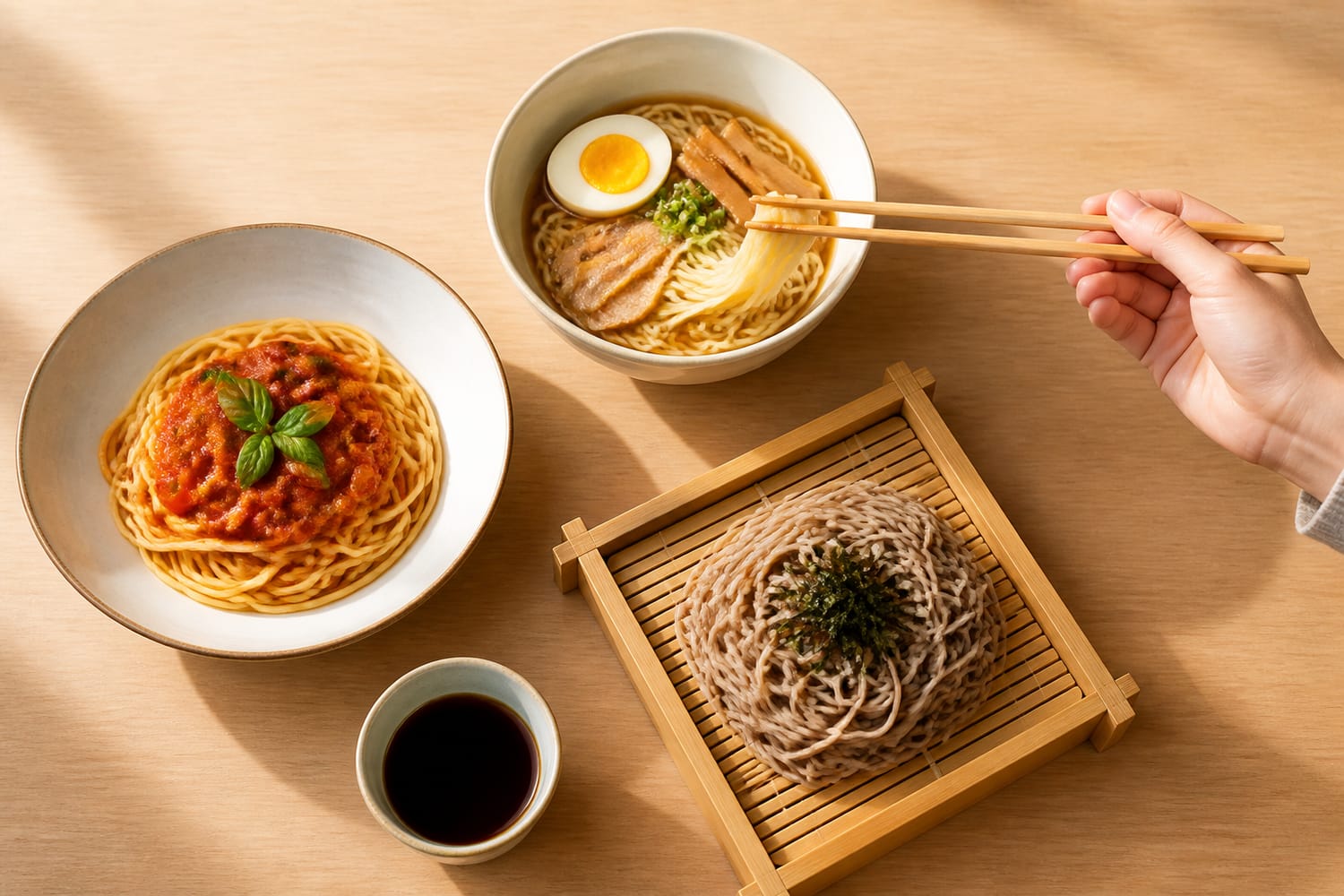
Country is only one piece of the puzzle. The type of restaurant, food, occasion, and company can matter just as much.
A lively ramen counter invites different behavior from a quiet fine-dining room. Friends sharing a casual lunch may overlook sounds that would feel uncomfortable at a formal dinner with clients. Even within Japan, slurping Western-style pasta would not generally be treated exactly like slurping soba.
This is why cultural etiquette should not be reduced to rigid formulas such as “Japanese people slurp” or “Westerners eat silently.” Individuals have sensory sensitivities, personal preferences, and different ideas about good manners. Customs describe broad social patterns, not every person at every meal.
The same principle appears in other travel traditions, from removing shoes before entering a home to greeting someone with a bow, handshake, or cheek kiss. What looks instinctive is usually something society has taught.
How Travelers Can Avoid a Dining Faux Pas
The safest strategy is to observe before acting. Listen to the room, watch your host, and notice how nearby diners handle the same dish.
If everyone at a Tokyo noodle counter is slurping, you can comfortably do the same—but you do not have to force yourself. Eat neatly, avoid splashing broth, and concentrate on enjoying the meal. Most people will care more about your respectful attitude than your ability to create the perfect noodle sound.
When dining somewhere unfamiliar:
- Follow the host’s lead.
- Consider how formal the occasion is.
- Avoid exaggerated noises intended to “perform” the culture.
- Ask a polite question if you are uncertain.
- Remember that etiquette can vary within a country.
- Prioritize the comfort of the people sharing your table.
Tourists sometimes become so eager to follow a custom that they turn it into a spectacle. Deliberately slurping as loudly as possible can appear mocking rather than appreciative. Cultural awareness works best when it is subtle.
The Real Purpose of Table Manners
Slurping reveals something important about etiquette: manners are not simply rules separating civilized behavior from bad behavior. They are systems communities use to make social interactions understandable.
In one setting, silence communicates restraint and consideration. In another, the sound of noodles being enjoyed contributes to an informal, energetic atmosphere. Neither interpretation is naturally correct; each has been shaped by history, cuisine, and social expectations.
The goal of good travel etiquette is not perfect imitation. It is thoughtful participation. When travelers pay attention, remain flexible, and resist judging unfamiliar habits, an ordinary meal can become a fascinating cultural lesson—one noisy mouthful at a time.