
One Country, More Than One Voice
Countries have more than one official language because their people do not always share a single linguistic history. Some governments recognize languages spoken in different regions; others protect minority communities, address past exclusion, or make public services accessible. The result is not necessarily a country where everyone speaks several languages. It is a country that has made room for several languages in public life.
That distinction matters. A language can be widely spoken without being official, while an official language may be used by a relatively small community. The designation tells us something about how a country chooses to govern—and whose voices it intends to hear.
What Does “Official” Actually Mean?
An official language has a recognized role in government, but the details vary. It might be used for legislation, court proceedings, public services, elections, or communication with officials. Recognition at the national level does not always mean every local office uses every official language.
Canada offers a useful example. English and French have equal status in federal institutions, while provinces have their own language arrangements. Canadians are not required to be bilingual simply because their federal government is. The rule concerns access to institutions, not the language each person must speak at home.
That gap between legal status and daily life is the first clue to understanding multilingual countries: an official-language policy is a framework for public life, not a census of private conversations.
Borders Rarely Follow Language Lines
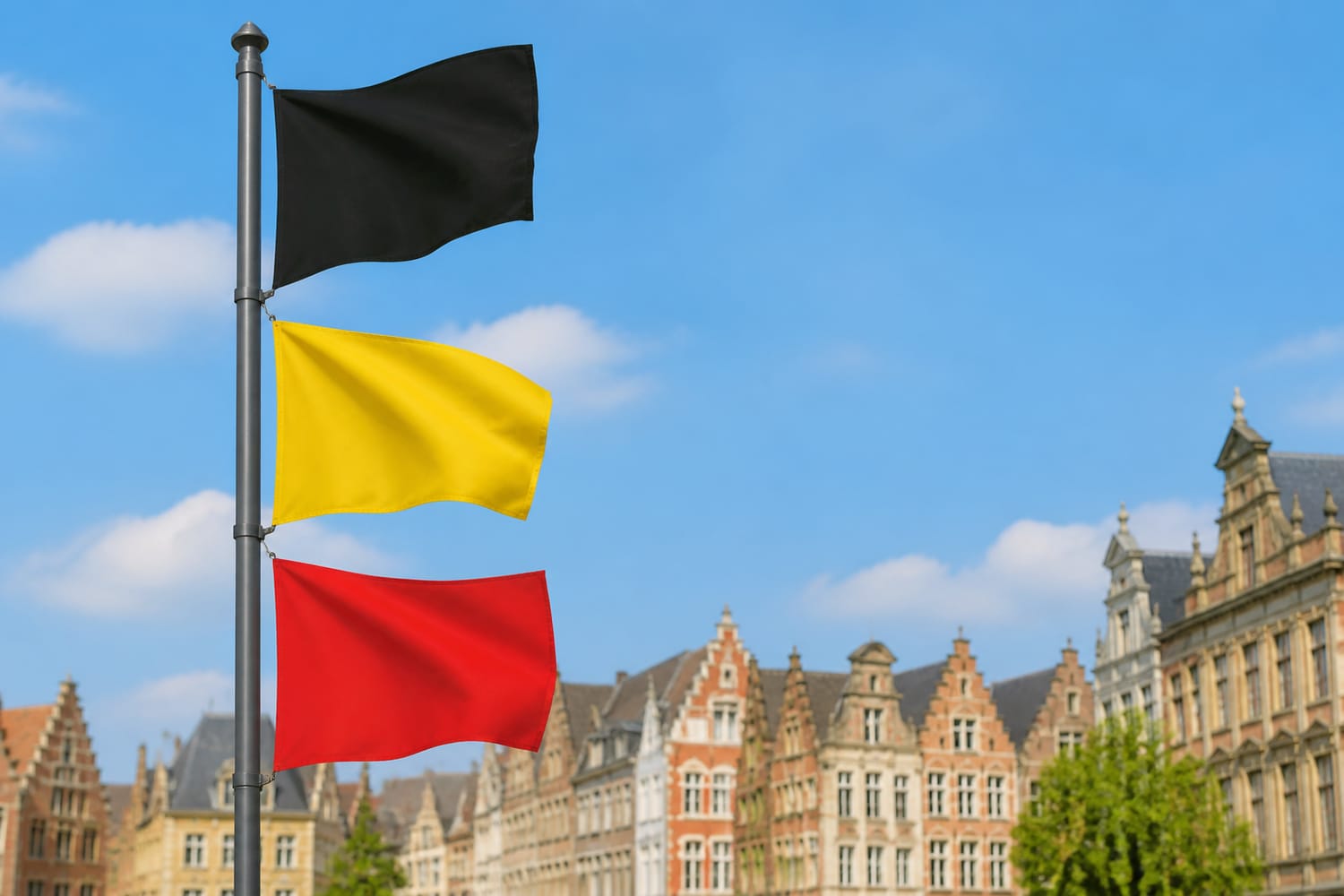
Many countries took shape around populations that already spoke different languages. Communities traded, migrated, married, and settled long before modern borders were drawn. When those communities became part of one state, choosing a single official language could mean favoring one group over another.
Belgium shows how geography and politics meet. Its official languages are Dutch, French, and German, reflecting distinct language communities within the country. Belgium’s federal structure gives those communities a place in public affairs rather than treating linguistic differences as something that will simply disappear.
For a visitor, that does not mean every Belgian street sign appears in three languages. It means the language you encounter depends partly on where you are. A country can recognize several languages nationally while organizing their use by region.
History Can Make Language a Question of Fairness
Language policy is also shaped by power. A language used in government may have gained that position through colonization, political dominance, or an older legal system. Later generations may keep it for practical reasons, expand recognition to other languages, or do both.
South Africa’s constitution explicitly acknowledges the historically diminished status of Indigenous languages and calls for measures to advance their use. Its language provisions are therefore about more than translation: they are part of an effort to change who can participate in public life on fair terms.
Recognizing a language does not instantly erase unequal access. Schools need materials, offices need staff, and public information needs to reach its intended audience. Still, official status can establish a principle that institutions must work toward.
A Small Language Community Can Have a Public Voice
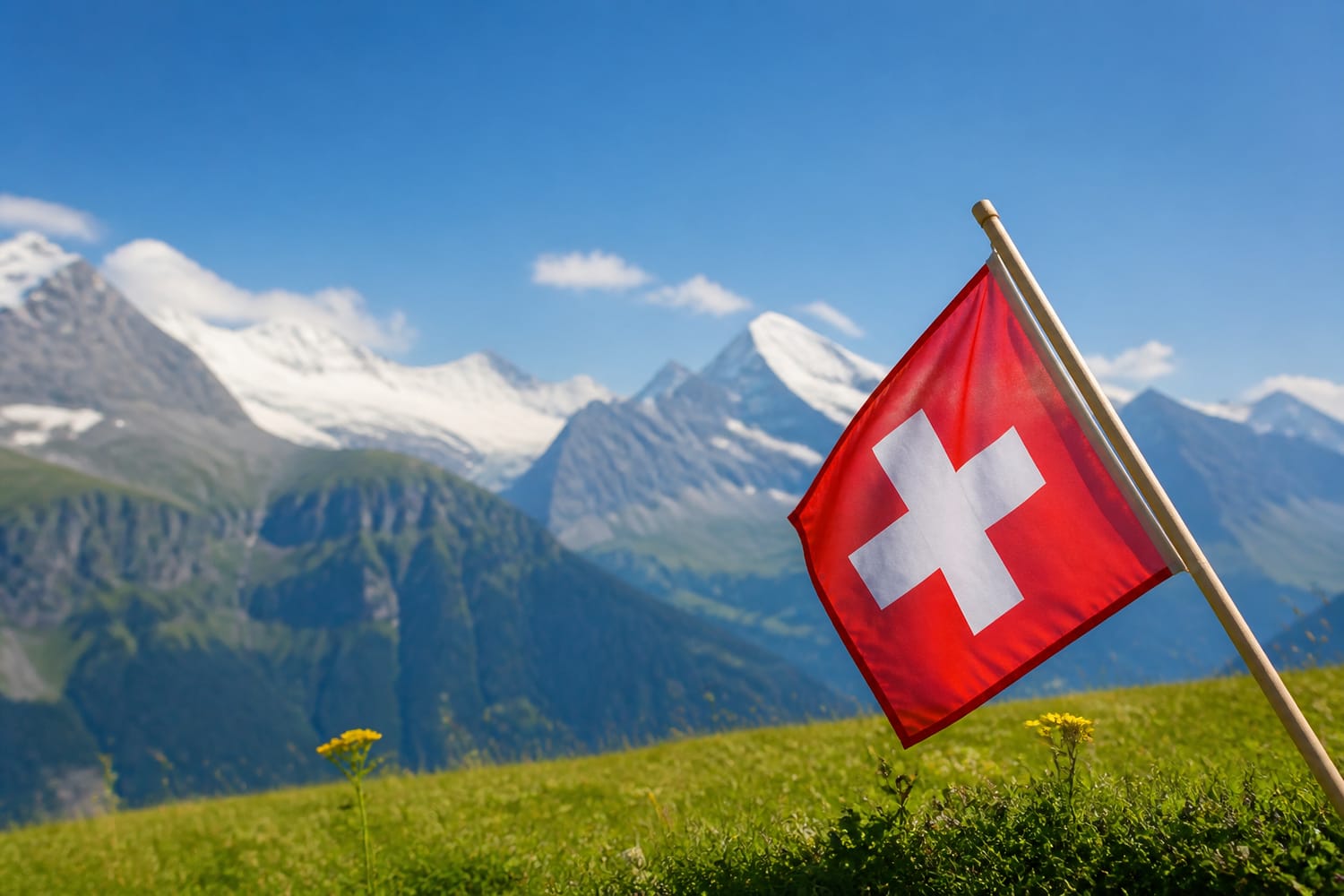
The number of speakers is not the only measure of a language’s importance. For a community, its language can carry family stories, local knowledge, and a sense of belonging. Official recognition can help ensure that a larger language does not crowd it entirely out of public life.
Switzerland illustrates this without pretending every language has an identical role everywhere. German, French, and Italian are federal official languages. Romansh is a national language and is also used officially by the federal government when communicating with Romansh speakers. That carefully defined status reflects both the language’s importance and the practical shape of government services.
Legal recognition is only one piece of keeping a language alive. Children also need opportunities to learn it, and communities need places to use it. Tour Trivia’s look at endangered languages and their stories explores why those everyday connections matter.
Official Languages Can Expand Who Is Included
Multilingual policy is not limited to spoken languages. In 2023, South Africa recognized South African Sign Language as its twelfth official language. The decision connected language recognition with dignity, equality, and access for Deaf people—a reminder that being able to communicate with public institutions is not merely convenient.
This example also shows that an official-language list is not necessarily permanent. As a society reconsiders whose needs its institutions serve, it may change its laws. The important question is what recognition enables people to do: learn, obtain information, participate, and be understood.
Why Not Use Just One Language?
A single administrative language might appear simpler. Governments must weigh the cost of translation, training, and multilingual services. But simplicity for an institution can create difficulty for the person trying to understand a legal notice, speak in court, or ask for help.
There is no universal model. A government may provide broad services in several languages, give particular languages official roles in particular regions, or set different rules for different institutions. Switzerland’s approach to Romansh and Belgium’s language communities demonstrate that “more than one official language” can describe quite different arrangements.
The aim is not always to make every resident multilingual. Often, it is to prevent a person’s language from becoming a barrier to public participation.
What Travelers Notice—and What They Might Miss
Multilingualism can be visible in place names, station announcements, museum labels, and government websites. Yet a sign is only a glimpse of a deeper system. Two neighboring destinations may use different languages in daily life even though they belong to the same country.
Before a trip, check which languages are used in the specific region you plan to visit. Learning a greeting in the local language is a thoughtful start; assuming the same phrase works everywhere is less reliable. And when conversations take an unexpected turn, Tour Trivia’s guide to language mishaps and translation offers another way to think about how easily meaning can shift.
More Than a List on Paper
A country with several official languages is not announcing that its people all speak alike. It is acknowledging, in one way or another, that they do not. Geography may explain where the languages are spoken; history may explain why recognition matters; law determines what institutions are expected to do.
The next time you see multiple languages on a public sign, consider the story behind them. They may mark a regional boundary, protect a community’s place in national life, or open a door that was once harder to enter. Multilingualism is not just a travel curiosity. It is one of the ways a country decides who gets to be heard.