
A Small Cut With a Big Meaning
In many cultures, a baby’s first haircut is celebrated because hair represents more than appearance. Cutting it can symbolize purification, protection, spiritual growth, or the passage from infancy into childhood. By surrounding the moment with prayers, gifts, and family gatherings, communities transform an ordinary grooming task into a meaningful rite of passage.
Why Hair Becomes a Cultural Symbol
Hair is unusually personal. It grows visibly, changes throughout life, and can be cut without permanently altering the body. Those qualities make it a powerful symbol of identity, renewal, sacrifice, and transformation.
A child’s birth hair may also be viewed as a physical connection to pregnancy and the earliest stage of life. Removing it ceremonially creates a clear dividing line: the newborn phase has ended, and a new stage has begun. This symbolism helps explain why first-haircut traditions appear in communities separated by thousands of miles.
The custom fits into a broader global pattern in which hairstyles express cultural identity. Hair can communicate age, faith, family background, social position, or belonging. A first haircut introduces a child to those cultural meanings before the child is old enough to understand them fully.
Mundan in Hindu Traditions
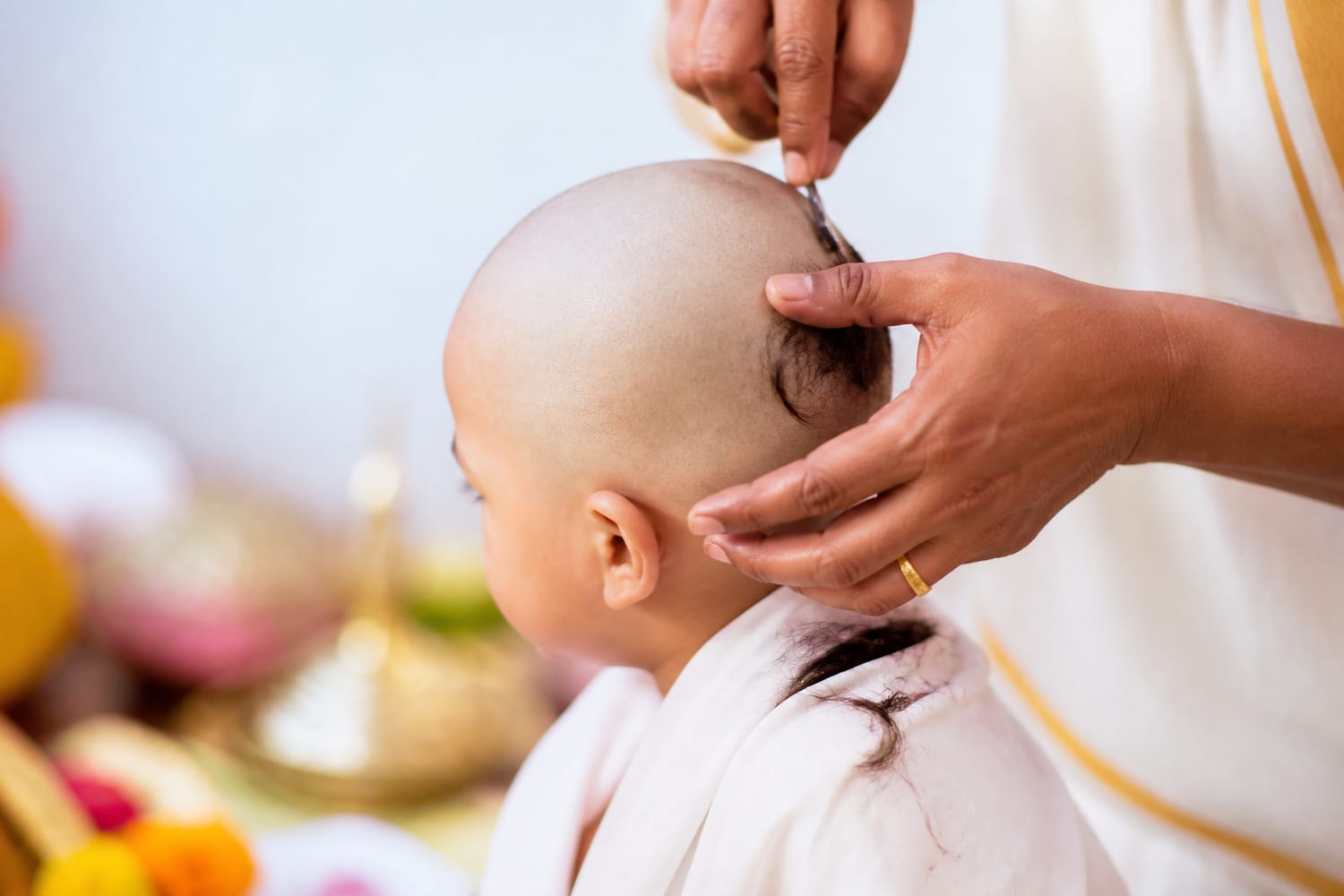
One of the best-known first-haircut ceremonies is the Hindu mundan, also called chudakarana or by other regional names. It belongs to a larger collection of samskaras, or rites marking important stages of life. These may include naming a baby, introducing solid food, beginning education, marriage, and funeral observances.
During mundan, some or all of a child’s birth hair is removed. The practice is commonly associated with purification, the release of undesirable influences from the past, and prayers for a healthy future. The hair may be offered at a temple or handled according to family and regional custom. The Hindu American Foundation’s overview of Hindu ceremonies includes the first hair-cutting among the milestones that families may observe after a child’s birth.
There is no single mundan format followed by every Hindu family. The child’s age, location, prayers, participants, and amount of hair removed can vary considerably. Some ceremonies are intimate household events, while others involve temple visits, elaborate meals, and large groups of relatives.
Mongolia’s Community Haircut
In Mongolia, a child’s first haircut can become a celebration involving the extended family and wider community. The custom is recognized as an element in Mongolia’s national register of intangible cultural heritage.
Traditionally, the ceremony is held when the child is several years old, although the selected age and details vary. An elder or respected guest may make the first cut. Other attendees then remove small locks, offer good wishes, and present gifts.
This turns the haircut into a collection of blessings. Instead of one barber completing the transformation, many people contribute to it. Each small cut demonstrates that the child’s growth is not solely a private family matter; it is supported and witnessed by a network of relatives, elders, and friends.
The celebration may also include special foods and entertainment. In that setting, the haircut becomes less about removing hair and more about publicly welcoming the child into the next phase of life.
The Jewish Upsherin
Some Orthodox and Hasidic Jewish families allow a boy’s hair to grow until his third birthday. The first haircut ceremony is commonly known by its Yiddish name, upsherin or upshernish, while chalakah is another name used in some communities.
Family members and guests may each cut a lock, while the child’s peyot, or sidelocks, are left in accordance with religious practice. The ceremony is often associated with the beginning of formal Jewish education and the child’s growing participation in religious life.
A guide to the upsherin tradition explains how the third birthday is treated as a transition in learning and responsibility. The gathering may be held at home, in a synagogue, or at a place of religious significance. However, the custom is not universal among Jewish families, and its history and observance differ between communities.
Hair Cutting and Aqiqah
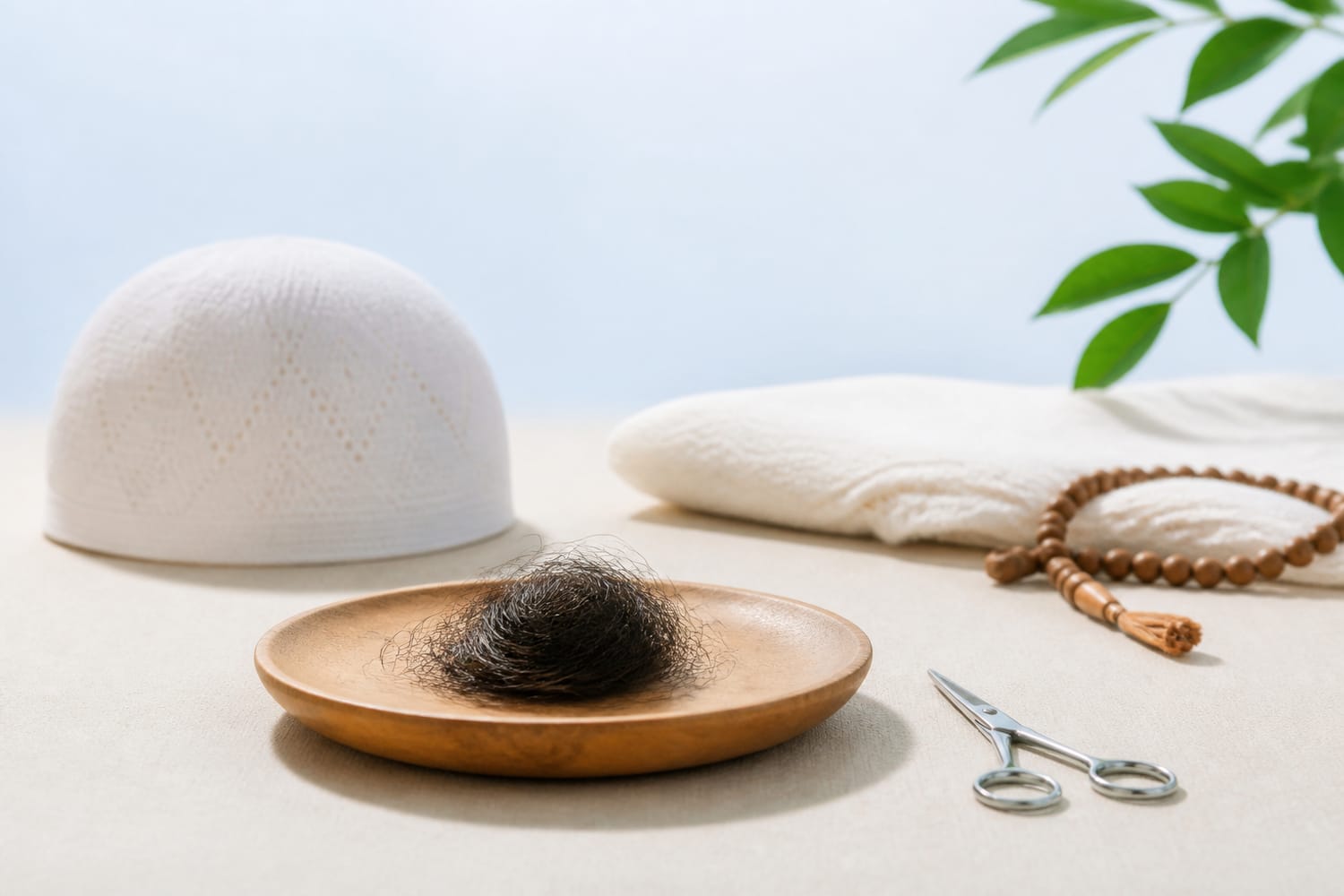
In many Muslim families, shaving a newborn’s head may form part of aqiqah, a celebration expressing gratitude for the child’s birth. Aqiqah is commonly associated with naming the baby, sharing food, making prayers, and giving to people in need.
One custom involves weighing the removed hair and donating the equivalent value in silver or gold as voluntary charity. This connects the child’s arrival with generosity: a blessing received by the family becomes an opportunity to assist someone else.
Practices vary among Muslim communities, and shaving is recommended rather than universally treated as compulsory. Islamic Relief’s explanation of aqiqah customs notes the traditional connection between the haircut, naming, communal meal, and charitable giving.
The Meanings These Traditions Share
Although the ceremonies have different religious and historical foundations, several themes frequently overlap:
- Renewal: Removing birth hair represents a fresh beginning.
- Growth: The haircut marks movement from one life stage into another.
- Belonging: Relatives and community members formally welcome the child.
- Blessing: Prayers and good wishes express hope for health and happiness.
- Continuity: Repeating the ceremony connects the child with ancestors.
- Generosity: Gifts, meals, offerings, or charitable donations share the family’s joy.
These shared ideas demonstrate how cultures make an invisible change—growing older—visible. The child may not remember the event, but photographs, saved locks, gifts, and family stories preserve its place in family history.
Tradition Is Not Medical Treatment
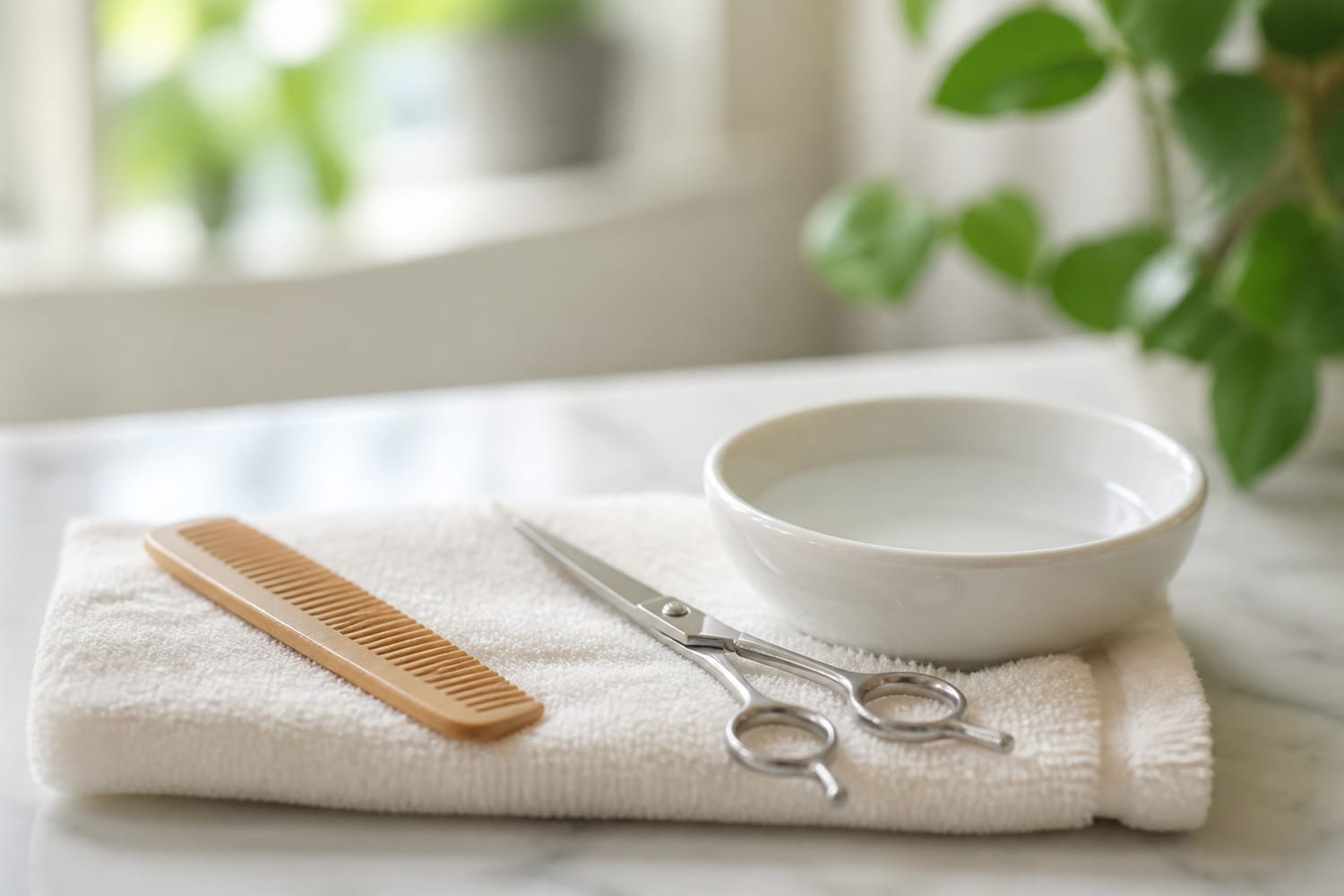
Some families believe shaving a baby’s head will make the new hair grow faster, darker, or thicker. However, shaving does not change the structure or number of hair follicles. Newly cut hair can feel coarser because its tip is blunt, creating the appearance of thicker growth without actually changing the hair.
That distinction does not reduce the ceremony’s cultural significance. A tradition can carry emotional or spiritual meaning without requiring a medical explanation. Families can honor inherited customs while making practical decisions based on their child’s health, comfort, and individual needs.
Attending a First-Haircut Celebration Respectfully
Travelers or guests invited to such a ceremony should avoid assuming that every family follows the same rules. Ask whether guests are expected to cut a lock, bring a gift, cover their heads, remove their shoes, or follow photography restrictions.
Observing the hosts is often the safest approach. As with other forms of cultural etiquette around the world, respectful curiosity is more valuable than pretending to understand every detail. Never touch the child’s hair, ceremonial objects, or cut locks unless invited.
A Milestone the Whole Family Remembers
A baby’s first haircut lasts only minutes, yet its meaning can stretch across generations. It may represent purification in one household, education in another, charity in a third, and community belonging somewhere else.
What unites these traditions is the desire to pause and notice growth. Children change quickly, and ceremonies help families hold onto moments that might otherwise pass quietly. The scissors remove a few strands of hair, but the gathering creates something lasting: a story about identity, love, and a child’s first steps into the wider world.