
Dinner Is More Than a Time on the Clock
Ask someone what counts as “late dinner,” and the answer depends almost entirely on where they grew up. In parts of the United States, sitting down at 6 p.m. feels perfectly normal. In Spain, that same hour might be reserved for errands, a stroll, or a pre-dinner drink — with the real meal still hours away. In Argentina, a restaurant that fills before 9 p.m. may be catering mostly to tourists.
Mealtime is one of the most revealing travel clues. It tells you about climate, work schedules, family life, religion, urban design, and even history. Dinner is not simply about hunger; it is shaped by hidden rhythms that organize daily life. For travelers, understanding those rhythms can turn confusion into appreciation — and help you avoid showing up to an empty restaurant wondering where everyone is.
Climate Shapes the Daily Schedule
One of the biggest reasons some cultures eat dinner late is heat. In warmer countries, especially around the Mediterranean, Latin America, the Middle East, and parts of Asia, the middle of the day can be too hot for intense activity. Historically, people adjusted by slowing down during the hottest hours and becoming more active again in the evening.
In southern Spain, Italy, Greece, and parts of Portugal, evenings are often when streets come alive. Temperatures drop, plazas fill, and families head outside. Eating later fits naturally into this pattern. If the day’s most comfortable social hours begin after sunset, dinner shifts later too.
This pattern is especially noticeable in places where outdoor life is central to the culture. A late meal is not just about food; it is part of an evening routine that may include walking, meeting friends, window-shopping, or sitting at a café. In these places, dinner belongs to the cooler, more social part of the day.
The Midday Meal Once Ruled the Day
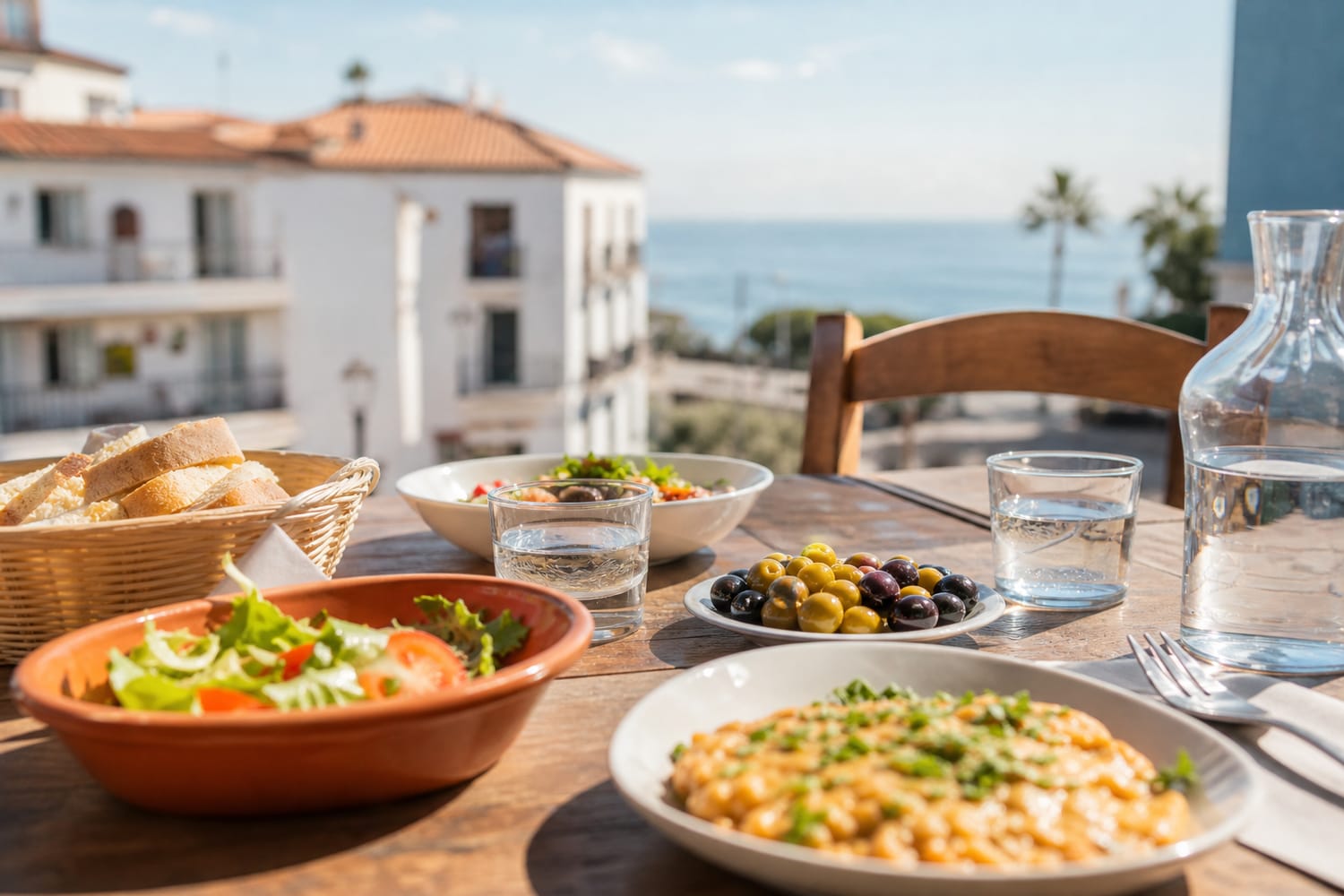
In many cultures, dinner used to be lighter because lunch was the main event. Agricultural societies often centered the day around a substantial midday meal, giving workers the energy to continue through the afternoon. Even today, in countries such as Spain, Mexico, Brazil, and parts of Italy, lunch can be the largest meal.
When lunch is hearty and eaten later in the afternoon, dinner naturally moves back. If you finish a multi-course meal at 3 p.m., you probably will not be hungry again at 6. Instead, dinner becomes smaller, more relaxed, and later.
This also explains why some travelers misunderstand local dining habits. They may expect dinner to be the grand meal of the day, only to discover that locals treated lunch as the main culinary occasion. In Spain, for example, the famous late dinner makes more sense when you consider the timing of lunch, tapas, and evening social life together.
Work Hours and Commutes Push Dinner Later
Modern work life has also changed dinner schedules. In large cities, long commutes and extended office hours often delay evening meals. Places such as Tokyo, Seoul, Madrid, Buenos Aires, and Mexico City all have work cultures or urban patterns that can make early dinners difficult.
In Japan, dinner may be eaten late because many workers stay at the office into the evening or socialize with colleagues after work. In South Korea, dinner can become part of a larger social experience, sometimes followed by drinks or multiple rounds at different venues. In Argentina, where dinner often starts around 9 or 10 p.m., the whole evening runs later, from work endings to social gatherings.
These schedules are not always traditional in the ancient sense. Some are the result of modern urban life, economic demands, and changing labor patterns. But once a society’s restaurants, shops, schools, and social expectations adjust to later hours, the rhythm reinforces itself.
Spain’s Famous Late Dinner Has a Complicated History
Spain is perhaps the most famous example of late dining, but the reasons are more complex than warm weather and relaxed evenings. Spanish dinner often happens around 9 or 10 p.m., and in some cities even later. One reason is the traditional structure of the day: a substantial lunch, an afternoon pause, evening errands or socializing, then dinner.
Another factor is Spain’s unusual time zone. Geographically, much of Spain lines up with countries like Portugal and the United Kingdom, but it operates on Central European Time. This means the sun rises and sets later by the clock than visitors might expect. A 9 p.m. dinner in Madrid may feel more like an 8 p.m. dinner by solar time.
The result is a daily rhythm that appears extremely late to outsiders but feels normal within Spain. Restaurants may not begin filling until after 9 p.m., and local families may not see any reason to rush. For travelers, adapting to this schedule can be one of the most memorable parts of visiting.
In Latin America, Dinner Is Often a Social Event
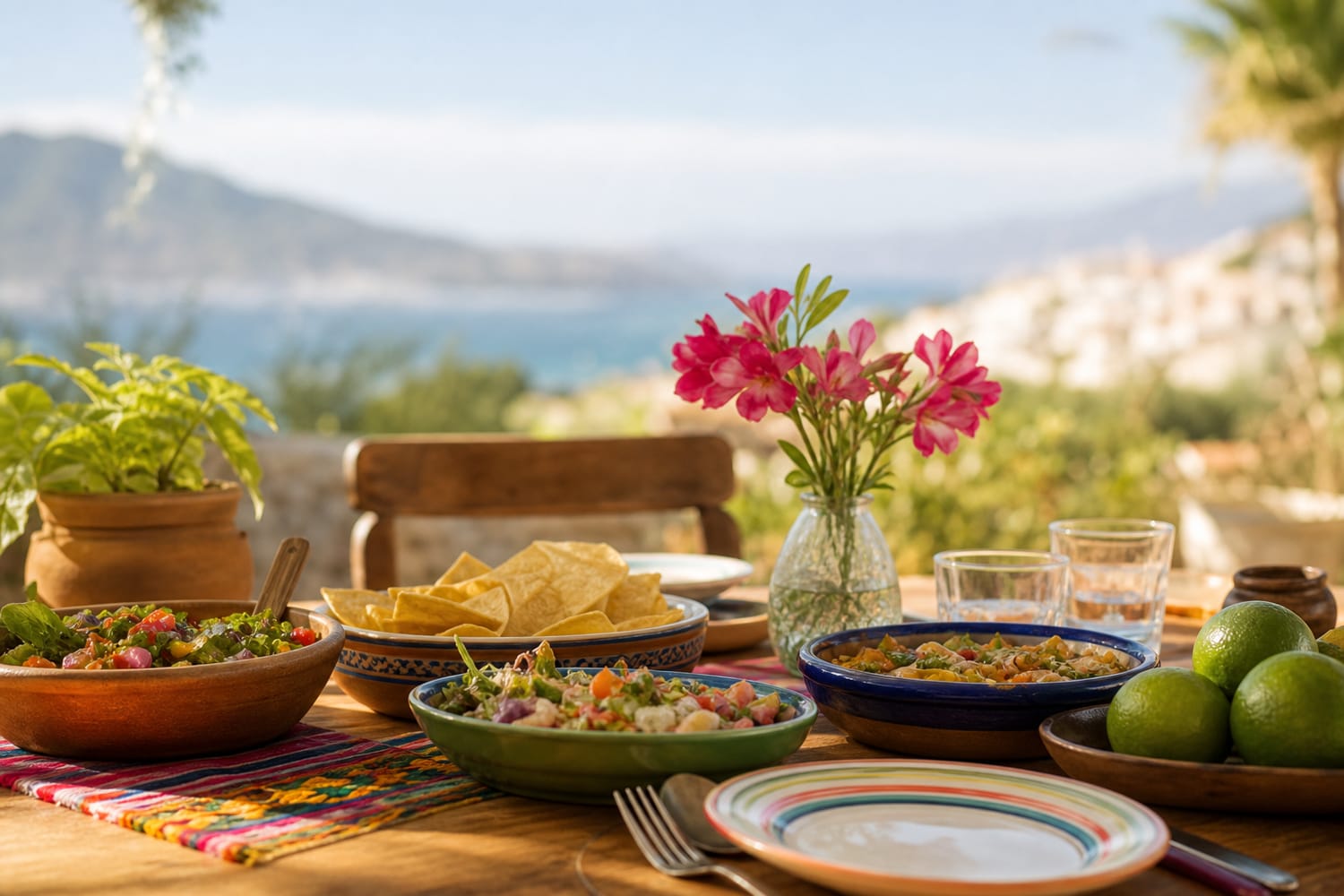
Across Latin America, dinner times vary widely, but many countries tend toward later evening meals than those in northern Europe or North America. Argentina is famous for especially late dinners, with locals often eating around 9, 10, or even 11 p.m. This is partly tied to social habits, work schedules, and the importance of gathering with family and friends.
In Buenos Aires, nightlife starts late, restaurants stay open late, and evening meals are often leisurely. A steak dinner is not something to squeeze in before an early bedtime; it is an occasion. Similarly, in parts of Mexico, Colombia, Chile, and Peru, dinner may happen later than visitors expect, especially in cities.
That said, there is no single “Latin American dinner time.” Rural areas, families with young children, and regions with different work schedules may eat earlier. Still, the broader pattern shows how dinner often acts as a social anchor at the end of a long day.
Northern Europe and North America Often Eat Earlier
If late dinners reveal one kind of cultural rhythm, early dinners reveal another. In countries such as Norway, Sweden, Denmark, the Netherlands, Germany, Canada, and the United States, dinner is often eaten between 5 and 7 p.m. This schedule reflects colder climates, earlier workday endings, school routines, and a stronger separation between work time and home time.
In many northern countries, evenings are associated with home life, especially during long, dark winters. Eating earlier allows families to settle in, children to keep regular bedtimes, and households to wind down. Restaurants in smaller towns may close earlier, and the idea of starting dinner at 10 p.m. can feel impractical.
The difference is not about one culture being more relaxed or another being more efficient. It is about how daily life has been organized around climate, labor, daylight, and family expectations.
Religion and Ritual Influence Mealtime
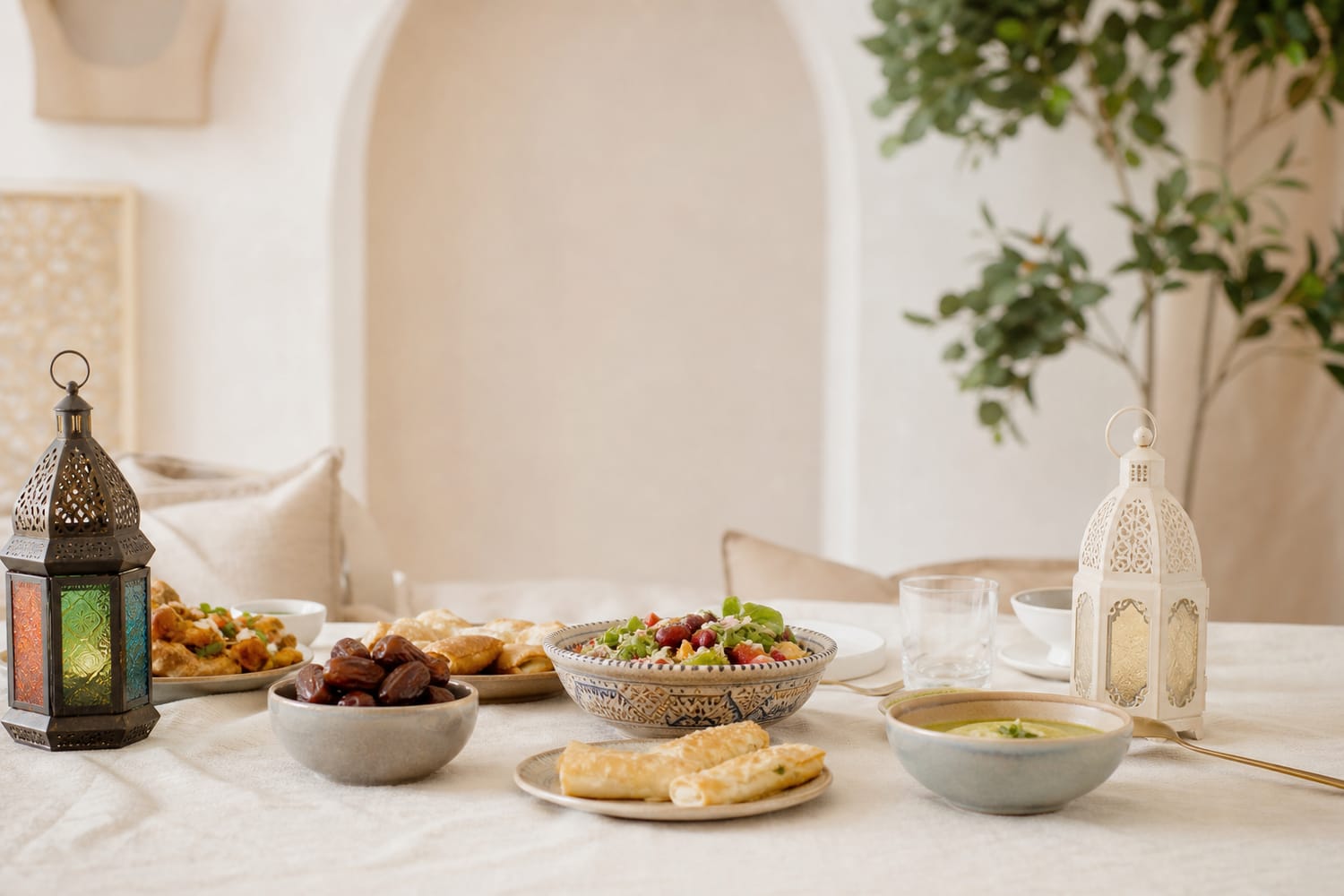
Religious practice also shapes eating times. During Ramadan, Muslims fast from dawn until sunset, making the evening meal, iftar, a deeply significant daily event. In places such as Morocco, Turkey, Egypt, Indonesia, and the Gulf states, the rhythm of public life changes during the holy month. Streets may quiet during the day and become lively after sunset, with meals extending late into the night.
Jewish traditions can also influence meal timing, especially around Shabbat and holidays, when meals follow religious observances. In Christian cultures, feast days, fasting traditions, and holiday meals have historically affected when and how people eat.
These examples show that mealtime is not only practical. It can be spiritual, communal, and symbolic. The clock matters less than the meaning attached to gathering, breaking a fast, or honoring a ritual.
Restaurants Follow Local Rhythms, Not Tourist Expectations
One of the easiest ways travelers notice mealtime differences is through restaurants. In some cities, arriving at 7 p.m. means getting the best table because locals have not arrived yet. In others, 7 p.m. may be peak dinner hour, and coming later could mean the kitchen is closing.
Tourists often interpret empty restaurants as bad signs, but timing may be the real issue. A quiet dining room in Rome or Madrid at 7:30 p.m. might become packed an hour later. In Buenos Aires, a restaurant may barely be warming up at 8:30. Meanwhile, in rural Germany or Scandinavia, waiting until 9 p.m. could leave you with limited options.
The best travel strategy is simple: observe local patterns. Check when restaurants actually open for dinner, not just when you personally feel hungry. Notice when families arrive, when tables fill, and when locals make reservations. Eating with the rhythm of a place often leads to better meals and a more authentic experience.
Late Dinner Is About Lifestyle, Not Just Food
Behind every dinner time is a way of living. Late meals may reflect hot afternoons, long lunches, evening promenades, social nightlife, late workdays, or religious observance. Early meals may reflect colder climates, family schedules, shorter restaurant hours, or different ideas about rest and routine.
For Tour Trivia readers, this is the fun of exploring the world: everyday habits become clues. A dinner reservation can reveal a country’s relationship with sunlight, labor, leisure, and community. The next time you wonder why locals are eating so late, remember that the meal is only one part of a larger cultural clock.
Travel becomes richer when you stop asking, “Why don’t they eat when I do?” and start asking, “What does this schedule tell me about life here?” Dinner, wherever you are, is a doorway into the hidden rhythm of a place.