
How Saturday and Sunday Became the Familiar Pair
The Saturday–Sunday weekend did not arrive fully formed. During industrialization, many factory employees worked six days a week. Winning shorter hours and additional time off involved decades of campaigning, negotiation, and changes in how businesses organized production.
Henry Ford helped popularize the five-day working week when Ford Motor Company implemented a five-day, 40-hour schedule in 1926. However, he did not single-handedly invent the weekend. As the Library of Congress explains, other industries and employers were already discussing or experimenting with shorter working weeks.
Keeping both Saturday and Sunday free also accommodated different religious observances: Saturday for Jewish workers and Sunday for many Christian workers. That made the pairing useful beyond its appeal as extra leisure time.
The important distinction is that a religious rest day and a two-day employment weekend are not the same thing. The modern weekend grew from several overlapping needs, rather than one ancient instruction.
Religious Traditions Help Set the Rhythm
Religion helps explain why different days became central to community life.
In Judaism, Shabbat begins on Friday evening and continues until Saturday night. In Christianity, Sunday became the dominant day of communal worship, although practices differ among denominations. These traditions helped shape expectations about when people should pause ordinary work.
For Muslims, Friday holds particular importance because of the congregational prayer known as Jumu’ah. However, describing Friday simply as “the Muslim Sabbath” is misleading. Islam’s Friday gathering is not identical to the Jewish Sabbath, and it does not automatically require an entire national economy to close all day.
That distinction matters. Religious observance can influence a working week without determining every detail of it.
As Tour Trivia’s exploration of how different cultures approach time highlights, schedules are also expressions of community priorities. The calendar tells you when people work, but it can also reveal what they protect time for.
Why Friday and Saturday Work for Some Countries

A Friday–Saturday weekend preserves Friday for worship and family time while sharing Saturday with countries following a Saturday–Sunday schedule. It is a practical compromise between local traditions and international business coordination.
Saudi Arabia provides a clear example. In June 2013, it changed its official weekend from Thursday–Friday to Friday–Saturday. The royal order established Sunday through Thursday as working days for government bodies and specified financial institutions.
The economic logic becomes clear when you compare calendars. A Sunday–Thursday office and a Monday–Friday office share four working days: Monday through Thursday. With a Saturday–Wednesday working week, their overlap would be only three.
Qatar also generally follows a Sunday–Thursday working week and Friday–Saturday weekend. Its tourism guidance notes that businesses may still open on Friday afternoons or Saturdays, reminding visitors that “weekend” does not mean “everything closed.”
The UAE Shows That Weekends Can Change
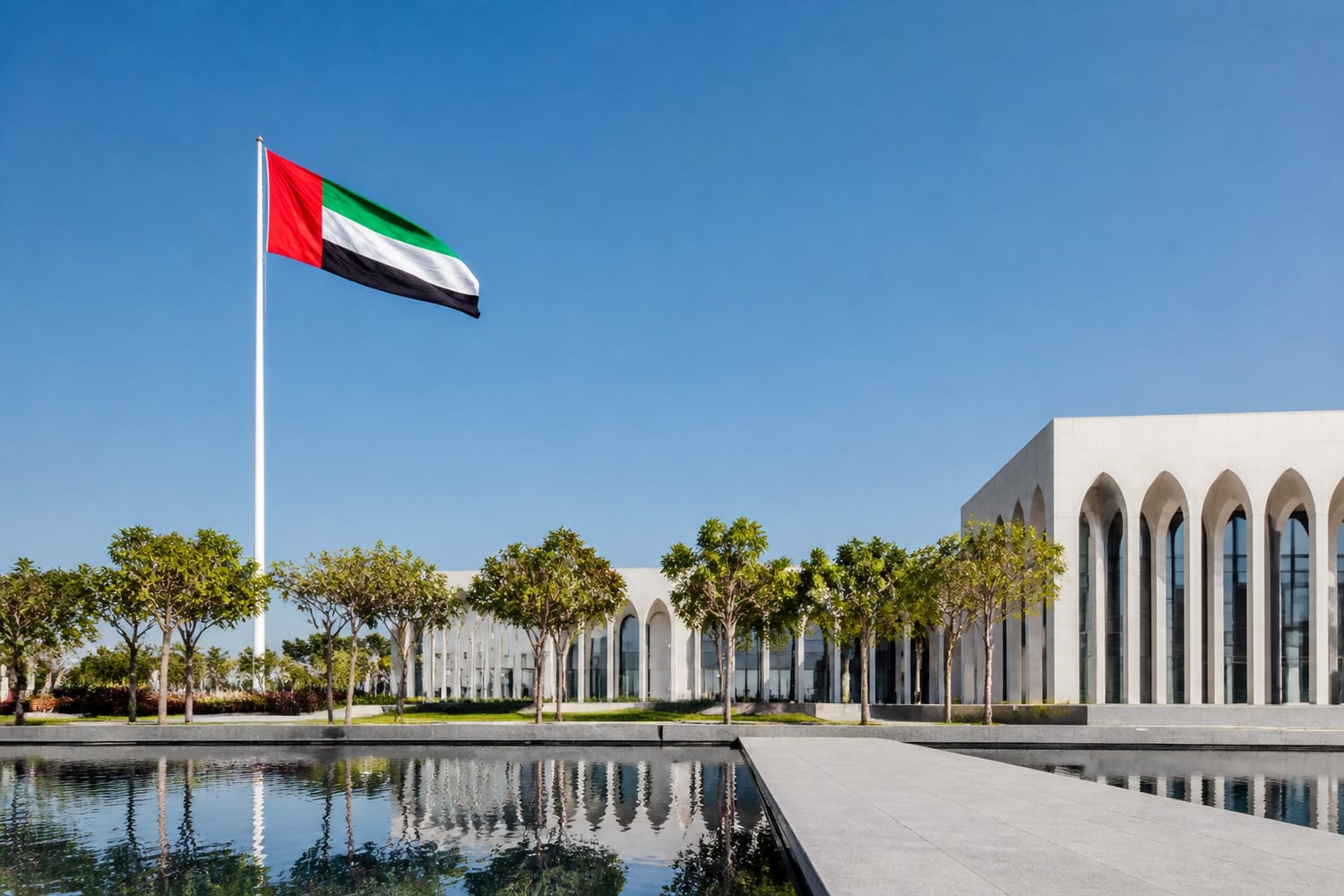
Weekend arrangements are not permanent cultural fixtures. Governments can redesign them as economic needs and public-sector priorities evolve.
On January 1, 2022, the United Arab Emirates introduced a four-and-a-half-day working week for federal government employees. The schedule runs Monday through Thursday, plus Friday morning, with Saturday and Sunday as the official weekend.
The UAE government’s working-hours guide also identifies an important exception: Sharjah’s local government follows a four-day working week, Monday through Thursday, with Friday, Saturday, and Sunday off.
Notice the wording: federal government employees and Sharjah’s local government. These are not promises that every hotel, shop, private office, or attraction follows the same timetable. Private-sector arrangements must be checked separately.
For travelers, this is a useful warning against treating an entire country as one giant office with a single opening-hours sign.
A Rest Day Can Begin Before Midnight
Another surprise is that the culturally significant break may not begin at the boundary shown on your phone’s calendar.
In Israel, Shabbat runs from Friday evening until Saturday night. Many public transport services stop operating during that period, although alternatives and local exceptions exist. A Friday arrival can therefore require more planning than the weekday label suggests.
The practical question is not simply, “Is Saturday the weekend?” It is, “When does the service I need stop, and when does it restart?”
That is separate from why the same day can have different dates around the world. Time zones affect the local date; weekend customs affect what people do with that date. Both deserve a place in your planning.
How to Plan Around an Unfamiliar Weekend

You do not need to memorize every country’s working week. You need to check the parts of the schedule that could disrupt your trip.
- Check individual opening hours. Confirm your museum, bank, rental counter, or attraction rather than relying on a countrywide generalization.
- Verify transport separately. Look up the actual service timetable for your arrival and departure dates.
- Ask precise questions. “Are you open Friday morning?” is more useful than “Are you open on weekends?”
- Confirm business-day deadlines. For bookings or paperwork, ask for a calendar date rather than interpreting “two working days” yourself.
- Leave room for local routines. Avoid building a tight itinerary around an unverified assumption.
For example, Discover Qatar’s visitor guidance explicitly distinguishes the national weekend from individual business hours and notes that timings can also change during Ramadan. The lesson is simple: check both the usual weekly pattern and any date-specific changes.
The Weekend Is a Local Agreement
The most interesting thing about weekends is how natural our own version feels. Once Saturday and Sunday become familiar, any other arrangement can seem unusual.
Yet the examples above show different ways of balancing worship, rest, public services, and commerce. None requires the whole world to pause together.
For your next trip, add one small question to the checklist: When does the weekend happen here? The answer may save an errand—and reveal something meaningful about the place you are visiting.