
A Small Payment With a Big Cultural Meaning
Tipping is expected in some countries because gratuities form part of service workers’ income and the unwritten contract between customer and employee. Elsewhere, wages and service charges are built into the price, making an extra payment unnecessary. In certain cultures, offering money may even suggest that professional service requires a personal reward.
The confusion begins because tipping looks like a simple financial transaction, but it is really a social custom. Like greetings, table manners, and ideas about personal space, gratuities reflect local beliefs about work, hospitality, status, and fairness.
A generous gesture in one country can therefore become an awkward mistake in another.
Why Tipping Feels Mandatory in the United States
In the United States, tipping is closely connected to how many service employees are paid. Federal rules permit qualifying employers to pay tipped workers a direct cash wage of $2.13 per hour, provided wages and tips together reach the applicable minimum wage. State requirements vary, and some states mandate much higher direct wages. The U.S. Department of Labor’s explanation of tipped wages shows why customers often view gratuities as part of a worker’s expected compensation rather than an optional bonus.
At a full-service American restaurant, leaving no tip after satisfactory service may be interpreted as a complaint. Servers, bartenders, taxi drivers, hairstylists, hotel staff, and delivery workers can all depend on gratuities to varying degrees.
This system makes tipping feel less like spontaneous generosity and more like completing the bill. The listed price covers the product, while the customer is socially expected to calculate part of the labor cost.
Canada has similar customs, although wage laws differ by province. In both countries, travelers should distinguish between traditional tipped service and a checkout screen that simply offers tipping options. A digital prompt at a bakery counter does not necessarily carry the same expectation as table service.
How History Turned Gratuities Into Wages

Modern tipping developed from older European customs in which wealthy guests gave money to servants and other workers. It carried an element of hierarchy: a socially powerful person rewarded someone in a lower-status position.
When the practice spread in the United States, it initially faced resistance. Critics considered tipping undemocratic because it seemed to reproduce European class distinctions. Nevertheless, the custom became embedded in industries such as rail travel, hospitality, and restaurants.
Over time, businesses incorporated expected tips into their wage structures. Once workers, employers, and customers began planning around gratuities, the system became difficult to remove. A custom that had begun as an extra reward gradually became an essential source of income.
That history explains an important difference. In strongly tipped economies, the customer helps pay the worker. In many non-tipping economies, paying employees remains primarily the employer’s responsibility.
Why Much of Europe Tips Differently
There is no universal European tipping rule. Customs vary among countries, cities, and types of service, but gratuities are generally smaller and less automatic than in the United States.
In France, restaurant prices are presented with service included, and an additional tip remains voluntary. The French government’s guidance on gratuities and service charges distinguishes an optional pourboire from service included in the customer’s bill.
Across other parts of Europe, diners might round up the total, leave a few coins, or add a modest amount for excellent service. A large percentage-based tip can be unnecessary, especially when the bill already contains a service charge.
Understanding these differences is part of appreciating dining traditions around the globe. The meal itself may be familiar, but the social ritual surrounding payment can reveal very different ideas about hospitality.
Travelers should also read the bill carefully. Terms such as “service included,” “service charge,” and servizio do not always mean exactly the same thing in every country. When uncertain, asking whether service is included is more respectful than automatically applying American conventions.
When a Tip Can Cause Confusion or Offense
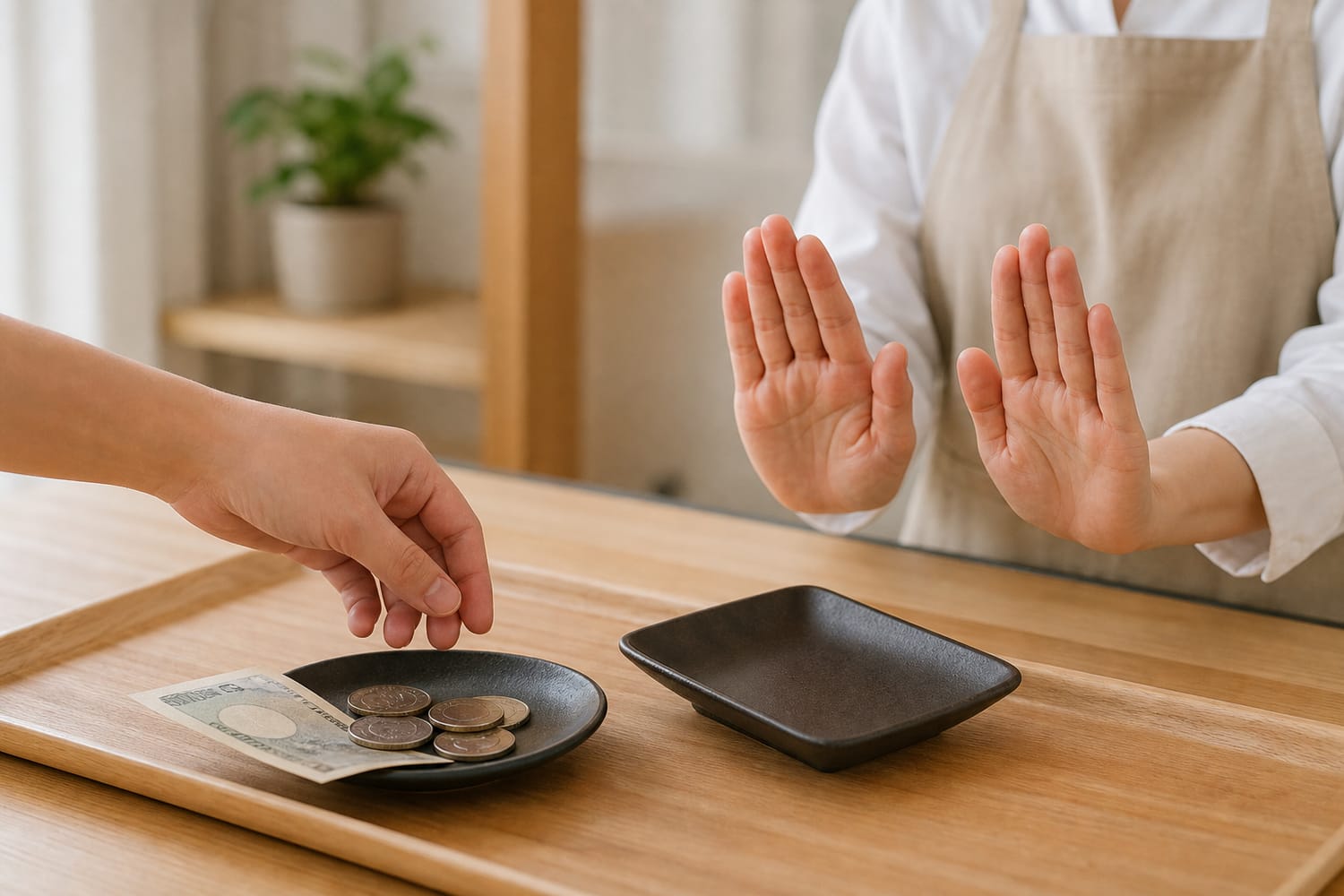
Japan is perhaps the best-known example of a country without a general tipping culture. According to the Japan National Tourism Organization’s tipping guidance, tips are not normally given in restaurants, cafés, taxis, bars, or hotels. Staff may return money that a visitor leaves behind because they assume it was forgotten.
Calling tipping “insulting” in Japan can be an oversimplification. Most workers will recognize that a foreign visitor means well. However, the gesture can create discomfort because excellent service is understood as part of the job, not something performed in pursuit of an individual cash reward.
An unexpected tip could appear to:
- Treat a skilled professional like a personal servant
- Suggest that ordinary service requires extra motivation
- Introduce an uncomfortable sense of debt
- Turn sincere hospitality into a commercial exchange
- Imply that the employee’s dignity or wages require charity
South Korea also lacks a broad tipping tradition, and employees may politely refuse extra money. Similar attitudes can appear in other parts of East Asia, although international hotels, private tours, and tourist-oriented businesses may follow different practices.
The key point is not that every tip will cause deep offense. More often, an out-of-place gratuity creates uncertainty by violating the familiar rules of the exchange.
Wages, Prices, and Ideas About Hospitality
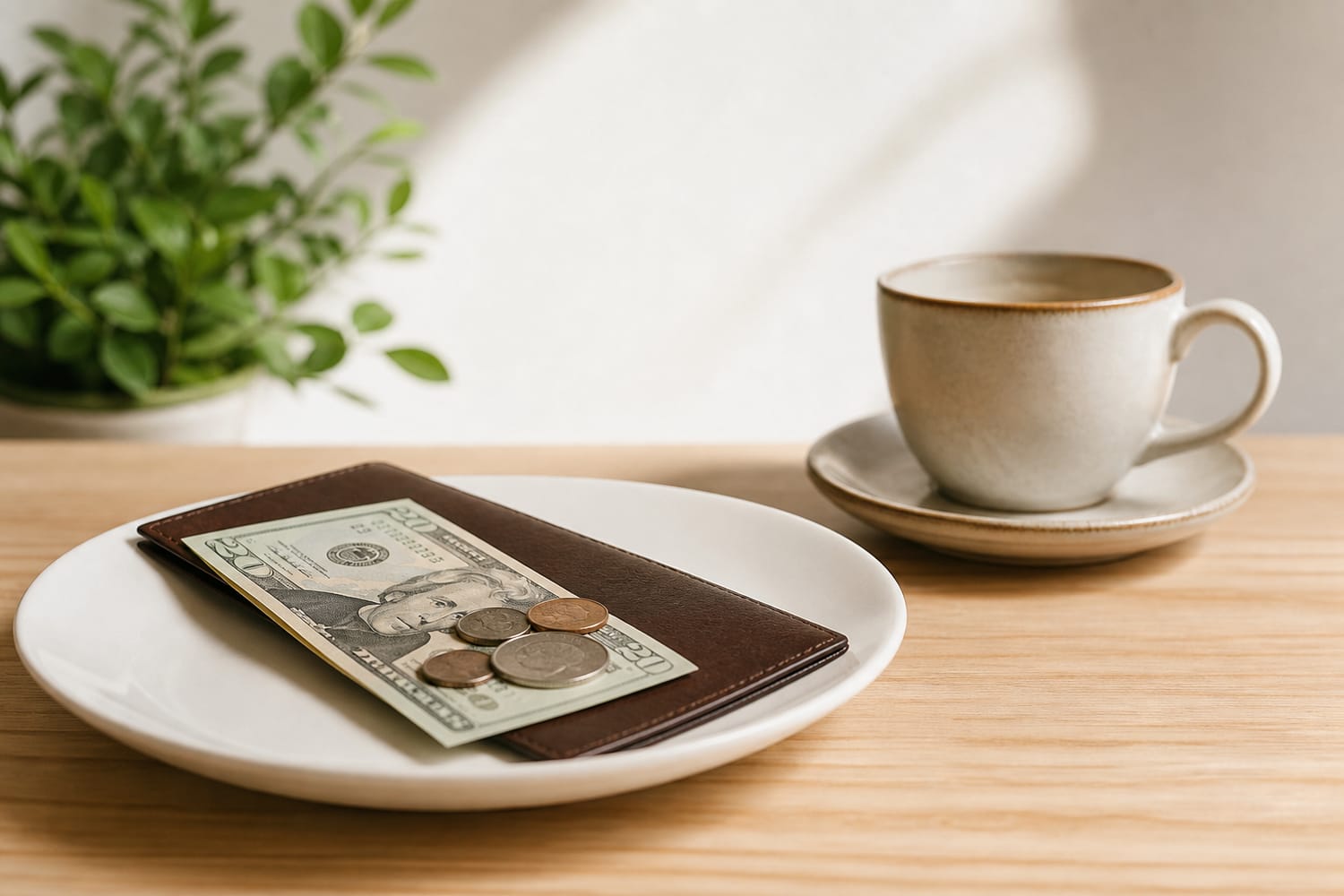
Tipping customs often reflect the way a country divides responsibility among employers, workers, and customers. Where service employees receive wages designed to stand on their own, a tip may remain a small thank-you. Where workers depend heavily on gratuities, withholding one can have a direct financial effect.
Hospitality also carries different meanings. In some cultures, attentive service demonstrates professionalism and pride. Accepting extra cash may seem to weaken that principle by suggesting that courtesy has a separate price.
Elsewhere, personal recognition is central to service. A tip allows customers to reward warmth, speed, knowledge, or exceptional effort. Neither interpretation is inherently more polite; each makes sense within its own economic and cultural setting.
These differences resemble other forms of cultural etiquette travelers encounter worldwide. The action matters, but its local meaning matters more.
A Practical Tipping Checklist for Travelers
Before leaving money on the table, take a moment to investigate local expectations:
- Check guidance for the specific country, not merely the continent.
- Look at the bill for an automatic gratuity or service charge.
- Consider the setting, since hotels and private tours may differ from local restaurants.
- Observe what local customers do when paying.
- Ask discreetly if you remain uncertain.
- Carry small amounts of local currency where cash tips are customary.
- Avoid insisting if an employee refuses your offer.
It is also wise to research each destination shortly before traveling. Customs evolve, especially in heavily visited cities where international habits influence local businesses.
The Best Tip Is Cultural Awareness
Tipping etiquette is ultimately about more than money. It reveals who is responsible for paying service workers, whether hospitality is viewed as a duty or a personal favor, and how cultures understand dignity and reward.
A thoughtful traveler does not assume that generosity has a universal form. In New York, respect may mean leaving an appropriate restaurant tip. In Tokyo, it may mean paying the stated amount, offering sincere thanks, and leaving without extra cash.
Learning that distinction prevents awkward encounters, but it also does something more valuable: it turns an everyday transaction into a lesson about how another society works.