
From Practical Fixes to Postcard Icons
Many of the world’s most famous landmarks look as if they were built purely to impress. They appear on postcards, guidebook covers, souvenirs, and travel bucket lists. But behind the beauty and fame, many of these places began as practical answers to ordinary problems: crossing a river, getting clean water, telling time, moving goods, preventing floods, or helping ships find their way.
That is part of what makes travel history so fascinating. A structure that now draws millions of visitors may have started as a clever solution to daily frustration. At Tour Trivia, these are the stories we love most: the surprising reasons behind places everyone recognizes.
Tower Bridge: Solving London’s Traffic Problem
Tower Bridge is one of London’s most photographed landmarks, with its twin towers, blue suspension details, and dramatic bascules that lift for passing ships. Today, it feels like a symbol of the city, but it was built to solve a very practical problem.
By the 19th century, London’s East End was growing rapidly. People, carts, and goods needed a way to cross the River Thames, but this part of the river was also full of busy shipping traffic. A normal fixed bridge would have blocked tall-masted ships from reaching the docks, while relying only on ferries caused delays and congestion.
The solution was a bridge that could do both: carry road traffic across the river and open to allow ships through. Completed in 1894, Tower Bridge used a bascule design, meaning parts of the roadway could lift upward. It was an engineering fix for a daily urban headache.
Now tourists visit for the glass walkways and views of the Thames, but its original purpose was far more down-to-earth: helping Londoners get where they needed to go without stopping the river trade.
The Pont du Gard: Bringing Water to a Roman City
The Pont du Gard in southern France looks like an elegant stone bridge, but it was actually part of a Roman aqueduct system. Its purpose was not to provide a scenic crossing. It was built to carry water.
In the 1st century CE, the Roman city of Nîmes needed a reliable water supply for fountains, baths, homes, and public sanitation. The Romans solved this by building an aqueduct that transported water from springs many miles away. The Pont du Gard carried that water across the Gardon River valley.
Its three tiers of arches are beautiful, but the real marvel is its precision. The aqueduct had to slope gently enough to keep water flowing by gravity without rushing too fast or stopping altogether. This required careful surveying and construction.
To modern visitors, the Pont du Gard is a masterpiece of ancient engineering. To the Romans, it was also a public utility. It made daily life cleaner, healthier, and more comfortable.
The Brooklyn Bridge: Connecting Two Growing Cities
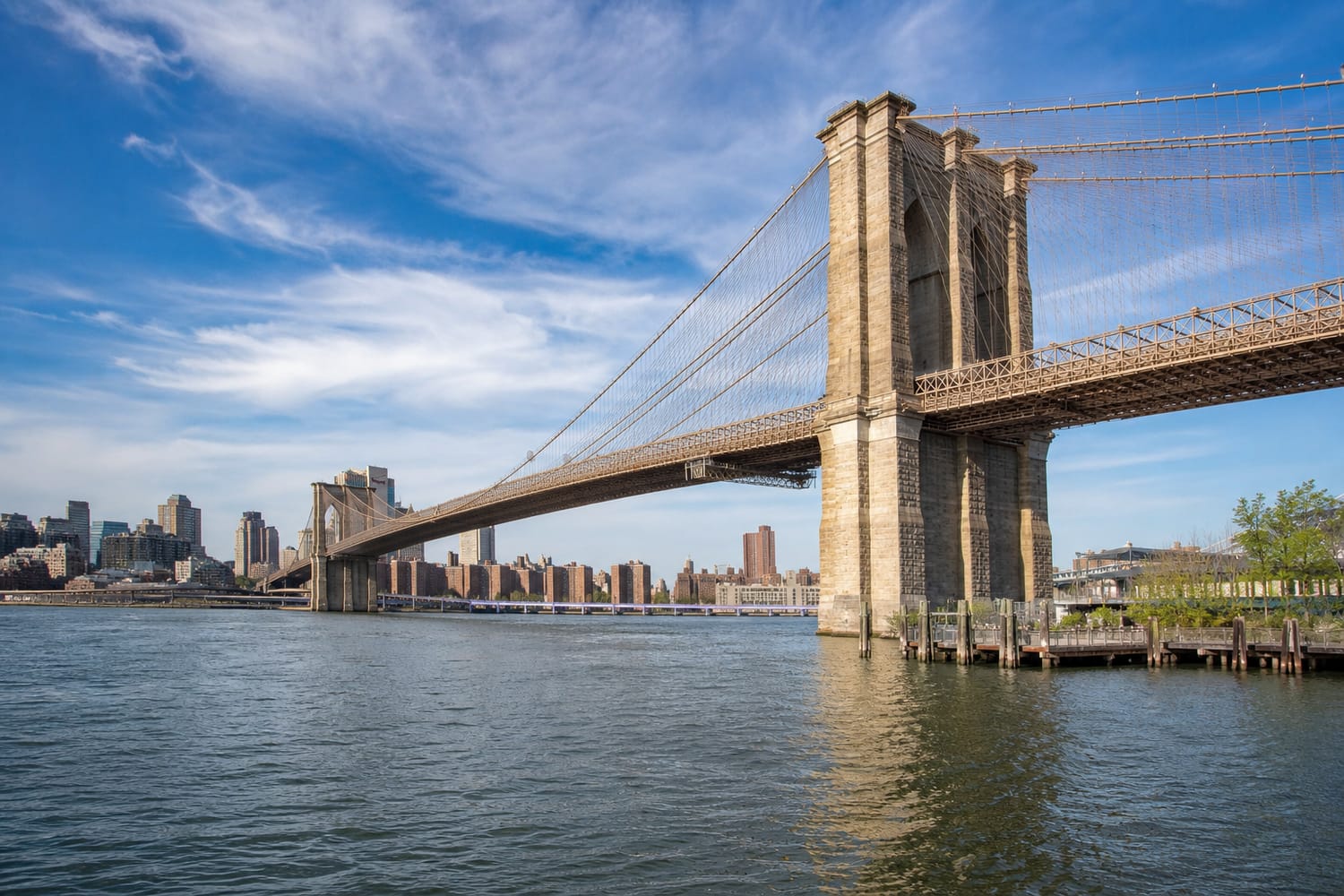
Before the Brooklyn Bridge opened in 1883, traveling between Manhattan and Brooklyn was far less convenient. People relied heavily on ferries across the East River, which could be delayed by weather, ice, crowding, and river traffic.
At the time, Brooklyn was still its own city, and both sides of the river were growing quickly. Workers, businesses, and families needed a dependable crossing. The Brooklyn Bridge was built to meet that everyday need.
Its construction was ambitious and dangerous, involving massive stone towers, steel cables, and underwater caissons. When it opened, it was the longest suspension bridge in the world. It immediately changed daily movement in New York, making commuting easier and helping tie Brooklyn and Manhattan more closely together.
Today, walking across the Brooklyn Bridge is a classic New York experience. But the bridge became famous because it solved a simple problem on a grand scale: too many people needed to cross the river, and ferries were no longer enough.
Big Ben and the Elizabeth Tower: Keeping a City on Time
When people say “Big Ben,” they often mean the clock tower at the Palace of Westminster in London, though Big Ben is technically the name of the great bell inside. The tower itself is now officially called the Elizabeth Tower.
Its everyday purpose was timekeeping. In the 19th century, accurate public clocks were essential. Not everyone owned a reliable watch, and cities depended on shared time for work, transport, government, and daily routines.
Completed in 1859, the clock became famous for its accuracy and visibility. Its chimes carried across Westminster, helping Londoners mark the hour. In an age when railways and industry made punctuality increasingly important, a dependable public clock was more than decorative.
Today, the Elizabeth Tower is one of the most recognizable landmarks in Britain. Yet at its heart, it is a civic tool: a giant clock built to help people organize their day.
The Panama Canal: Shortening a Long and Dangerous Journey
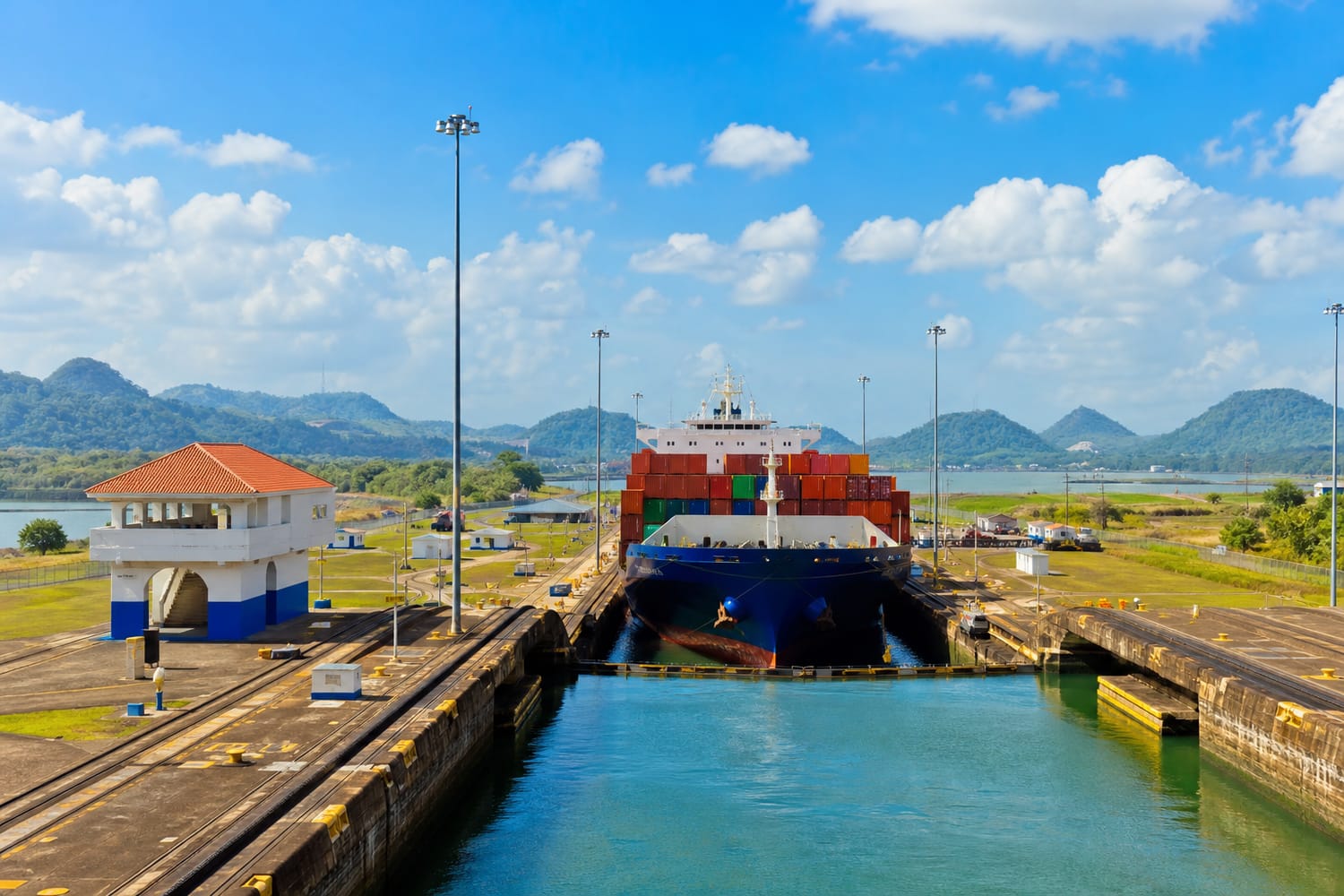
The Panama Canal is not a monument in the traditional sense, but it is absolutely a landmark of world travel and engineering. It was built to solve one of the biggest transportation problems on Earth.
Before the canal opened in 1914, ships traveling between the Atlantic and Pacific Oceans often had to sail around the southern tip of South America, a long and dangerous route around Cape Horn. This added thousands of miles, increased costs, and exposed ships to rough seas.
The canal cut through the Isthmus of Panama, creating a much shorter route. Its lock system lifts and lowers ships across varying elevations, allowing vessels to pass between oceans without making the enormous detour.
The result transformed global trade. Goods could move faster, navies could reposition more easily, and travel times dropped dramatically. Today, visitors watch huge ships pass through the locks, but the canal’s fame comes from a practical idea: make the trip shorter, safer, and more efficient.
Kinderdijk Windmills: Keeping the Netherlands Dry
The windmills at Kinderdijk are among the most iconic sights in the Netherlands. Set against flat fields and waterways, they look peaceful and picturesque. But they were built to fight a constant everyday problem: water.
Much of the Netherlands lies at or below sea level, making drainage essential for farming, settlement, and survival. In the 18th century, the windmills at Kinderdijk were constructed to pump water out of low-lying land and into higher canals, helping keep the area dry.
These windmills were part of a larger water management system. They did not simply decorate the landscape; they protected homes, fields, and livelihoods. Without such systems, daily life in many Dutch regions would have been far more difficult, if not impossible.
Today, Kinderdijk is a UNESCO World Heritage Site and a beloved travel destination. Its beauty is undeniable, but its original mission was practical: keep people’s feet dry and their land usable.
The Sydney Harbour Bridge: Making a City Easier to Cross
Sydney Harbour is stunning, but for many years it was also an obstacle. Before the Sydney Harbour Bridge opened in 1932, travel between the northern and southern sides of the harbor depended heavily on ferries or long road routes.
As Sydney expanded, this became a daily inconvenience. Workers, families, and businesses needed a faster, more reliable connection. The bridge provided that link, carrying trains, cars, bicycles, and pedestrians across the water.
Its massive steel arch has become one of Australia’s most recognizable images. Many visitors now climb it for spectacular views of the Opera House and the harbor. But the bridge was not built just to create a dramatic skyline. It was built because people needed to cross the harbor efficiently every day.
Like many great landmarks, its beauty came from solving a problem boldly.
Trevi Fountain: A Beautiful End to a Water System
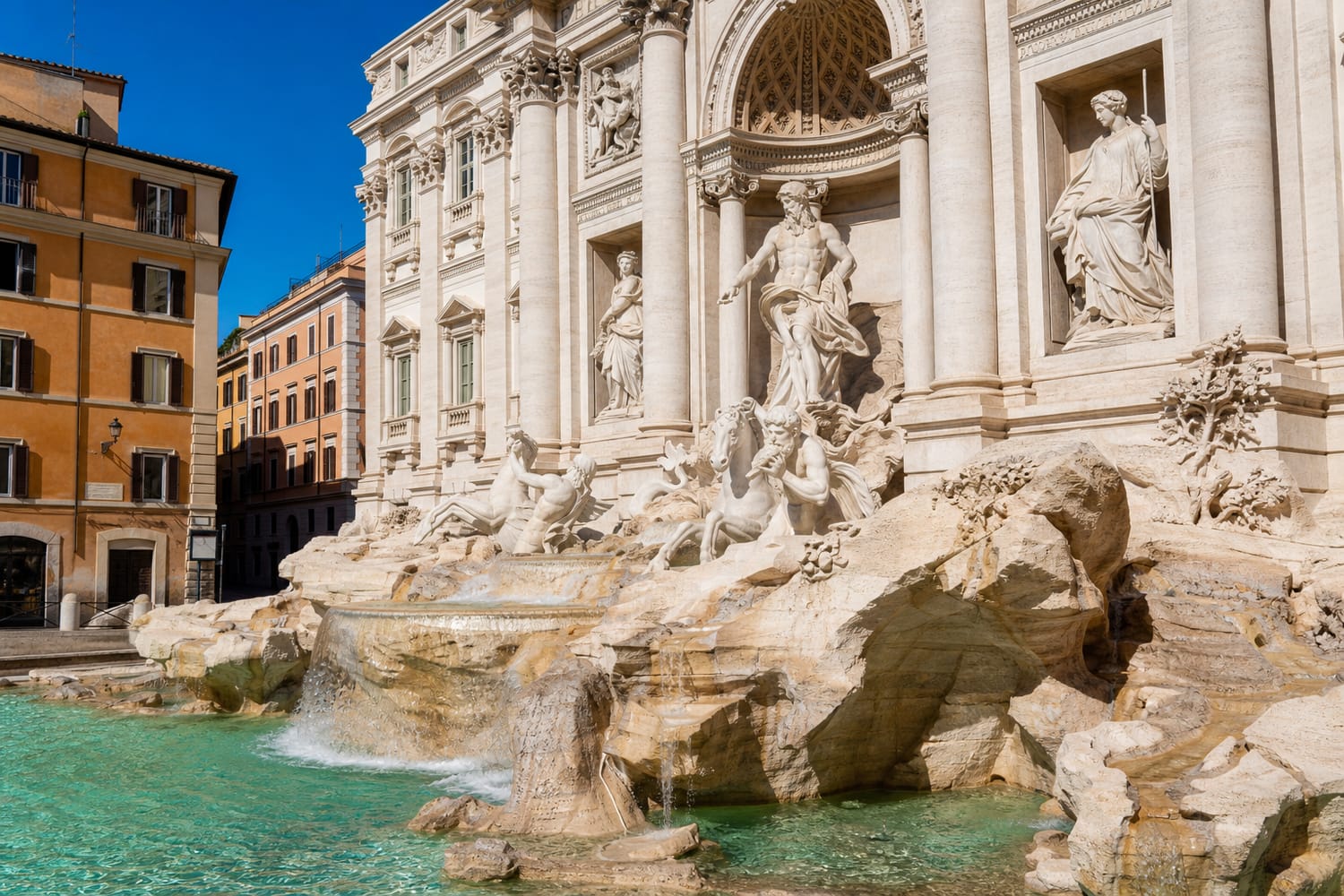
Rome’s Trevi Fountain is famous for coin tossing, sculptures, and crowds of visitors. Yet its history is tied to a basic urban need: water supply.
The fountain marks the endpoint of the Aqua Virgo, an ancient Roman aqueduct originally built in 19 BCE. Aqueducts brought fresh water into Rome for drinking, bathing, and public use. Centuries later, the Trevi Fountain was completed in the 18th century as a grand display of water arriving in the city.
While the fountain is highly decorative, its purpose connects to a practical tradition. Public fountains were once vital sources of water for residents. They were places where people collected water, met neighbors, and participated in daily city life.
Today, travelers visit Trevi for romance and ritual, especially the legend that tossing a coin ensures a return to Rome. But beneath the myth is a very practical story: a city celebrating the arrival of clean water.
The Hoover Dam: Controlling Water in the Desert
The Hoover Dam, located on the border between Nevada and Arizona, is a landmark of American engineering. Its size is impressive, but it was built to solve several serious everyday problems in the dry American Southwest.
The Colorado River could be unpredictable, bringing both floods and shortages. Growing cities and farms needed dependable water, and the region also needed electricity. Completed in 1936, Hoover Dam helped control flooding, store water in Lake Mead, and generate hydroelectric power.
Its impact was enormous. It supported agriculture, powered homes and industries, and helped cities like Las Vegas and Los Angeles grow. For many people, the dam meant more reliable water and energy in a harsh climate.
Visitors today come for tours, views, and the sheer scale of the structure. But Hoover Dam’s original purpose was deeply practical: manage a river so people could live, farm, and build in the desert.
Why Practical Landmarks Become Unforgettable
The most memorable landmarks often combine usefulness with imagination. A bridge could have been plain, but Tower Bridge became theatrical. A water system could have been hidden, but the Pont du Gard became majestic. A clock could have been ordinary, but Big Ben became a national symbol.
These places remind us that everyday problems can inspire extraordinary solutions. People needed water, crossings, time, transportation, flood control, and safer routes. Builders and engineers answered with structures so impressive that they outgrew their original purpose and became icons.
So the next time you visit a famous landmark, look beyond the photo opportunity. Ask what problem it was built to solve. You may find that the most amazing travel trivia is not just about kings, battles, or legends, but about ordinary needs met in unforgettable ways.