
Why the Government Started Counting Windows
Introduced under William III, the window tax used a visible feature of a home as a rough measure of wealth. The reasoning was straightforward: larger, more valuable houses generally had more windows, so their occupants could presumably afford higher taxes.
It also offered an administrative advantage. An earlier hearth tax required assessors to enter homes and count fireplaces and stoves. Windows could be counted from outside, making assessment less intrusive. That did not necessarily make the resulting bill more welcome.
The National Archives’ introduction to the window tax connects its introduction with revenue lost through coin clipping—the removal of small amounts of precious metal from coins. This seemingly peculiar levy belonged to a much bigger struggle to raise public money.
How the Window Tax Worked
The rules changed repeatedly, so there was no single window-tax rate covering its entire existence. Initially, the system combined a basic house charge with additional charges for properties containing larger numbers of windows. Later revisions changed both the rates and the thresholds.
One especially important feature was the tax bracket. Under the 1747 structure, moving from nine windows to ten could trigger a charge on all ten, rather than simply adding a small payment for the extra opening. That made staying below a threshold particularly attractive.
The Lincoln Institute of Land Policy’s analysis describes the predictable response: people boarded up existing windows or built homes with fewer openings. Financial incentives were becoming architectural instructions.
Imagine deciding whether an extra window was worth a recurring household expense. Suddenly, a darker landing might seem tolerable—especially if closing that opening moved the whole property into a cheaper category.
Why Bricking Up a Window Made Financial Sense
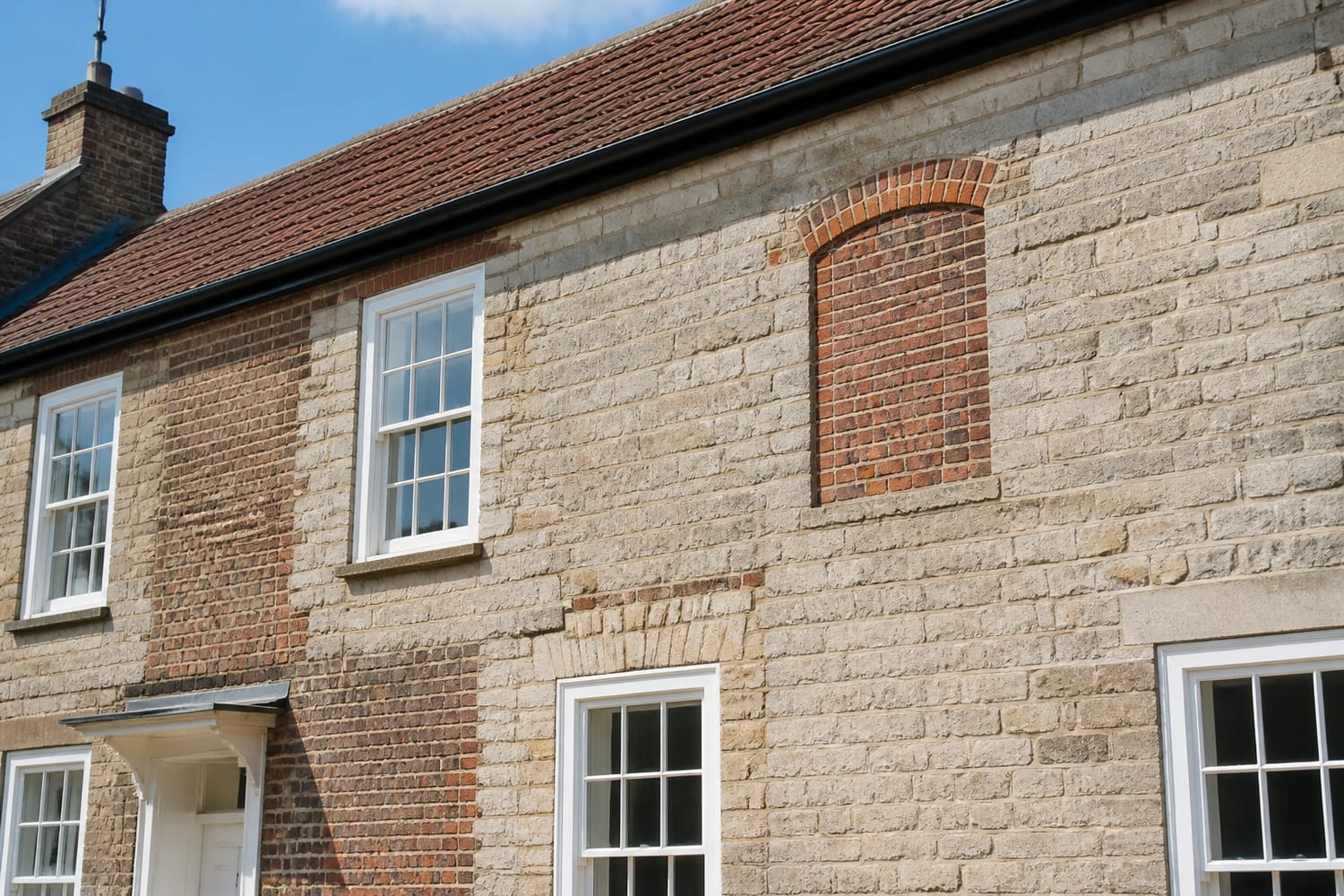
Removing a window from use could reduce the number counted for taxation. Instead of continuing to pay for the opening, householders sometimes filled it with masonry, leaving the familiar outline visible in the wall. The National Archives explicitly records this response to the tax.
Nor was this merely an occasional eccentricity. Parliament’s historical account notes that when the tax expanded in 1766 to cover houses with seven or more windows, the number of houses recorded with exactly seven fell by nearly two-thirds. That is a striking indication of how strongly people responded to the threshold.
The result is an unusual historical footprint: a financial decision that can remain visible long after the bill itself has disappeared.
For travelers interested in the forgotten stories behind famous landmarks, it is a useful reminder to look beyond grand entrances. Sometimes the revealing detail is the opening that is no longer there.
The Unintended Cost of Darker Homes
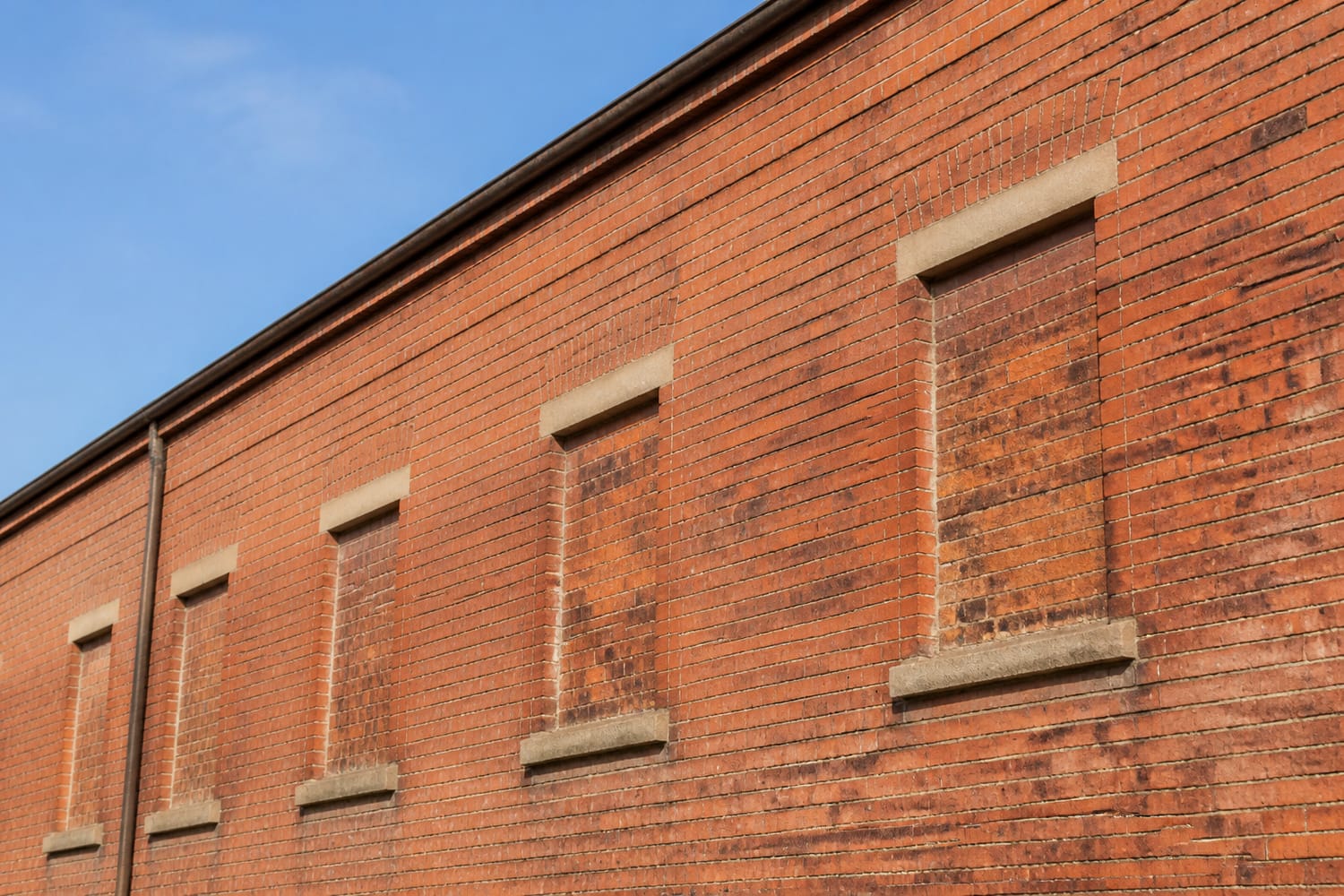
The policy was supposed to connect taxation with prosperity. In crowded urban housing, however, that logic broke down.
Large tenement buildings could be assessed as single dwellings even when several poor households occupied them. Their combined windows attracted substantial charges, while tenants could face both blocked openings and higher rents as landlords passed on costs.
The consequences became a public-health concern. In Sunderland, an 1845 sanitary report condemned the effects of windows being blocked to escape taxation, connecting the practice with sickness and mortality. Reformers increasingly challenged a system that discouraged adequate light and ventilation.
The important distinction is between the intended taxpayer and the person experiencing the consequences. A landlord might make the financial decision; the family living inside experienced the darker room.
Why the Tax Finally Disappeared
Medical criticism helped turn an unpopular levy into a reform issue. Doctors and other campaigners argued against the unhealthy conditions associated with insufficient daylight and ventilation. The tax was finally repealed in 1851, after more than 150 years.
Abolition ended the incentive to sacrifice windows for this particular saving. It did not, however, automatically undo earlier building work.
That distinction matters when reading an old facade: the policy’s lifespan and the physical lifespan of its effects are not the same thing.
Did the Window Tax Inspire “Daylight Robbery”?
It is an irresistible explanation: the government effectively charged people for daylight, so an outrageous price became “daylight robbery.”
Unfortunately, a memorable connection is not the same as a documented origin.
Language researcher Michael Quinion’s examination of the daylight-robbery story rejects the claimed connection. The expression is better understood through the idea of a robbery committed openly and brazenly, rather than a literal theft of sunlight.
The safest trivia answer is therefore two-part: the window tax really existed, but its supposed contribution to this familiar phrase is unsupported.
Not Every Blocked Window Was About Tax
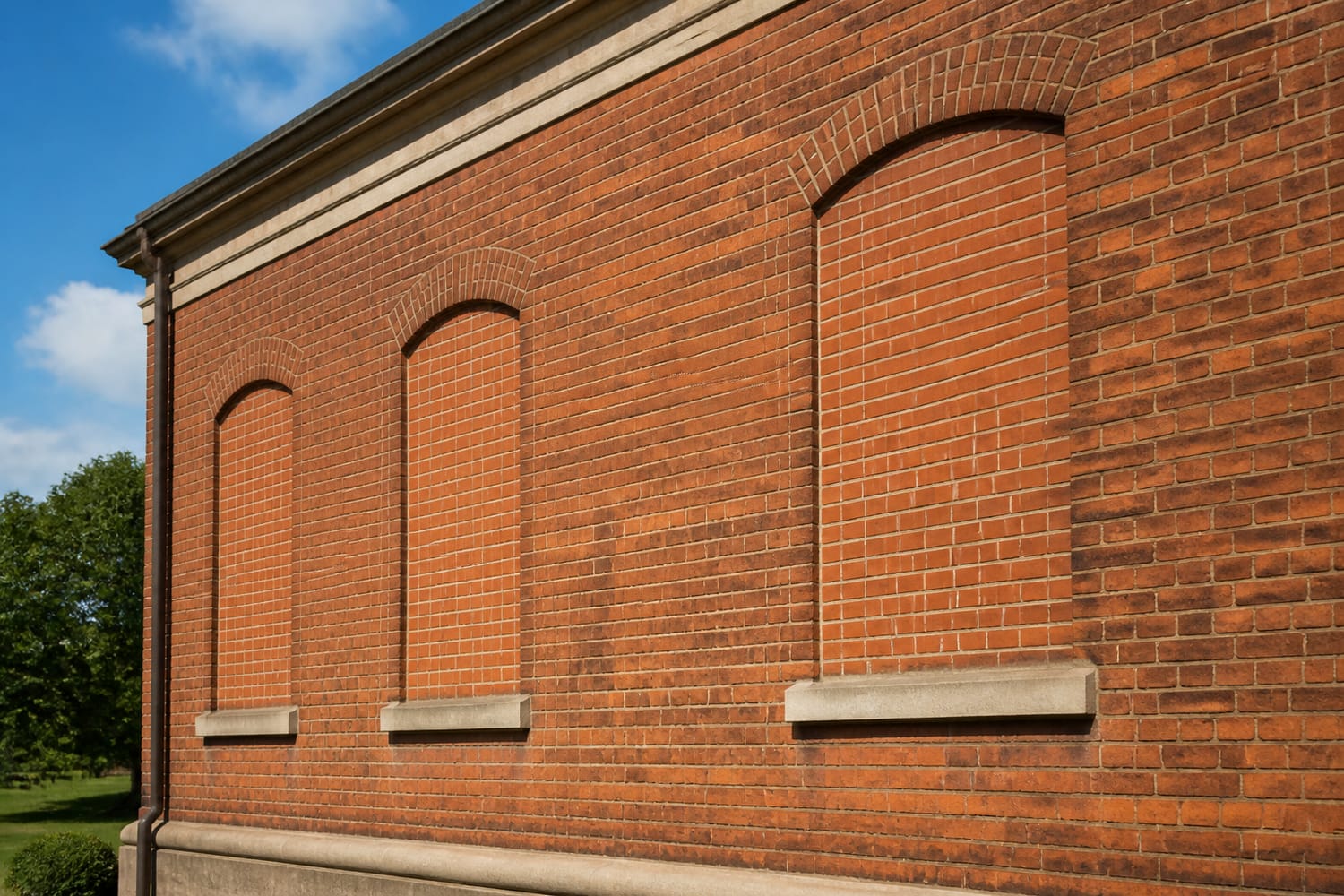
Here is the twist worth remembering on your next walk: some window-shaped recesses were decorative from the beginning. Others reflect practical alterations rather than financial maneuvering.
Historic England records blind windows used to help a barn on Yorkshire’s St Ives Estate resemble two cottages. At Audley End in Essex, researchers found windows blocked during conversion to a coach house and stable; an engraving showed them already closed around 1680, before the tax began.
Before declaring a discovery, try this checklist:
- Check the dates. When was the building constructed or altered?
- Look for evidence. Different brickwork may suggest infilling, but cannot establish its motive.
- Consult local records. Building histories can distinguish documented changes from appealing folklore.
Think of a blocked window as a question, not an answer. Whether it reveals taxation, changing uses, or architectural illusion, it invites you to read the street more carefully.