
When the Ground Refuses to Stay Still
Most landscapes seem permanent: mountains loom, deserts stretch, lakes shimmer, and islands sit calmly on maps. But some places quietly break that rule. Around the world, dunes creep across roads, rocks slide across dry lakebeds, islands drift with the wind, and glaciers reshape valleys in slow motion.
For curious travelers and fans of natural oddities, these moving landscapes offer some of the best Tour Trivia imaginable. They remind us that Earth is not a finished sculpture—it is a work in progress. Wind, water, ice, gravity, and even plants can set entire landscapes in motion.
The Walking Dunes of Słowiński National Park, Poland
On Poland’s Baltic coast, the dunes of Słowiński National Park appear almost alive. These pale sand hills migrate inland as strong coastal winds push grains over their crests. The most famous, Łącka Dune, can shift several meters per year, slowly swallowing forests and revealing the remains of old tree trunks as it moves.
The effect is surreal: one moment you are walking through pine woods, and the next you are standing in a miniature desert beside the sea. The dunes are often called “walking dunes” because their steady advance changes the local scenery over time. Trails and viewpoints allow visitors to experience the shifting sands without damaging the fragile environment.
Racetrack Playa’s Wandering Rocks, California
In Death Valley National Park, Racetrack Playa is famous for one of the strangest moving landscapes on Earth: stones that appear to travel by themselves. For decades, large rocks left long trails across the cracked mud surface, inspiring theories involving magnets, aliens, and mysterious forces.
The real explanation is still wonderfully dramatic. Under rare winter conditions, thin sheets of ice form on the playa after rain. When sunlight softens the ice and light winds blow, the ice panels push rocks across the slick mud, leaving tracks behind. Some stones move hundreds of feet, but visitors almost never witness it happening. The result is a landscape that records motion like a page of natural handwriting.
The Floating Islands of Lake Titicaca, Peru and Bolivia
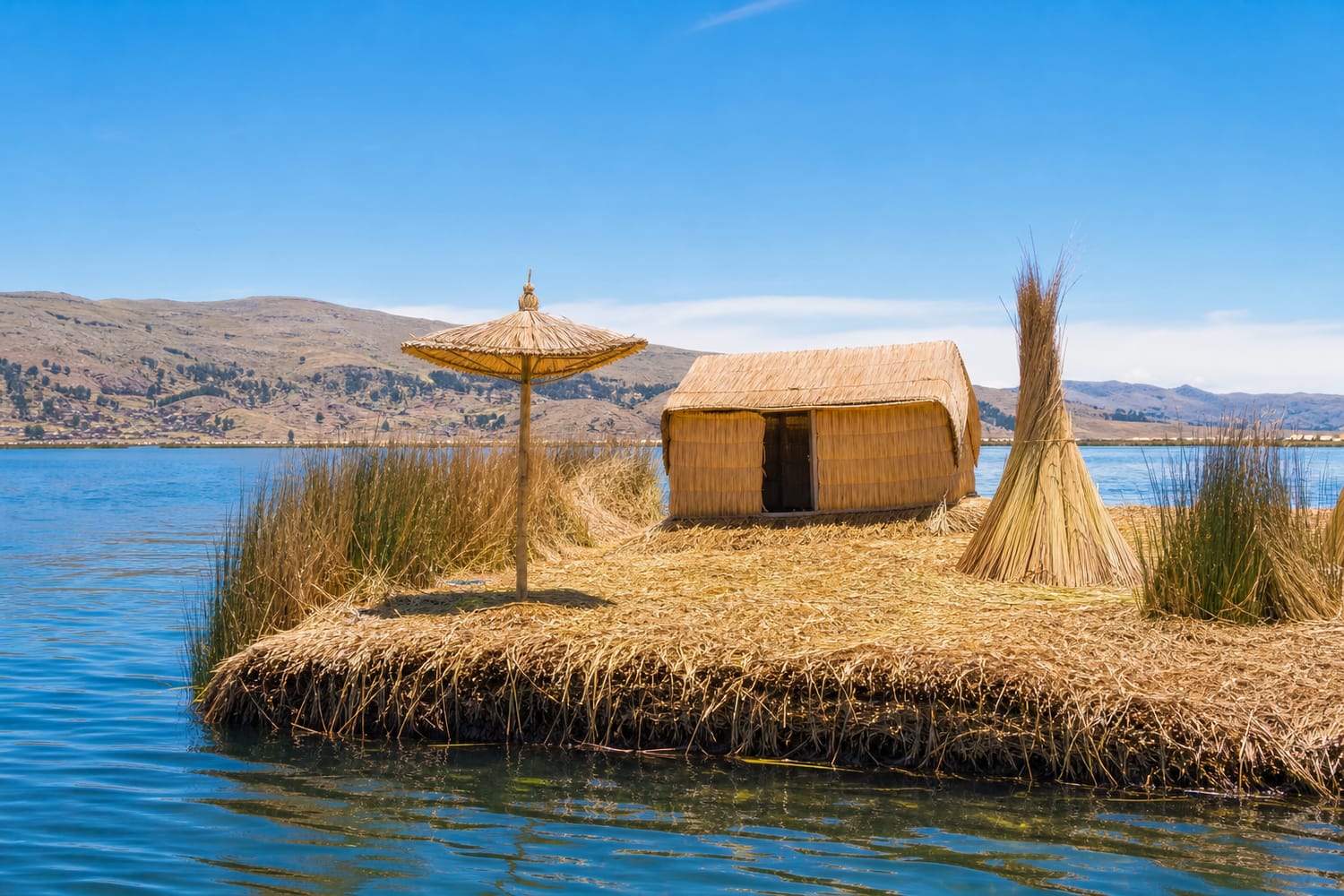
Lake Titicaca is home to the Uros people, who are famous for building floating islands from totora reeds. These islands are not just natural curiosities; they are living communities. Layers of reeds are stacked over buoyant root blocks, creating platforms that float on the lake’s surface.
Because the reeds decay from below, island residents regularly add fresh layers on top. The islands can be moved, anchored, expanded, or rebuilt, making them among the world’s most remarkable human-shaped moving landscapes. Walking on them feels springy, almost like stepping on a waterbed made of straw. They are a vivid example of how people can adapt to—and live with—a landscape in motion.
The Migrating Barchan Dunes of the Sahara
Barchan dunes are crescent-shaped dunes that form in deserts where winds blow mainly from one direction and sand supplies are limited. In the Sahara and other arid regions, these dunes can migrate across the desert floor like slow golden waves.
Their horns point downwind, and grain by grain, sand climbs the gentle windward slope before tumbling down the steeper slip face. Over time, the whole dune advances. Smaller barchans can move faster than larger ones, sometimes overtaking or merging with them. From above, they look like a fleet of sandy ships sailing across a dry ocean.
For travelers, these dunes are a reminder that deserts are not empty or frozen in time. They are constantly being rewritten by wind.
Canada’s Sable Island, the Wandering Sandbar
Sable Island, off the coast of Nova Scotia, is often called the “Graveyard of the Atlantic” because of the many shipwrecks once caused by its shifting sandbars and foggy surroundings. This narrow, crescent-shaped island is essentially a massive sand formation in the North Atlantic, and it changes shape as storms, waves, and currents move sediment around.
The island is also famous for its wild horses, which roam among dunes, grasses, and beaches. Although Sable Island does not “float” away, its edges are constantly rearranged. Sand is eroded from one area and deposited in another, making it a wandering landscape in a rough marine environment. Maps of the island can become outdated surprisingly quickly.
The Sliding Sands of Great Sand Dunes, Colorado
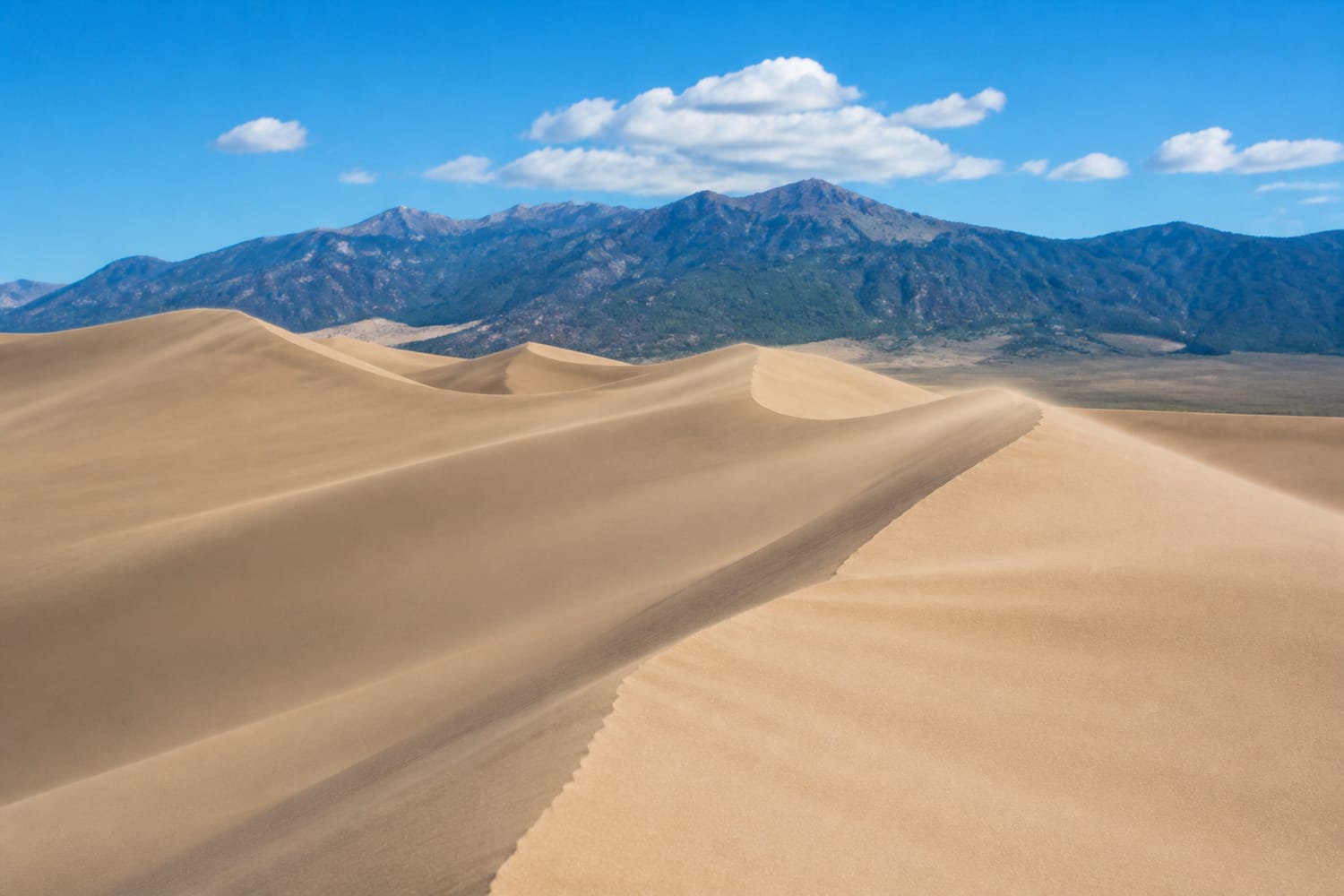
Great Sand Dunes National Park and Preserve in Colorado contains the tallest dunes in North America, rising dramatically against the Sangre de Cristo Mountains. These dunes are not static piles of sand. Winds blow grains back and forth, while seasonal streams such as Medano Creek recycle sand along the dune field’s edge.
The movement here is a fascinating loop. Sand blows toward the mountains, water carries it back down, and wind pushes it again. Visitors may notice ripples forming and disappearing, dune faces collapsing, and ridgelines subtly changing. During windy conditions, the surface can seem to shimmer as sand skims across it.
It is a landscape that moves in small bursts and long cycles, shaped by a partnership between mountain weather and desert forces.
The Floating Marshes of Louisiana
In the wetlands of Louisiana, floating marshes can form when dense mats of plants and roots detach from the soil or develop over water. These mats may support grasses, shrubs, and even small trees, creating the appearance of solid ground where there is actually a buoyant, shifting platform.
Wind, water levels, and currents can move these marsh mats, sometimes opening or closing waterways. In places like the Mississippi Delta region, floating vegetation plays an important ecological role, offering habitat for birds, fish, insects, and reptiles.
To the eye, a floating marsh might look like ordinary land. Step onto it, though, and the surface may tremble or shift. It is a landscape that blurs the line between land and water.
The Advancing Glaciers of Alaska
Glaciers are rivers of ice, and although they move slowly, they are among Earth’s most powerful landscape movers. In Alaska, glaciers such as those in Glacier Bay, Kenai Fjords, and Wrangell-St. Elias continue to carve valleys, transport rocks, and reshape coastlines.
Glaciers move because their immense weight causes ice to deform and slide downhill. Some retreat as they melt faster than they advance, while others surge forward during periods of rapid movement. A glacier may look frozen and still from a distance, but inside it is cracking, grinding, and flowing.
The landscape around a glacier is full of motion’s evidence: polished bedrock, moraines, fjords, icebergs, and freshly exposed land. Even when the movement is measured in inches or feet per day, the long-term impact is monumental.
The Roaming Sandbanks of the North Sea
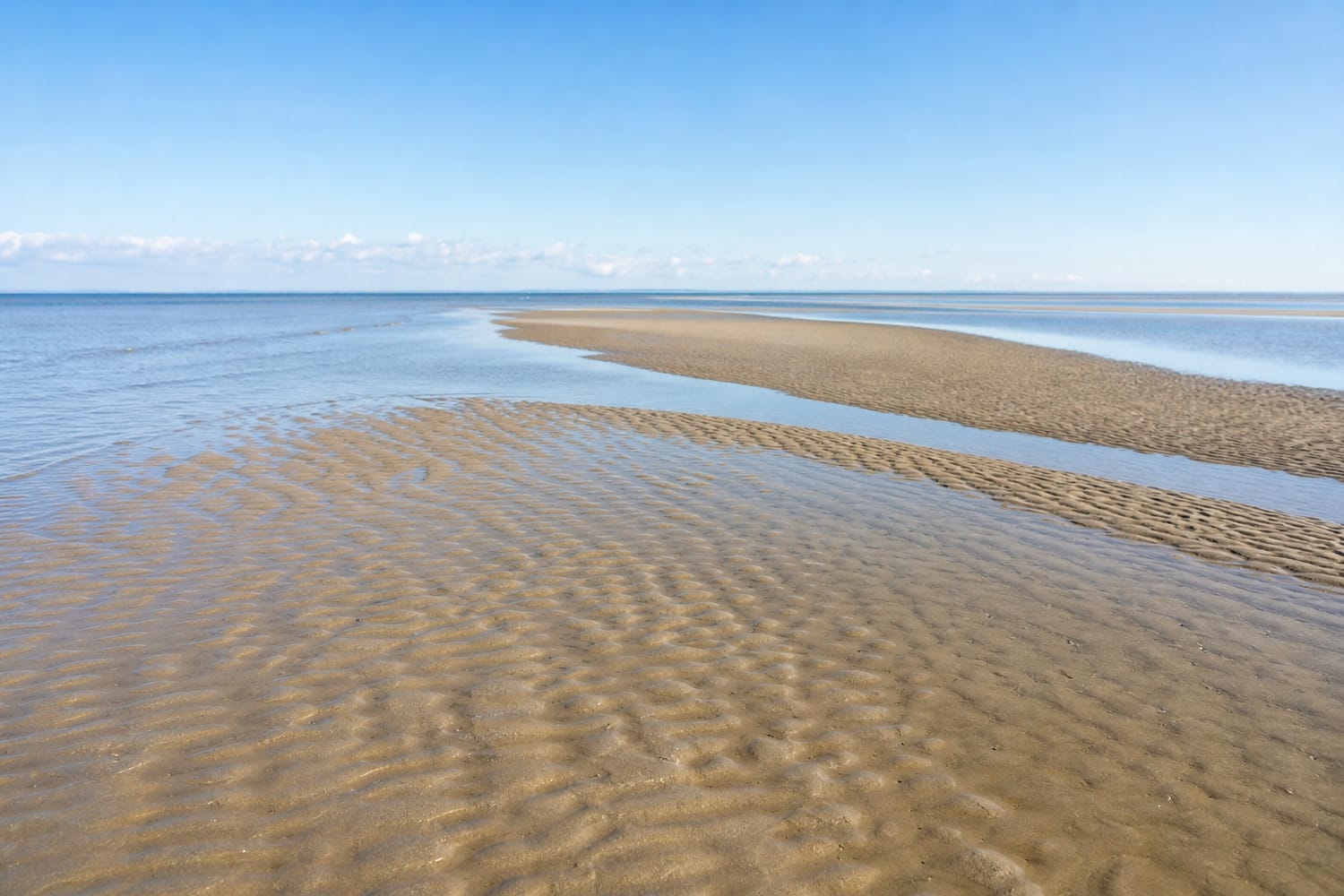
Beneath the waters of the North Sea, sandbanks shift with tides, waves, and storms. These underwater landscapes can migrate, grow, shrink, or change shape, affecting navigation, marine habitats, and coastal erosion.
For sailors, moving sandbanks have long been a hazard. A channel that was safe in one period might become shallow later. For scientists, they are a dynamic part of the marine environment, revealing how sediment travels across the seafloor.
Although most travelers never see these moving formations directly, their influence appears along coastlines and shipping routes. They are a reminder that landscapes do not need to be visible above water to be active.
The Sailing Pumice Rafts of the Pacific
After underwater volcanic eruptions, huge amounts of pumice can rise to the ocean surface. Because pumice is full of gas bubbles, it floats. Sometimes, it forms vast “rafts” that drift across the sea for months or even years, carried by currents and winds.
These floating volcanic landscapes can be enormous—large enough to be spotted by satellites. As they drift, they become temporary habitats for barnacles, algae, corals, and other marine life. Scientists believe pumice rafts may help species travel across oceans, acting like natural ferries.
Unlike islands made of soil and rock, pumice rafts eventually break apart, sink, or wash ashore. They are born violently, drift quietly, and disappear gradually.
The Ever-Changing Mud Volcanoes of Azerbaijan
Azerbaijan has one of the world’s highest concentrations of mud volcanoes. These strange formations occur when underground gases push mud, water, and sediments to the surface. Some mud volcanoes bubble gently, while others erupt dramatically, sending flames and mud into the air.
The landscape around them is constantly changing. New cones form, old vents collapse, mud flows spread outward, and cracked surfaces dry into alien-looking patterns. Unlike lava volcanoes, mud volcanoes are usually cooler, though they can still be dangerous and unpredictable.
For visitors, they offer a rare look at geology in action. The ground gurgles, oozes, and rebuilds itself, proving that even mud can be a moving landscape.
Why Moving Landscapes Matter
Moving landscapes are more than travel curiosities. They reveal the forces that shape our planet every day. Sand dunes show the power of wind. Glaciers demonstrate the strength of ice. Floating islands and marshes show how plants, water, and people can create land that refuses to stay fixed. Wandering rocks and pumice rafts remind us that movement can happen in unexpected ways.
For travelers, these places offer a different kind of sightseeing. They are not monuments to permanence, but snapshots of change. Visit them once, and you see one version. Return years later, and the scene may be altered—or entirely transformed.
That is what makes them unforgettable: they turn geography into a story, and the story is still moving.