
Nature is not as quiet as it looks. Across the world, deserts hum, rocks ring like bells, beaches squeak underfoot, and frozen lakes boom like distant thunder. Long before scientists explained these sounds, travelers often treated them as omens, legends, or evidence of hidden forces underground. Today, researchers know that many of these strange noises come from friction, vibration, pressure changes, or the unusual structure of sand, stone, ice, and water.
For curious travelers, these places are more than scenic stops—they are natural sound stages. Here are some remarkable destinations where the landscape makes unexpected music, along with the science that helps explain what you’re hearing.
Singing Sand Dunes of the Sahara
Some dunes in the Sahara Desert can produce a deep, droning sound that resembles a cello, a low-flying aircraft, or distant chanting. These “singing” dunes are most often heard when sand slides down the face of a dune, especially during avalanches caused by wind or footsteps.
The science comes down to grain size and movement. For sand to sing, the grains usually need to be dry, rounded, and similar in size. As they flow together, they synchronize their vibrations, creating a booming tone that can last for several minutes. The dune itself acts like a giant resonating chamber, amplifying the sound across the desert.
Racetrack Playa, Death Valley, California
Racetrack Playa is famous for its “sailing stones,” rocks that appear to move across the dry lakebed, leaving long trails behind them. While the stones themselves are not known for loud noises, the playa can produce eerie cracking, popping, and scraping sounds under the right conditions.
The mystery of the moving rocks was solved when scientists observed thin sheets of ice forming after rare rainfall. As the ice melts and breaks apart, wind pushes the floating panels, which nudge rocks across the slick mud. The strange sounds come from expanding ice, shifting mud, and scraping stone. In a place already known for extreme silence, even small noises can feel dramatic.
Ringing Rocks Park, Pennsylvania
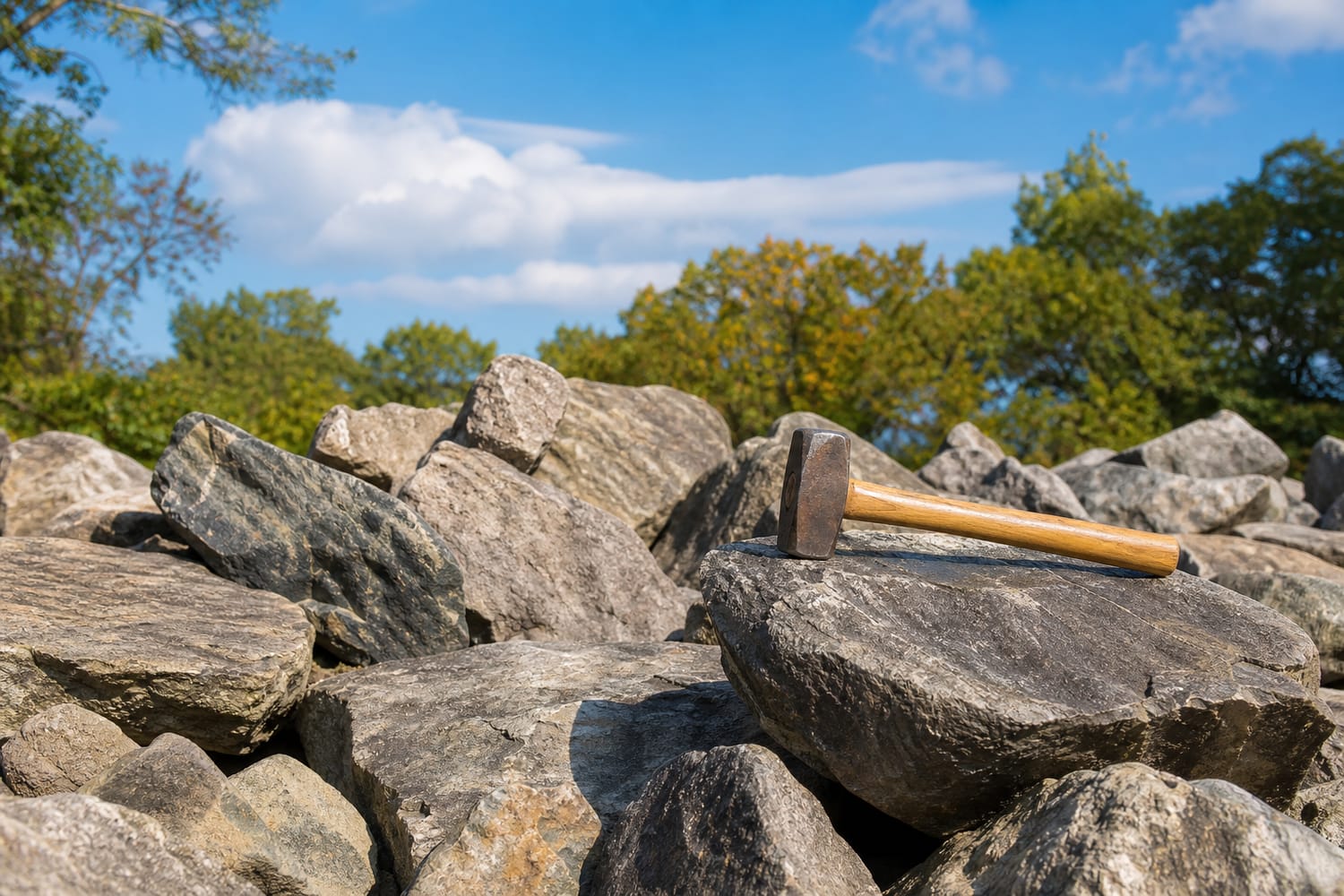
At Ringing Rocks Park in Bucks County, Pennsylvania, visitors can strike certain boulders with a hammer and hear metallic tones, almost like a bell or an anvil. Not every rock rings, which makes the field feel even more mysterious.
The exact reason is still debated, but the sound is linked to the rocks’ composition and internal stress. Many are made of diabase, a dense volcanic rock rich in iron and magnesium. Their shape, density, and weathered outer layers may allow them to vibrate when struck. The rocks also sit loosely piled, which helps them resonate rather than absorb the impact. It’s geology with a surprisingly musical side.
Booming Dunes of the Mojave Desert
The Mojave Desert is home to several booming dunes, including Kelso Dunes in California. When sand cascades down the slope, the dunes can produce a low rumble that visitors sometimes describe as a distant engine or a giant didgeridoo.
Researchers have found that the sound is created when layers of sand grains slide over one another in a coordinated flow. The frequency depends partly on the size of the sand grains and the thickness of the moving layer. Dryness is essential; even a little moisture can silence the dune. That is why booming dunes are most active in hot, arid conditions.
Yellowstone’s Geysers and Mud Pots
Yellowstone National Park is full of strange natural sounds: hissing steam vents, burbling mud pots, roaring geysers, and deep underground thumps. These noises are part of the park’s powerful geothermal system.
Beneath Yellowstone, groundwater is heated by volcanic activity. As water turns to steam, pressure builds and escapes through cracks in the earth. Geysers erupt when trapped superheated water suddenly flashes into steam, blasting upward. Mud pots make wet, plopping sounds because acidic water breaks down rock into clay, creating thick bubbling pools. The result is a landscape that seems to breathe, hiss, and mutter.
The Wailing Cliffs of Étretat, France
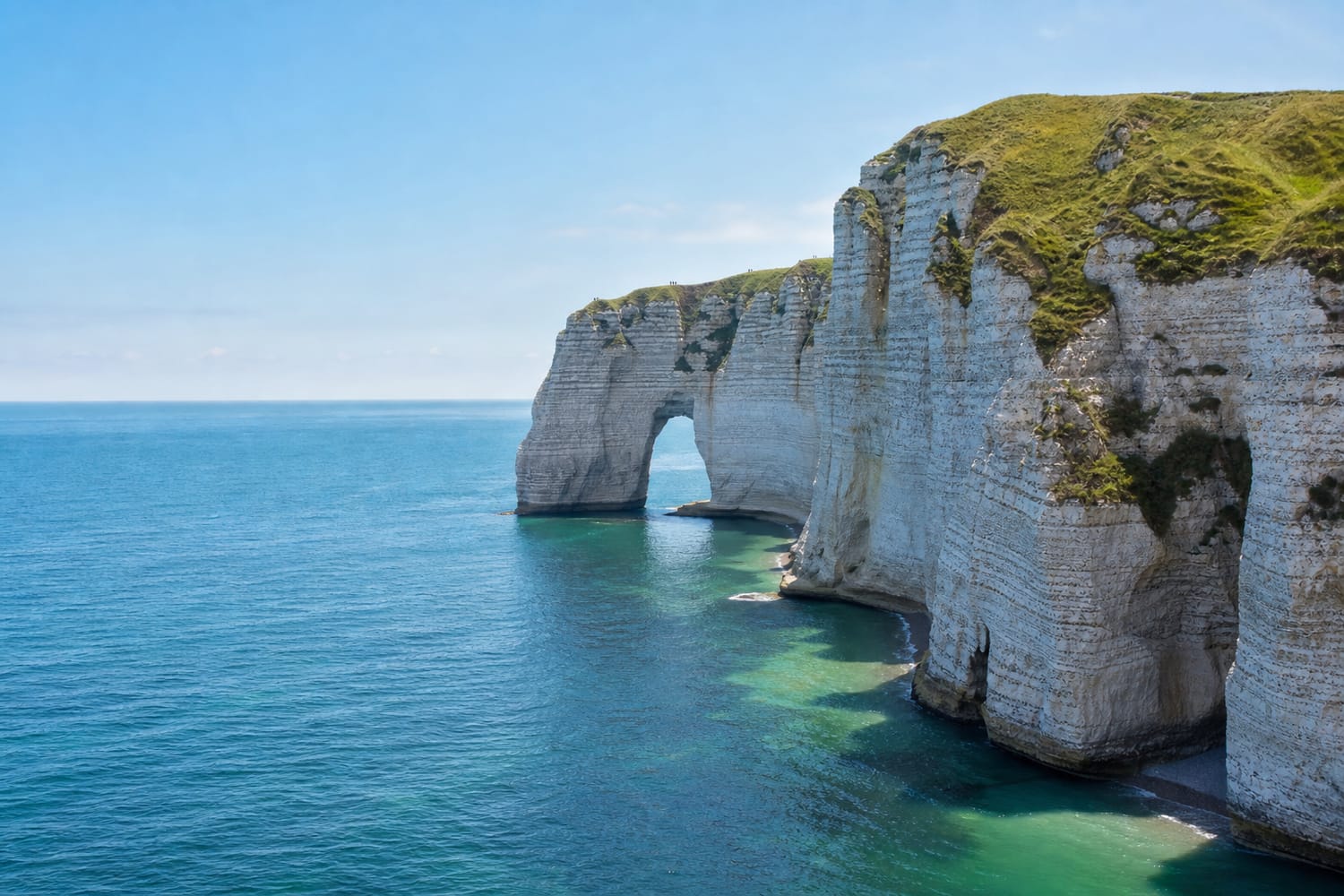
The white chalk cliffs of Étretat in Normandy are famous for their arches and dramatic coastal views. On windy days, however, the cliffs and nearby caves can produce ghostly whistles and moans as air moves through cracks, holes, and narrow rock openings.
This effect is similar to blowing across the top of a bottle. When wind passes through a small opening into a larger space, it creates vibrating air columns. The pitch changes depending on the size and shape of the cavity. Waves crashing below add another layer of sound, forcing air and water through sea caves. Together, wind and rock create a natural coastal organ.
Lake Baikal’s Singing Ice
Lake Baikal in Siberia, the world’s deepest freshwater lake, is known for its crystal-clear winter ice. When temperatures plunge, the frozen surface can crack, boom, ping, and howl. Travelers sometimes compare the sounds to laser beams, whale calls, or thunder rolling under their feet.
These sounds happen because ice expands, contracts, and fractures as temperatures change. Since Baikal’s ice can be thick and extremely clear, vibrations travel long distances across and through it. A small crack may create a sharp ping, while larger fractures can send deep booms across the lake. The result is beautiful, unsettling, and completely natural.
Squeaky Beach, Australia
Squeaky Beach in Wilsons Promontory National Park, Australia, is named for the high-pitched squeak visitors hear when walking across its bright white sand. The sound is especially noticeable on dry days when the sand is clean and loose.
The squeak comes from friction between grains of quartz sand. For the effect to happen, the grains must be very fine, rounded, and free of dust or organic material. When stepped on, they rub together in a way that produces tiny vibrations. Many beaches have sand, but only a few have the right combination of grain shape, cleanliness, and dryness to create a reliable squeaking sound.
The Sea Organ Effect of Coastal Caves
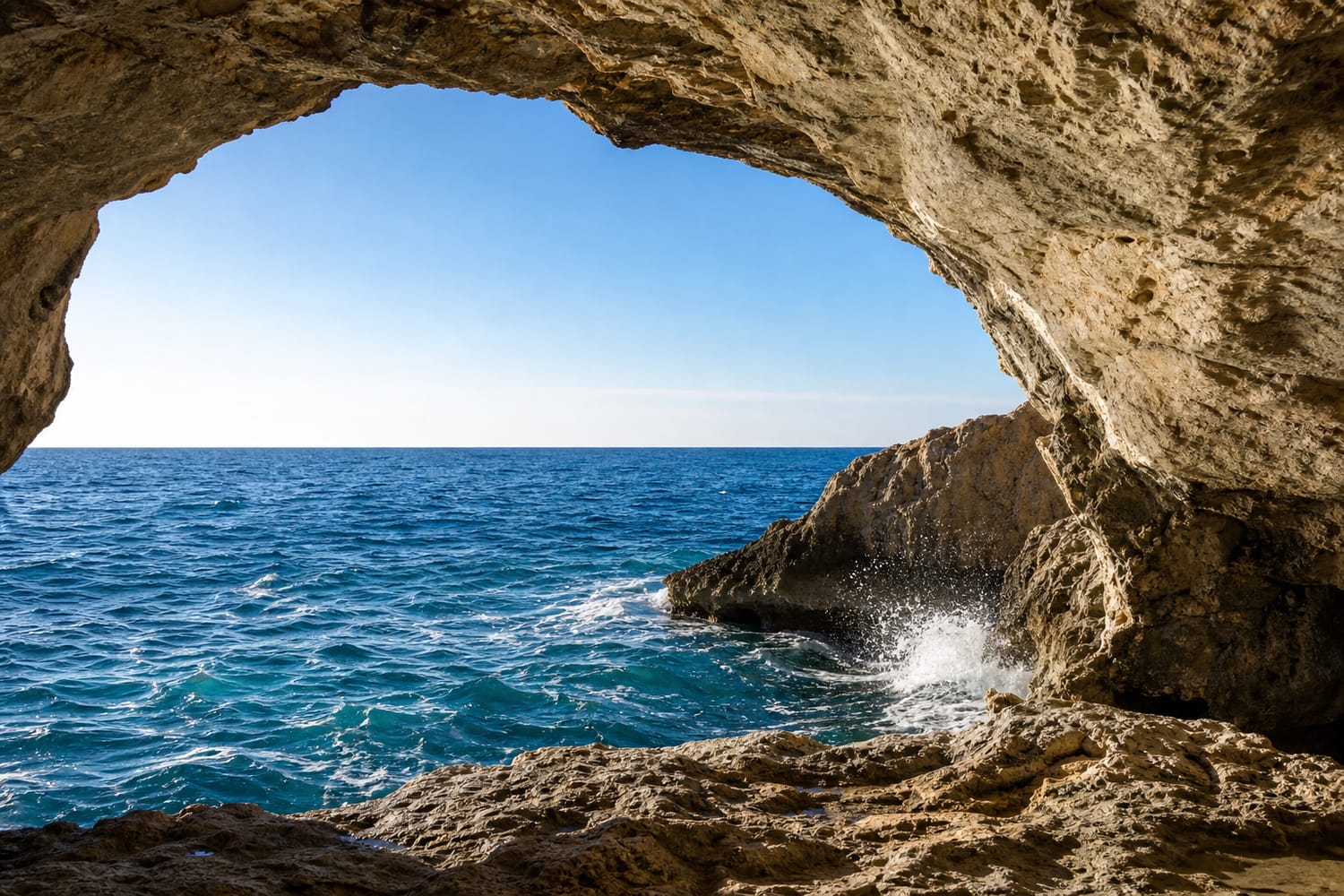
While Croatia’s famous Sea Organ in Zadar is human-made, nature has its own versions in coastal caves around the world. In places such as Fingal’s Cave in Scotland or sea caves along rugged volcanic coastlines, waves can force air through narrow passages, creating booming, sighing, or organ-like sounds.
The science involves wave pressure and trapped air. As waves surge into a cave, they compress air inside cracks and chambers. When that air escapes, it vibrates, producing sound. The size of the cave determines whether the tone is a low boom or a higher whistle. Because wave timing constantly changes, the “music” is never exactly the same twice.
Brimham Rocks, England
Brimham Rocks in North Yorkshire features unusual natural rock formations shaped by millions of years of erosion. While best known for their balancing shapes, some stones can produce hollow knocks or ringing tones when tapped.
These sounds are linked to the structure of the sandstone and the way erosion has carved the rocks. Weathering can create cavities, thin layers, or separated blocks that vibrate differently from solid stone. When struck, some formations resonate more clearly than others. The effect may be subtle compared with Ringing Rocks Park, but it adds another layer of wonder to an already strange landscape.
The Groaning Mountain of Jebel Nakous, Egypt
Jebel Nakous, near the Gulf of Suez in Egypt, has long been associated with mysterious groaning or booming sounds. Its name is often translated as “Bell Mountain,” and travelers have reported hearing deep tones from the sandy slopes.
Like other singing dunes, the sound is caused by moving sand. When grains slide down the mountain’s slopes, they can vibrate together and produce a sustained low note. The surrounding terrain may help amplify the sound, making it seem as if the mountain itself is groaning. Ancient listeners had no laboratory explanation, but modern physics reveals a remarkable natural instrument made of sand, slope, and dry desert air.
Why These Natural Sounds Matter
Strange sounds in nature remind us that landscapes are active, not static. Sand grains collide, ice sheets stretch, rocks vibrate, waves compress air, and steam escapes from hidden underground systems. What seems supernatural at first often turns out to be physics in action.
For travelers, these places offer a different way to experience the planet. They are not just sights to photograph, but sounds to pause and listen for. Whether it’s a beach that squeaks, a lake that sings, or a desert dune that booms, Earth has its own soundtrack—and the science behind it is just as fascinating as the sound itself.