
Nature Keeps Its Own Calendar
Some of the planet’s most breathtaking sights are not waiting around all year. They arrive briefly, often for just a few weeks or even a few nights, when weather, wildlife, light, water, or temperature align perfectly. For travelers, that makes timing everything. At Tour Trivia, we love the kind of places that reward curiosity and planning, and these seasonal spectacles are proof that nature can be the world’s greatest event planner.
Yosemite’s Firefall
Each February, Yosemite National Park’s Horsetail Fall can appear to glow like molten lava as it drops from the cliffs of El Capitan. The effect, known as the Firefall, happens when the setting sun hits the waterfall at just the right angle. Conditions must be exact: clear skies, enough snowmelt to feed the fall, and the right sunset timing. When it works, the waterfall burns orange and red for a few unforgettable minutes.
Japan’s Cherry Blossoms
Cherry blossom season in Japan is one of the world’s most beloved spring events. Usually appearing between late March and early April in places like Tokyo and Kyoto, the blossoms transform parks, riversides, and temple grounds into soft clouds of pink and white. The timing shifts each year depending on temperature, making blossom forecasts a national obsession. Hanami, or flower viewing, turns the short-lived bloom into a celebration of beauty and impermanence.
The Northern Lights
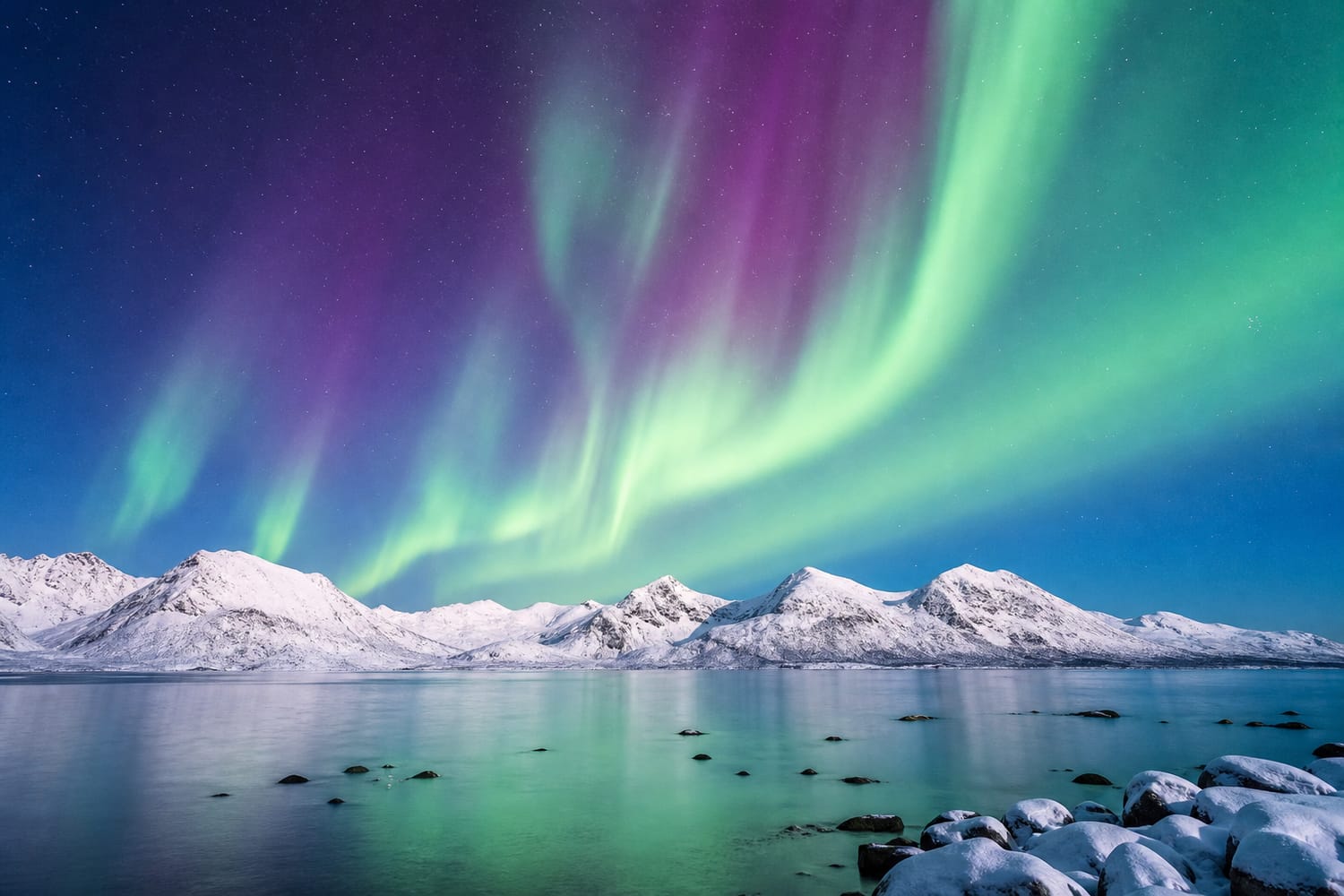
The aurora borealis can technically happen year-round, but it is only visible when nights are dark enough. That makes late autumn through early spring the best time to see the lights in places like Norway, Iceland, Finland, Alaska, and northern Canada. Charged particles from the sun collide with Earth’s atmosphere, creating ribbons of green, purple, and pink light. The experience is unpredictable, but that uncertainty makes a successful sighting even more magical.
Namaqualand’s Desert Flowers
For most of the year, Namaqualand in South Africa and Namibia looks dry and rugged. Then, after winter rains, the desert can suddenly burst into color. From August to September, carpets of orange, yellow, purple, and white wildflowers spread across the landscape. The bloom depends heavily on rainfall, temperature, and sunshine, so no two years are identical. Visitors often describe the transformation as one of the most surprising natural displays on Earth.
The Monarch Butterfly Migration
Every winter, millions of monarch butterflies arrive in the mountain forests of central Mexico after traveling thousands of miles from Canada and the United States. From roughly November to March, they cluster in huge groups on oyamel fir trees, sometimes weighing down branches with their numbers. As the day warms, clouds of orange and black butterflies flutter through the forest. It is one of the most remarkable migrations in the insect world.
Salar de Uyuni’s Giant Mirror
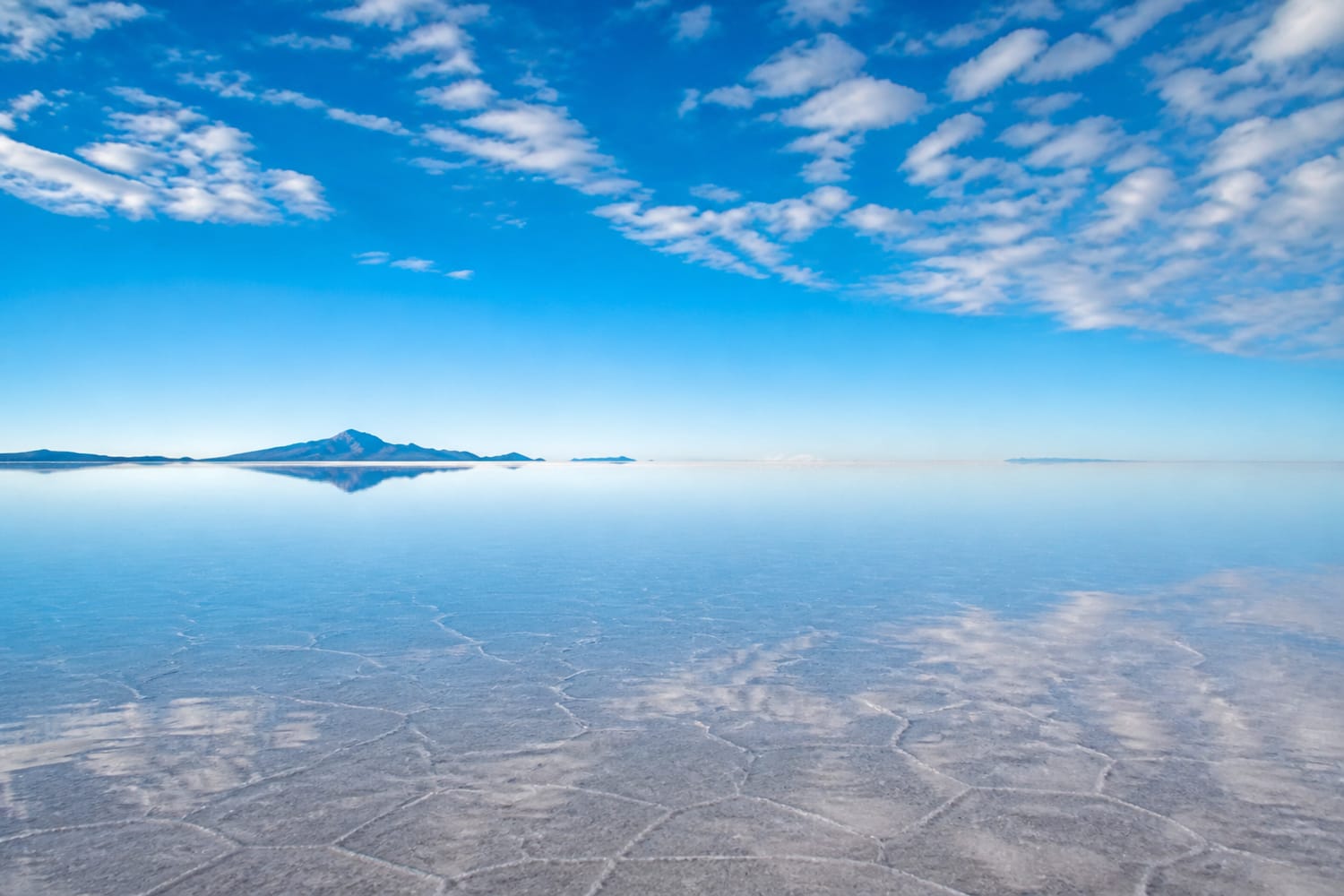
Bolivia’s Salar de Uyuni is the largest salt flat on Earth, and during the rainy season it becomes something even more surreal. From about December to April, a thin layer of water can cover the salt crust, turning the landscape into a vast natural mirror. The sky and ground seem to merge, creating dreamlike reflections that stretch to the horizon. During the dry season, the salt flat is still impressive, but the mirror effect is seasonal.
The Sardine Run
Each year, usually between May and July, billions of sardines move along South Africa’s eastern coast in a massive migration known as the Sardine Run. The sheer number of fish attracts dolphins, sharks, seabirds, whales, and other predators, creating a dramatic feeding frenzy. Divers and wildlife watchers consider it one of the ocean’s greatest spectacles. The timing can vary based on water temperature and currents, which makes catching it a true adventure.
Christmas Island’s Red Crab Migration
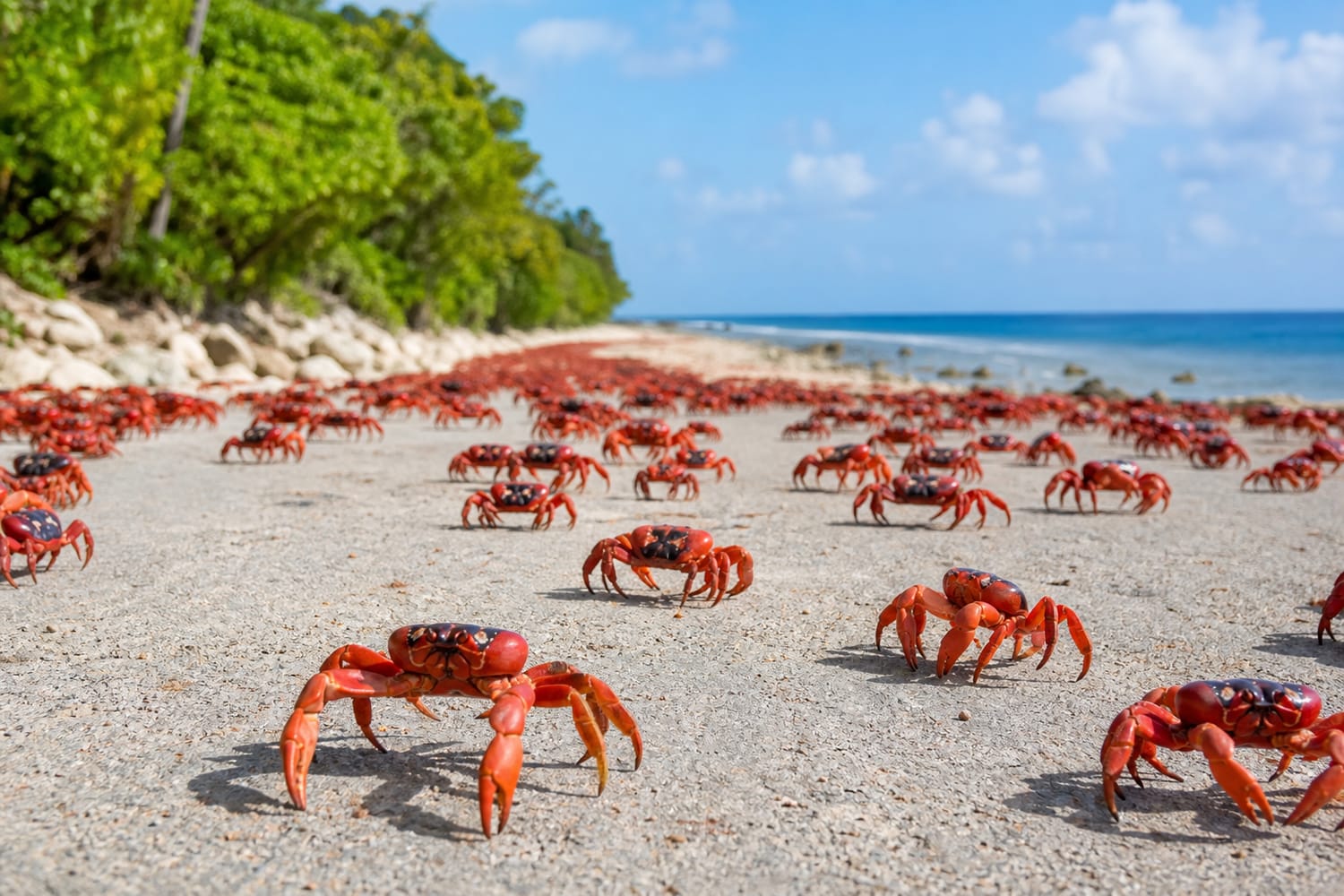
On Christmas Island in the Indian Ocean, millions of red crabs leave the forest and march toward the sea to breed. This usually happens during the wet season, often between October and December, and is timed with the lunar cycle. Roads may close as the island becomes covered in moving red shells. After mating, females release their eggs into the ocean. It is a strange, colorful, and unforgettable wildlife event.
Abraham Lake’s Frozen Bubbles
In winter, Abraham Lake in Alberta, Canada, becomes famous for its frozen methane bubbles trapped beneath clear ice. The bubbles form when organic matter on the lakebed releases methane gas, which freezes in layered stacks as temperatures drop. The best viewing usually happens from December to February, when the ice is thick and transparent. The result looks like white disks suspended under glass, creating one of winter’s most photogenic natural patterns.
California’s Grunion Run
Along the beaches of Southern California, small silvery fish called grunion come ashore to spawn during spring and summer nights. This unusual event usually happens shortly after high tide, around full and new moons, from March through August. Waves carry the fish onto the sand, where females bury themselves tail-first to lay eggs while males gather around them. Minutes later, they return to the sea, leaving the next generation hidden beneath the beach.
Planning Around Fleeting Wonders
Seasonal natural wonders remind us that travel is not only about where you go, but when you go. Some sights last for months, while others may appear for only a few minutes under perfect conditions. Weather, moon phases, migrations, rainfall, and sunlight all play a role. The reward for careful planning is the chance to witness something rare, temporary, and completely unforgettable—a moment when the planet seems to put on a show just for those who arrived at the right time.