
From Palace Tables to Everyday Menus
Royal kitchens once employed skilled cooks with the ingredients, time, and freedom to experiment. Some of their creations commemorated coronations and weddings; others accommodated a ruler’s personal tastes. Although several origin stories remain debated, these dishes escaped palace walls through cookbooks, restaurants, migration, tourism, and mass production—eventually becoming foods almost anyone could enjoy.
Coronation Chicken
Created for Queen Elizabeth II’s coronation luncheon in 1953, coronation chicken was originally called Poulet Reine Elizabeth. Rosemary Hume and the team at Le Cordon Bleu London combined cold chicken with a creamy, mildly curried sauce, producing an elegant dish that could be prepared for hundreds of guests.
The recipe soon appeared in cookbooks and domestic kitchens. Its transformation from banquet centerpiece to familiar sandwich filling demonstrates how quickly royal food can become comfort food. Le Cordon Bleu’s history of coronation chicken explains the culinary school’s role in creating it.
Pizza Margherita
The famous story begins in Naples in 1889, when pizzaiolo Raffaele Esposito supposedly served Queen Margherita of Savoy a pizza featuring tomatoes, mozzarella, and basil. Its red, white, and green ingredients echoed the recently unified Italian nation’s flag.
Food historians debate whether Esposito invented the combination or simply named an existing pizza for the queen. Either way, royal approval gave a working-class Neapolitan meal valuable publicity. Italian migration, tourism, and American pizzerias subsequently turned it into a worldwide standard. The dish’s journey offers a regal counterpoint to Tour Trivia’s exploration of iconic foods with surprisingly humble origins. The Smithsonian’s look at Naples’ pizza culture recounts the enduring royal legend.
Kaiserschmarrn
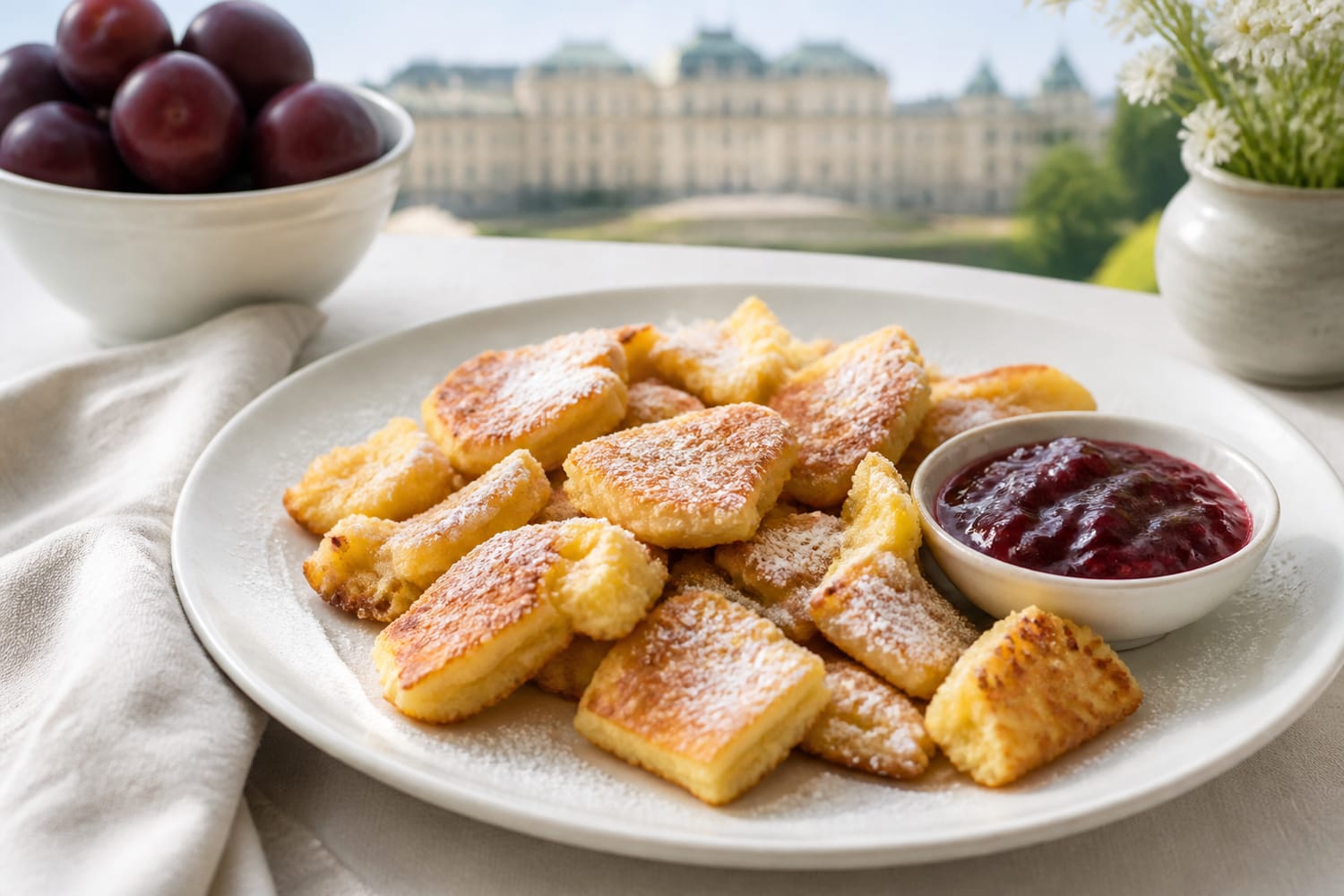
Austria’s Kaiserschmarrn is a thick pancake torn into pieces, caramelized, dusted with sugar, and commonly served with plum compote. Its name roughly means “emperor’s mess,” and several legends connect it to Emperor Franz Joseph I.
One story says it was prepared for the diet-conscious Empress Elisabeth, better known as Sisi, who rejected it before her husband enthusiastically finished the dish. Another attributes it to a damaged pancake rescued by a court cook. Whatever the truth, railway travel and Alpine tourism carried Kaiserschmarrn beyond Vienna’s imperial world. Today, it appears in cafés, ski lodges, restaurants, and home kitchens throughout Central Europe.
Battenberg Cake
With alternating pink and yellow sponge squares wrapped in marzipan, Battenberg cake looks suitably ceremonial. It is traditionally said to have been created for the 1884 marriage of Princess Victoria, Queen Victoria’s granddaughter, and Prince Louis of Battenberg.
The wedding explanation is unproven, and early versions contained more than the familiar four squares. Nevertheless, the royal association helped make the cake memorable. Commercial bakeries simplified and standardized its checkerboard design, placing a supposed wedding confection on supermarket shelves across Britain and in specialty shops abroad.
Swedish Princess Cake
Sweden’s princess cake, or prinsesstårta, consists of sponge, custard, whipped cream, and a domed covering of green marzipan, usually crowned with a pink rose. It is associated with home-economics teacher Jenny Åkerström, whose pupils included Princesses Margaretha, Märtha, and Astrid.
Originally called “green cake,” it acquired its royal name because the princesses were reportedly especially fond of it. Publication in Åkerström’s cookbooks helped move the recipe from an elite classroom into Swedish bakeries. It is now a national celebration cake and an international pastry-shop favorite, joining the global treats featured in Tour Trivia’s journey around the world in desserts.
Galouti Kebab
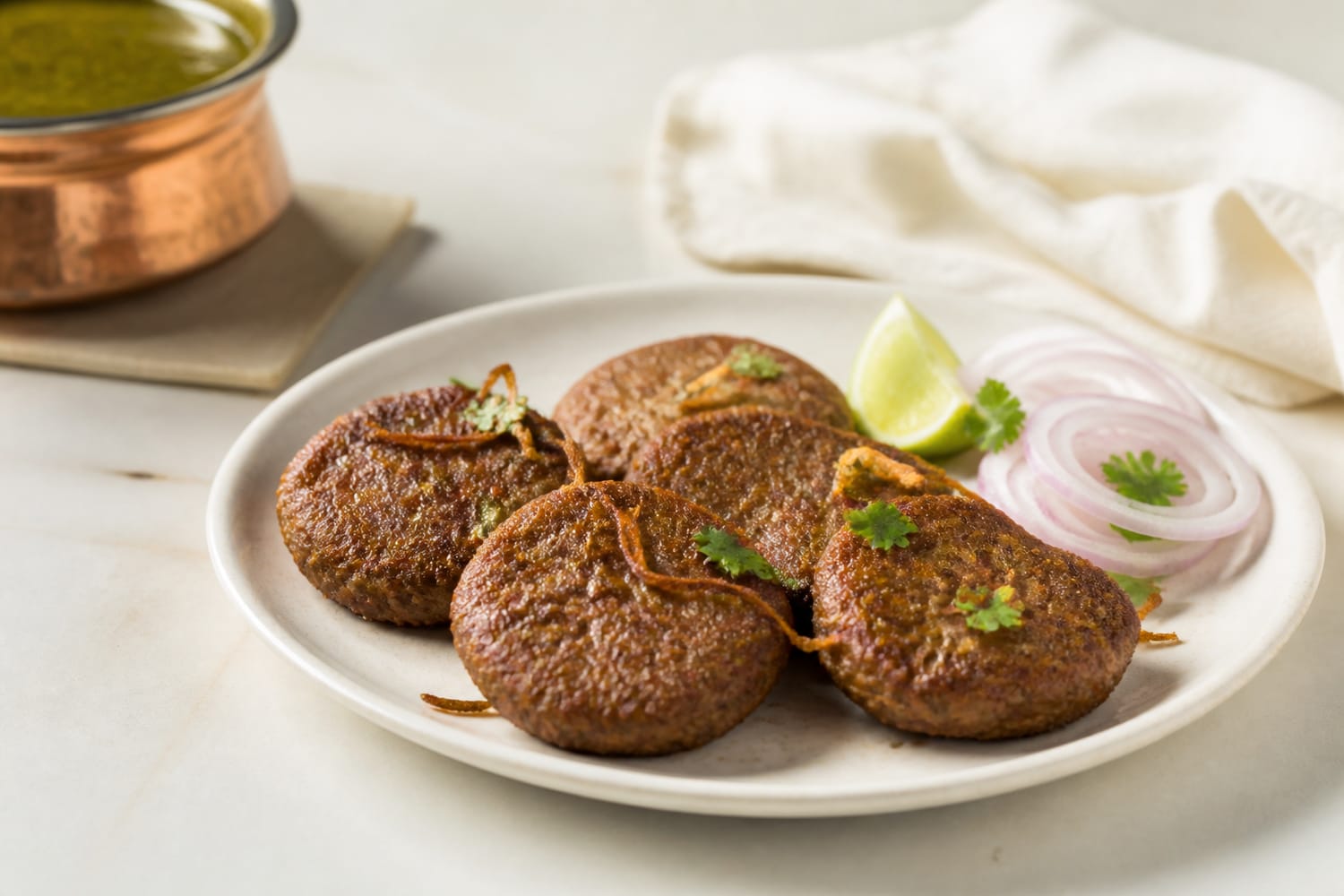
Lucknow’s galouti kebab is so finely minced and tender that it practically dissolves on the tongue. Culinary legend says it was devised for an aging Nawab of Awadh who loved kebabs but could no longer chew tougher meat.
Royal cooks responded by grinding the meat repeatedly and seasoning it with a complex mixture of aromatics and spices. After leaving palace kitchens, the technique was preserved by Lucknow’s specialist kebab makers. Restaurants, travelers, and the Indian diaspora eventually carried galouti kebabs to cities around the world, where they remain ambassadors for refined Awadhi cooking.
Peking Duck
Roast duck appeared in Chinese imperial food records centuries ago, while the preparation now called Peking duck developed into an important court dish during the Ming dynasty. Its crisp skin, carefully inflated and roasted over heat, required specialized equipment and considerable skill.
Restaurants near Beijing’s imperial center began serving versions outside the palace. Establishments such as Bianyifang helped introduce the specialty to paying customers, while later international diplomacy and Chinese restaurants overseas expanded its reputation. What began as courtly cuisine is now one of China’s most recognizable dishes.
Dragon’s Beard Candy
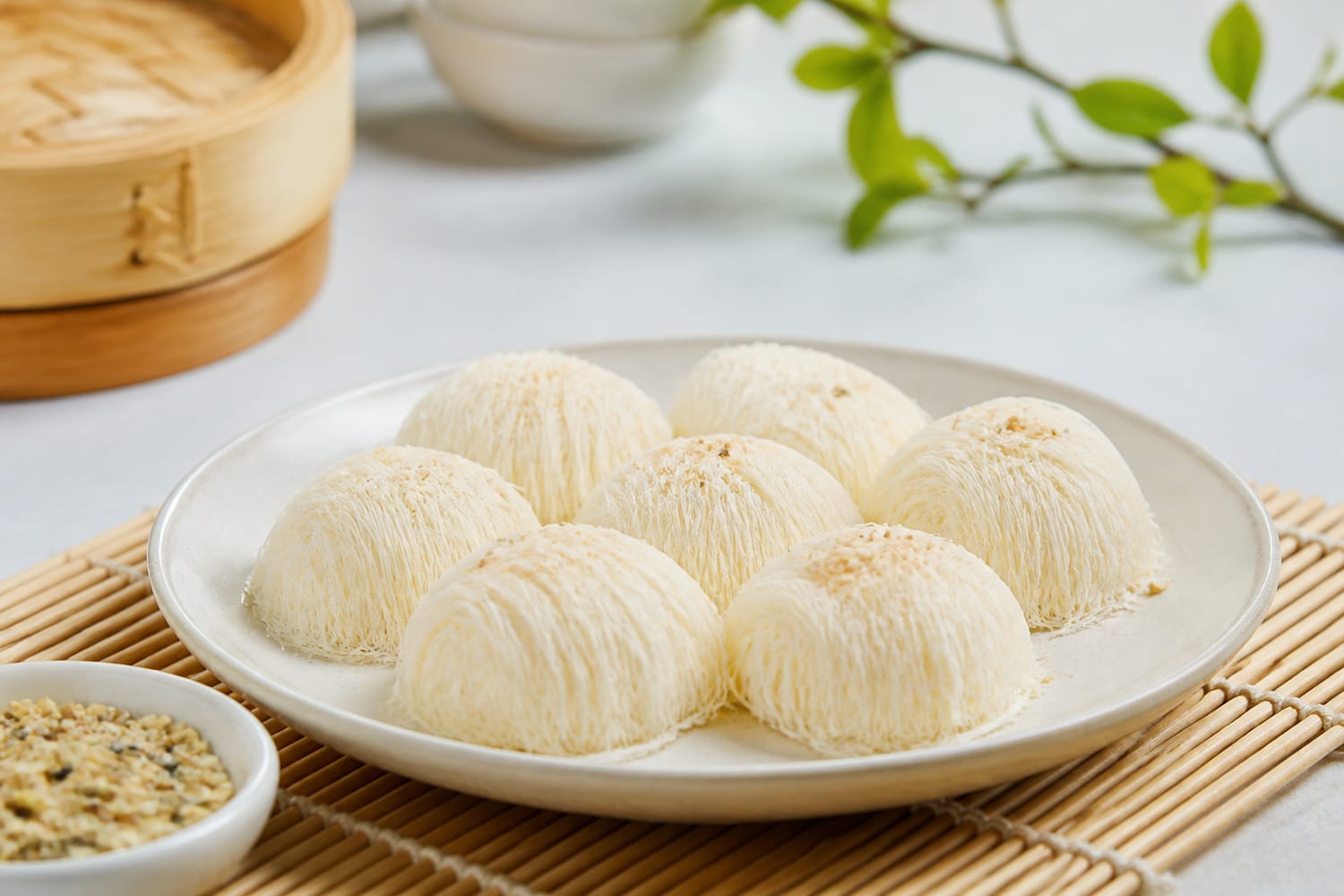
Dragon’s beard candy is formed by repeatedly pulling maltose into thousands of delicate strands, then wrapping them around peanuts, sesame seeds, or coconut. According to legend, an imperial chef performed the technique for a Chinese emperor, who compared the threads to a dragon’s whiskers.
Its exact beginnings are uncertain, but its elaborate production long encouraged an association with imperial privilege. Street demonstrations, festivals, tourism, and migration brought the confection to Southeast Asia, South Korea, Canada, and the United States. Watching it being made remains as important as eating it.
Biryani
No single ruler can confidently claim to have invented biryani. However, many historians connect the development of its elaborate layered forms with royal kitchens in Mughal India, where Persian pilaf traditions met South Asian rice, spices, and cooking techniques.
As imperial influence spread, regional courts adapted the dish. Hyderabad produced a boldly spiced style, Lucknow favored fragrant subtlety, and Kolkata developed a famous version containing potatoes. Trade, migration, restaurants, and family recipes then carried biryani far beyond royal capitals. It is now a celebratory meal across South Asia and its global diaspora.
Platinum Pudding
Royal dishes are not limited to distant history. In 2022, a nationwide competition selected Jemma Melvin’s lemon Swiss roll and amaretti trifle as the official dessert for Queen Elizabeth II’s Platinum Jubilee.
The pudding layers lemon curd, citrus jelly, custard, amaretti biscuits, mandarin coulis, and whipped cream. Television coverage, an officially published Platinum Pudding recipe, and community celebrations allowed people far beyond palace circles to prepare it immediately. Its rapid spread reveals how modern media can accomplish in days what old cookbooks and royal tours once achieved over decades.
How Royal Food Becomes Everyone’s Food
These dishes traveled through different channels, but the pattern is remarkably consistent. A royal connection generated curiosity; cooks and businesses made the recipe accessible; and migration or tourism carried it across borders.
Their stories also show why culinary history must be approached carefully. Some creations are well documented, while others rest on appealing legends repeated for generations. Yet even when the palace story is uncertain, its influence can be real—transforming pancakes, cakes, kebabs, rice, and pizza into edible pieces of royal folklore. As Tour Trivia’s guide to foods that were once luxury items demonstrates, yesterday’s status symbol often becomes tomorrow’s everyday pleasure.