
A Kitchen Full of Color Clues
Cooking can turn gray shrimp pink, clear egg whites opaque, and purple cabbage bright red. These changes aren’t kitchen magic: heat alters proteins, releases pigments, and creates new compounds. Sometimes the color tells you what’s happening in the pan. Other times, it’s a reminder that appearance alone can’t tell you when food is done.
Red Cabbage: Purple to Pink or Blue
Red cabbage is a natural color experiment. Its pigments, called anthocyanins, change color depending on acidity. Simmer cabbage with vinegar or lemon juice and it can turn pinkish red; cook it in more alkaline conditions and it may look bluish. Heat softens the cabbage and releases some pigment into the liquid, making the transformation easier to see.
For a vivid side dish, add a little vinegar while cooking. The same chemistry makes cabbage juice useful as a natural acid–base indicator.
Broccoli: Bright Green to Olive
Broccoli often looks especially bright shortly after it hits hot water. As its tissues soften, the green pigment chlorophyll becomes more visible. Keep cooking, though, and heat and acids can alter the chlorophyll, leaving the florets olive green.
For color and a little bite, steam or blanch broccoli just until tender rather than letting it simmer indefinitely. Its quick change is the opposite of basil in pesto, which is traditionally served uncooked to preserve its fresh character. Tour Trivia’s guide to iconic sauces around the world explores that bright green sauce.
Beets: Deep Red to Faded Red
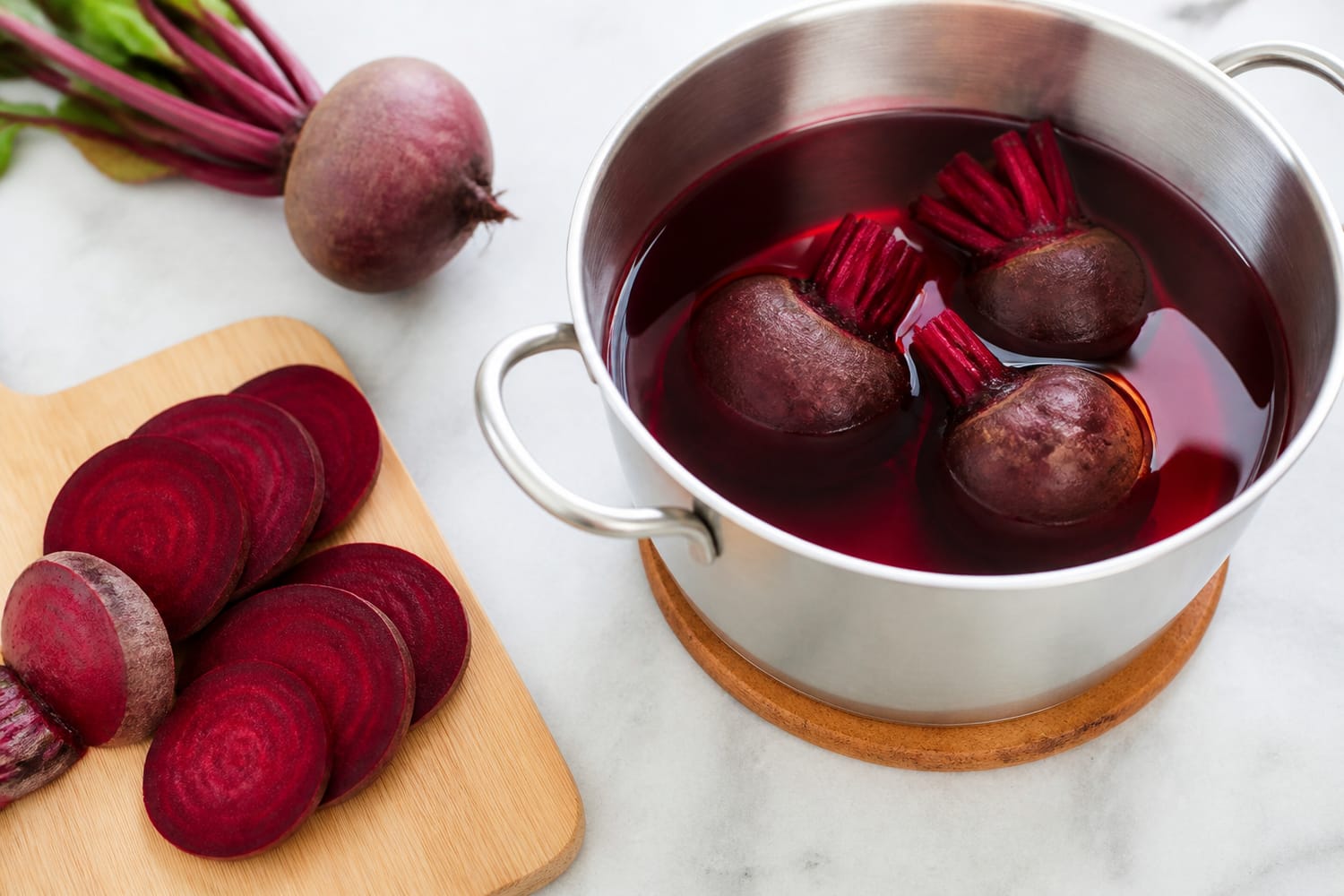
Slice a beet before boiling it and you may find that the water becomes brilliantly red while the beet loses some of its intensity. Its color comes mainly from betalains, a different family of pigments from the anthocyanins in red cabbage. Those pigments can escape into cooking water, and prolonged heat can also affect their color.
To keep beets looking bold, cook them whole with their skins on, leaving a little stem and the root intact. Peel them afterward. It’s a simple way to keep more of that dramatic red where you want it: on the plate.
Shrimp: Gray to Pink
Raw shrimp can look gray and translucent, yet turn pink-orange as they cook. The color was there all along. Shrimp contain astaxanthin, a reddish pigment whose appearance is masked when it is bound to proteins. Heat changes those proteins, allowing the pigment’s color to show through.
That’s why the change can seem almost instant in a hot pan. Pink is a useful visual clue, but don’t keep cooking shrimp simply to make the color deeper; they can become tough. The Exploratorium’s explanation of pink cooked shrimp makes this hidden-pigment trick especially easy to picture.
Egg Whites: Clear to Opaque
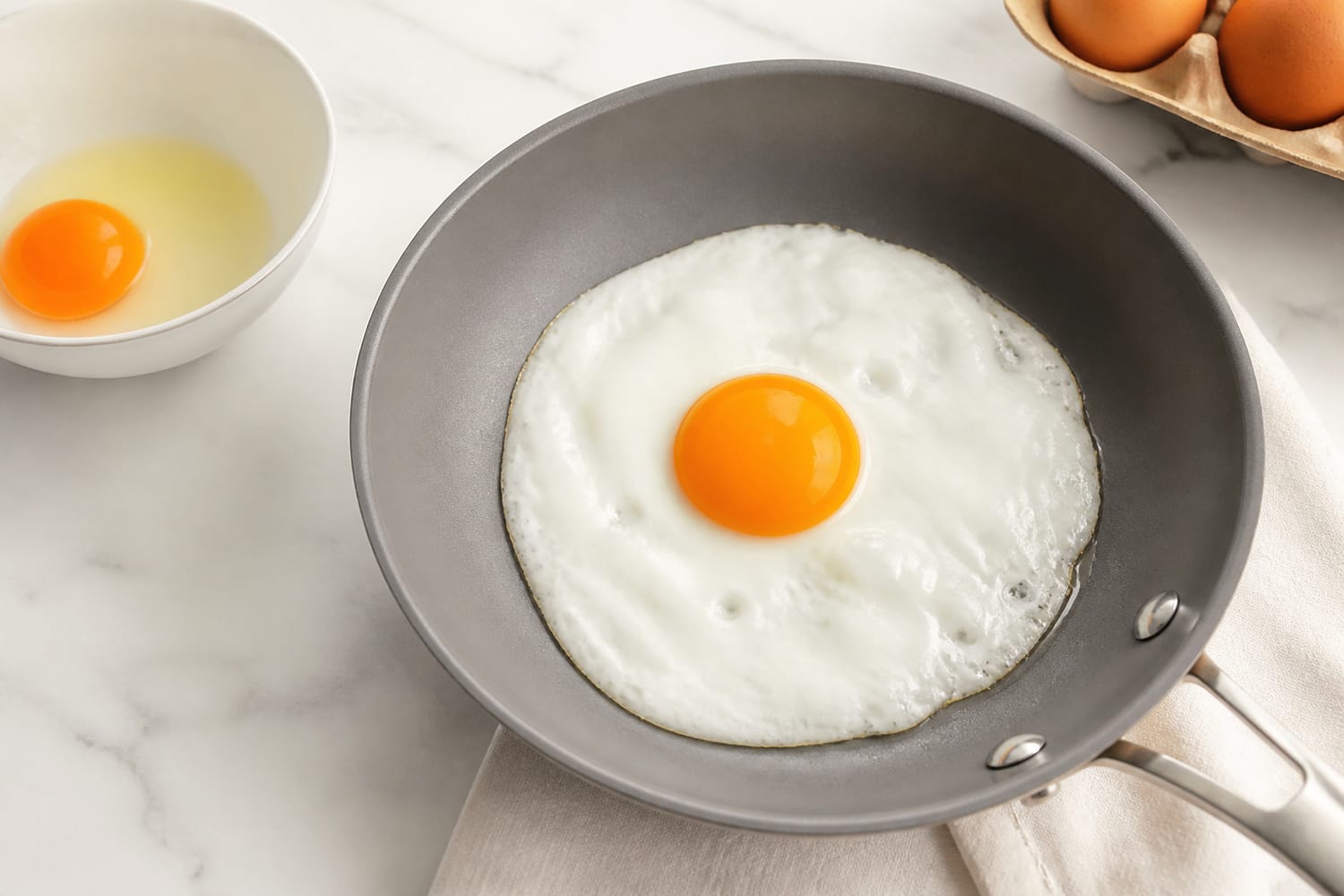
Despite their name, raw egg whites are mostly transparent. Heat makes their proteins unfold and join into a network, turning the liquid firm and opaque. Rather than revealing a hidden white pigment, cooking changes how light passes through the egg.
Watch an egg in a skillet and you can see the white spread outward as it sets. Gentle heat gives you more control over its texture, while high heat can make it rubbery. NC State University offers a closer look at why egg whites turn white.
Salmon: Translucent Pink to Opaque Peach
Salmon doesn’t change color as dramatically as shrimp, but its flesh usually shifts from a translucent, deeper pink to a lighter, opaque pink or peach as it cooks. Heat changes the fish’s muscle proteins, making them scatter light differently. The pink pigment astaxanthin is still present; the changing appearance doesn’t mean it has vanished.
Notice the difference between the surface and center of a cooking fillet. The outside becomes opaque first, giving you a visible record of heat moving inward. Because thickness varies, don’t rely on color alone to judge doneness.
Beef: Red to Brown
Beef’s red color comes largely from myoglobin, a protein in its muscle. As beef heats, myoglobin changes and the interior can progress from red through pink to brown or gray. At the surface of a hot steak, browning reactions create an additional dark crust and roasted flavor.
Those are two different color stories happening in the same pan: changing muscle pigment inside and new compounds forming outside. A browned surface doesn’t tell you the temperature at the center. For ground beef especially, use a food thermometer rather than color to check that it has cooked safely.
Onions: White to Golden Brown
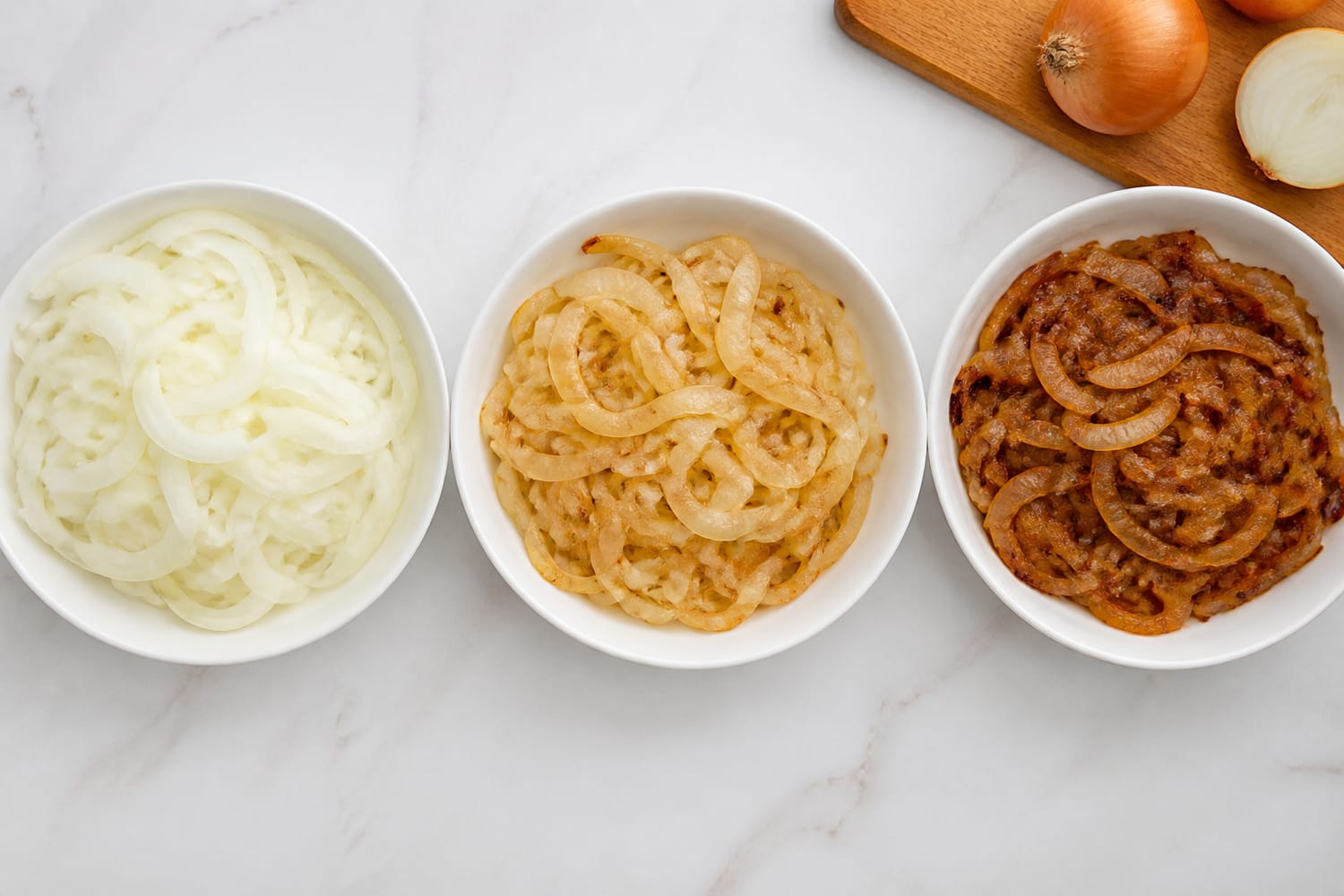
Sliced onions begin pale, soften into translucency, and eventually become golden brown. First, water cooks away. With more time, heat drives browning reactions that produce deeper color and flavor. Low, steady heat helps onions brown without scorching before they soften.
A wide pan and occasional stirring make the gradual transformation easier to manage. It’s also a good example of how an ordinary ingredient can change an entire dish—one of the ideas in Tour Trivia’s look at ingredients that transform familiar foods.
Mushrooms: Pale to Deep Brown
White button mushrooms often start out pale, darken as they cook, and develop browned edges once the pan dries out. Mushrooms release moisture first; while that liquid remains, they tend to steam. After it evaporates, their surfaces can get hot enough for more noticeable browning.
If you want golden mushrooms rather than soft, pale ones, give them room in the pan and time for their liquid to cook off. The color change is a practical cue: it tells you the watery stage is giving way to a richer, seared finish.
Potatoes: Creamy White to Golden
Cut potatoes may be white or pale yellow, but roasting can give their surfaces a golden-brown crust. The Maillard reaction—a set of reactions between sugars and amino acids—creates some of that color and the savory flavors that come with it. A boiled potato doesn’t brown the same way because its wet surface doesn’t get as hot.
For more golden edges, dry cut potatoes before roasting and spread them out rather than crowding the pan. From cabbage’s shifting pigments to a potato’s new crust, each color change offers a small glimpse of the science happening at dinner.