
Breakfast Is a Cultural Rulebook
Breakfast tastes different around the world because every culture defines “morning food” through its own history, ingredients, routines, and traditions. While one person may crave syrup-covered pancakes, another expects rice, soup, pickles, or spicy beans. Neither choice is unusual—it simply reflects what each culture has learned to find comforting after waking.
Breakfast may be the first meal of the day, but it is rarely a blank slate. It carries generations of habits to the table, revealing how people work, farm, socialize, and think about food.
Why Some Breakfasts Are Sweet
Sweet breakfasts are especially familiar across parts of Europe and North America. In France, the morning might begin with a croissant or bread spread with butter and jam. Italians may pair coffee with a cornetto, while American tables often feature pancakes, waffles, muffins, doughnuts, or sweetened cereal.
These foods did not become breakfast staples simply because entire countries share a sweet tooth. Bread and pastries are convenient, coffee pairs naturally with sugar, and industrially produced cereals made quick breakfasts easier for urban families. Over time, repetition turned sweetness into a morning expectation.
Pancakes demonstrate how one basic idea can travel in many directions. As the Smithsonian’s history of pancakes explains, variations appear across numerous cultures, using different grains, fillings, and cooking methods. Some are sweet, but many are distinctly savory.
Why Savory Foods Rule Elsewhere
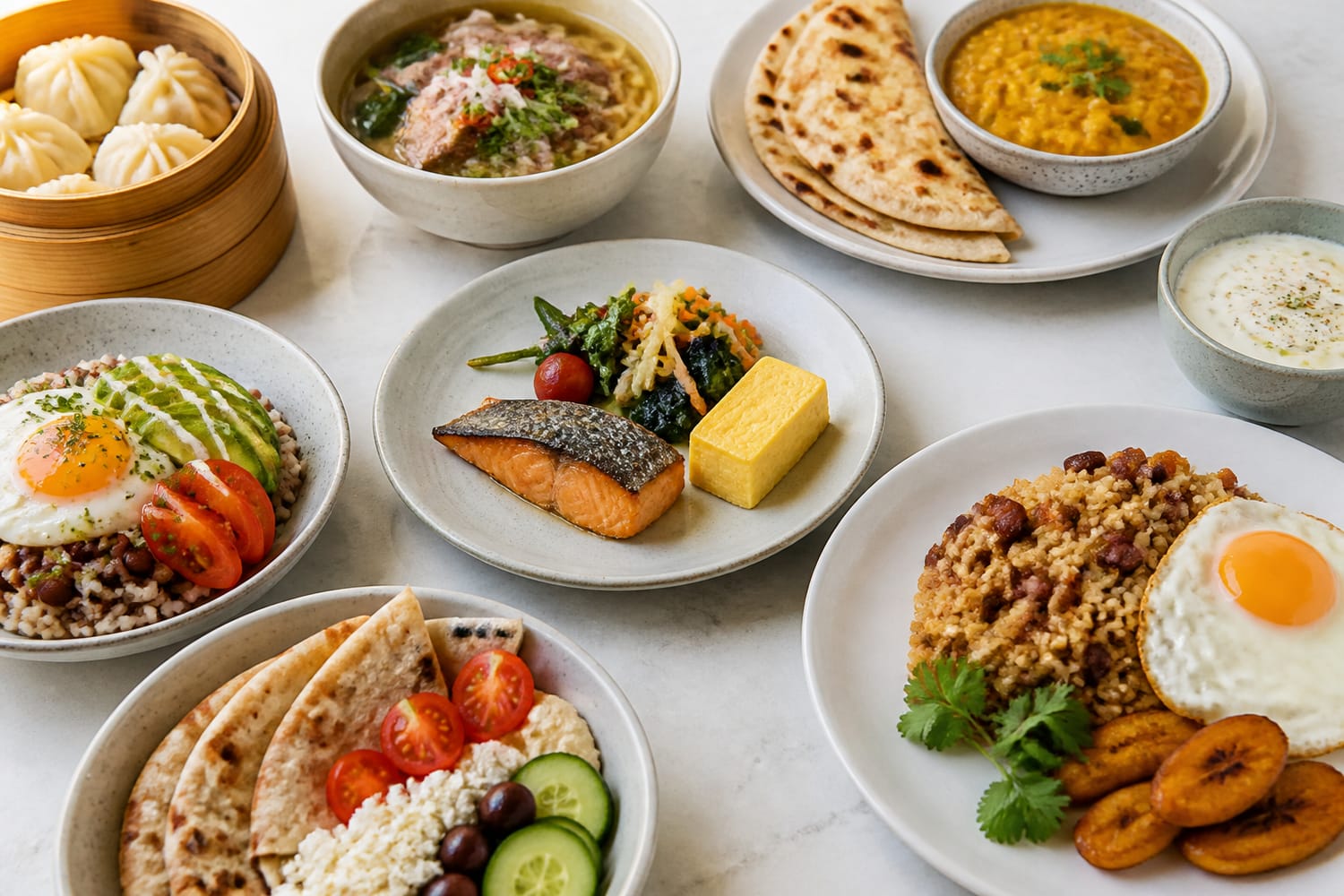
Across much of Asia, Africa, the Middle East, and Latin America, breakfast may resemble what an American traveler would call lunch or dinner. Rice, beans, vegetables, fish, meat, eggs, soup, and flatbreads are all common morning foods.
A traditional Japanese breakfast might include rice, miso soup, grilled fish, and pickled vegetables. In Vietnam, a steaming bowl of pho can provide a fragrant start to the day. Indian breakfasts vary dramatically by region, from fermented rice-and-lentil dosas to stuffed parathas accompanied by yogurt or pickles.
Mexico offers chilaquiles—fried tortilla pieces softened with salsa and commonly topped with cheese, crema, onion, or eggs. In parts of the Middle East, diners may begin the day with flatbread, olives, cheese, tomatoes, cucumbers, eggs, or ful medames, a hearty fava bean dish.
To outsiders, these meals can seem surprisingly substantial. Locally, they are simply breakfast.
Local Staples Shape the Morning Plate
Before refrigerated shipping and global supermarkets, breakfast depended heavily on what families could grow, preserve, purchase, or prepare nearby. That helps explain why rice dominates many Asian breakfasts, corn appears throughout the Americas, and bread is central across much of Europe, North Africa, and the Middle East.
Several practical factors influence what reaches the table:
- Agriculture: Local grains and crops become familiar foundations.
- Preservation: Pickling, fermenting, drying, and salting make ingredients available year-round.
- Labor: Physically demanding work can encourage filling morning meals.
- Convenience: Foods that are quick to cook, reheat, or buy from vendors suit busy routines.
- Religious traditions: Fasting rules and permitted ingredients affect meal patterns.
- Trade and migration: New spices, drinks, grains, and cooking methods transform old customs.
That is why exploring local delicacies while traveling can reveal far more than popular flavors. Food offers clues about a destination’s land, economy, and history.
The Line Between Breakfast and Dinner Is Invented
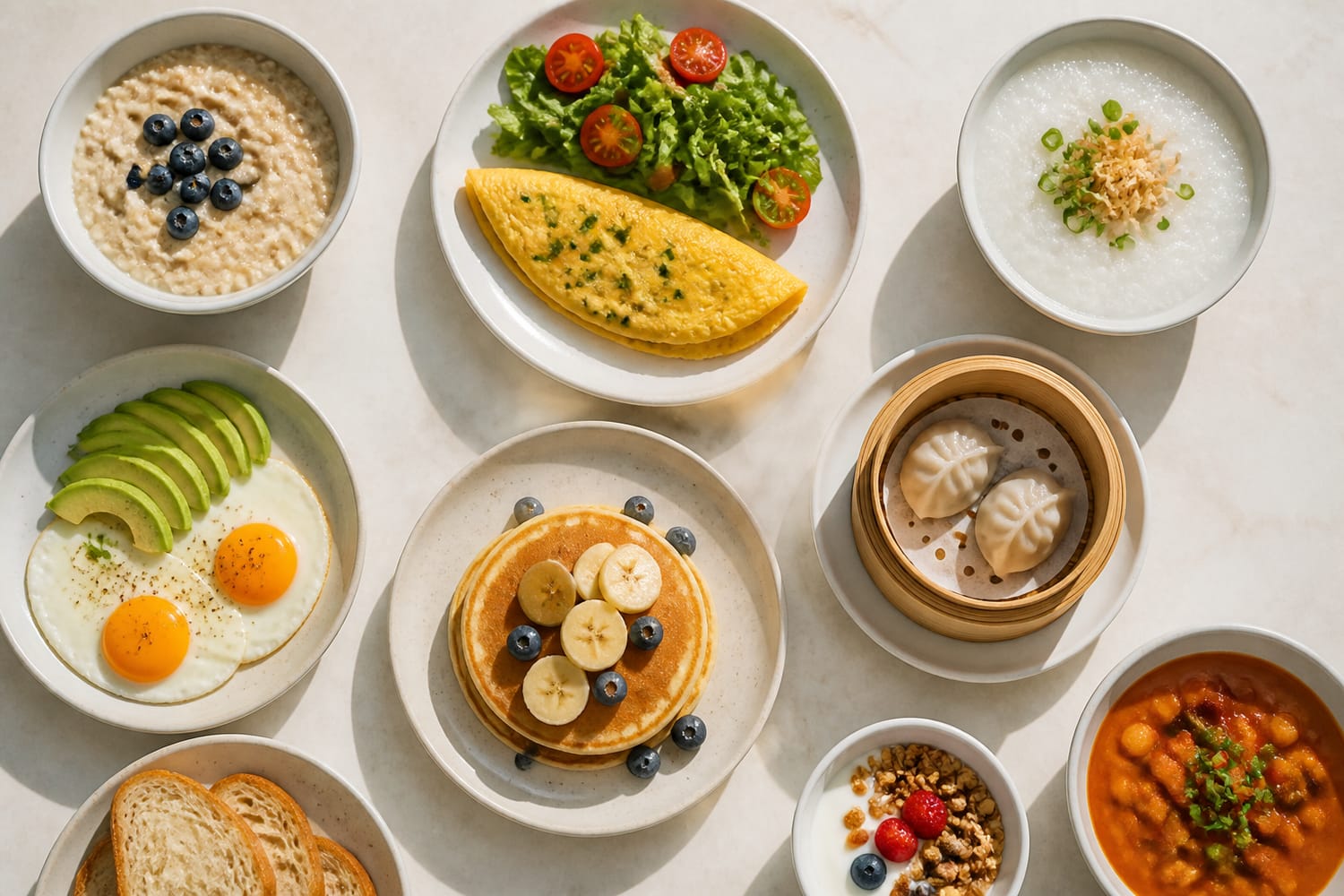
There is no universal scientific rule stating that cereal belongs in the morning or soup belongs in the evening. These categories are cultural inventions reinforced by family routines, restaurants, advertising, and childhood memories.
Consider eggs. They are strongly associated with breakfast in the United States and Britain, yet they appear at every mealtime worldwide. Rice porridge can be a breakfast in China, a comforting snack elsewhere, or part of a larger meal. Pancakes may be served with syrup in one country, stuffed with vegetables in another, and eaten at dinner in a third.
Even the size of breakfast depends on the day’s wider schedule. Where lunch is the main meal, breakfast may be light. Where people begin work early or expect a late lunch, it may be much heavier. Tour Trivia’s look at why cultures eat dinner at different times shows how every meal fits within a larger cultural clock.
Breakfast Can Be a Social Event
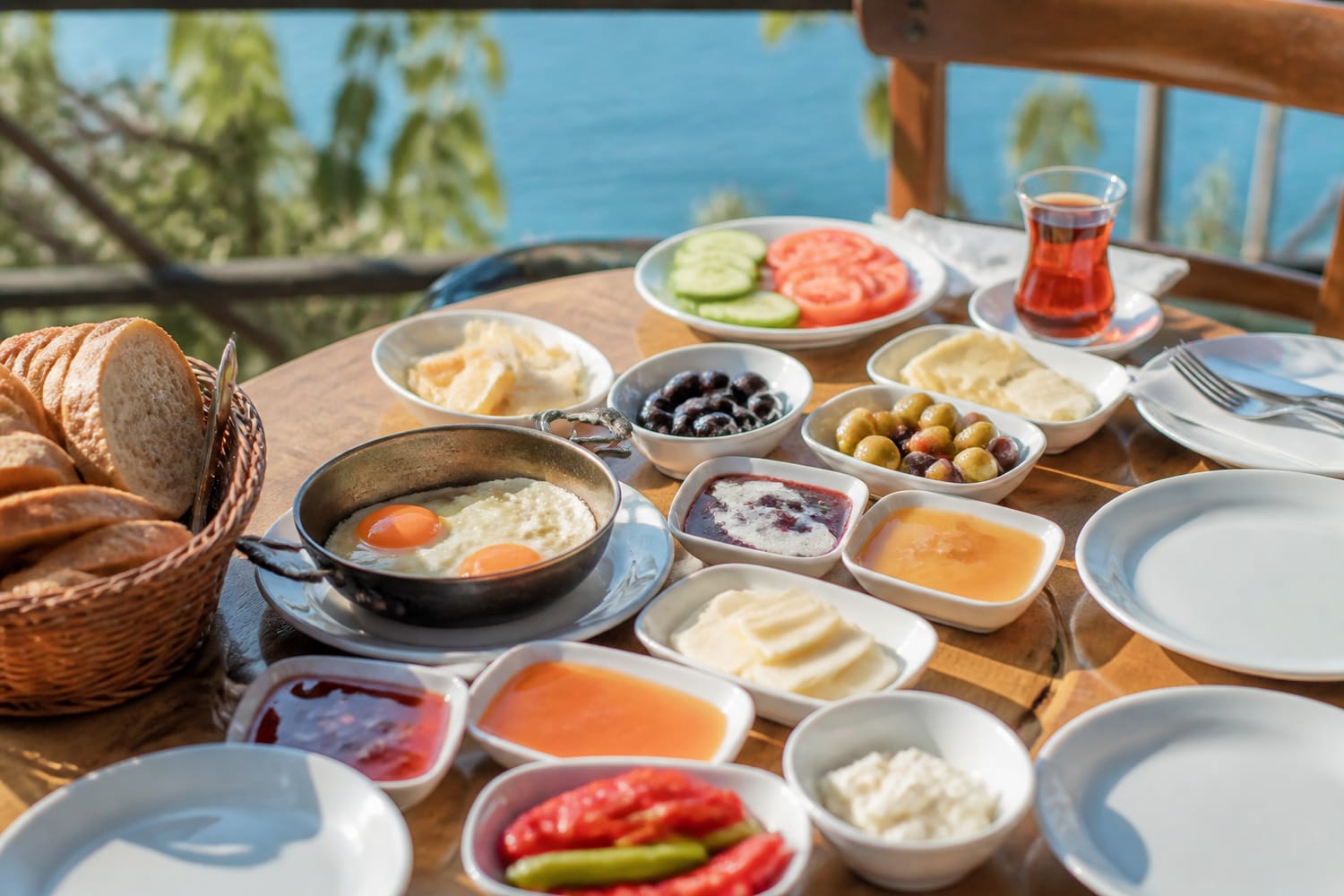
For some people, breakfast is a hurried piece of toast eaten while leaving home. Elsewhere, it can be a long, shared occasion.
A Turkish breakfast, or kahvaltı, may cover the table with cheeses, olives, tomatoes, cucumbers, bread, eggs, preserves, honey, and tea. The appeal lies not only in the variety but also in the experience of lingering together.
Malaysia provides another striking example. Its breakfast culture brings together Malay, Chinese, Indian, and other culinary traditions through foods such as nasi lemak, roti canai, and rice or noodle dishes. UNESCO recognizes Malaysia’s breakfast culture for its role in cultural identity and community connection.
In these settings, breakfast is not merely fuel. It is a daily expression of hospitality and belonging.
Globalization Is Blurring the Divide
Modern breakfasts are becoming increasingly flexible. Cafés serve avocado toast in cities thousands of miles from Australia, while packaged cereal appears in countries with long savory-breakfast traditions. Travelers, migrants, social media, and international restaurant chains continually introduce people to new morning possibilities.
The exchange works in both directions. Diners in the United States now seek shakshuka, congee, breakfast tacos, and Turkish spreads. Meanwhile, pastries, coffee drinks, and Western-style cereals have found audiences around the globe.
Yet globalization rarely erases local customs completely. Instead, imported foods are adapted. A sandwich gains regional spices, porridge receives local toppings, or a familiar pastry is filled with native ingredients. Breakfast keeps evolving while retaining traces of where it came from.
How to Eat Breakfast Like a Local
Travelers can learn a great deal by skipping the hotel buffet for at least one morning. Visit a neighborhood bakery, market stall, café, or casual restaurant and notice what residents order.
Avoid searching for one definitive “national breakfast.” Countries contain many regions, communities, and personal preferences. A traditional dish may be reserved for weekends, while the everyday meal is much simpler.
Most importantly, approach unfamiliar breakfasts without judging them by your own morning rules. Soup is not too savory, pastries are not automatically dessert, and rice does not belong to a particular hour. Breakfast tastes different around the world because culture decides what feels normal—and every first bite offers a delicious lesson in how differently people can greet the day.