
An Egg Comes With Its Own Protective Coating
An eggshell looks solid, but it contains tiny pores. Covering its surface is a natural protective layer called the cuticle, sometimes known as the bloom. This coating helps resist bacterial entry and limits moisture loss. Think of it as protective packaging supplied by the hen.
Washing can damage that barrier, particularly when the process or subsequent drying and storage are poorly controlled. That does not mean commercial washing is inherently unsafe. It means washing and storage need to work together as parts of a complete food-safety system.
The coating is not an invincible shield, either. Salmonella can contaminate an egg while it forms inside an infected hen, before the shell develops. Keeping the outside pristine therefore cannot eliminate every potential risk.
Why American Eggs Go Into the Refrigerator
In the United States, commercial egg processing typically includes washing and sanitizing the shell under controlled conditions. This removes surface contamination, but washing can also compromise the natural coating. Refrigeration then helps slow bacterial growth and maintain quality.
The important idea is continuity. Refrigerated transport, store displays, and home storage form a cold chain. A carton bought cold should stay cold rather than begin a second life as countertop décor. USDA explains that washing and refrigeration together help protect egg safety and freshness.
At home, the FDA’s egg-safety guidance recommends prompt storage at 40°F, approximately 4°C, or below, with eggs kept in their original carton. American supermarket eggs should not be treated like unrefrigerated eggs encountered overseas.
This is why copying another country’s kitchen habit without copying its entire production system can be misleading.
Why British and Many European Eggs Stay on Shelves

Britain and much of the European Union generally take a different approach: preserve the shell’s natural defenses rather than routinely wash consumer eggs. UK guidance prohibits washing eggs marketed as Class A, while EU rules generally prohibit it but retain limited exceptions for certain authorized systems.
EU rules also generally restrict artificial chilling below 5°C before sale, with specific allowances for brief periods during transport or retail storage. This is a regulated handling approach, not evidence that European shoppers are simply less concerned about food safety.
In Britain, ordinary supermarket conditions help explain the familiar shelf display. The British Egg Information Service says most modern supermarkets remain below 20°C, making refrigerated displays unnecessary under those conditions. Avoiding a chilled display also reduces temperature swings between the shop and home.
The distinction is similar to why breakfast tastes different around the world: what feels normal at home can look surprising abroad. With eggs, however, the explanation involves microbiology as well as habit.
Vaccination Helps Protect Eggs Before They Are Laid
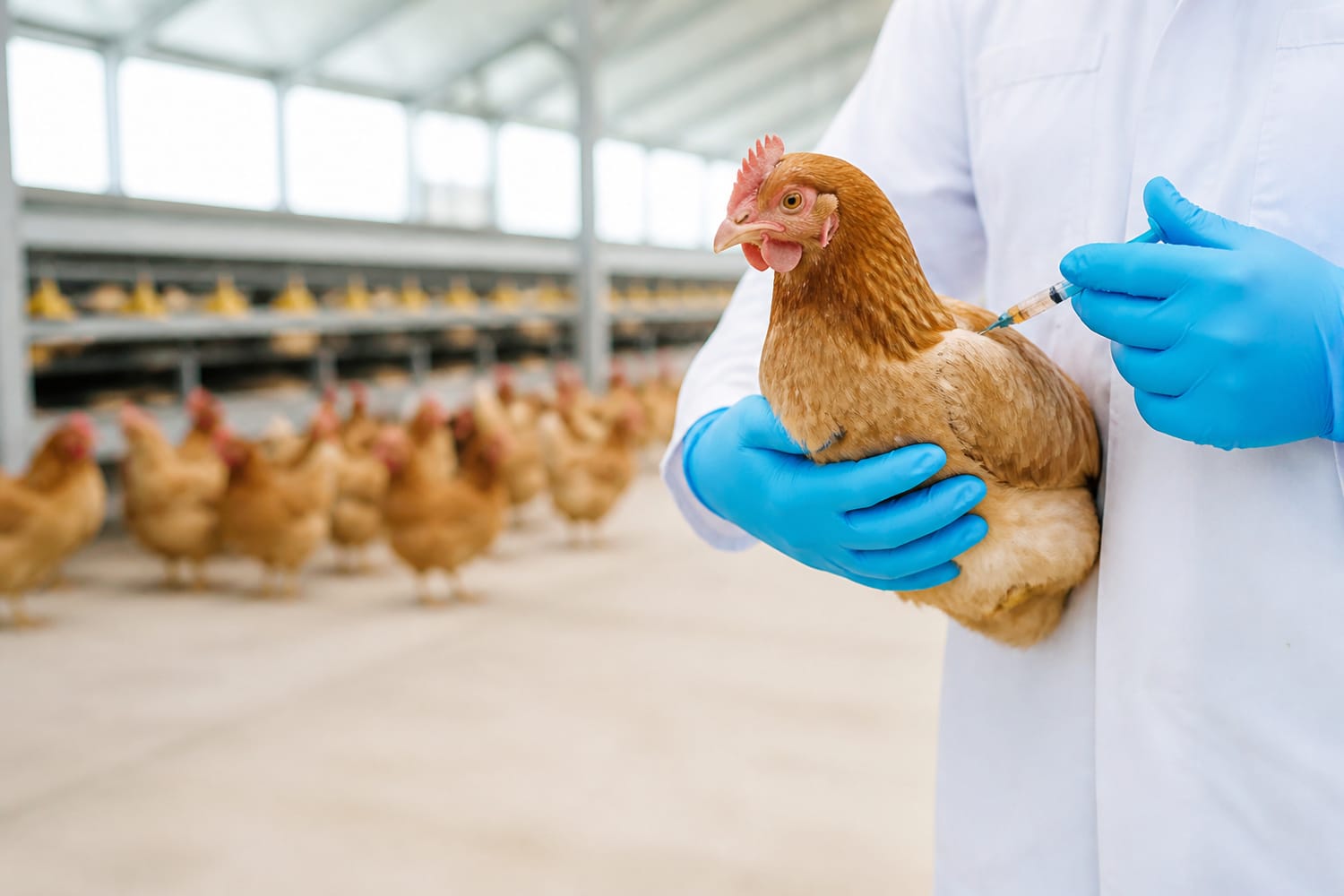
Egg safety does not begin at the supermarket. Healthy flocks, hygiene, testing, and traceability also matter. Britain’s British Lion scheme, for example, includes vaccination against Salmonella alongside additional testing and production controls.
That addresses a different part of the problem from washing. Vaccination helps reduce infection in hens; washing targets contamination on the shell. Neither should be understood as a standalone guarantee that every egg is bacteria-free.
It is therefore too simplistic to say that one continent “cleans its eggs” while another “vaccinates its chickens.” Real food-safety programs combine several safeguards, and requirements vary between countries and assurance schemes.
Why Temperature Changes Matter
Move a cold egg into warm surroundings and moisture can condense on its surface. That familiar “sweating” matters because moisture can facilitate bacterial movement through the shell. Warmer temperatures also allow Salmonella to multiply more readily.
This explains why both approaches emphasize consistent handling, even though supermarket displays look different. Keeping an egg steadily cool is preferable to repeatedly moving it between the refrigerator and a warm kitchen.
For eggs that require refrigeration, U.S. guidance limits time outside the refrigerator to two hours, or one hour when temperatures reach 90°F, about 32°C, or higher. A hot car is not an extension of the refrigerated grocery aisle.
Should You Refrigerate Eggs Bought From a Shelf?

Often, yes. Unrefrigerated sale does not mean refrigeration at home is discouraged. British guidance recommends keeping eggs at a consistent temperature below 20°C and storing them in their box in the refrigerator to avoid kitchen temperature fluctuations.
The UK’s home food-safety advice likewise recommends a cool, dry place, ideally the fridge. The practical distinction is between controlled retail storage and a home environment that may become much warmer.
For travelers cooking in vacation rentals, a few checks help:
- Read the carton: Follow its storage instructions and dates.
- Maintain refrigeration: Keep eggs bought cold refrigerated.
- Check the shells: Avoid cracked eggs.
- Skip home washing: It can increase contamination risk rather than improve safety.
When exploring local food markets around the world, ask sellers about handling rather than assuming familiar-looking eggs have followed familiar rules.
Different Systems, the Same Safety Goal
The refrigerator divide is not a contest between modern technology and old-fashioned tradition. It reflects different combinations of washing, shell protection, farm controls, and temperature management. Each measure makes sense within the wider system supporting it.
The useful takeaway is simple: follow the carton and local guidance, keep refrigerated eggs cold, and never mistake an intact shell for a guarantee against bacteria. Your breakfast may look identical across borders, but its journey to the frying pan can be remarkably different.