
Your Taste Buds Did Not Pack a Passport
Food often tastes better on vacation because flavor is shaped by far more than the tongue. New surroundings, unfamiliar aromas, physical activity, relaxed attention, social meals, and anticipation all influence how the brain experiences food. The meal may genuinely be excellent—but your travel mindset is helping to season it.
Flavor Is a Full-Sensory Experience
Taste technically refers to the basic signals detected in the mouth: sweet, salty, sour, bitter, and umami. Flavor is the larger experience created when the brain combines those signals with aroma, temperature, texture, appearance, sound, and even expectation.
Smell is especially important. Aromas enter the nose as food approaches and travel from the mouth into the nasal cavity while you chew. This helps distinguish the sweetness of a strawberry from that of a peach or mango. The Monell Chemical Senses Center’s explanation of smell and flavor illustrates why losing smell can make food seem surprisingly flat, even when the tongue still detects basic tastes.
Vacation meals tend to supply abundant sensory cues. Picture grilled fish arriving beside a bright blue harbor, noodles sizzling in a night market, or warm bread served in a busy neighborhood bakery. The colors, sounds, temperatures, and aromas become part of the dish as your brain constructs the final flavor.
Novelty Wakes Up the Brain
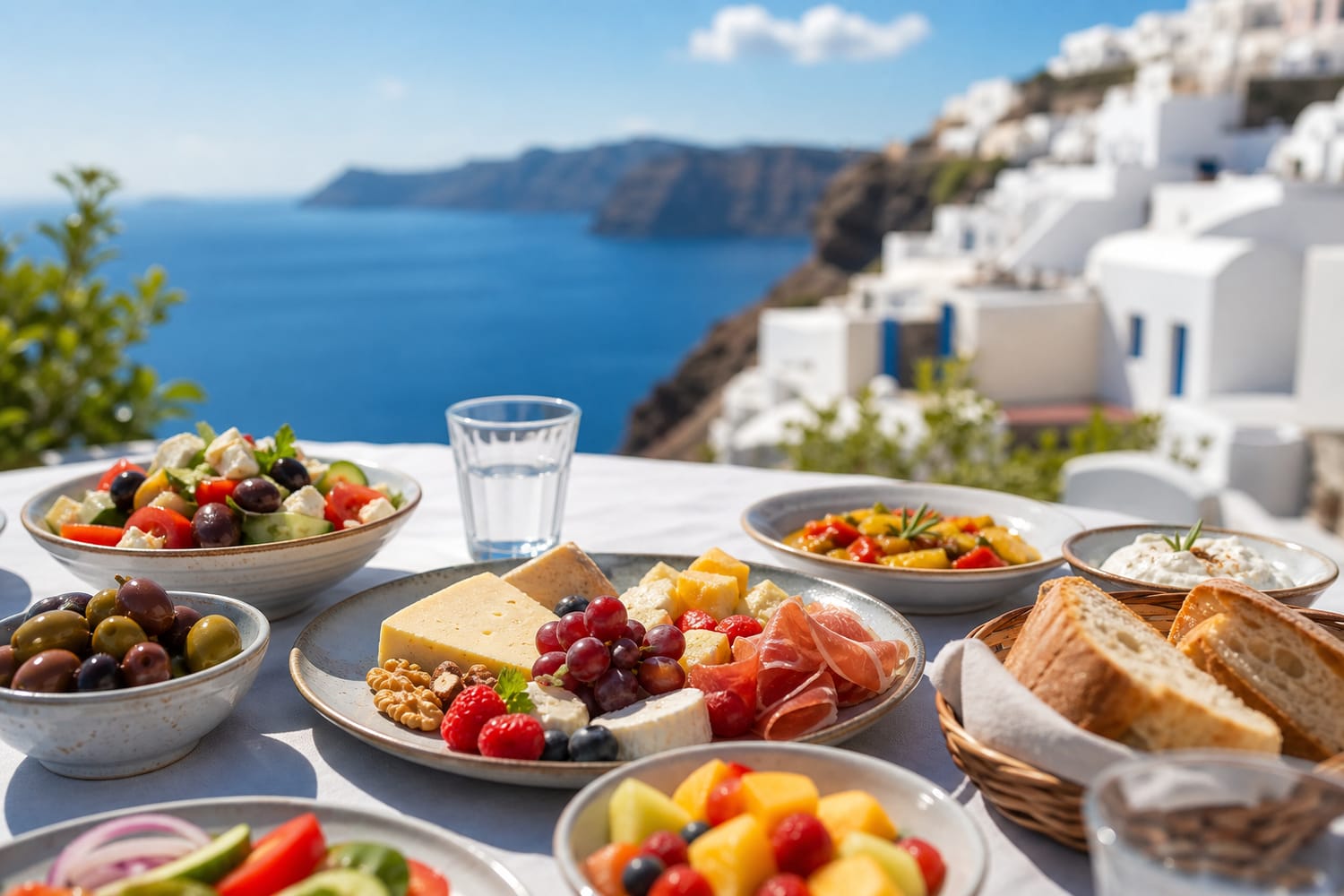
At home, familiar meals must compete with repetition. Even a favorite breakfast can become less exciting after dozens of nearly identical mornings. Travel interrupts that pattern with different ingredients, seasonings, cooking methods, and dining rituals.
Novelty encourages attention. Instead of eating automatically while checking email, you may examine a menu, watch a street vendor work, or try to identify an unfamiliar spice. That concentration can make flavors seem clearer and more memorable.
Variety may also renew your desire to eat through a process called sensory-specific satiety. Satisfaction with one flavor gradually declines during a meal, while interest in a different flavor can remain strong. A vacation spread containing salty cheese, tart fruit, smoky meat, crisp vegetables, and a sweet pastry keeps presenting the brain with fresh sensory experiences.
This helps explain why a multi-course dinner can feel irresistible even after you thought you were full. Your appetite for one dish may be fading, but the next aroma, texture, or flavor offers something new.
The Setting Becomes an Invisible Ingredient
Eating never happens in isolation. Lighting, music, temperature, tableware, scenery, and background activity can all influence the dining experience. Vacation simply makes those contextual details harder to ignore.
A cold drink beside a swimming pool carries different associations than the same drink consumed at a desk. Pasta eaten in a candlelit Italian square may feel richer than an identical plate reheated under bright kitchen lights. Expectations and emotions do not change the food’s chemical composition, but they can change how the brain interprets its sensory signals.
That is why Tour Trivia’s collection of unusual dining experiences around the world is about more than unusual locations. An unexpected setting can direct attention toward certain sensations, making an ordinary bite feel theatrical, surprising, or luxurious.
You May Be Genuinely Hungrier
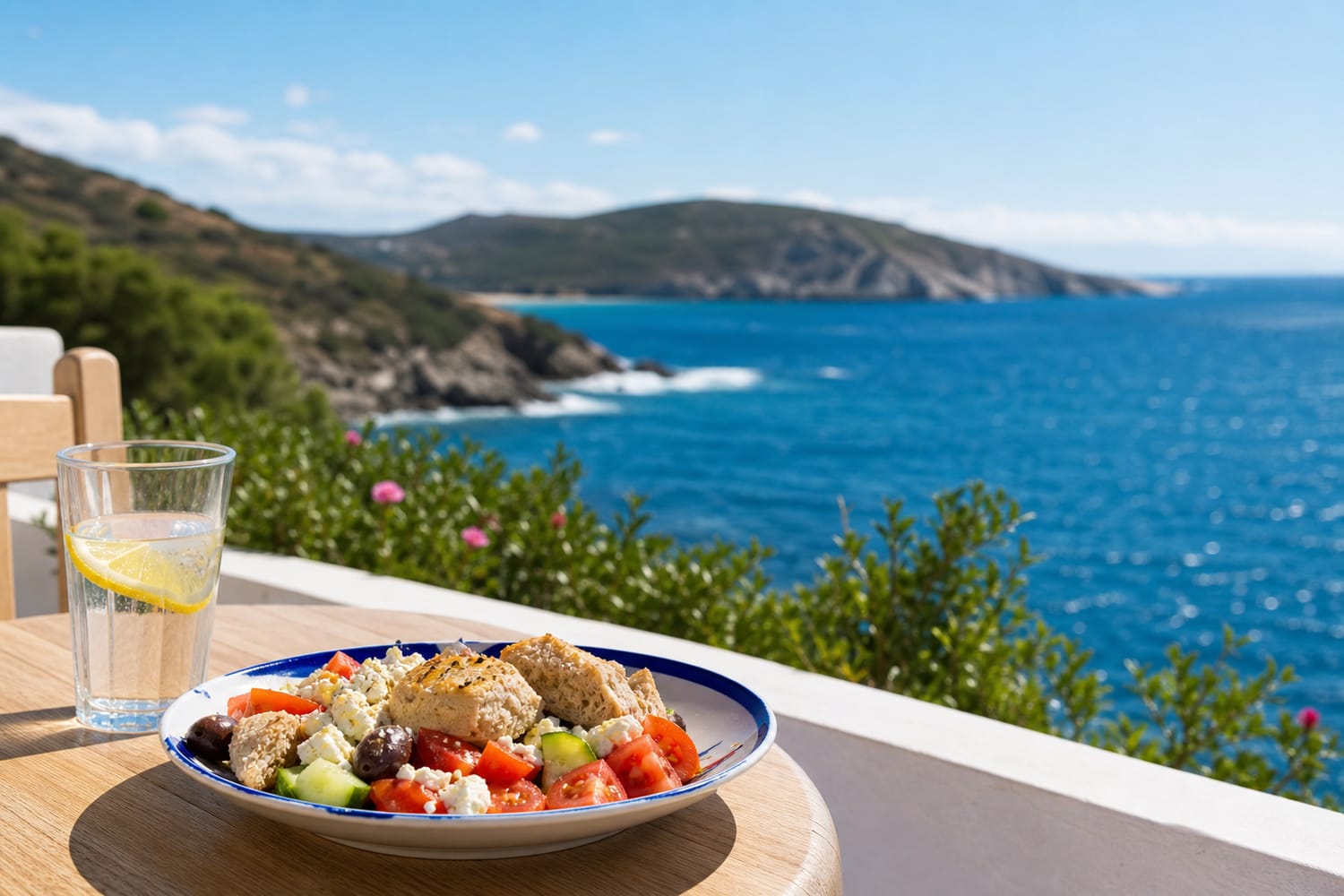
Travelers often walk much farther than they do during an ordinary week. Museum visits, hiking trails, swimming, cycling, and wandering through unfamiliar neighborhoods all require energy. Increased physical activity can therefore produce real hunger rather than merely a psychological craving.
Schedules also change. You might eat breakfast early before an excursion, delay lunch while touring a landmark, or wait until local restaurants begin dinner service. By the time food arrives, your body may be more ready for it than usual.
Local timing can intensify this effect. In destinations where dinner begins later, adapting to the culture may mean going longer between meals. Tour Trivia’s guide to why some cultures eat dinner so late shows how climate, work routines, and social traditions shape the dining clock.
Hunger increases the reward value of food, so a simple sandwich after a mountain walk can become one of the trip’s standout meals.
Vacation Creates Space to Savor
Daily meals are frequently rushed or divided by distractions. People eat while commuting, working, scrolling, or planning the next task. On vacation, a meal is more likely to be treated as an event.
You may linger over lunch because there is no meeting afterward. You might discuss each dish, notice the scent of fresh herbs, or pause to watch the street around you. This slower pace gives the brain more opportunity to register the meal’s sensory details.
Stress and appetite have a complicated relationship. Short-term stress can suppress hunger, while persistent stress may increase appetite in some people. What matters for vacation dining is often not a universal hormonal switch, but the change in attention: when mental clutter decreases, there is more room to notice pleasure.
Company Adds Its Own Flavor
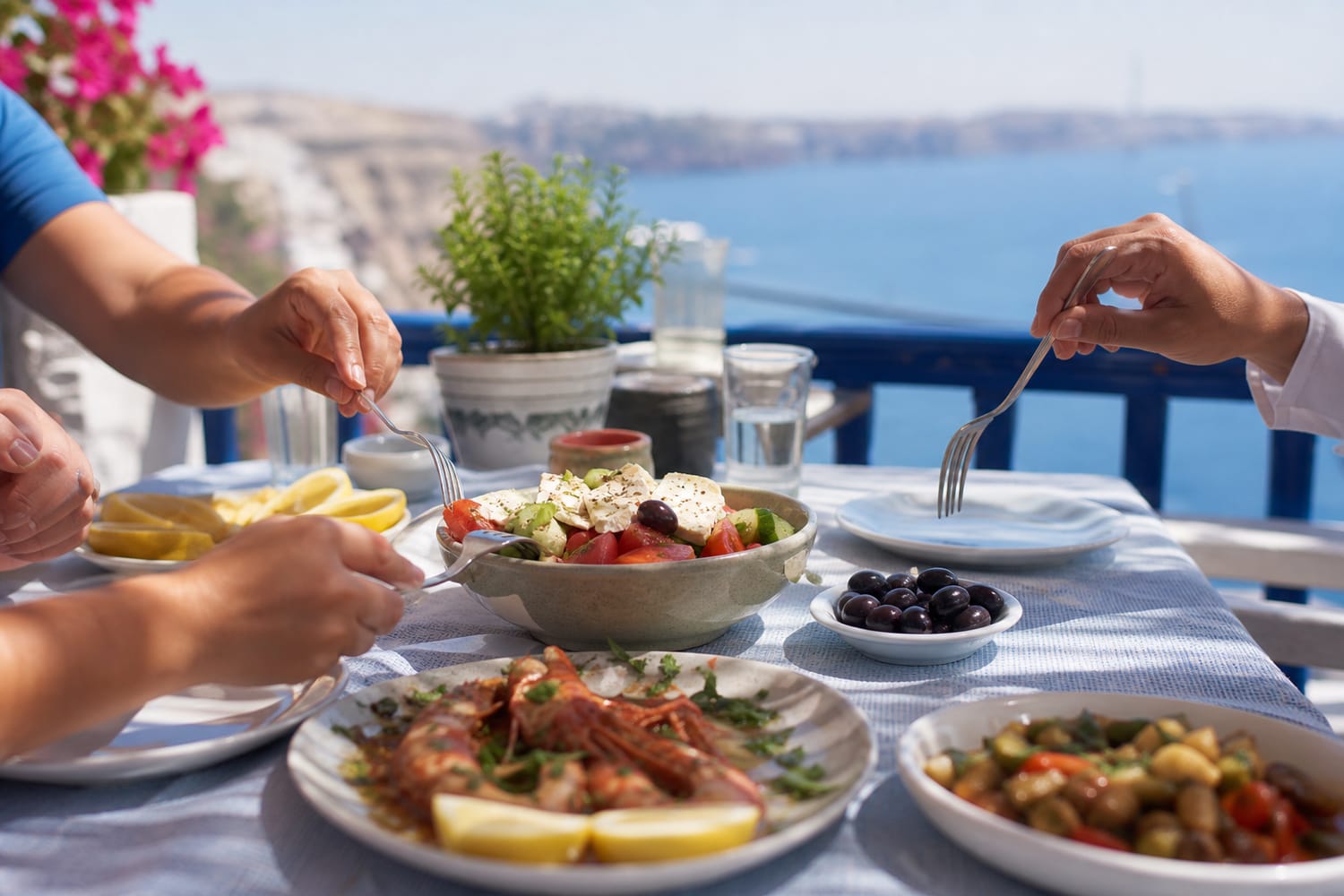
Vacation meals are often shared with partners, relatives, or friends. Conversation stretches the experience, shared dishes create variety, and another person’s enthusiasm can influence what seems appealing.
Research on the social facilitation of eating has repeatedly found that people tend to consume more when dining with others, especially familiar companions, than when eating alone. Social meals may last longer and include additional dishes ordered for the table.
Travel also gives people permission to experiment together. One person orders the regional specialty, everyone takes a bite, and uncertainty becomes part of the fun. A food that might feel intimidating alone can seem exciting when the entire table is participating.
Local Food Connects You to the Destination
A vacation dish carries information. Ingredients reveal the climate and landscape, while cooking methods reflect history, migration, trade, religion, and family traditions. Eating therefore becomes a way of understanding where you are.
Freshness can make a practical difference too. Coastal seafood, fruit harvested in season, bread bought from a morning bakery, or cheese produced nearby may have traveled a shorter distance than comparable foods at home. However, the cultural connection can be just as powerful as ingredient quality.
Exploring local delicacies wherever you travel turns lunch into discovery. You are not merely eating dumplings, curry, tacos, or gelato; you are participating in a local custom and building a story around the flavor.
How to Bring the Vacation Effect Home
You cannot recreate a Mediterranean sunset on demand, but you can borrow some of travel’s appetite-enhancing habits:
- Try one unfamiliar ingredient or regional recipe each week.
- Eat without a phone, television, or laptop nearby.
- Change the setting by dining outdoors or using different lighting.
- Include contrasting colors, temperatures, and textures.
- Share small dishes so everyone can sample several flavors.
- Walk before dinner to create a natural transition into the meal.
- Learn the cultural story behind what you are cooking.
- Slow down long enough to notice aroma before taking the first bite.
The souvenir spice blend may never taste exactly as it did abroad—and that is normal. Vacation food is flavored by novelty, hunger, atmosphere, companionship, and memory. The destination was part of the recipe, even if it never appeared on the menu.