
A Place to Stay a While
A city can have magnificent landmarks and still feel unfamiliar. Then you find a café where neighbors greet the person behind the counter, a plaza where children chase each other, or a tea house where no one seems eager to leave. These are the world’s living rooms: shared places that turn everyday routines into opportunities for connection.
They do not all work the same way. Some invite conversation with strangers; others simply let people enjoy being among others. What they share is room for life to happen between the planned stops on an itinerary.
Cafés: More Than a Cup
The appeal of a café is partly its flexibility. You can meet a friend, read alone, or take a short break from walking. At the next table, someone may be doing something entirely different. That mix gives a café its energy: it belongs to no single kind of visitor.
Vienna’s coffeehouses offer a particularly vivid example. Marble-topped tables, newspapers, and comfortable places to settle in are among the features associated with Viennese coffeehouse culture. The point is not simply to drink coffee, but to have a place where staying awhile feels like part of the experience.
Elsewhere, the rhythm may be quicker. An espresso at a counter creates a brief pause rather than a long afternoon. Both kinds of café can bring people together: one through unhurried company, the other through familiar faces returning day after day. Tour Trivia’s guide to coffee traditions around the world explores how differently that daily cup can fit into local life.
A traveler need not strike up a conversation for the visit to matter. Sitting still long enough to notice who comes in, how people greet one another, and whether the room grows louder or quieter through the day can reveal more than another hurried photograph.
Plazas: The Living Room Without Walls
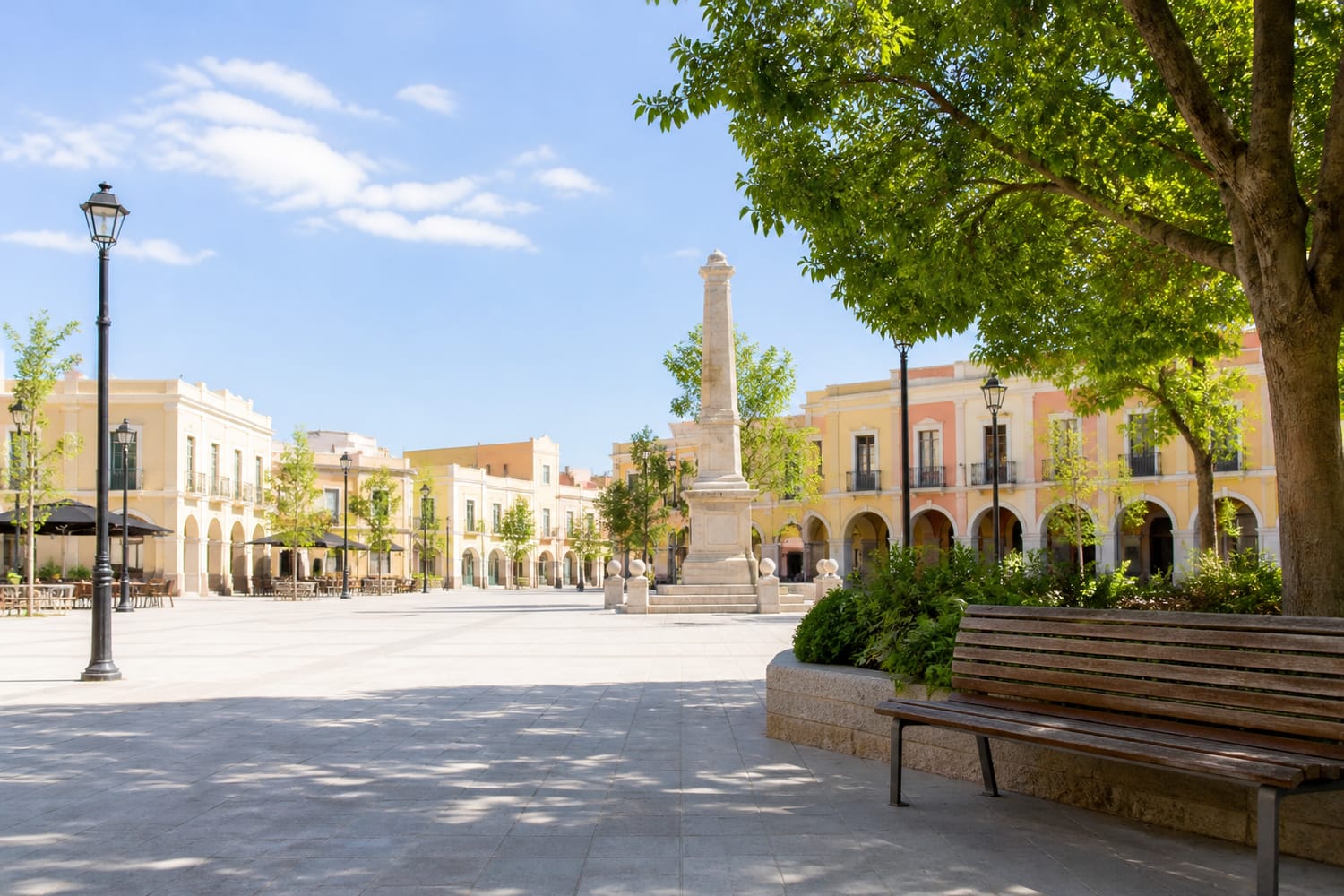
A plaza asks nothing of you at the door. You might cross it on the way to lunch and return later to find people talking on its steps. Its purpose changes with the hour: a route to work in the morning, a meeting point in the afternoon, a place to linger in the evening.
The best public squares offer more than open space. They give people reasons to arrive and reasons to stay—perhaps somewhere to sit, a comfortable walking route, or activity nearby. Project for Public Spaces emphasizes planning squares around how different people will actually use them, rather than treating their design as an end in itself.
That helps explain why the grandest square is not always the most welcoming. A modest neighborhood plaza with a bench, shade, and people passing through may feel livelier than an enormous paved space with nowhere comfortable to pause. The people, not just the buildings around them, make the place.
Plazas also allow for a gentle form of belonging. You can listen to a musician, watch a family reunion from a distance, or sit with a snack and take in the scene. Sharing a space does not require sharing a conversation.
Tea Houses: Hospitality by the Cup
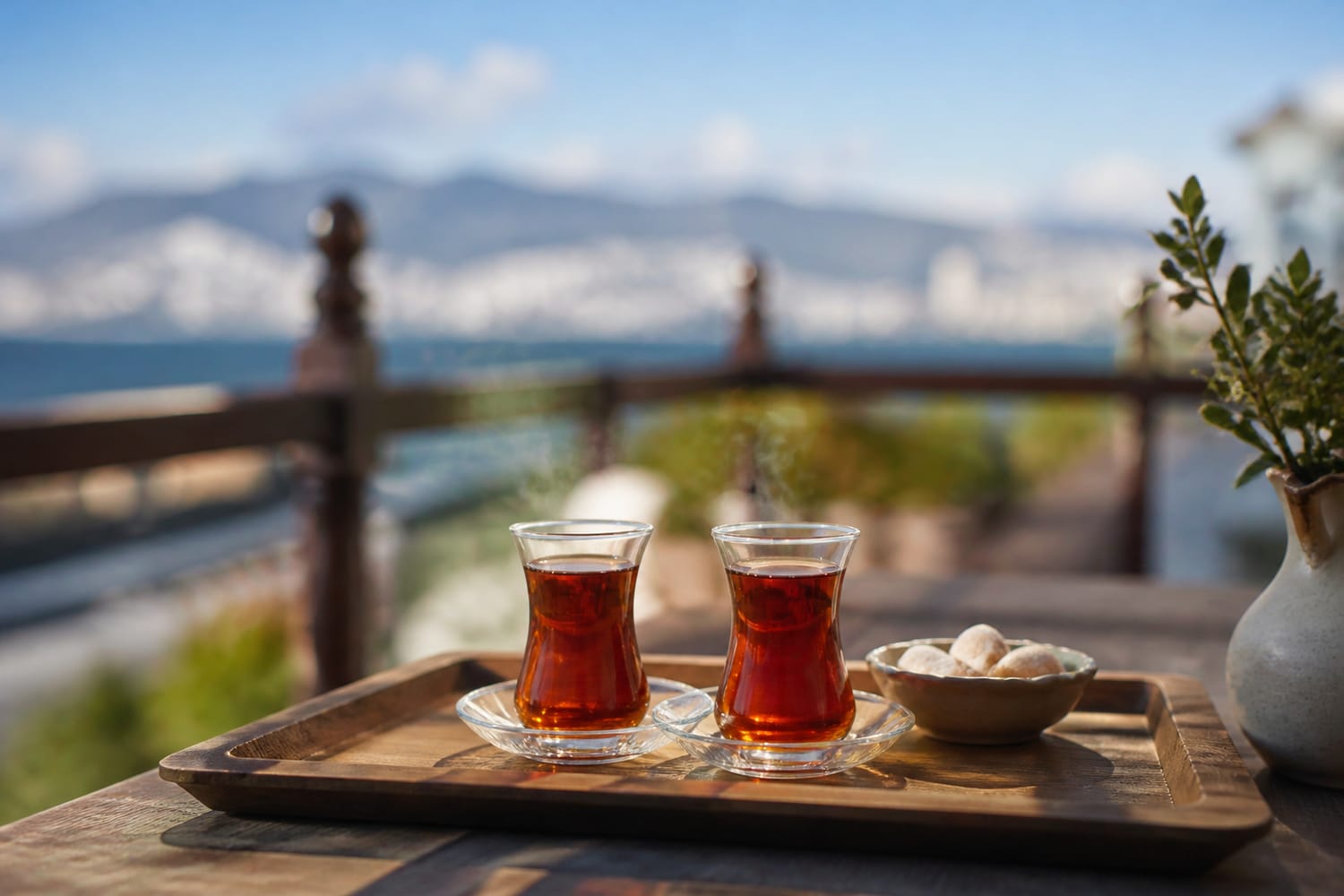
Tea often changes the pace of a gathering. Leaves steep, cups are poured, and there is time to ask another question. In a tea house, those small actions give a visit a shape; at a host’s table, they can make a guest feel welcome.
There is no single worldwide tea-house tradition. The room, the preparation, and the customs vary from place to place. Across Azerbaijan and Türkiye, for example, tea culture is closely tied to hospitality and maintaining social relationships. UNESCO’s account of çay culture describes freshly brewed tea served in distinctive pear-shaped cups, sometimes with sweets or other accompaniments.
Those details matter because they turn a drink into an invitation. Offering a cup gives people a way to begin talking, welcome a newcomer, or stretch out a visit. For more variations, Tour Trivia’s look at tea traditions around the world follows the drink from ceremonial settings to everyday breaks.
What Makes a Place Feel Like Ours?
Cafés, plazas, and tea houses differ in an important respect: some are businesses, while plazas are public spaces. Buying a drink can be an easy way to take part, but not everyone can afford to do so often. A welcoming city needs places where people can spend time without spending money, too.
Comfort matters just as much as an invitation. A seat, an easy entrance, and the freedom to stay without feeling in the way can make a space usable for more people. So can choices: room for conversation, but also room to rest quietly. A shared living room works best when people can participate in more than one way.
Familiarity grows through repetition. You recognize someone from yesterday; they recognize you. A café worker remembers a regular, or neighbors choose the same plaza bench after work. None of these encounters has to be dramatic. Together, they make a place feel less anonymous.
How to Visit Without Taking Over
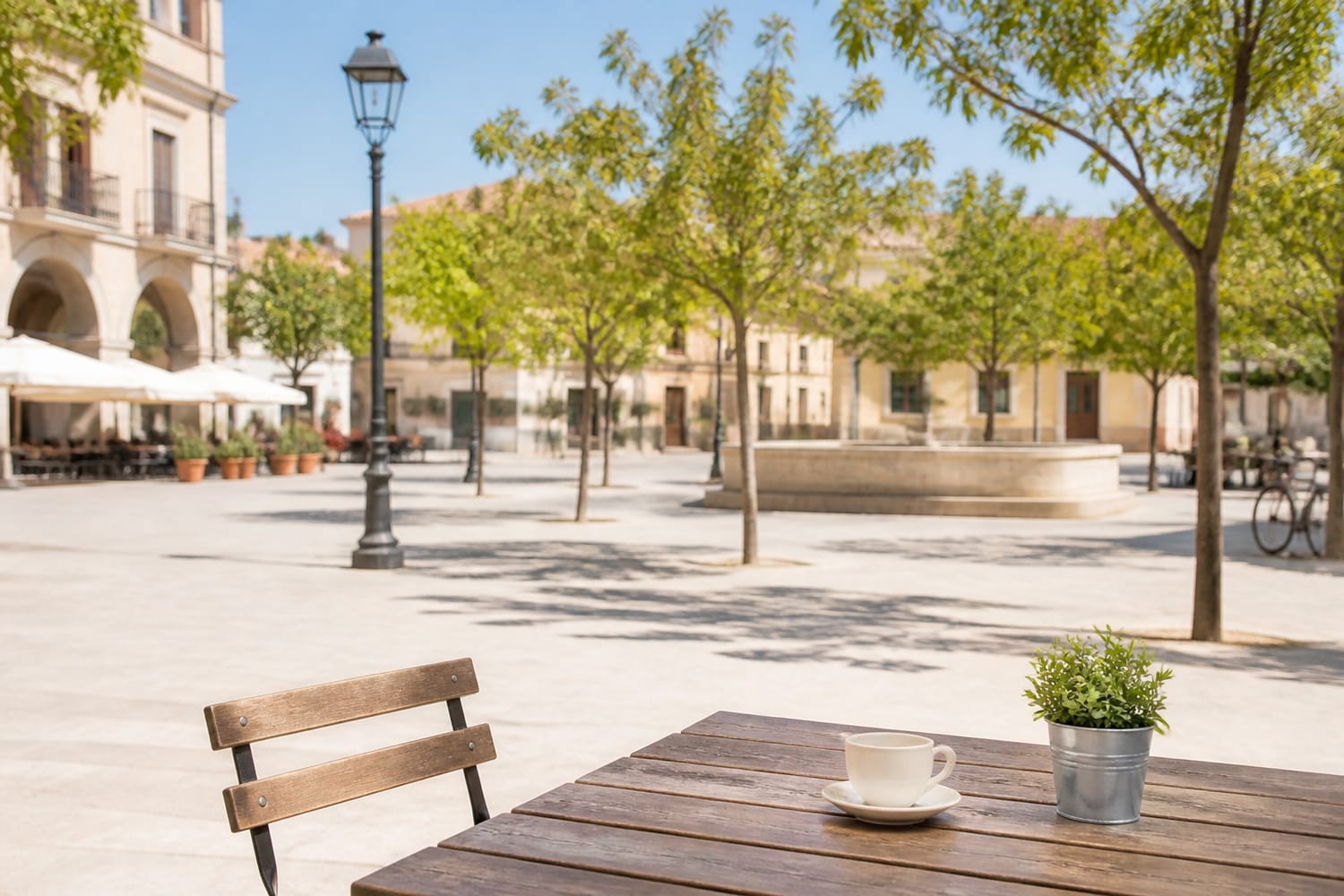
For travelers, these spaces offer a way to encounter daily life without turning it into a performance. Pick a café or tea house beyond the busiest sightseeing street. Look for a plaza people use on an ordinary day, not only one famous for its architecture. Then allow enough time to settle in.
Take your cues from the setting. Notice whether people order at a counter, whether seats are shared, and whether a quiet room calls for a quiet voice. If you are unsure about a custom, asking politely is better than assuming. Hospitality has many forms, and Tour Trivia’s exploration of hospitality rituals around the world is a reminder that even a simple offer can carry meaning.
Most of all, leave space for the people whose daily lives give these places their character. A plaza is not a backdrop arranged for a visitor, and a tea house is not an exhibit. Enjoy them as shared places, with the same courtesy you would hope for in your own neighborhood.
The Memory That Comes Home
Years later, you may forget the precise name of a square or what you ordered at a café. You may remember the evening light on the tables, a conversation continuing over another pot of tea, or the pleasure of having nowhere else to be.
That is the quiet power of the world’s living rooms. They give people somewhere to gather, somewhere to pause, and sometimes somewhere to feel at home—even far from it.