
The Check Is Never Just About Money
Splitting a restaurant bill can feel rude because paying is often a social gesture, not merely a financial transaction. Depending on the culture, covering a meal may express hospitality, affection, seniority, gratitude, or a desire to continue the relationship. Dividing the total too precisely can unintentionally replace that warmth with an air of calculation.
For travelers, the difficult part is that every approach can appear polite somewhere. Paying only for what you ordered may demonstrate fairness in one country but emotional distance in another. Insisting on treating everyone might seem generous—or controlling. The hidden question is rarely “Who owes what?” It is “What does paying mean here?”
Why Fairness Has Different Meanings
Many people assume the fairest solution is mathematical: total the meal, divide the amount, and settle every share. Yet cultures do not define fairness in identical ways.
In individual-focused settings, fairness may mean that nobody owes anyone else. Each diner pays for their own food, preserving independence and preventing resentment. This is particularly useful when one person orders a salad and another chooses an expensive steak and several cocktails.
In relationship-focused settings, fairness may unfold over time. One friend buys dinner tonight, another hosts next week, and nobody keeps an exact ledger. Generosity circulates through the group instead of being balanced at the end of every meal.
Neither system is inherently more considerate. One values immediate equality; the other values long-term reciprocity. Trouble begins when diners apply one definition of fairness to people using the other.
When the Host Is Expected to Pay

Across many societies, the person who issues an invitation is understood to be the host. Saying “I’d like to take you to dinner” generally implies more financial responsibility than casually suggesting, “Shall we get something to eat?”
Traditional etiquette in Britain also follows this distinction. According to Debrett’s guidance on restaurant etiquette, an inviter should generally pick up the tab, while splitting can be appropriate for larger social gatherings.
This principle becomes especially important at birthday meals, celebrations, business dinners, and formal invitations. If a host selected the restaurant, ordered shared dishes, or repeatedly described someone as a guest, suddenly requesting equal payment may feel like changing the agreement after the meal.
The custom connects with broader hospitality rituals around the world. Feeding someone can communicate care, abundance, and welcome. Paying for the food completes that gesture.
Paying Can Signal Respect and Status
In some cultures, reaching for the bill is a public expression of responsibility. Parents pay for children, elders treat younger relatives, managers host employees, and established friends welcome newcomers. Accepting the meal can be a way of honoring that relationship rather than taking advantage of it.
Traditional Chinese group dining offers a clear example. The meal often reinforces family ties, friendship, business connections, or guanxi—networks of mutual relationships and obligations. A host may therefore view paying as part of the occasion.
Guidance on who pays in Chinese dining culture notes that asking for an individual check at a hosted group meal can be interpreted as rejecting the host’s hospitality. Practices are changing among younger diners and in casual situations, but travelers should not assume that separate checks are always neutral.
This also explains the dramatic-looking struggle over a bill sometimes seen in China and elsewhere. The argument may be partly ritualized. Each person demonstrates generosity by insisting, even though everyone understands that only one can ultimately pay.
Where Separate Payment Feels Completely Normal
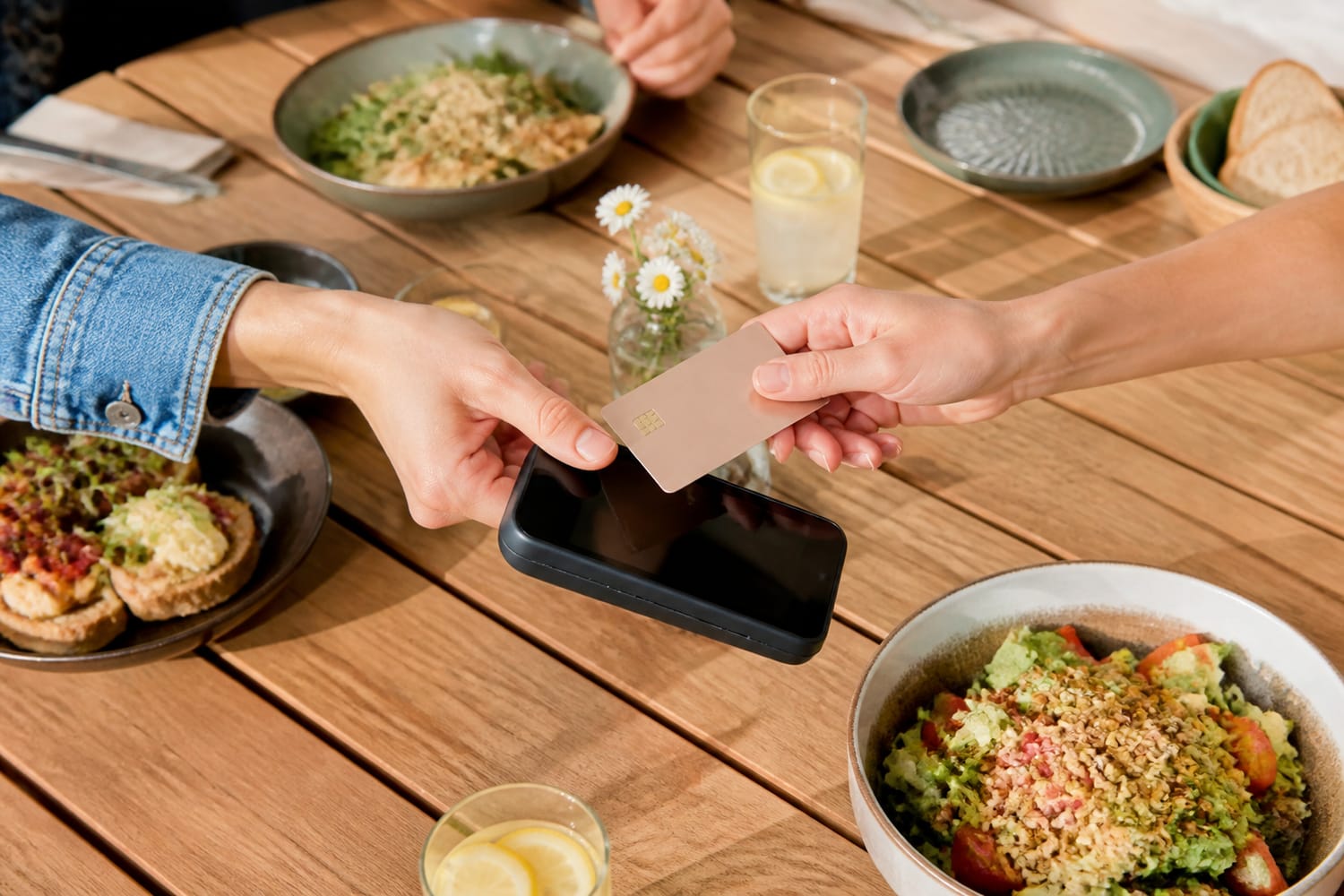
Elsewhere, splitting the bill carries little emotional weight. It is simply efficient.
In Germany, for example, restaurant diners commonly pay separately unless someone has already offered to cover the meal. A server may ask whether the table is paying together or individually and then calculate each person’s order. Expatica’s overview of German social etiquette describes divided payment as standard restaurant practice.
Similar habits appear in many casual meals across Northern Europe, the Netherlands, North America, and Australia, although customs vary by age, relationship, and occasion. Among friends or coworkers, separate payment may protect everyone’s budget and remove any sense of obligation.
Even in cultures comfortable with splitting, however, there are several different methods:
- Separate checks: Each diner pays for exactly what they ordered.
- Equal division: The total is divided by the number of diners.
- One payer with reimbursement: One person uses a card, and everyone transfers their share afterward.
- Rotating turns: One person pays now, and someone else covers the next outing.
- Host and guest: The inviter intentionally pays the entire bill.
The method matters. An equal split can still feel unfair when orders differ significantly.
The Role of Tipping and Service Charges
The awkwardness does not end with the food total. Taxes, cover charges, and tips create another layer of cultural uncertainty.
In the United States, diners usually need to account for a tip when dividing a restaurant bill. Someone who calculates only the menu price may leave another guest covering more than their share of the gratuity. If the group’s orders vary widely, dividing tax and tip proportionally is generally more equitable.
Japan presents a very different system. The Japan National Tourism Organization’s tipping guidance explains that tipping is not customary in restaurants, cafés, taxis, or hotels. Diners normally pay the displayed amount, although certain restaurants may have table or service charges.
Travelers should therefore inspect the bill before automatically adding a percentage. In some destinations, service is already included; in others, gratuity is expected. Paying “the way we do at home” can result in either underpaying or leaving unnecessary money.
Why Exact Calculations Can Change the Mood
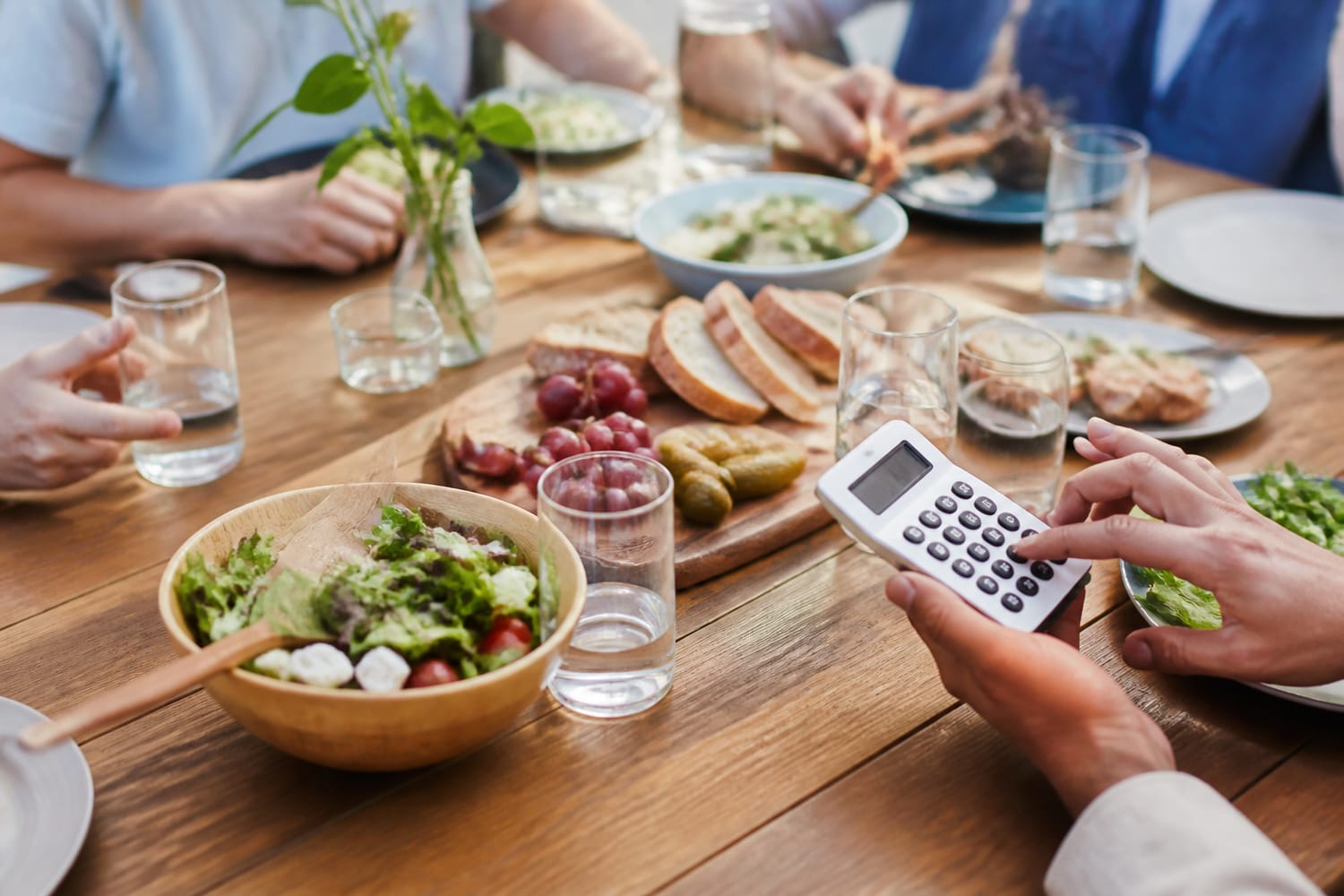
Imagine that friends have spent two hours sharing plates, stories, and drinks. Then someone opens a calculator and starts assigning fractions of appetizers to individual diners. The arithmetic may be flawless, but the atmosphere changes from communal to transactional.
That does not mean precision is always rude. Exact splitting is sensible when budgets are tight, orders are unequal, or the group has agreed to it. The discomfort usually comes from introducing precision unexpectedly.
Food is deeply connected to belonging, as seen in dining traditions from around the globe. When dishes are shared communally, identifying who “owns” each mouthful can feel especially unnatural. A culture that sees the meal as a collective experience may also expect payment to be handled collectively.
How Travelers Can Handle the Bill Gracefully
The safest approach is to clarify expectations without turning dinner into a negotiation. If you are organizing a group meal, mention payment arrangements before ordering. Simple wording such as “Shall we each pay for our own?” gives everyone time to decide whether the restaurant fits their budget.
When dining abroad, use this practical checklist:
- Notice who issued the invitation and how it was phrased.
- Watch what local diners do when the bill arrives.
- Let an insistent host pay after one or two sincere offers.
- Offer to return the hospitality another time.
- Ask the restaurant early whether separate payments are possible.
- Check for service charges before adding a tip.
- Avoid criticizing a custom simply because it differs from your own.
Most importantly, remember that national customs are starting points, not rigid laws. Families, generations, cities, and social groups develop their own habits.
Read the Relationship Before the Receipt
The politest payment method is not always the most mathematically exact one. It is the method that respects the relationship, the invitation, and the local meaning of hospitality.
When uncertain, observe first and ask gently. A little cultural awareness can prevent a generous offer from becoming an argument—or a fair split from sounding like a rejection. The bill may close the meal, but the way it is handled can shape how everyone remembers it.