
A Landmark by Any Other Name
A famous landmark can have an official name, an older name, and a nickname that travelers use more often than either. Each tells a different part of its story. Some honor the people who built it; others describe its appearance or preserve a name that predates modern maps. These ten landmarks show how much history can fit into a few words.
The Colosseum and the Flavian Amphitheatre
Rome’s Colosseum was built under emperors of the Flavian dynasty, which explains its other name: the Flavian Amphitheatre. “Colosseum,” however, did not originally describe the arena’s enormous size. According to the archaeological park that manages the site, the familiar name came from a colossal statue that once stood nearby.
That distinction makes for a good trivia question: the name most people know points to a vanished neighbor, while the older one points to the family behind the building.
The Eiffel Tower and the Iron Lady
Before Paris’s most recognizable landmark became the Eiffel Tower, the project was called the “300-Meter Iron Tower.” Its association with Gustave Eiffel gave it the name on today’s maps. Its affectionate nickname, La Dame de Fer—the Iron Lady—came later.
The Eiffel Tower’s account of its nicknames traces how an engineering project acquired a personality. Look at its latticework and curved arches, and it is easy to see why a nickname stuck where a measurement did not.
The Statue of Liberty and Liberty Enlightening the World
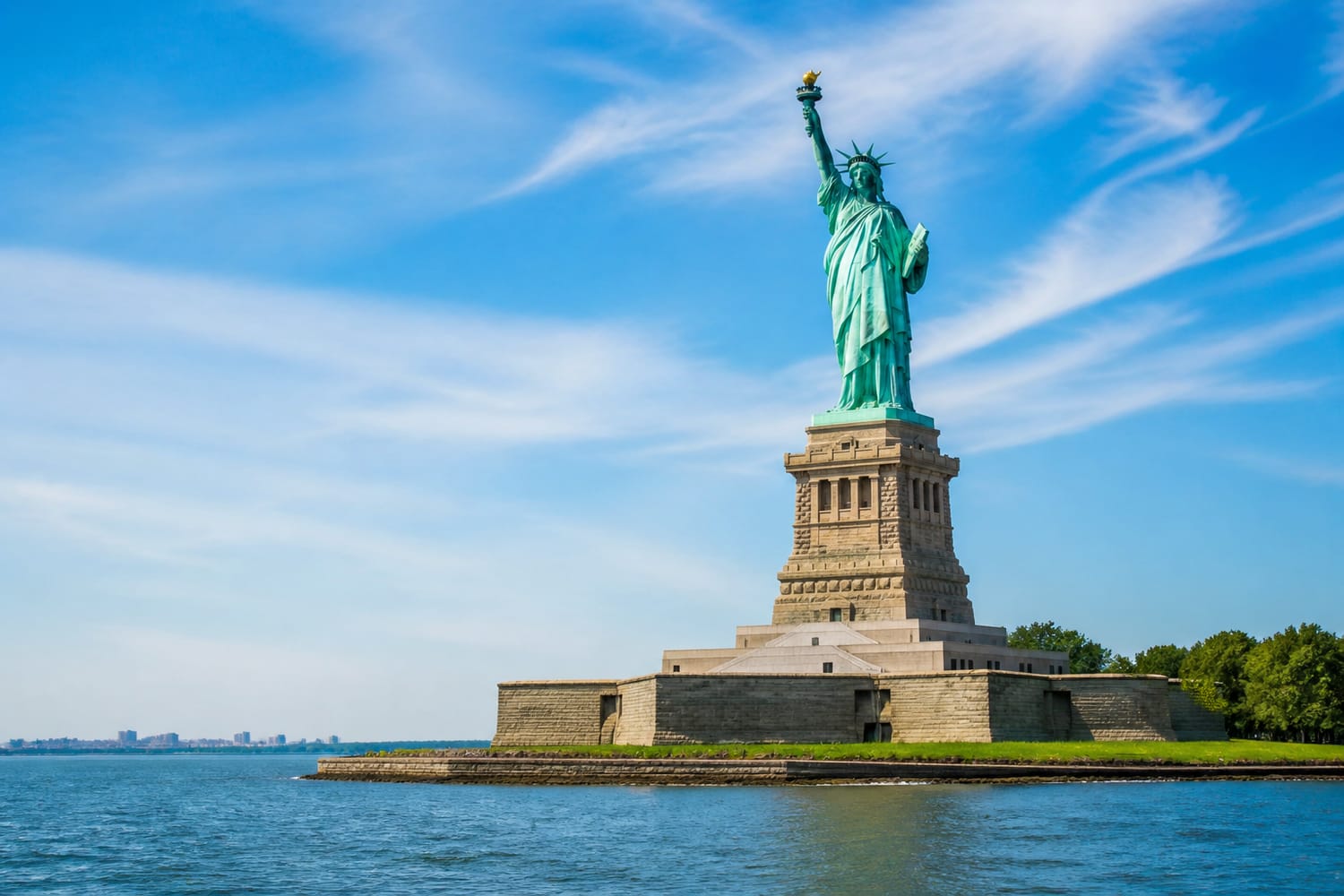
“Statue of Liberty” is wonderfully concise, but sculptor Frédéric Auguste Bartholdi gave his work a fuller title: La Liberté éclairant le monde, or “Liberty Enlightening the World.” The raised torch makes the meaning visible. Liberty is not simply standing in New York Harbor; she is lighting the way.
Dedicated in 1886, the statue was conceived as a gift from France to the United States. Its formal title emphasizes the idea it was built to represent, while “Statue of Liberty” is the name everyday speech made famous.
Mount Everest, Sagarmatha, and Chomolungma
The world’s highest mountain is widely called Everest, after British surveyor George Everest. Across the region, other names tell a different story: Sagarmatha is used in Nepal, while Chomolungma is a Tibetan name.
The mountain was identified in colonial surveying records as “Peak XV” before the name Everest was adopted in 1865. Remembering its regional names does more than expand a traveler’s vocabulary. It is a reminder that a peak can be familiar to communities long before it receives a name on an international map.
Uluṟu and Ayers Rock
Uluṟu had its name long before Europeans arrived in Australia. In 1873, explorer William Gosse named the sandstone landmark Ayers Rock after South Australian official Sir Henry Ayers. The two names were formally paired in 1993, then reversed in order in 2002: the official dual name is now Uluṟu / Ayers Rock.
Within the national park, the original name is preferred. That small choice acknowledges the place’s much longer relationship with Aṉangu, its Traditional Owners. Parks Australia explains the history of Uluṟu’s dual name for visitors curious about both versions.
Aoraki and Mount Cook
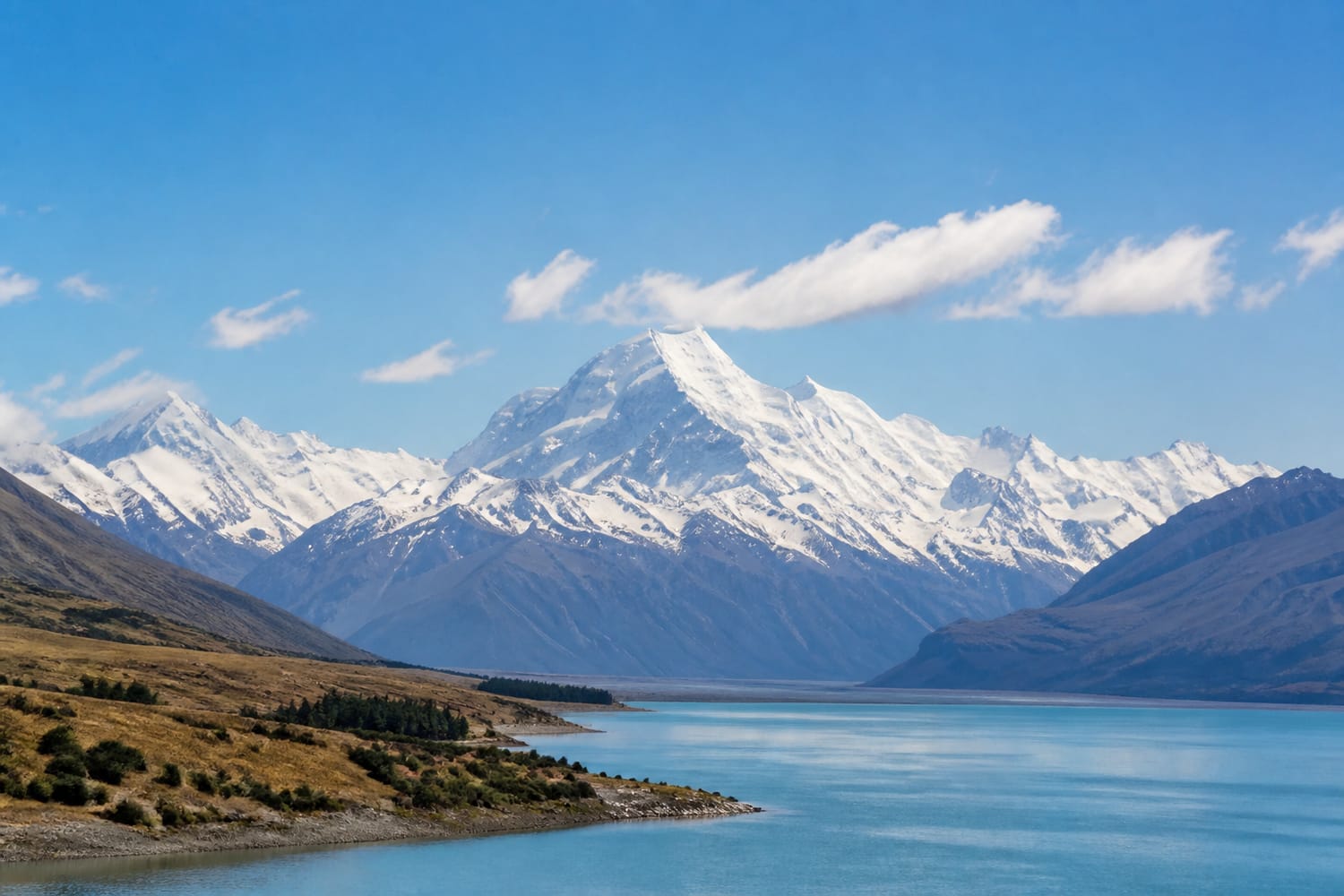
New Zealand’s highest mountain also carries two histories in one official name: Aoraki/Mount Cook. Aoraki is an ancestral figure in Ngāi Tahu tradition, and the mountain holds deep cultural significance for the iwi. Mount Cook is the European name, given in honor of navigator James Cook.
Both names were officially recognized in 1998. Rather than treating one as a quaint alternative to the other, the dual name asks visitors to notice that the mountain belongs to a landscape with stories older than European exploration.
Burj Dubai and Burj Khalifa
For years, Dubai’s rising skyscraper was known as Burj Dubai. At its inauguration on January 4, 2010, its new name was revealed: Burj Khalifa, honoring Sheikh Khalifa bin Zayed Al Nahyan.
Unlike a nickname that gradually catches on, this change happened in a moment. Signs, maps, and businesses bearing the old name suddenly needed updating. It is a rare landmark whose naming story can be pinned to its opening night.
The Forbidden City and the Palace Museum
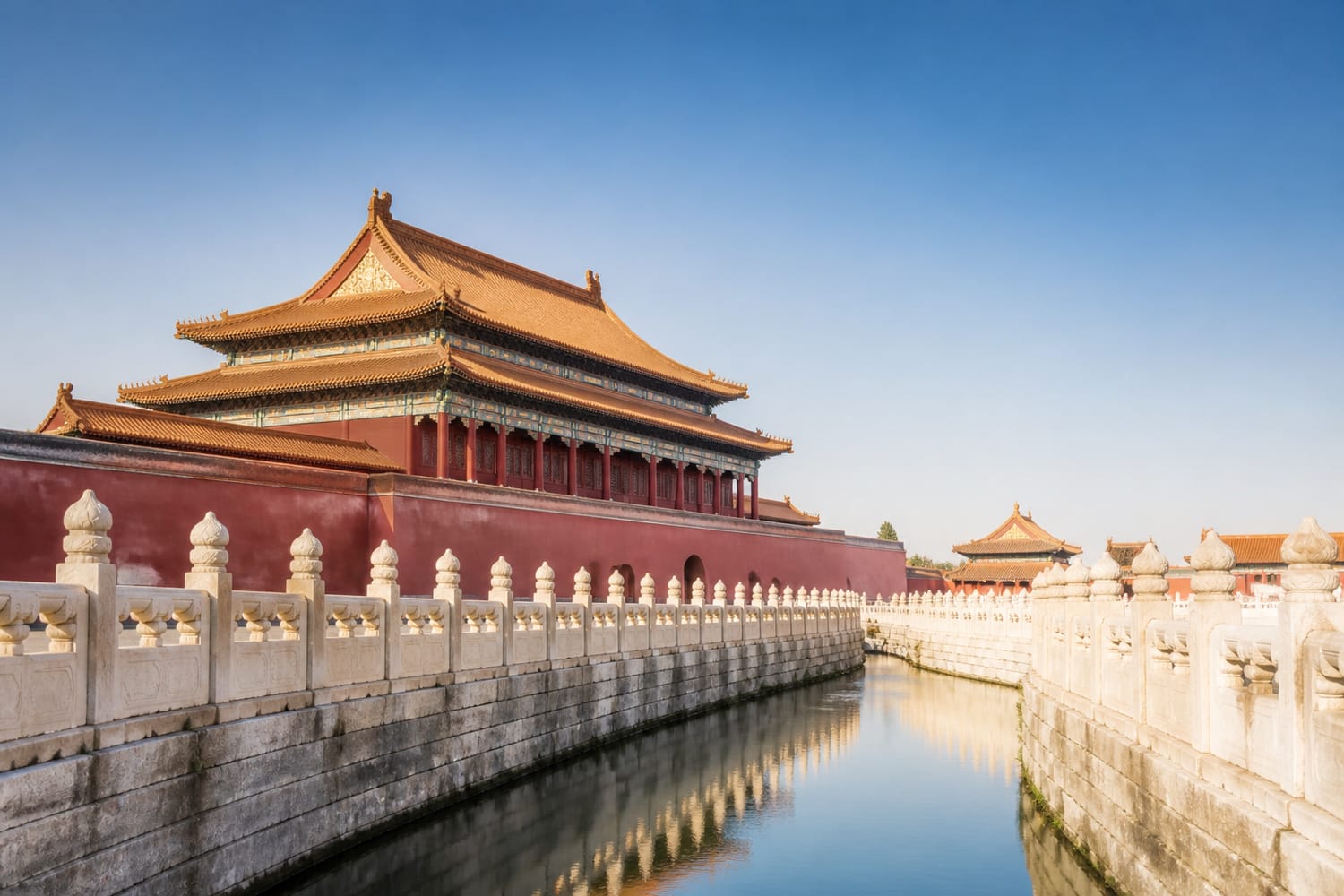
In Beijing, “Forbidden City” recalls an imperial palace once off-limits to ordinary people without permission. “Palace Museum” describes its later life as a public institution, established in 1925 within the former palace complex.
The names are related, but not quite interchangeable: the Forbidden City is the historic architectural complex, while the Palace Museum is the institution based there and its collections. As with other landmarks, the difference between the names marks a change in who could enter and what the place was for.
Hagia Sophia and Ayasofya
In Istanbul, Hagia Sophia and Ayasofya are names encountered in different languages for the same monumental building. Its name refers to divine wisdom, not to a person called Sophia.
Built as a Byzantine church, the building later served as an Ottoman mosque, then a museum, and is once again a mosque. Through those changes, its name has remained recognizable. Say either version while looking up at its great dome, and you are naming a place shaped by centuries of history.
Petra and the Rose-Red City
Petra’s second name is a description rather than a formal renaming. The Rose-Red City takes its nickname from the colored sandstone into which many of its structures were carved. The stone gives the ancient Nabataean city a distinctive appearance, especially when light shifts across its façades.
Petra is also far more than its best-known building, Al-Khazneh, or “The Treasury.” Its tombs, streets, and rock-cut monuments tell the story of a whole city. For more on what lies beyond that famous façade, explore Tour Trivia’s ancient cities rediscovered centuries later.
What’s in a Name?
A name can record a dynasty, honor an ancestor, describe a color, or reveal who once controlled a place. The next time a landmark appears on an itinerary, try looking up its other names before you go. You may discover that the shortest story about it is written right on the map.