
When a Birthday Becomes a Milestone
A birthday marks another year lived. A coming-of-age tradition does something more: it gives family, friends, or a wider community a way to recognize a young person’s changing place in the world. The milestone might arrive at 13, 15, 18, or with the onset of puberty. It might involve dancing, prayer, new responsibilities, or all three.
There is no single moment when everyone becomes an adult. These six traditions show how differently communities answer that question—and how often the answer includes the people who helped someone grow up.
Quinceañeras: A Fifteenth Birthday Shared With Family
Across Mexico, much of Latin America, and Latino communities elsewhere, a quinceañera marks a young person’s fifteenth birthday, traditionally a girl’s. A celebration might include a formal outfit, a dance, a meal, and relatives who have helped plan and pay for the occasion. Some families include a Catholic service; others focus on the gathering itself. There is no one required script.
The scale can be striking, but the guest list tells an equally important story. Parents, godparents, grandparents, and friends may all play a part in welcoming the celebrant into a new stage of life. For families living far from their ancestral home, a quinceañera can also be a way to celebrate a young person’s connection to that heritage. The Smithsonian’s account of quince años celebrations in the United States captures both the festive and personal sides of the tradition.
Bar and Bat Mitzvah: A New Religious Responsibility
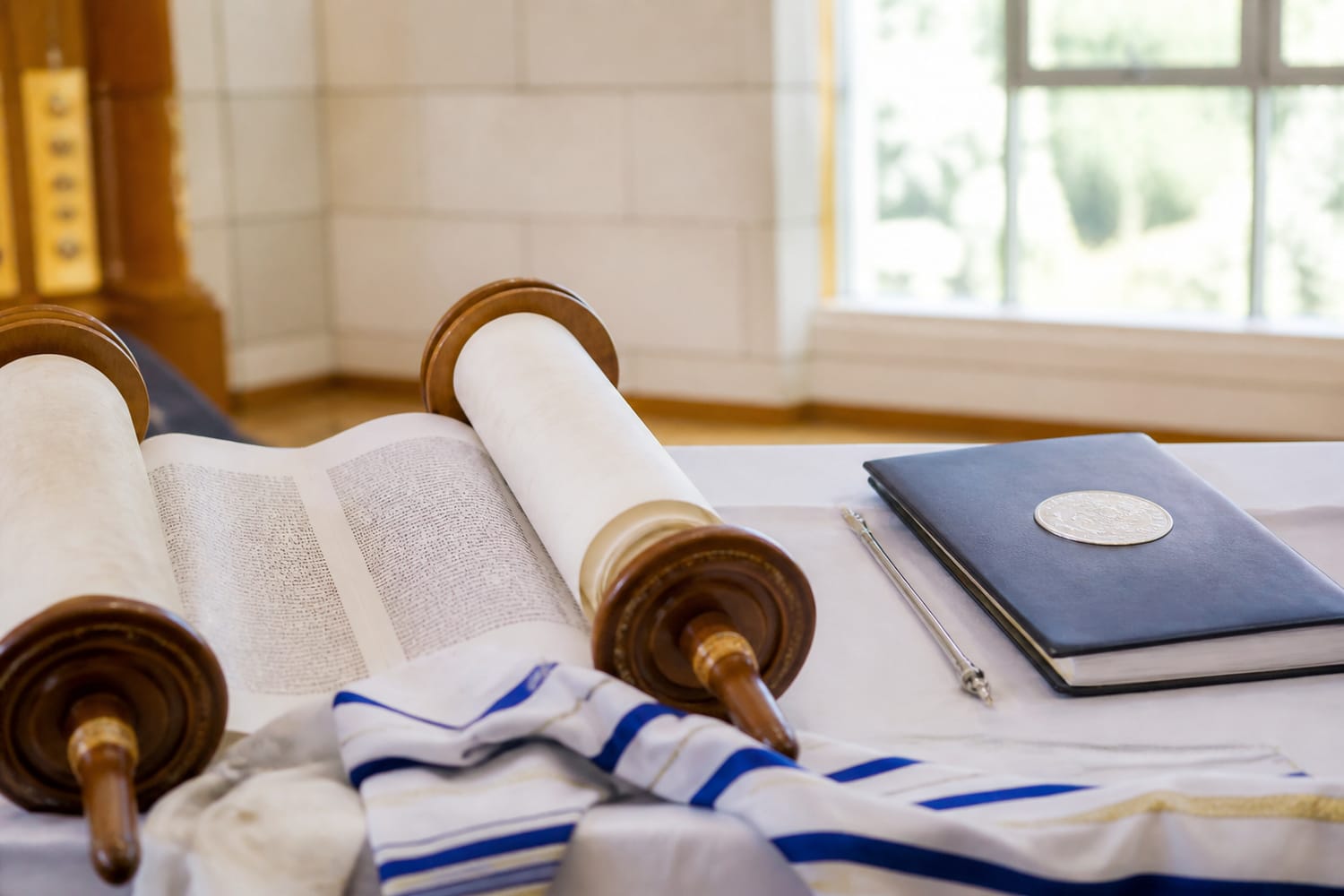
In Jewish communities, becoming bar mitzvah or bat mitzvah is about more than reaching a birthday. The terms describe a young person who has reached an age of religious responsibility. Traditionally, that age was 13 for boys and 12 for girls; many non-Orthodox congregations today celebrate children at 13. Practices and terminology vary among communities.
A ceremony may give the young person a role in a synagogue service, followed by a gathering with family and friends. Preparation matters here: learning, participating, and reflecting on Jewish obligations are part of what makes the day meaningful. The Union for Reform Judaism’s explanation of b’nai mitzvah is a useful reminder that the celebration recognizes a change in religious status; it does not create that status.
Japan’s Coming-of-Age Ceremonies: A Community Welcome
Japan’s Seijin no Hi, or Coming of Age Day, is observed on the second Monday in January. Local governments hold ceremonies at which young people may hear speeches, meet former classmates, and dress for an occasion that stands apart from an ordinary birthday. The day makes a personal milestone visible to the wider community.
There is an important distinction between legal adulthood and ceremonial tradition. Japan lowered its legal age of adulthood from 20 to 18 on April 1, 2022. Yet some municipalities continue to invite people turning 20 to their coming-of-age ceremonies. In other words, seeing 20-year-olds celebrate is not a sign that the law never changed. Japan’s Ministry of Justice explains the legal change, while local ceremony policies show how traditions can follow a different timetable.
The Filipino Debut: Eighteen People, Eighteen Messages
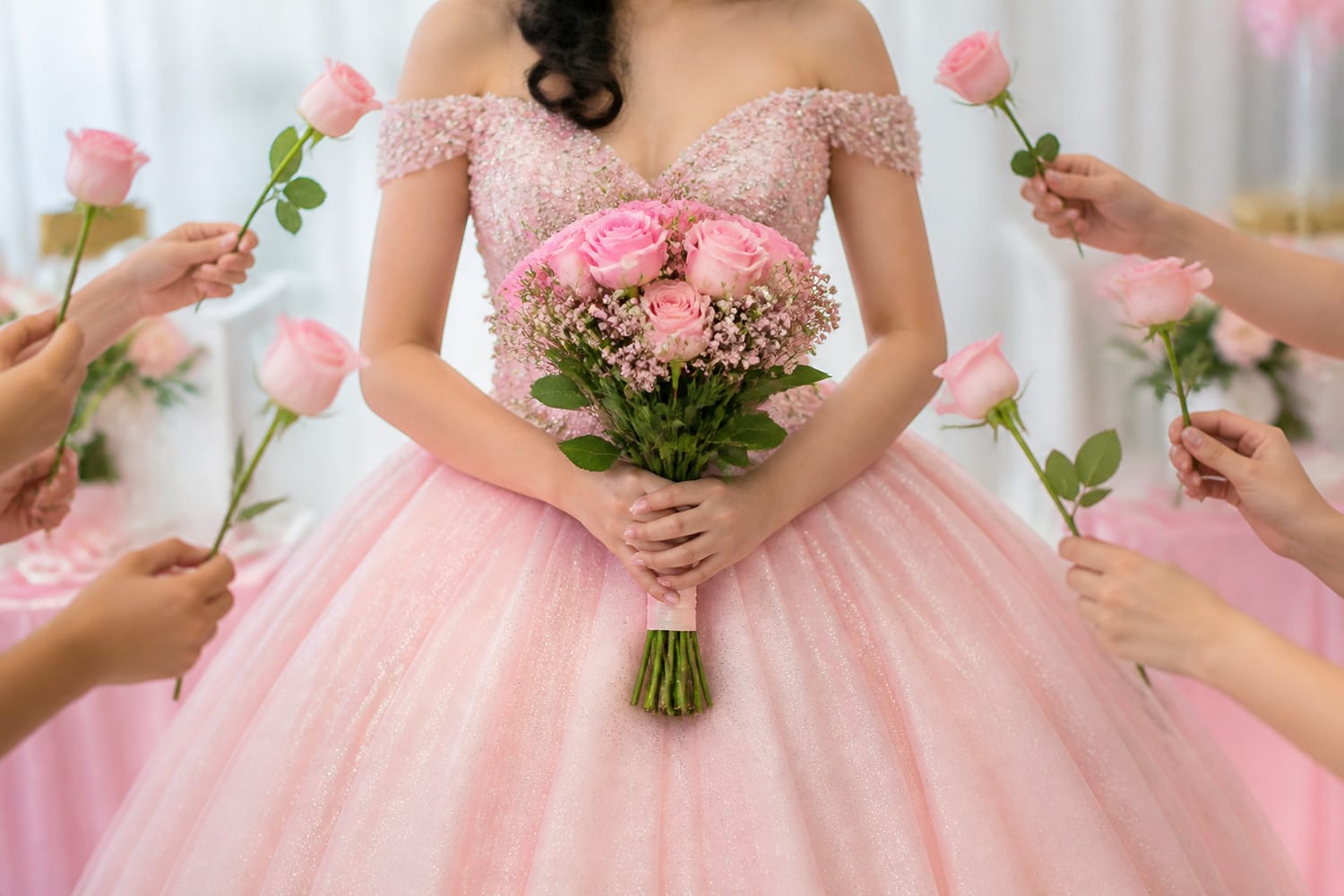
For some Filipina families, an eighteenth birthday becomes a debut. Its program often returns to the number 18: in an “18 roses” segment, chosen relatives or friends present flowers and dance with the celebrant; in “18 candles,” others offer messages and good wishes. Families may adapt these elements or choose a smaller celebration.
What makes the format memorable is the time it gives other people to speak. A rose or candle is a symbol, but a dance with a relative or a friend’s story brings a relationship into the room. The celebrant is at the center of the event without having to make the journey into adulthood alone.
The Diné Kinaaldá: Growth Beyond the Calendar
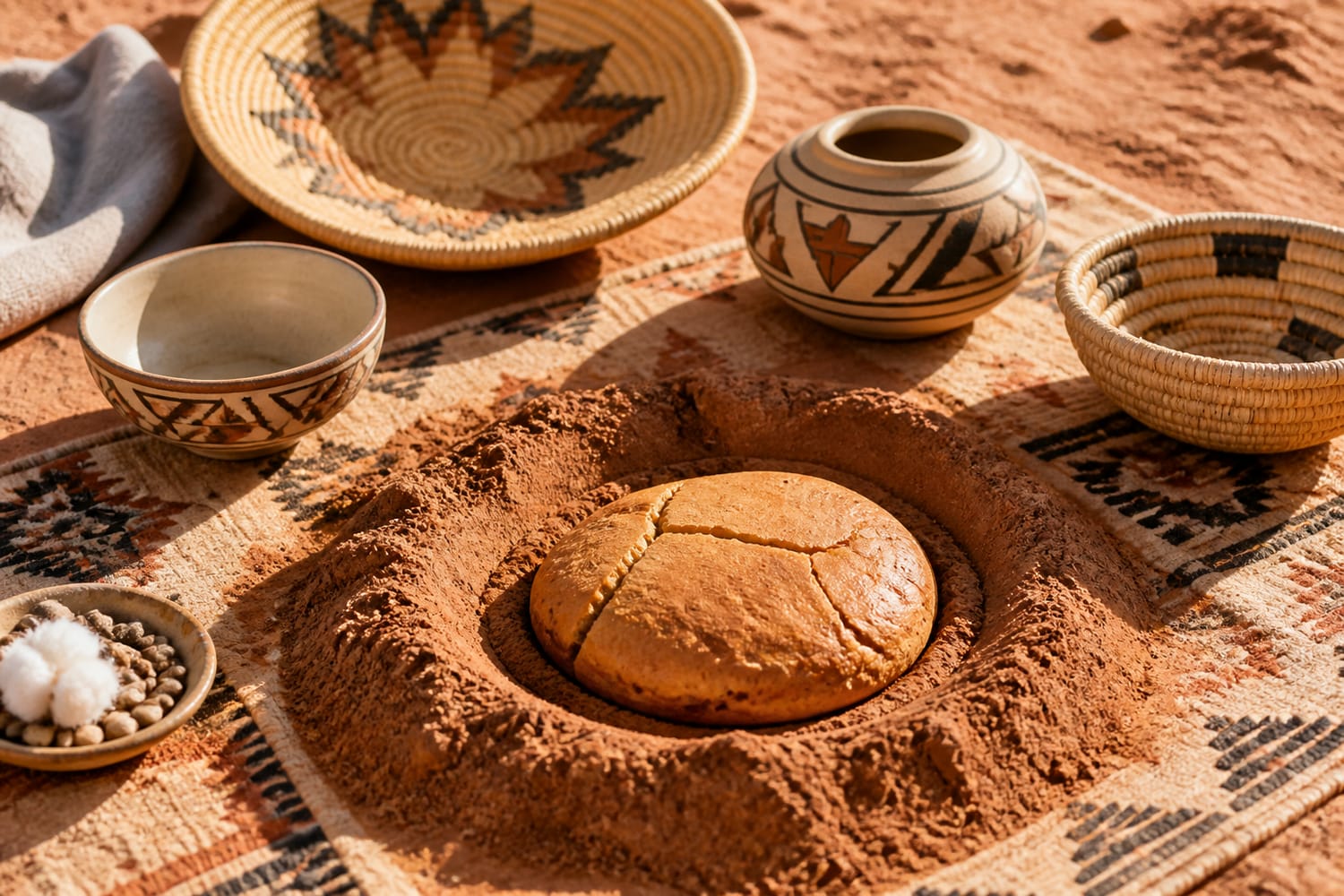
Not every coming-of-age tradition is tied to a numbered birthday. Among the Diné, or Navajo, the Kinaaldá is a ceremony associated with a girl’s first menstruation. It draws on teachings connected to Changing Woman and involves family and community. A Smithsonian collection record documents a family at a Kinaaldá sharing a cornmeal cake baked in the ground.
This is a living ceremony with meaning beyond the few details an outsider might see or read about. It is best understood through Diné voices, not treated as a spectacle or a set of activities to copy. Its place in this comparison also makes a useful point: communities may recognize maturity through a change in someone’s life rather than a date on a calendar.
Dipo: Learning and Recognition in Ghana
Among the Krobo of Ghana, Dipo is a rite associated with girls’ transition toward womanhood. Research from the University of Ghana describes instruction from older women alongside symbolic acts and communal celebration. It also notes that the rite has changed over time: girls may now participate before puberty, rather than at the age with which the tradition was historically associated.
That evolution is worth noticing. Traditions are not frozen snapshots of the past; families and communities practice them in changing circumstances. Recent research also raises questions about the expectations placed on girls after initiation, including pressure related to marriage and education. Recognizing Dipo’s cultural significance need not mean overlooking those concerns.
What These Traditions Have in Common
The clothes, ages, and ceremonies differ, but a thread connects these milestones: other people bear witness. They dance, teach, offer blessings, share food, or ask the young person to take on a new responsibility. Coming of age is personal, yet these traditions make room for a community to say, “We see how you’ve grown.”
For a traveler, curiosity works best with care. An invitation to a private celebration is not an invitation to photograph every moment, and a sacred ceremony is not a tourist performance. Ask your host what is appropriate, follow their lead, and remember that no single family represents an entire culture. That same attention to context can illuminate everyday customs, too—from the different meanings people give to age and respect to why some birthdays are never celebrated early.