
One Plate, Two Opposite Messages
Finishing every bite can be a compliment—or a suggestion that your host failed to feed you enough. In some cultures, a spotless plate expresses gratitude and respect for food. Elsewhere, leaving a small amount signals satisfaction and abundance. The safest rule for travelers is simple: observe the table before deciding what your empty plate will say.
Table manners often feel universal because we learn them so early. Yet the instruction to “clean your plate” is not a worldwide standard. The meaning changes with the country, household, occasion, generation, and whether the food was served individually or shared.
That is what makes dining etiquette so fascinating. A plate is not merely a dish; it can become a silent message between guest and host.
Why Finishing Food Often Shows Respect
In many households, eating everything served to you suggests that the meal was delicious. It also recognizes the time, money, ingredients, and labor involved in preparing it.
A clean plate may be especially appreciated when portions are modest or carefully composed. Leaving half of a thoughtfully prepared dish can appear wasteful, even when no insult was intended.
Japan offers a useful example. The Japan National Tourism Organization’s dining guidance notes that leftovers are generally frowned upon and encourages visitors to appreciate the meal they receive. Traditional phrases reinforce that attitude: itadakimasu is said before eating, while gochisosama desu expresses thanks afterward.
This does not mean anyone should eat past the point of comfort. It means diners can show consideration by ordering carefully, accepting manageable portions, and avoiding unnecessary waste.
When an Empty Plate Asks for More
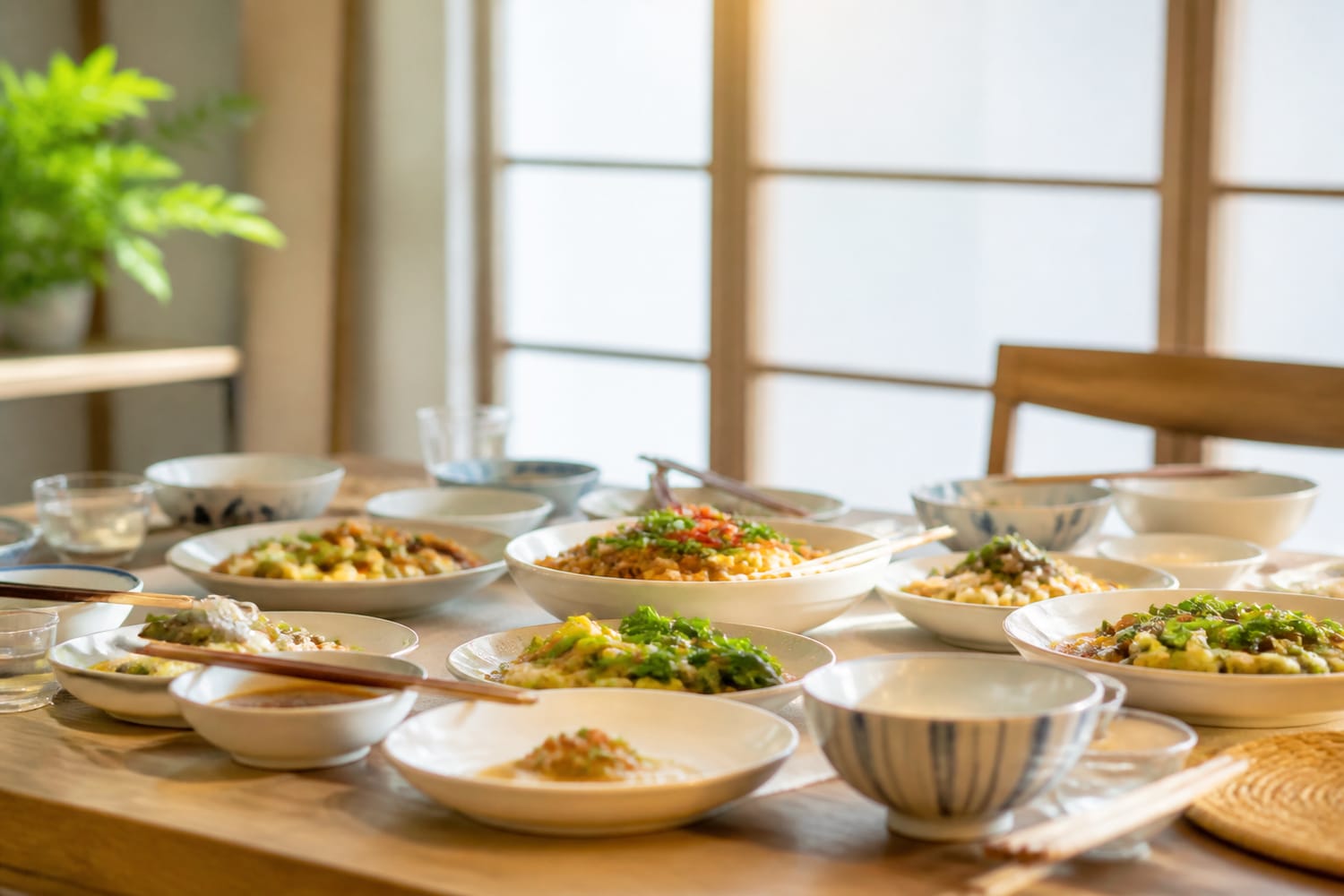
In some hospitality traditions, the host’s responsibility is to provide more than the guest could possibly need. Abundance proves that the household is generous and the visitor has been properly welcomed.
Under that system, an empty plate may carry an unintended message: “I am still hungry.” The host may respond by adding another spoonful before the guest has time to object.
Traditional Chinese dining etiquette is frequently associated with this custom. At certain home meals and formal banquets, leaving a small amount can indicate that the host provided generously. The situation is more complicated today, however. China is enormous, customs differ, and modern campaigns against food waste have made finishing reasonable portions increasingly positive.
The context also matters. Clearing a personal bowl at an ordinary lunch may attract no attention, while taking the final morsel from a communal banquet dish can carry a different social meaning.
For travelers, the lesson is not “always leave food in China.” It is to recognize the hospitality ritual behind the overflowing table.
The Similar Signal Found in Malaysia
In some Malaysian settings, leaving a little food can likewise show that the meal was filling and satisfying. A completely empty plate may prompt a host to offer another serving, especially during a home visit or traditional gathering.
Malaysia’s population includes numerous ethnic, religious, and regional communities, so no single rule describes every table. A meal in a Kuala Lumpur restaurant may be far less ceremonial than dinner with someone’s extended family.
The serving style provides an important clue. When a host repeatedly fills your plate, a small remainder can help communicate fullness. If you serve yourself, taking only what you expect to finish may be the more considerate choice.
This connects with the broader tradition of offering guests food again and again. What feels like pressure to an outsider may be a familiar language of affection and generosity.
Why the Rule Changes Within a Country
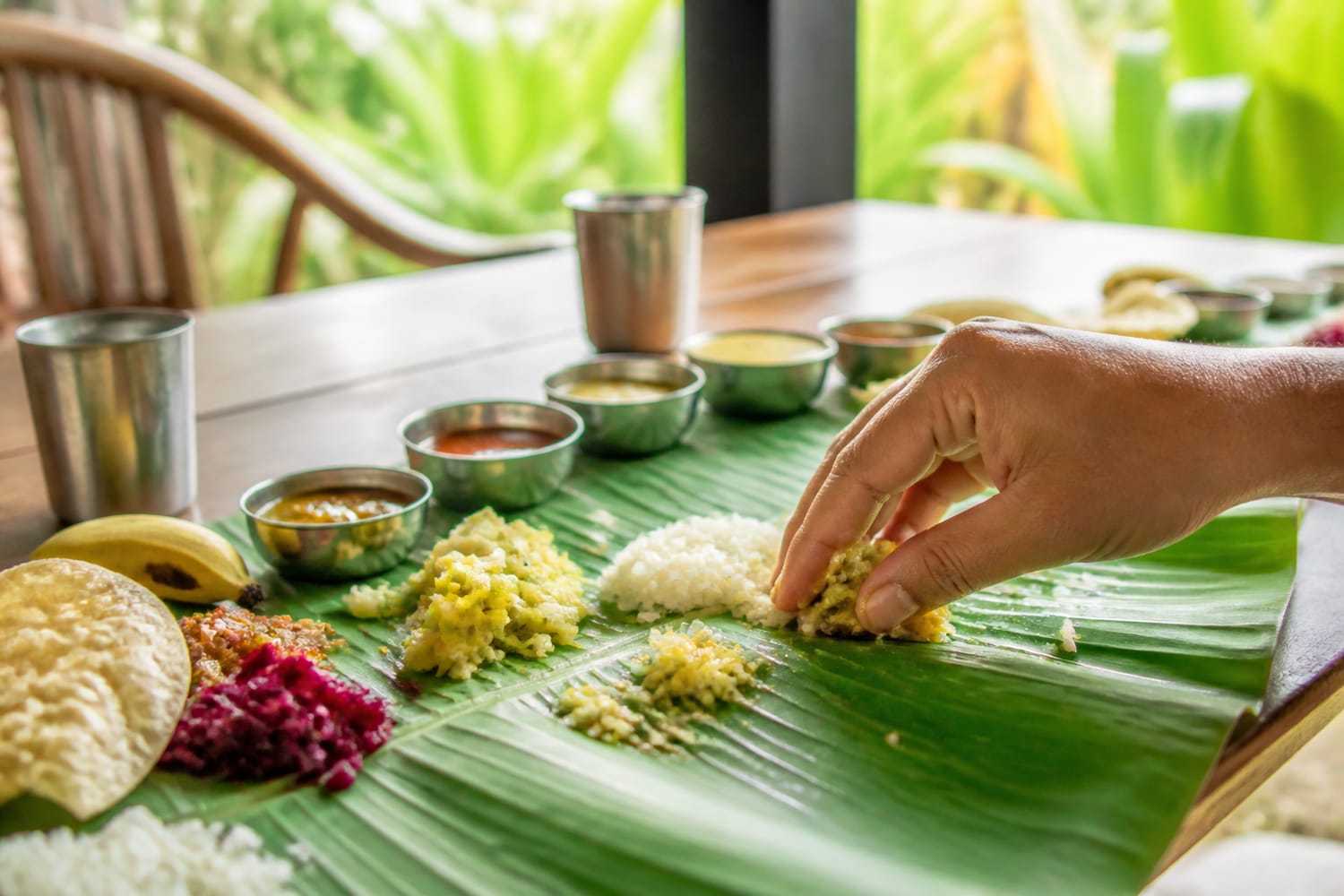
National etiquette guides are helpful starting points, but they can make cultures appear more uniform than they really are. Dining customs vary between cities and villages, older and younger generations, restaurants and private homes, and casual lunches and ceremonial feasts.
The type of plate matters too. There is a difference between:
- Leaving a spoonful on a plate filled by your host
- Wasting half of a meal you selected yourself
- Taking the final portion from a shared dish
- Leaving food because of an allergy or dietary restriction
- Declining another helping after expressing appreciation
India illustrates the danger of oversimplification. Its dining traditions vary widely among regions, religions, linguistic communities, and families. Guests may be served by a host or invited to help themselves, and repeated offers can form part of the welcome. Cultural guidance therefore recommends observing those around you when the expected behavior is unclear.
Rather than memorizing one rule per country, travelers should learn to read the occasion.
The Western Clean-Plate Expectation
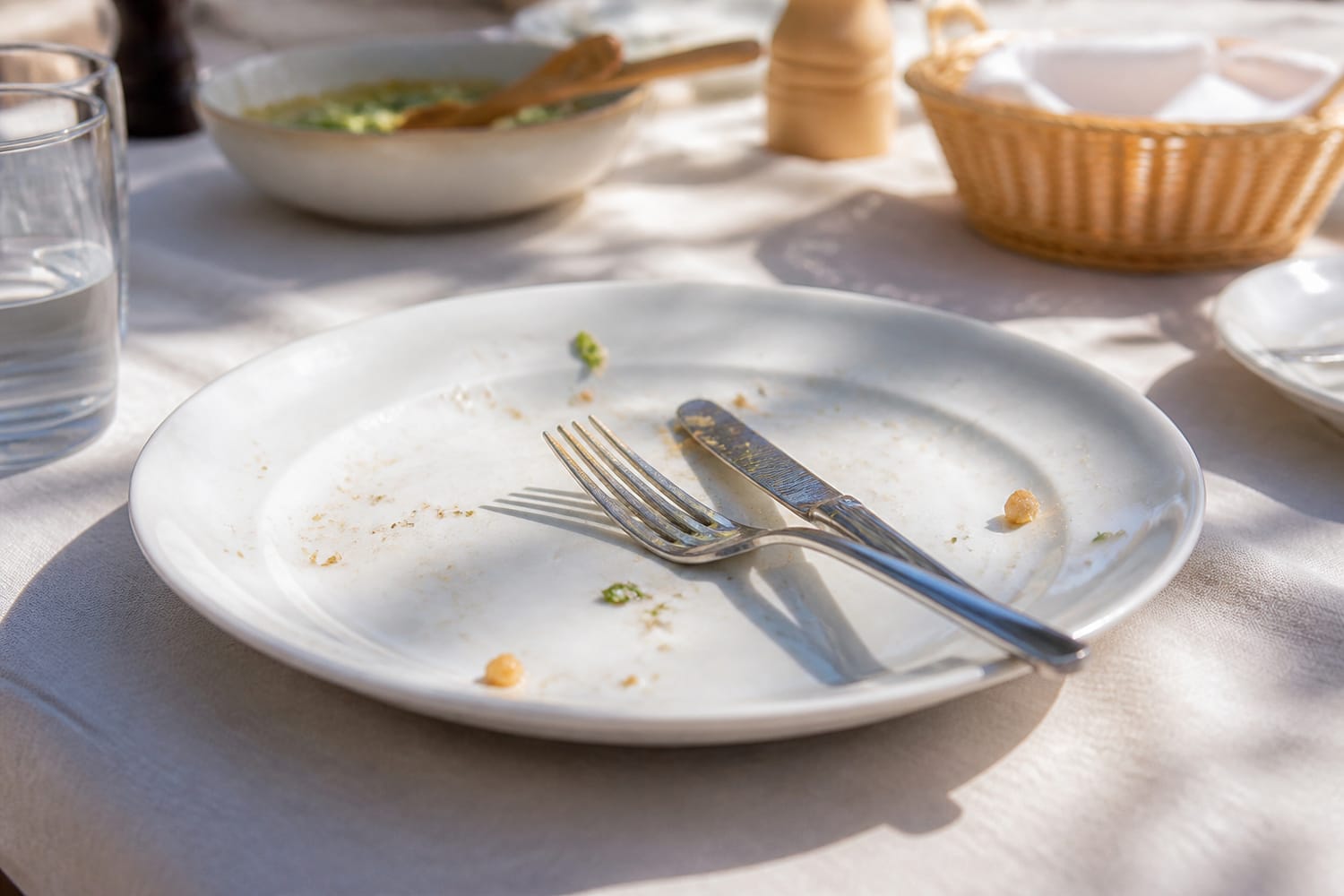
Across much of North America and Europe, finishing a meal is commonly interpreted as enjoyment, but it is not usually an absolute social requirement. Diners are generally expected to take sensible portions, avoid dramatic criticism, and thank the host whether or not every bite disappears.
At a restaurant, leaving food may simply mean that the serving was large. In someone’s home, taking an enormous helping and abandoning most of it can seem inconsiderate. Starting with a smaller portion is usually the better strategy, particularly when second helpings are available.
Western etiquette also emphasizes the experience of the group. The Emily Post Institute recommends taking a fair share and pacing yourself with fellow diners rather than rushing far ahead.
In other words, politeness is often less about achieving a perfectly clean plate and more about restraint, gratitude, and consideration.
How to Avoid a Clean-Plate Mistake
No traveler can master every dining custom, and most hosts will forgive an honest mistake. A few habits can prevent the most awkward moments:
- Begin with a small portion. You can accept more later if that suits the local ritual.
- Watch other guests. Notice whether they clear their plates, leave a bite, or wait before taking more.
- Follow the host’s pace. Avoid finishing dramatically early or continuing long after everyone else.
- Compliment the food clearly. Do not rely on the condition of your plate to express appreciation.
- Explain dietary needs early. Allergies, religious restrictions, and medical needs matter more than ceremonial etiquette.
- Ask politely when uncertain. A friendly question often shows cultural interest rather than ignorance.
Observation is equally useful for other dining habits. The rules surrounding slurping around the world demonstrate how the same action can communicate enjoyment in one setting and poor manners in another.
The Real Rule Is to Read the Table
A clean plate has no universal translation. It can say “That was delicious,” “I respect the food,” “I am ready for more,” or simply “I chose the right portion.” A leftover bite can express satisfaction, prevent another serving, or create the impression of waste.
The most respectful travelers do not treat etiquette as a collection of exotic taboos. They pay attention to who served the food, how others are eating, and what hospitality means in that particular setting.
When uncertain, take modest portions, express sincere thanks, and follow the host’s lead. The hidden rules may change from table to table, but appreciation is understood almost everywhere.