
When Architecture Becomes an Instrument
Famous landmarks are usually experienced with the eyes, but some reserve their best surprises for the ears. Curved walls can carry whispers, stone steps can transform handclaps, and enormous domes can hold a note in the air long after its source has fallen silent.
These acoustic secrets reveal another side of architecture—one shaped by reflection, resonance, geometry, and sometimes happy accident. Listen carefully at these ten landmarks, and the buildings may seem to speak back.
Grand Central Terminal, New York City
Near the Grand Central Oyster Bar, four tiled arches create one of New York’s most entertaining secrets. Two people standing at diagonally opposite corners can speak softly toward the wall and hear each other clearly, despite the crowds passing between them.
The curved Guastavino tiles guide sound across the vaulted ceiling, creating an intimate conversation in a busy public space. Grand Central’s official guided tour includes the Whispering Gallery among the terminal’s architectural secrets. Visit outside rush hour, when background noise is less likely to spoil the experiment.
St Paul’s Cathedral, London
Climb into the dome of St Paul’s Cathedral and you will reach its celebrated Whispering Gallery. A quiet voice directed toward the wall can travel around the circular interior and become audible to someone standing far along the curve.
Rather than moving straight across the dome, sound waves follow its smooth circumference. The effect became a famous example of what physicists call whispering-gallery waves. Today, visitors can still test the cathedral’s whispering walls, provided access is available and services are not underway.
Gol Gumbaz, Vijayapura
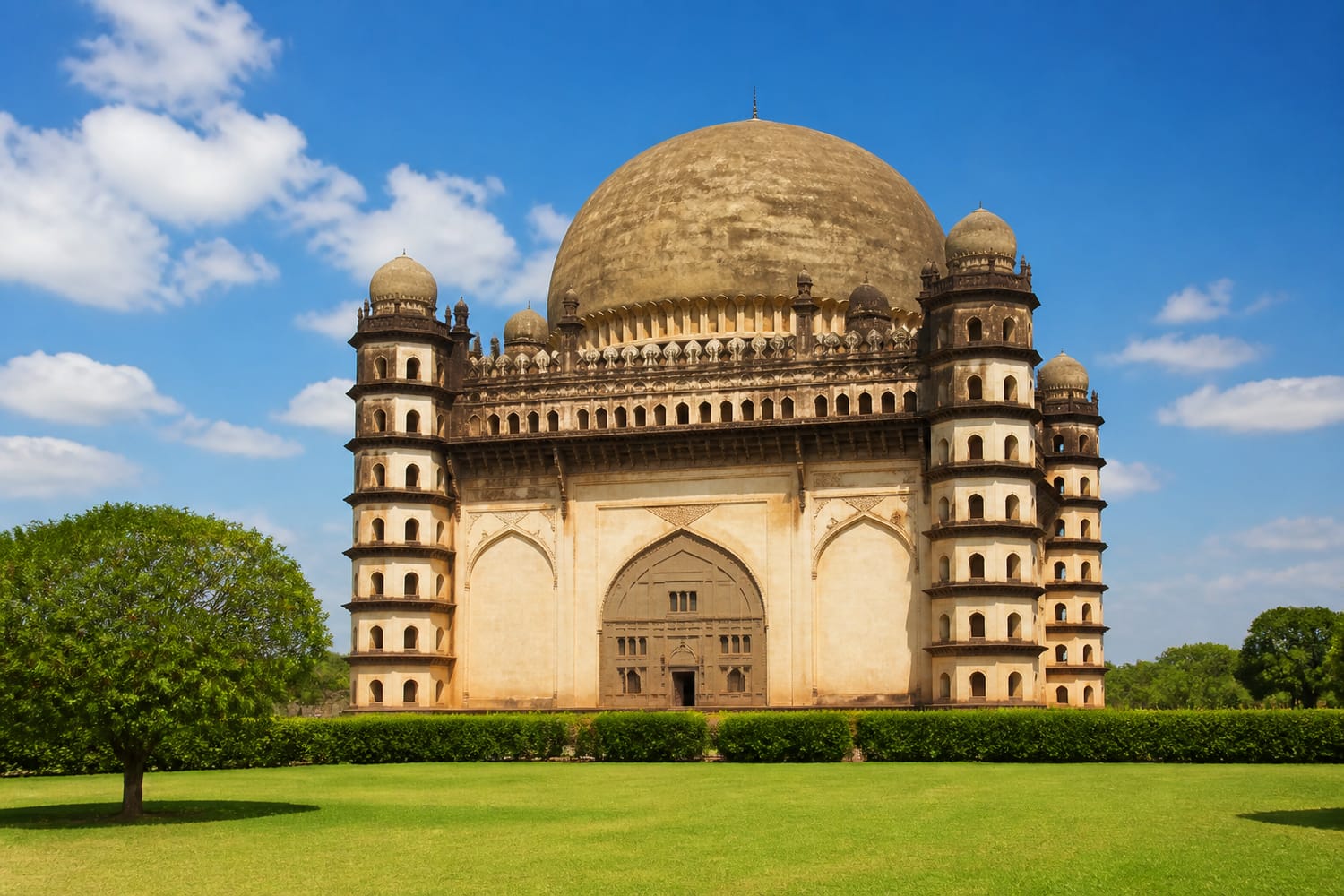
India’s Gol Gumbaz is the mausoleum of Sultan Muhammad Adil Shah, but its enormous dome has made it equally famous among sound seekers. The Whispering Gallery circles the dome’s base, carrying faint noises from one side to the other.
Claps, footsteps, and voices can produce powerful, overlapping echoes inside the central chamber. With multiple visitors experimenting at once, the space can become a storm of reflected sound. The Archaeological Survey of India notes that even extremely soft sounds can be heard across the gallery—a remarkable by-product of its immense curved architecture.
The Temple of Heaven, Beijing
The Imperial Vault of Heaven is surrounded by a smooth circular enclosure appropriately called the Echo Wall. When two people stand at separated points and speak toward the masonry, their voices can travel along the wall and reach each other over a surprising distance.
Nearby, the Triple Echo Stones offer a different trick. Depending on which marked stone a visitor stands upon, a clap may return as one, two, or three distinct echoes. These features add an auditory dimension to the Temple of Heaven’s carefully symbolic design, which is rich in the kinds of details featured in Tour Trivia’s guide to hidden symbols in famous landmarks.
El Castillo at Chichén Itzá, Mexico
Clap your hands while facing El Castillo’s main staircase and the returning sound changes into a descending chirp. Many listeners compare it to the call of the resplendent quetzal, a bird with deep cultural importance in ancient Mesoamerica.
Acoustic studies indicate that the evenly spaced steps scatter and diffract the clap, filtering it into its birdlike form. Researchers continue to debate whether Maya builders deliberately sought the effect, so claims of intentional acoustic engineering should be treated cautiously. The phenomenon itself, however, is measurable—and unforgettable.
The Ancient Theatre of Epidaurus, Greece
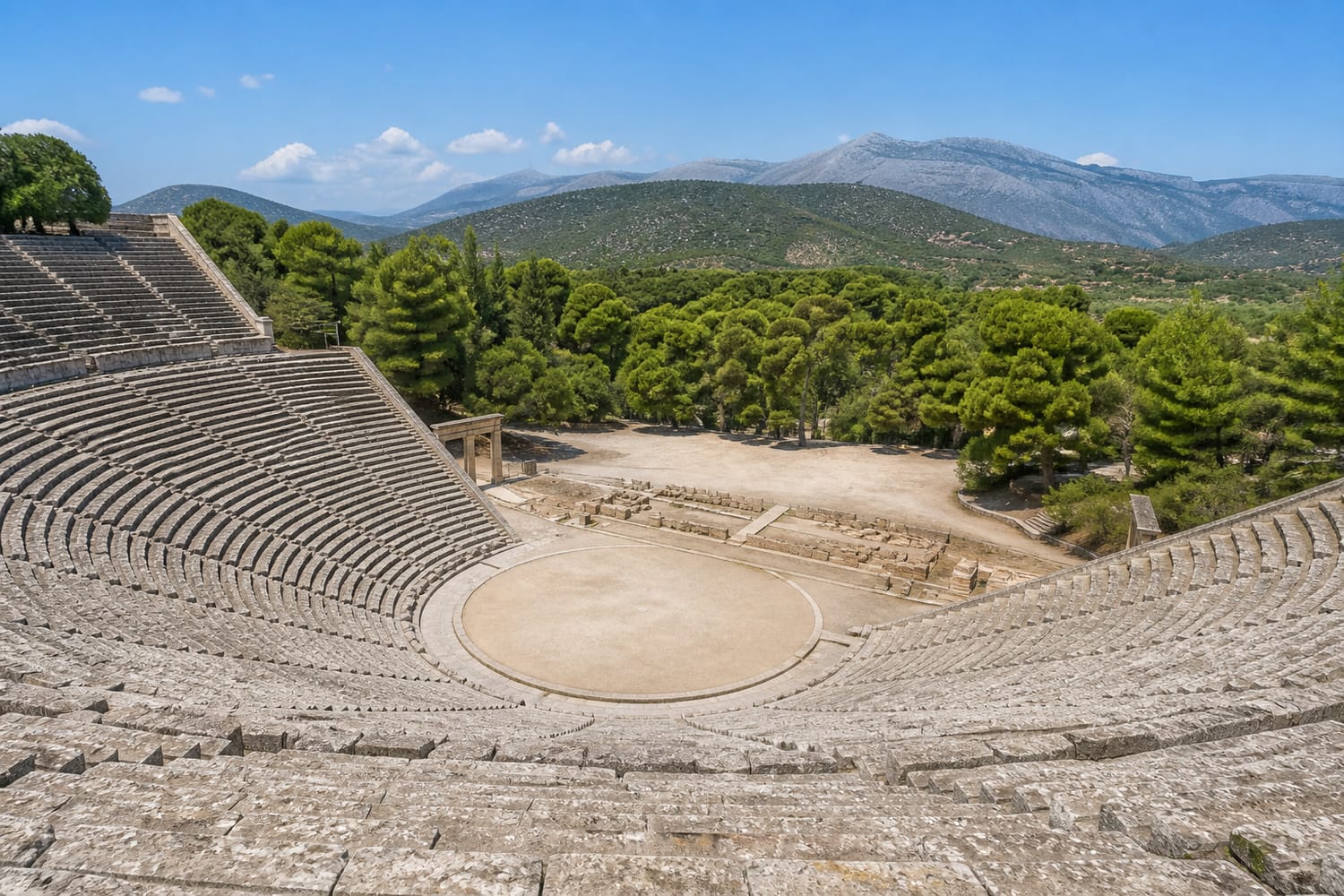
At Epidaurus, the secret is not a dramatic echo but astonishing clarity. Speech produced in the performance area can remain intelligible high in the steeply rising seating, allowing thousands of spectators to follow a performance without electronic amplification.
The theatre’s quiet rural setting, hard surfaces, open sightlines, and early sound reflections all contribute. Its rows of limestone seats help scatter sound while reducing some unwanted background noise. Much like the structures in Tour Trivia’s exploration of landmarks designed to trick your eyes, Epidaurus proves that human perception can be shaped through ingenious architecture.
The Ħal Saflieni Hypogeum, Malta
Carved into limestone beneath Malta, the Ħal Saflieni Hypogeum contains an area popularly known as the Oracle Room. A voice directed into its acoustic niche can gain unusual depth and resonance, spreading through the interconnected underground chambers.
Systematic investigation has confirmed notable acoustic behavior at the site, although not every sensational claim associated with it has survived scientific testing. The Hypogeum was a prehistoric burial complex, and the effect may have given chanting, speech, or ritual sounds extraordinary emotional force. Visitor numbers are strictly controlled, so early booking through Heritage Malta is essential.
The Pisa Baptistery, Italy
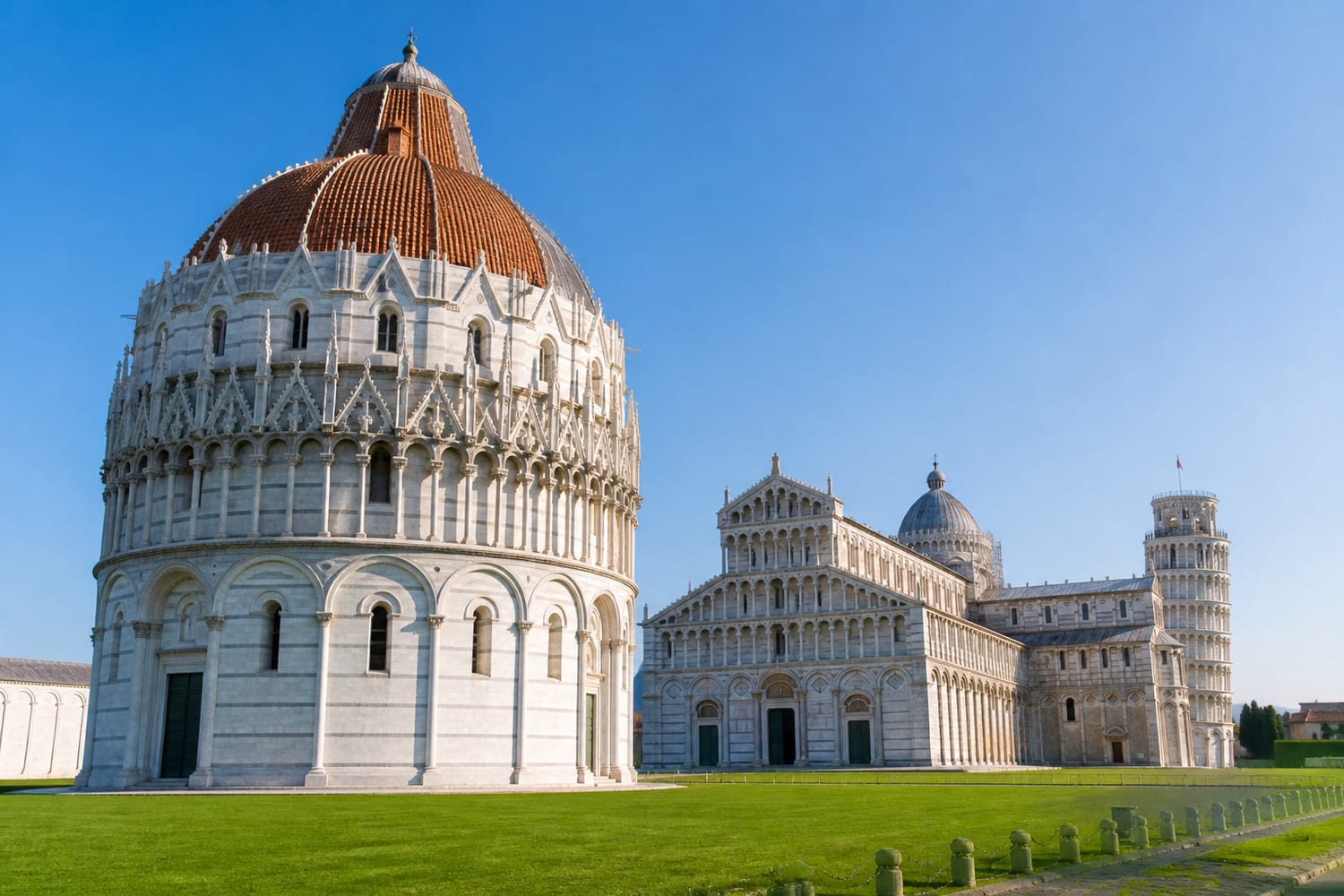
Pisa’s leaning bell tower may dominate the photographs, but the nearby Baptistery provides the square’s finest sound effect. Its double-dome construction creates such rich reverberation that one person singing separate notes can appear to form a complete choir.
Each tone lingers and overlaps with the next, turning the enormous marble interior into what the monument’s official website calls a musical instrument. Staff traditionally provide short vocal demonstrations, showing how architecture can create harmony without accompaniment. Pisa’s Baptistery is an ideal reminder that the most famous attraction is not always the only wonder nearby.
National Statuary Hall, Washington, D.C.
Before becoming a sculpture gallery, this semicircular chamber in the U.S. Capitol housed the House of Representatives. Its curved ceiling caused echoes so disruptive that conducting debates became difficult, contributing to the eventual construction of a new House chamber.
Those once-frustrating acoustics now form part of the attraction. At certain locations, a speaker standing many yards away may sound clearer than someone positioned nearby. The Architect of the Capitol explains that renovations have changed the exact listening spots, but the room’s strange whispering-gallery effect remains.
Hamilton Mausoleum, Scotland
Built for the 10th Duke of Hamilton, this monumental domed tomb possesses an echo that seems reluctant to die. A slammed door, sharp clap, or loud call can reverberate through the chapel for approximately 15 seconds.
The soaring stone interior repeatedly reflects sound rather than quickly absorbing it, stretching a brief noise into a long, ghostly tail. Its funerary purpose makes the phenomenon especially atmospheric. For more monuments whose beautiful exteriors conceal a darker function, explore these famous landmarks that are actually tombs.
How to Hear the Secrets Responsibly
Acoustic landmarks work best when their surroundings are quiet, so arrive early or visit during less crowded periods. Stand at marked listening points, face the indicated wall, and begin with a whisper rather than a shout.
Remember that many of these places are sacred buildings, archaeological treasures, or active memorials. Follow staff instructions, never create loud noises without permission, and avoid disrupting ceremonies or other visitors. The greatest acoustic secret is often discovered not by making more noise, but by becoming still enough to hear what the architecture does with a single sound.